A healthcare professional whose newborn daughter developed a serious respiratory infection is calling on expectant mothers to ensure they receive protection against the virus, particularly as vaccination uptake remains below optimal levels.
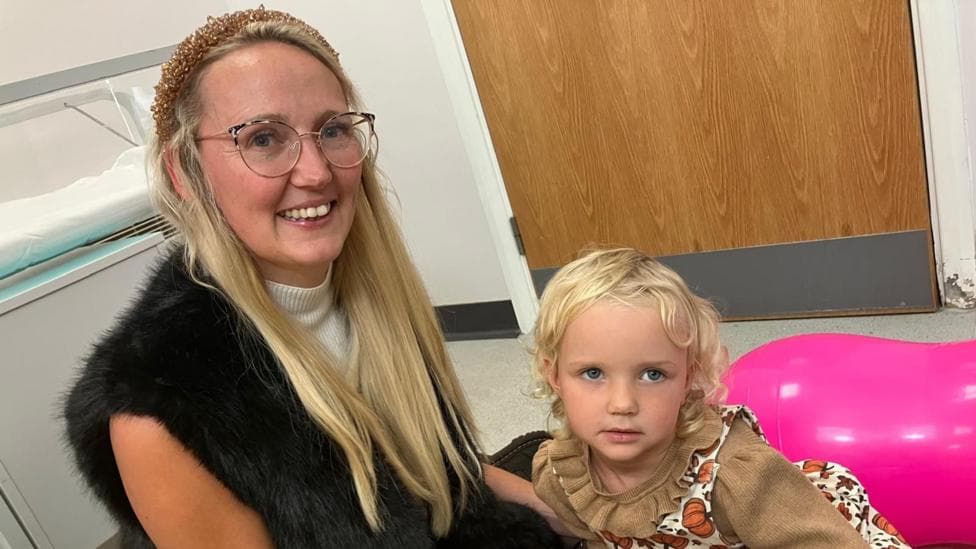
Jo Goldsmith, a children's nurse and health visitor from Haverfordwest, Pembrokeshire, described the moment her daughter Phoebe contracted respiratory syncytial virus (RSV) just days after birth as the most distressing experience her family has endured. When the vaccine became available, she expressed deep regret that it had not existed during her own pregnancy, stating she would have accepted it without hesitation.
"I wouldn't want any family to go through what we went through," Goldsmith said.
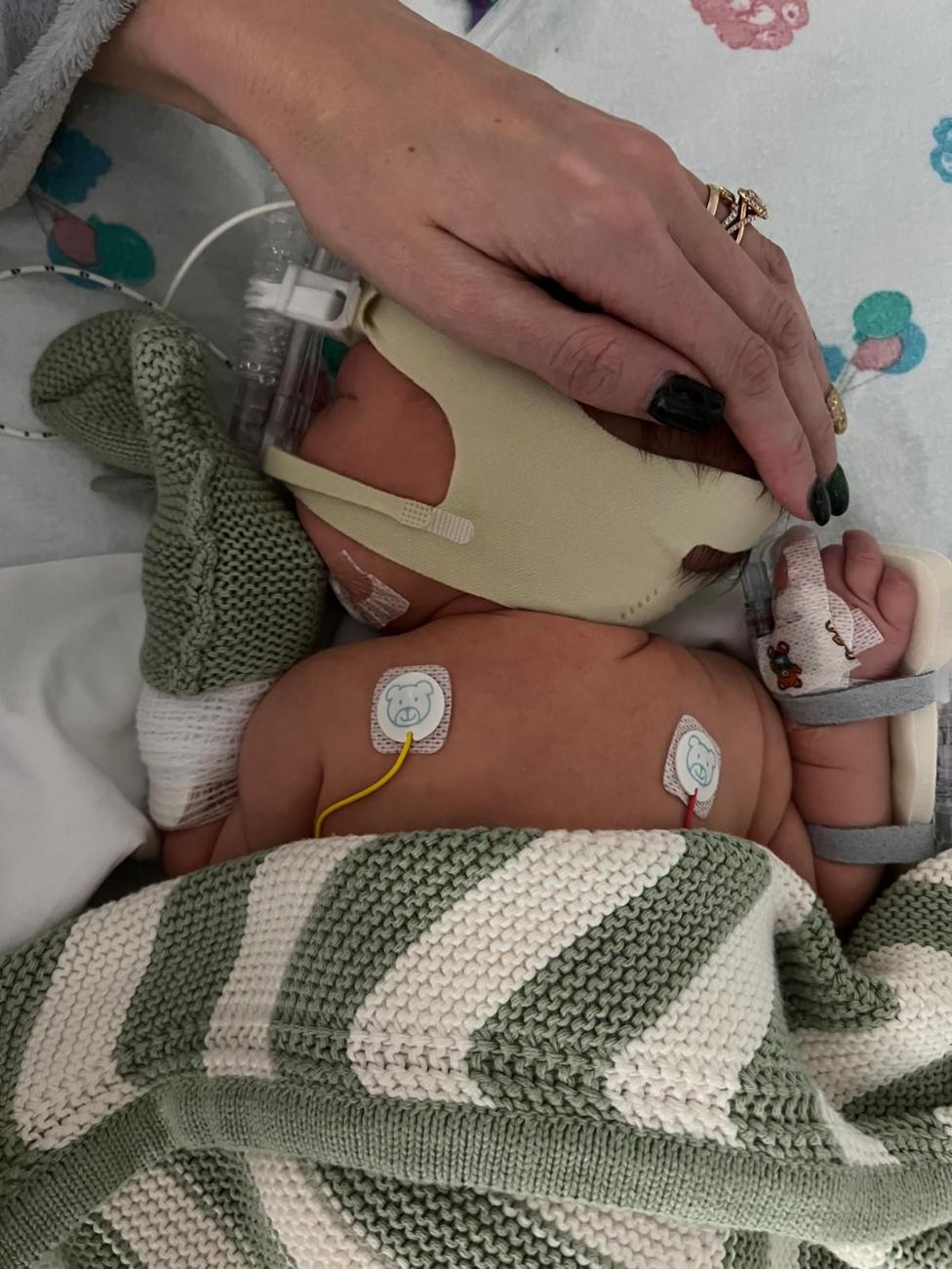
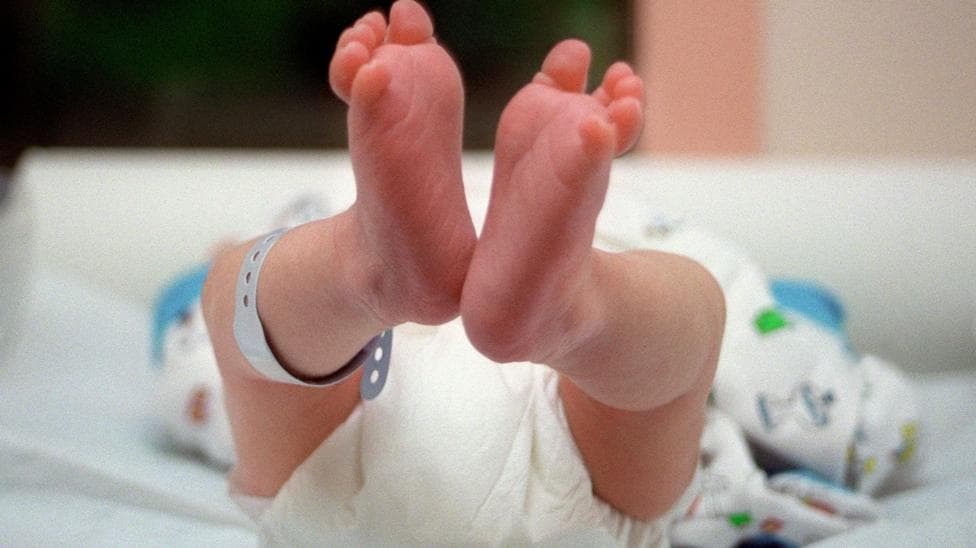
Phoebe was five days old when she developed severe congestion and rapid, laboured breathing. Her parents recognised the severity of her condition and took her to hospital, where she was diagnosed with RSV positive bronchiolitis on Christmas Eve—four years ago. The diagnosis marked the beginning of an uncertain period for the family, as Phoebe's condition deteriorated rapidly.
"She was five days old, she had quite a lot of congestion… and we noticed quite quickly that she seemed to be breathing very fast and was struggling," Goldsmith recalled. "It escalated from there," with the family told on Christmas Eve that she had RSV positive bronchiolitis.
Phoebe was transferred to the hospital's high dependency unit, where medical staff prepared the family for the possibility of the worst outcome. Goldsmith's professional background as a nurse gave her insight into the gravity of the situation.
"So, we knew that we were going to be in [hospital] for the Christmas period. But we didn't quite realise how unwell she was going to be," she said. "They sort of prepared us for… the worse."
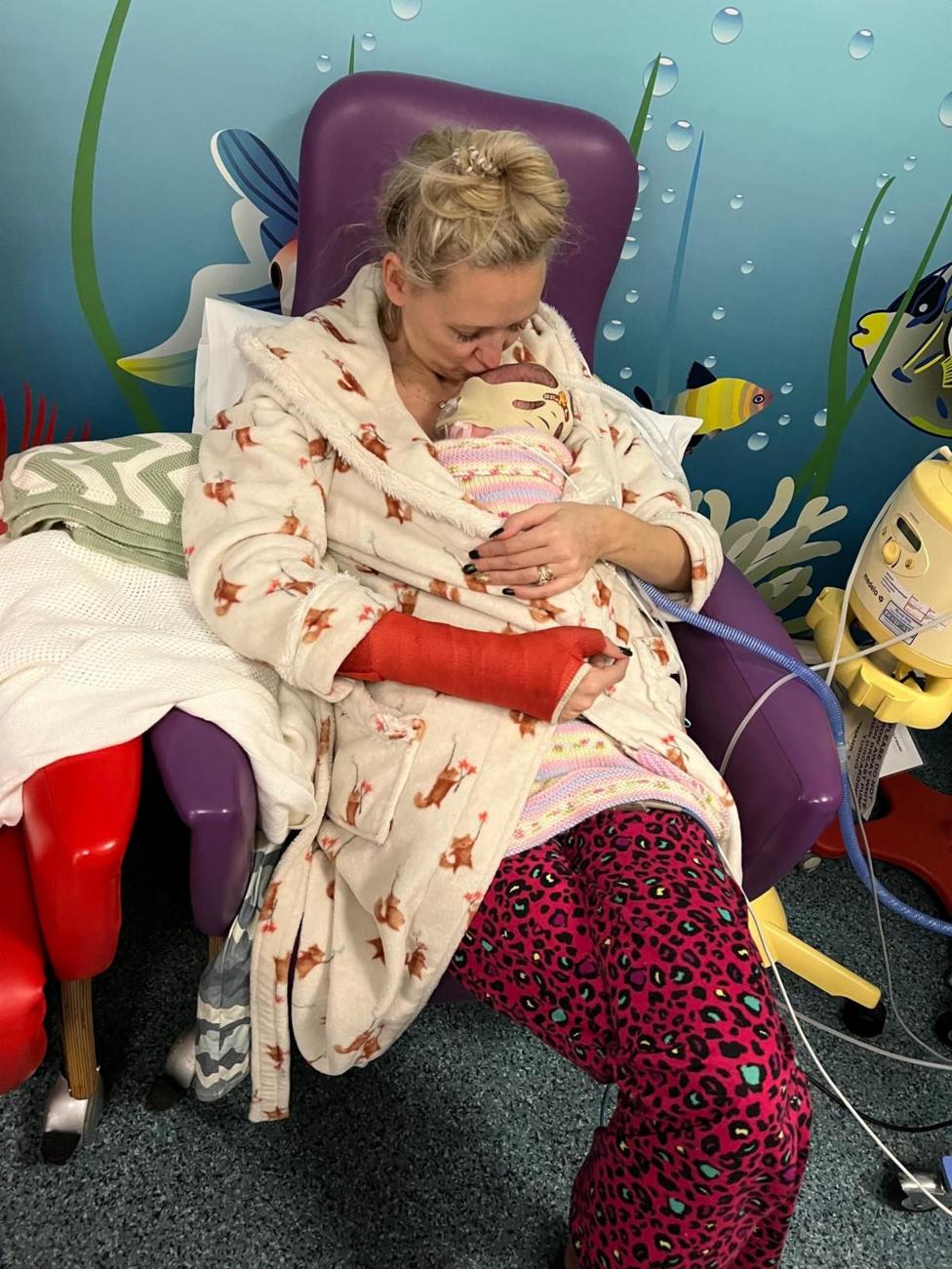
Despite the severity of her initial illness, Phoebe eventually recovered from the acute infection. However, the virus left lasting consequences: she was readmitted to hospital multiple times with chest complications, and her hearing was permanently affected.
Goldsmith's experience reflects broader concerns about RSV in vulnerable populations. As of March 2026, RSV vaccine uptake among pregnant women stood at 50.4% for those currently expecting and 60.6% among women who gave birth in February 2026, indicating that many eligible mothers are not yet protected.
What is RSV and who can receive the vaccine?
RSV is a widespread virus that circulates annually during winter months. Although most people experience only mild symptoms, the infection can become severe in babies, older adults, and those with compromised immune systems, potentially leading to bronchiolitis and pneumonia.
In Wales, RSV infection in children under two years old typically accounts for between 7,000 and 9,500 general practice appointments and 2,300 to 2,600 hospital admissions during a typical RSV season. For adults aged 75 and over, the impact is even more significant: RSV infection is estimated to cause 7,000 to 9,000 GP appointments, 700 to 1,000 hospital admissions, and 400 to 600 deaths annually in Wales.
The RSV vaccine is offered to all pregnant women from 28 weeks of pregnancy onwards, and should be administered during every pregnancy to provide passive protection to newborns. All adults aged 75 and over are eligible for the vaccine, which they need only once in their lifetime.
From September 2026, Wales extended the RSV vaccine offer to higher-risk adults aged 65 to 74, including those who are immunosuppressed or have chronic respiratory disease, though those with well-controlled asthma are excluded from this expansion.
RSV vaccinations were introduced in Wales in September 2024, and the Welsh government has emphasised that the RSV vaccine is distinct from the flu vaccine and should not be overlooked as part of winter preparations.
Why is vaccination uptake important?
Nerys Evans, Deputy Minister for Public and Preventative Health, described Goldsmith's account as a "powerful reminder of how serious RSV can be" for both older people and newborns. She urged all eligible individuals to come forward for protection against RSV, flu, and COVID-19.
"I urge all who are eligible to come forward for their flu jab, their COVID-19 booster and their RSV vaccine. They protect against different viruses, and it really can make the difference between a mild illness and a serious hospital stay," Evans said.
Goldsmith's testimony underscores the emotional and physical toll of RSV infection in infants. She described the experience of watching her daughter struggle to breathe and the uncertainty about whether Phoebe would survive the night as profoundly traumatic.
"Watching your baby struggle to breathe and not knowing whether they were going to get through the next couple of hours, of what was going to happen overnight with them," she said, emphasising why she now advocates strongly for vaccination among other families.
What happens next for RSV protection in Wales?
The Welsh government continues to offer RSV vaccination year-round to eligible populations. Pregnant women should receive the vaccine during each pregnancy, while older adults require only a single dose. Healthcare providers are being encouraged to ensure that eligible individuals are aware of and offered protection against RSV as part of their winter health preparations.