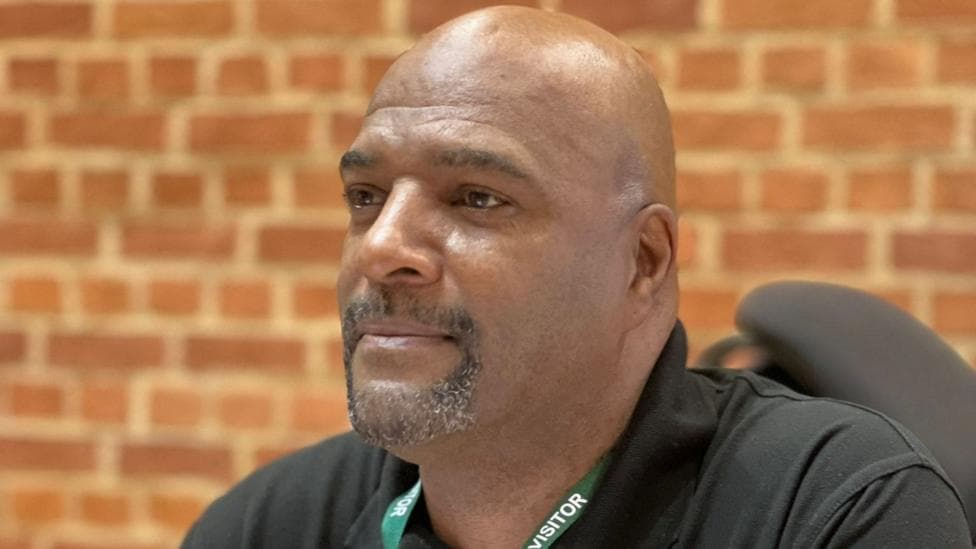
Tony Kelly, a former Stoke City footballer, has described how gambling addiction devastated his life, costing him more than £500,000 and contributing to family breakdown, depression and deteriorating performance on the pitch. In his latest book, My Redemption, Kelly traces his journey from a young player placing casual bets to someone trapped by compulsive gambling at casinos, and ultimately to recovery and advocacy work helping others.
Kelly grew up in Coventry and spent three years at Stoke City, where he experienced some of the defining moments of his playing career. These included winning the Football League Trophy in 1992 and scoring an equaliser against Liverpool in a League Cup match in 1991. Yet despite these achievements, his gambling habit would eventually overshadow his footballing potential.
How did the addiction begin?
Kelly's gambling started at age 18 while he was playing for Dulwich Hamlet in London. He began placing football accumulators alongside team-mates as a way of integrating into the group.
"It was a bit of fun, wanting to fit in with a new group,"he recalled. The situation escalated significantly in 1990 when he joined Stoke City and gained access to casino gambling.
"The casinos were really my big downfall,"he said.
"I accumulated a whole load of debt."
What impact did gambling have on his football and personal life?
As his debts mounted, Kelly's ability to concentrate on football suffered markedly. His match performances became inconsistent as gambling debts, depression, stress and anxiety took their toll.
"It controls you,"he explained.
"It becomes a compulsion."Beyond the pitch, the addiction caused severe personal damage: Kelly lost two houses and was forced to file for bankruptcy in 2009. He also experienced family breakdowns and fractured friendships as he struggled to hide his problem.
The psychological burden of concealing his addiction worsened his mental health and created a cycle that made recovery seem impossible. For years, Kelly remained in denial about the severity of his situation, unable to acknowledge the grip gambling had on every aspect of his life.
When did he seek help and go public?
A turning point came in 2013 when Kelly appeared on a national broadcaster's breakfast programme to discuss his addiction openly.
"That was the time that I owned my addiction and came out of denial,"he said. This public disclosure marked the beginning of his recovery journey and a shift toward using his experience to help others.

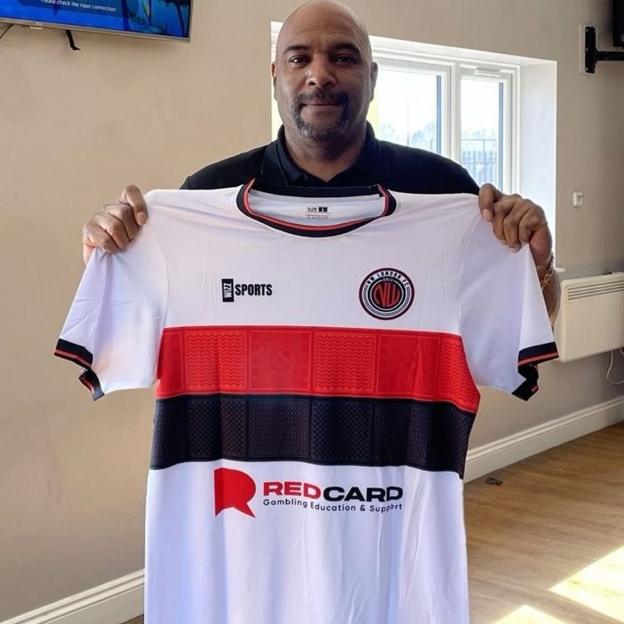
Two years later, in 2015, Kelly founded Red Card Gambling Support, a non-profit organisation dedicated to educating people about gambling addiction and providing support to those affected. According to Red Card's official information, Kelly's work now also addresses rejection, racism, and the pressures of professional sport alongside gambling harms. His role has expanded further: Kelly is now a member of the Gambling Commission interim EBE panel and continues as founder and director of Red Card Gambling Support Project CIC.
What books has he published?
Kelly's first book, Red Card: The Soccer Star Who Lost It All To Gambling, was published in 2013, documenting his fall and early recovery. A second book, Red Card: A Bet You Can Win!, followed in April 2021. His latest work, My Redemption, represents what Kelly says will be his final book and provides a comprehensive account of his life from childhood in Coventry through his football career, addiction, recovery and his current work supporting others.
How has he maintained recovery?
Kelly acknowledged that people recovering from addiction face particular vulnerability to relapse, especially following traumatic events. However, he noted that his own recovery has remained stable.
"I'm blessed that I've been able to get to this point, so fingers crossed I'll stay like this,"he said.
"I'm blessed that I've been able to get to this point, so fingers crossed I'll stay like this."He has consistently urged those struggling with gambling to break their silence.
"You've got to confide in someone, you've got to talk,"he emphasised.
According to Red Card's recent updates, Kelly has continued his public advocacy work, including a May 2026 podcast appearance discussing the realities of problem gambling in professional sport. His media presence has extended to appearances on BBC Midlands Today as of September 2026, demonstrating his ongoing commitment to raising awareness.
What is Red Card doing now?
Red Card Gambling Support has expanded its reach beyond individual support. The organisation has planned seven gambling-awareness workshops with Coventry College in 2026, targeting young people before they develop problematic gambling habits. This educational focus reflects Kelly's belief that early intervention and open conversation are essential to preventing others from experiencing the losses and suffering he endured.
Kelly's story sits within a broader pattern of gambling harm affecting athletes and the public. Similar cases have emerged recently: Luke Bateman told a parliamentary inquiry that gambling companies supplied him with cocaine and alcohol while his addiction cost him approximately $1 million, raising questions about duty of care in the industry. Meanwhile, individuals like Diane Barnes have described how mobile betting platforms enable round-the-clock gambling, with her addiction beginning as early as childhood. These parallel stories underscore the systemic nature of gambling harm and the need for continued advocacy and support services like those Red Card provides.
Key Facts
- Tony Kelly lost more than £500,000 to gambling addiction that began at age 18 and escalated after joining Stoke City in 1990
- His gambling debts led to the loss of two houses and bankruptcy in 2009, alongside depression, anxiety and family breakdown
- Kelly founded Red Card Gambling Support in 2015 and has published three books documenting his addiction and recovery
- He now serves as a member of the Gambling Commission interim EBE panel and continues public advocacy through media appearances and educational workshops
- Red Card has planned seven gambling-awareness workshops with Coventry College in 2026 as part of its prevention and education strategy