Brenda Young's Experience with Broken Heart Syndrome
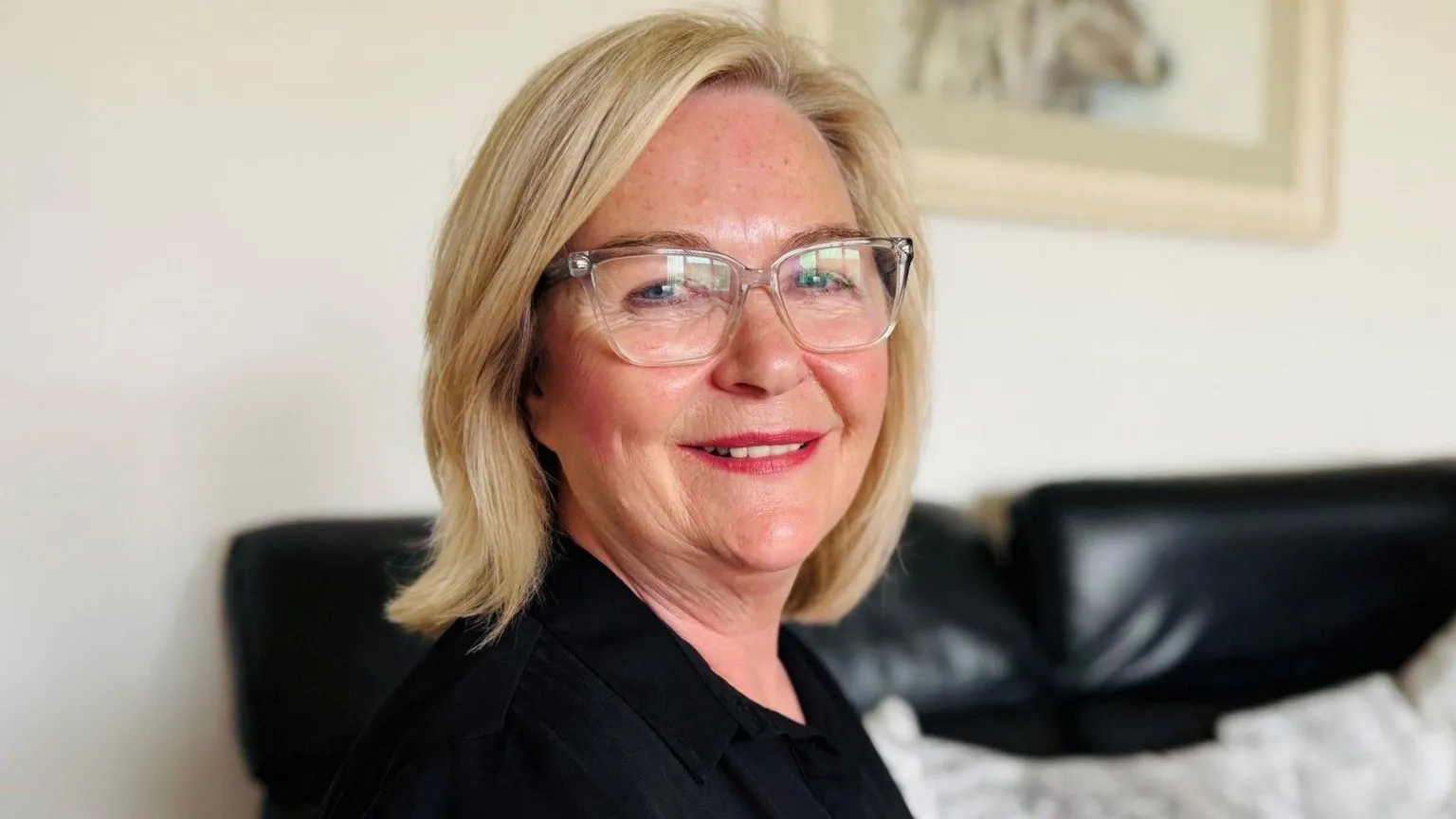
Brenda Young experienced an "intense overwhelming pain" in her chest following the death of her mother last year.
Initially suspected to be a heart attack, the 57-year-old from St Fergus in Aberdeenshire was instead diagnosed with broken heart syndrome.
Also known as takotsubo cardiomyopathy, this sudden condition is estimated to affect thousands in the UK annually.
Brenda now hopes that a medication trial at the University of Aberdeen, aimed at treating broken heart syndrome, will provide new options.
What Triggers Broken Heart Syndrome?
Broken heart syndrome differs from a heart attack caused by blocked blood vessels but shares similar symptoms such as breathlessness and chest pain.
It is typically triggered by extreme emotional or physical stress.
Common triggers include distressing events like bereavement; however, positive events such as weddings, significant financial gains like lottery wins, or new jobs have also been associated with the condition.
Brenda, a residential social worker in Peterhead, has always maintained an active and busy lifestyle.
When her mother, Margaret Chisholm, passed away last November at age 79, Brenda’s chest pains began within minutes.

"I just remember thinking 'this cannot be happening, not today'," she said.
"I knew there was something really wrong. My family were all around my mum's bedside and I thought 'how can I tell them I'm having chest pain? Not now'."
Initially told she likely had a heart attack, Brenda was admitted to hospital for tests and subsequently informed she had experienced broken heart syndrome.
"I said 'what on earth is that, I had never heard of this before,'" she recalled.
Trial to Unlock New Treatment Options
Brenda is currently recovering at home and gradually returning to work.
She advocates for greater awareness of broken heart syndrome and is optimistic about the ongoing trial potentially unlocking specific treatments.
The seven-year study, funded by the National Institute for Health and Care Research (NIHR), involves scientists and clinicians from Aberdeen, Glasgow, Edinburgh, Leeds, Leicester, and Belfast.
Nearly 1,000 patients from 40 hospitals across the UK will participate.
The trial will evaluate whether renin-angiotensin system (RAS) inhibitors, medications that relax blood vessels, can be an effective treatment.
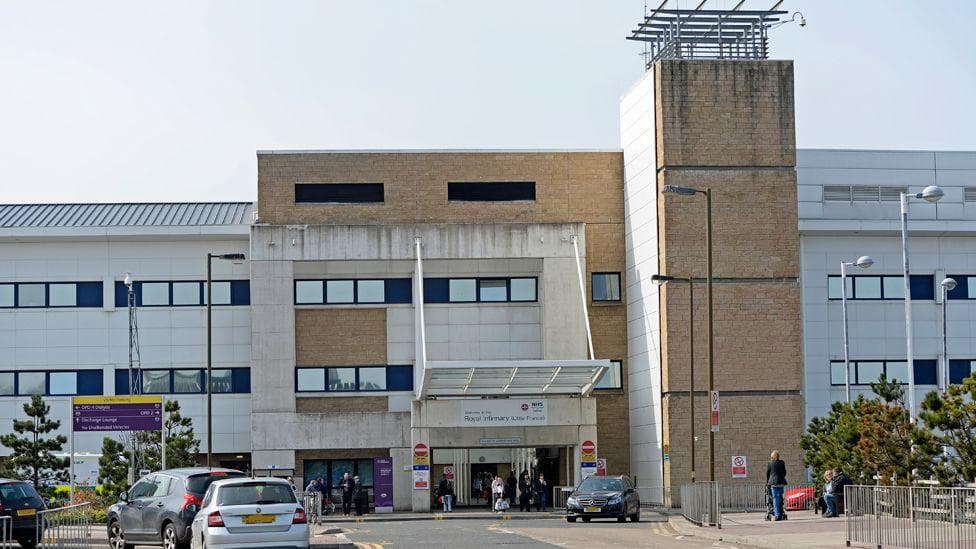
Professor Dana Dawson, chair in cardiovascular medicine at the University of Aberdeen and consultant cardiologist at Aberdeen Royal Infirmary, leads the trial.
"Takotsubo syndrome affects thousands of people in the UK year on year - most of whom are women," she explained.
"It is a growing problem and with ever improving clinical recognition the diagnosis rate has increased five-fold in the past decade.
"The long-term risk of death or serious health problems after a takotsubo attack is similar to patients who suffer a heart attack due to a blocked heart artery but despite this, there are no proven therapies for takotsubo, no treatment guidelines, leaving doctors and patients uncertain and concerned."
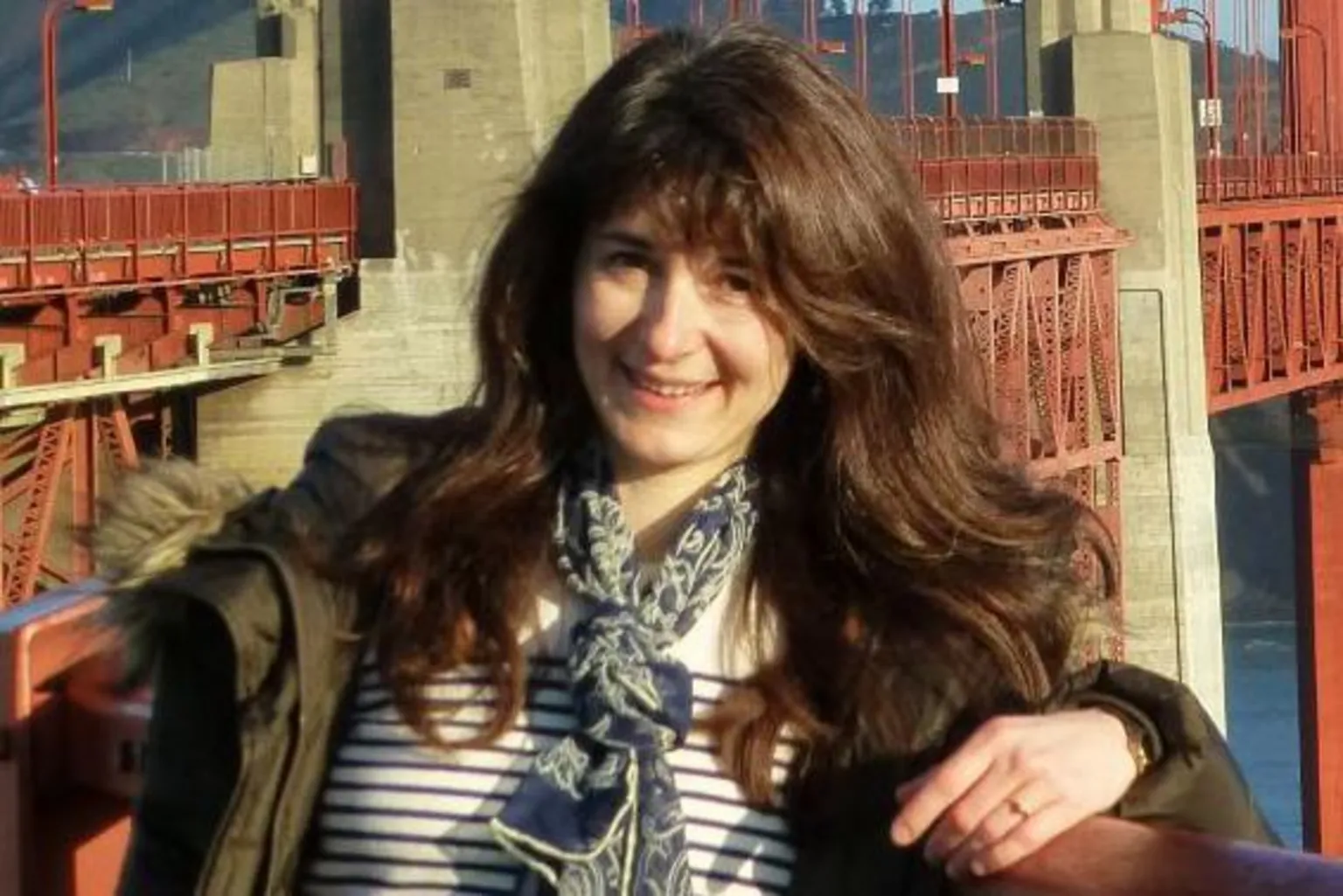
Professor Dawson stated that the trial will test for the first time whether RAS inhibitors can provide long-term benefits.
"People living with takotsubo syndrome are effectively in limbo at the moment," she said.
"There is no proven therapy which means treatments can vary from person to person. We know that following an attack, the impact on the patient's quality of life can be extremely debilitating.
"We may find the first therapy that improves survival and reduces the burden of disease after a takotsubo attack, or we may establish these are not effective and therefore redirect the search to other treatments that may work.
"Ultimately, we hope that the outcome of this study will enable takotsubo patients to live a full and healthy life knowing that their condition is being managed as effectively as possible."
Having worked on the syndrome for over 15 years, Professor Dawson expressed enthusiasm about the potential treatment.
The research team is also exploring extending the study to Australia through collaborations with colleagues in Perth and Adelaide.