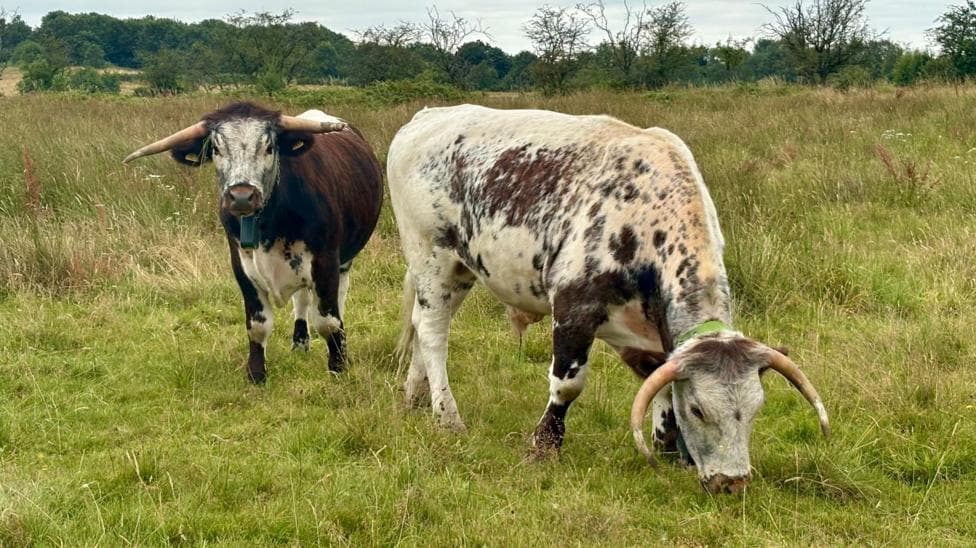
Longhorn cattle graze at a former open-cast coal mine on the edge of Salford, part of a growing movement to bring wildlife habitats closer to urban residents.
Conservationists and campaigners are calling for a fundamental shift in how cities approach nature access, arguing that people should not need to travel far to experience green spaces. Across the country, from Greater Manchester to north London, organisations and volunteers are converting former industrial sites and neglected parks into thriving wildlife habitats and community gathering spaces.
Evidence reveals a significant gap in current provision. Research indicates that many people lack access to parks, woodlands or wetlands within a 15-minute walk of their homes, despite growing scientific evidence that time spent in nature improves both physical and mental health. According to The Wildlife Trusts, nearly half of parliamentary constituencies in England have limited access to nature, framing this as a public health issue amid rising climate extremes.
We need the places right next to where people live, that are scrappy bits of land.This is how Stephen Cartwright, from the Lancashire Wildlife Trust, describes the priority for urban nature conservation. If wildlife is to flourish alongside expanding communities, campaigners argue that access to nature must become a central concern for policymakers and urban planners.
Two major coalitions are pushing for systemic change. The Wildlife Trusts, a federation of 47 independent wildlife conservation charities across the UK, has urged the government to prioritise people's access to nature. Separately, a coalition led by the Horticultural Trades Association and the Gardens Trust is campaigning for trees, plants, gardens and parks to be formally recognised as essential infrastructure deserving long-term public investment.
How are communities transforming local spaces?
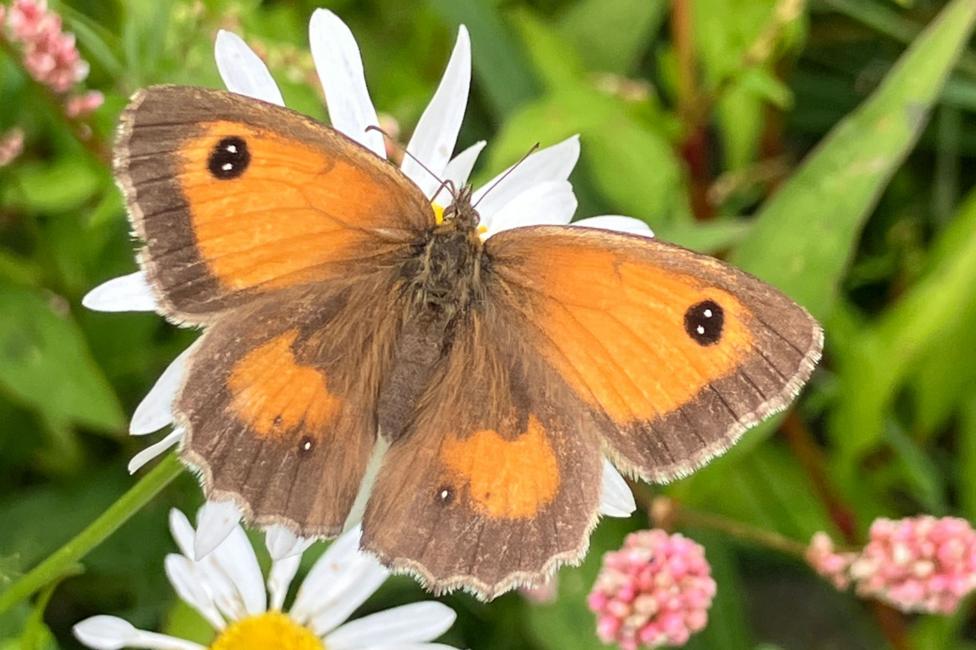
Projects across the country demonstrate that green spaces can be successfully brought closer to where people live. At Cutacre, a former open-cast coal mine on the edge of Salford in Greater Manchester, the Lancashire Wildlife Trust has created meadows, wetlands, ponds and grazing areas with longhorn cattle. The 26-hectare reserve, which features public footpaths and is open at all times, now hosts species including grey partridge, lapwing, skylark, grasshopper warbler and willow tit. Conservationists have also reintroduced dyer's greenweed to Greater Manchester after the plant became functionally extinct in the area.

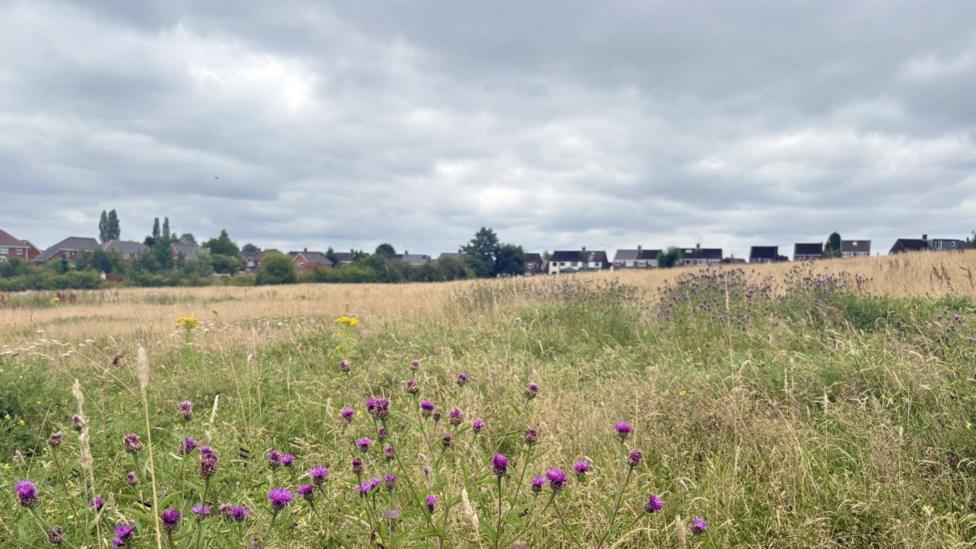
Cartwright emphasised the reserve's location as one of its most valuable features. Bordered by housing estates, industrial units and communities across Salford, Bolton, Wigan and Manchester, the site provides nearby access to nature for people who might never visit a traditional reserve.
If you're a child growing up in a school over there, the majority of them won't travel to nature reserves. We need to bring reserves to them.His colleague Alan Wright added:
We want to engage people in nature and the best way to do it is do things next to where they live. This is a perfect example.
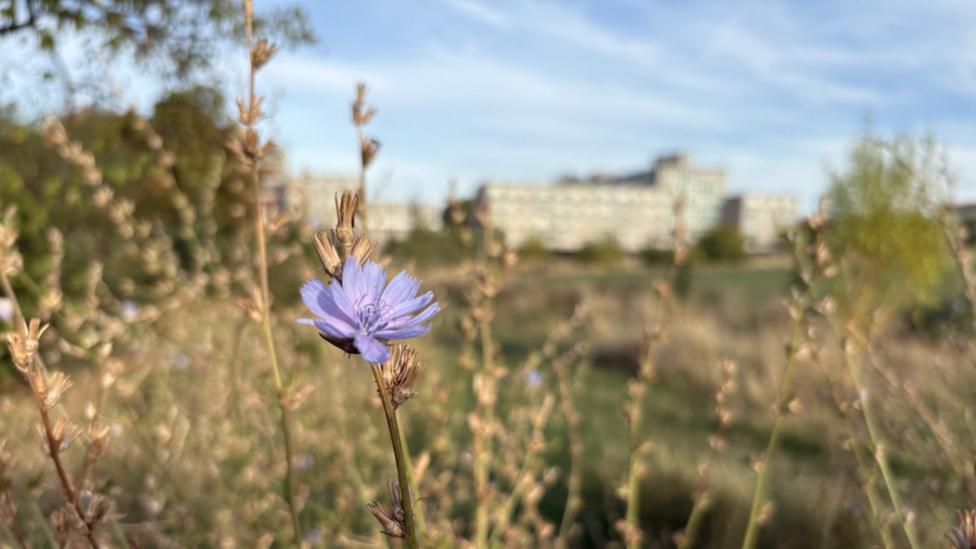
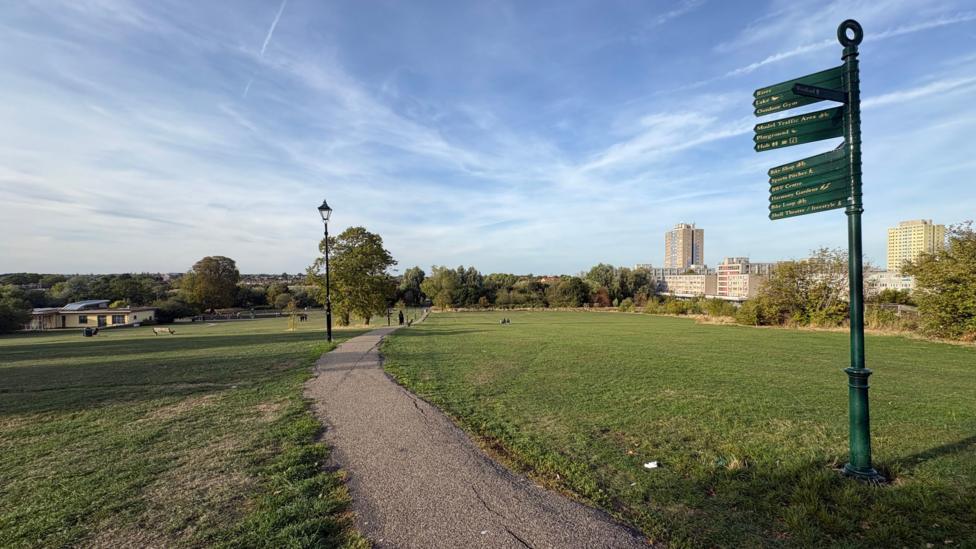
More than 150 miles away in Tottenham, north London, local residents have led an equally ambitious transformation of the Lordship Recreation Ground. When the Friends of Lordship Rec group formed in 2001, chairman David Morris described the park as a neglected and unsafe space with derelict buildings and minimal biodiversity. Today, with support from £7 million in lottery and other funding, the site features woodland, meadows, an orchard, food-growing areas, sports facilities and a restored watercourse. The community group co-manages the park with Haringey Council and has secured its designation as a site of importance for nature conservation.
What benefits do green spaces bring to communities?
Morris highlighted the dual benefits that restored green spaces provide.
Being in nature has an amazing positive effect, immediate effect.He also advocated for increased funding for parks, emphasising that
every neighbourhood should have access to a public green space.The Lordship site now attracts volunteers of all ages and hosts activities including bat walks, birdwatching groups and events with schoolchildren designed to foster a lifelong connection with nature.

The broader context for this work extends beyond individual projects. A wider local initiative, the "Cyan Lines" plan, aims to connect more than 100 miles of green and blue routes across Salford and Manchester, demonstrating the scale of urban access work underway in the region. Additionally, Bury Council has established standards for accessible greenspace and urban nature recovery, including a target of 1 hectare of Local Nature Reserve per 1,000 population.
What policy changes are being proposed?
The Wildlife Trusts have launched an ambitious legislative campaign. Their 2026 "King's Speech for Nature" proposes an Access to Nature Bill designed to create a legal right to a healthy environment and to require decision-makers to expand access to thriving green and blue spaces. This reflects a shift toward treating nature access as a matter of fundamental rights rather than optional amenity.
Government action is already underway. According to Natural England's 2026 to 2027 action plan, the organisation will deliver a Green Infrastructure Framework, Accessible Greenspace Standards and Nature Towns and Cities programmes to help everyone live within a 15-minute walk of nature. The Wildlife Trusts' Nextdoor Nature initiative has already brought local and often nature-deprived urban communities closer to green spaces, demonstrating the effectiveness of targeted community engagement.
What happens next?
The current delivery period for expanding green infrastructure and access to nature runs through 2026 to 2027 under Natural England's action plan. The Wildlife Trusts' Access to Nature Bill campaign indicates the organisation will pursue legislative opportunities to advance the proposal at the next available parliamentary session, seeking to embed nature access as a statutory requirement rather than a discretionary initiative.
Key Facts
- Many people lack access to parks, woodlands or wetlands within a 15-minute walk of their homes, despite evidence that nature improves health and wellbeing
- Cutacre Nature Reserve near Salford, a former open-cast coal mine, now provides wildlife habitat and community access for surrounding urban populations
- Lordship Recreation Ground in Tottenham has been transformed from a neglected space into a thriving green area with woodland, meadows, orchards and restored watercourse, supported by £7 million in funding
- The Wildlife Trusts and partner organisations are campaigning for an Access to Nature Bill to create a legal right to healthy environments and expanded green space access
- Government action through Natural England aims to ensure everyone lives within a 15-minute walk of nature through Green Infrastructure Framework and Accessible Greenspace Standards