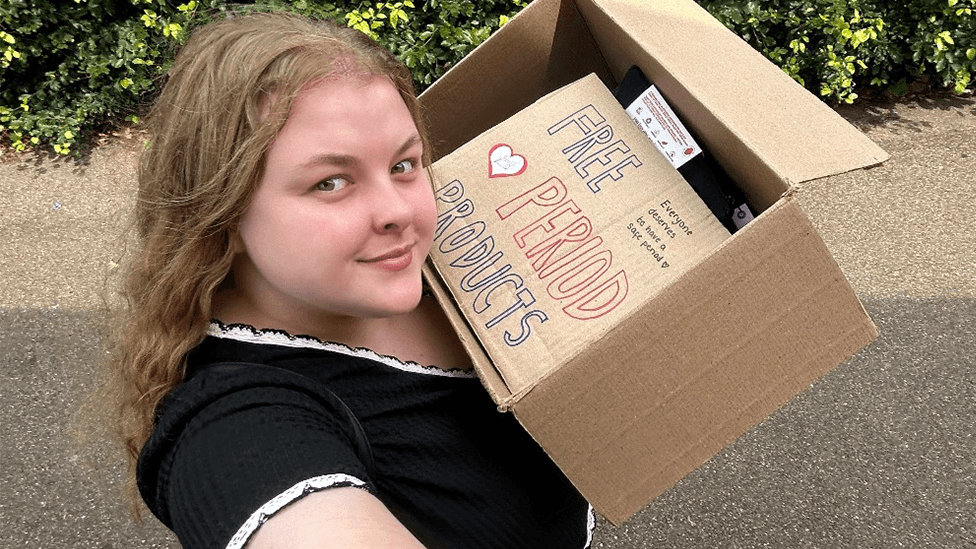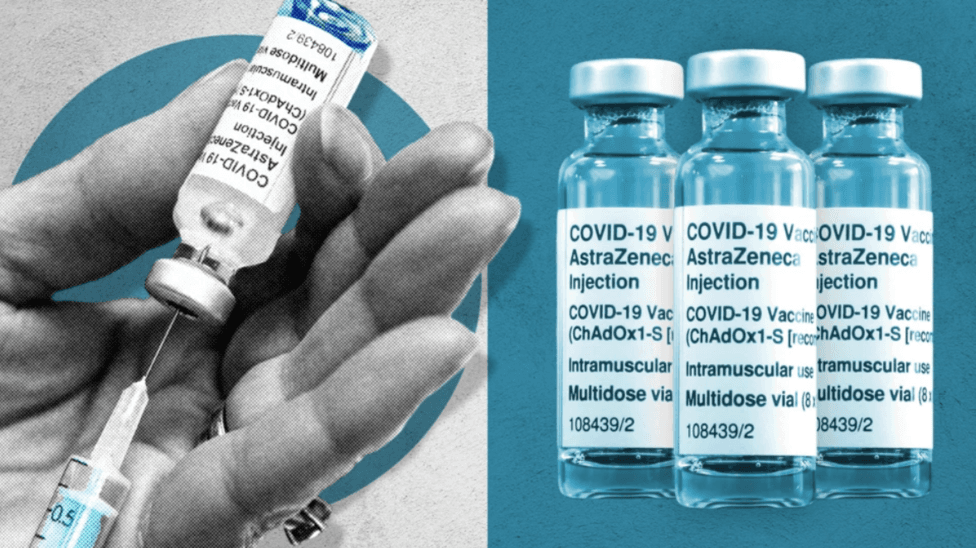
The government has pledged to reform the Vaccine Damage Payment Scheme (VDPS) following sustained criticism from the UK Covid Inquiry and campaigners who argue the current system fails those harmed by vaccines. According to BBC News, more than 24,000 Covid vaccine-related claims have been submitted to the scheme, yet fewer than 1% have resulted in the one-off tax-free award of £120,000.
The commitment to review the scheme represents a significant acknowledgement that the current framework is inadequate, though campaigners have expressed frustration that the government has not yet outlined specific reforms or timelines for implementation.
What prompted the government's commitment?
Baroness Hallett, chair of the UK Covid Inquiry, called for urgent reform of the VDPS in her fourth report on the pandemic response. She highlighted that while vaccine injury and bereavement affected a minority of those vaccinated, the support available to them required immediate and substantial change. The Inquiry's assessment concluded that the scheme is "not sufficiently supportive" of those who have experienced harm.
The current system requires claimants to demonstrate they have suffered at least "60% disability" to qualify for compensation—a threshold the Inquiry found does not work effectively for Covid vaccine injuries. The government's formal response on 16 October 2026 acknowledged these concerns and committed to reviewing the scheme to ensure it is "fit for purpose and delivered effectively."
What specific reforms has the Inquiry recommended?
The UK Covid Inquiry has proposed several concrete measures to improve the scheme. These include raising the £120,000 payment at least in line with inflation and indexing it annually thereafter, introducing payment levels based on the severity of injury, and making transitional arrangements to ensure fairness between applicants under the old and revised schemes. These recommendations address longstanding concerns that the fixed payment has not kept pace with the cost of living and that the scheme fails to differentiate between varying degrees of harm.
Why are campaigners dissatisfied with the government's response?
Vaccine Injured and Bereaved UK, a leading campaign group representing those harmed by Covid vaccines, has welcomed the government's recognition that vaccine injury is real and that the VDPS requires reform. However, the group has expressed disappointment that the commitment falls short of a concrete action plan.
After more than five years of campaigning, and with the Covid-19 Inquiry explicitly calling for reform as soon as possible, we had hoped the Government would finally come forward with a clear commitment to action, not simply say it would look further at what needs to be done. We understand that work may be needed to develop the reforms, but there is a real difference between saying you will look at something and committing to deliver it. Today, we have no clear timetable, no certainty about what will change and no assurance about when families will finally see meaningful progress.
The group's statement underscores the frustration of those affected by the lengthy campaign for change and the absence of a defined deadline for the government's review process.
How much has the scheme cost to administer?
The financial efficiency of the VDPS has become a major point of contention. Since April 2022, the scheme has cost £83 million to run, with administration and medical assessment expenses far exceeding the compensation paid to claimants. Through June 2026, only £31.6 million has been paid in support to victims, meaning administrative costs have consumed more than double the amount distributed as compensation.
The cost of medical assessments has risen sharply over this period. In 2022/23, assessment costs totalled £4.3 million, but by 2025/26 this had increased to £19.3 million—a figure that reflects the complexity of evaluating vaccine-related injuries and the resources required to process the high volume of claims. The government has acknowledged concerns about these running costs and has stated it will ensure the scheme operates efficiently.
What is the broader context of vaccine safety?
The benefits of Covid vaccination remain well documented globally. The AstraZeneca Covid vaccine is credited with saving millions of lives worldwide, and the UK Covid Inquiry hailed the vaccine rollout as an extraordinary achievement, saving over 475,000 lives. However, the Inquiry has also recognised that a minority of people have experienced adverse effects and that their needs have not been adequately addressed by existing support mechanisms.
The government has committed to working closely with the devolved nations of the UK, as well as with those injured by Covid vaccines and their families, to develop appropriate reforms. However, the government's response does not specify a deadline for completing the VDPS review, leaving uncertainty about when changes will be implemented.
What happens next?
The government has indicated that it will track implementation of its commitments through the UK Covid-19 Inquiry implementation dashboard. However, without a specified timeline for the VDPS review, campaigners and affected families remain uncertain about when meaningful reforms will materialise. The absence of a clear deadline has intensified calls for the government to move swiftly on a matter that has been the subject of sustained advocacy for more than five years.