

England is on course to become one of the first countries in the world to eliminate hepatitis C, according to new figures from NHS England. The health service has already surpassed its target of treating 80% of known cases, while deaths linked to the liver-damaging virus have fallen by 36% over the past decade, leaving the country just short of the reduction needed to hit the World Health Organization's 2030 elimination goal.
Hepatitis C is transmitted through contact with infected blood, most commonly through sharing needles, and donor blood supplies are already routinely screened for the virus. Because it is often a silent disease with few early symptoms, many people remain unaware they are infected until significant liver damage has already occurred. A course of antiviral tablets taken over 8 to 12 weeks can cure more than 95% of cases, and NHS England says initiatives such as A&E blood testing, GP registration checks and free at-home testing kits have been instrumental in identifying people who did not know they were carrying the virus.
How has the treatment programme progressed since 2015?
Since 2015, more than 100,000 people in England have been diagnosed and treated for hepatitis C, a scale-up that NHS England and the Hepatitis C Trust say happened rapidly, with the programme already surpassing 70,000 treated patients by early 2024 before reaching the 100,000 milestone the following year, according to Hepatitis C Trust roundtable materials. NHS England attributes the sustained decline in chronic infections largely to expanded testing combined with direct-acting antiviral treatment, noting that mortality from the virus is now at its lowest level in almost a decade, according to a government announcement on genome sequencing services.
What do the latest figures reveal?
Government data for 2024 show a sharp fall in chronic infection among one of the groups most affected by the virus: the proportion of people who inject drugs living with chronic hepatitis C dropped to 5.2% in 2024, down from 28.6% in 2015, according to figures published on the government's hepatitis C infection data page. Separate UKHSA data for the same period show 81.5% of people diagnosed between 2015 and 2024 went on to start treatment, meeting the WHO's treatment-initiation benchmark, according to the UKHSA hepatitis C in England 2025 report. The Hepatitis C Trust has said the 2024 figures represent a 61.1% reduction in chronic cases since 2015, according to the Hepatitis C Trust's response to the new data.
Around 50,200 adults in England were estimated to be living with hepatitis C in 2024, with roughly 84.6% of those cases diagnosed — just short of the 90% diagnosis target set for the elimination effort. A separate goal of cutting hepatitis C-related deaths by 65% compared with 2015 levels has not yet been reached, though officials believe it could still be achieved before the 2030 deadline. The Hepatitis C Trust has described the country as being "on the cusp" of one of the most significant public health achievements in its history.

What has the NHS said about the progress?
Prof Frankie Swords, NHS national medical director, credited the scale of the effort while stressing that work is not finished.
England is now leading the world in the mission to eliminate this disease and on course to beat the WHO's 2030 target, but we are determined to keep up the momentum and finish the job.
We are committed to finding and treating everyone who needs support and would urge those at greater risk to come forward by ordering a free and confidential home-testing kit online.
Adults born in Ukraine, Romania, Estonia, Latvia, Poland, Albania, Lithuania, Bulgaria, Czechia or Slovakia are being particularly encouraged to get tested, as some may have contracted the virus through medical or dental procedures carried out before 1991. Free, confidential NHS home self-testing kits can be ordered online without needing to consult a GP first.
What has treatment meant for patients?
Paul Eatwell, 65, from Blackburn, Lancashire, is among the more than 100,000 people in England who have been treated for hepatitis C since 2015. He was diagnosed after a routine blood test.
My first reaction was disbelief. I remember saying: 'Are you sure? Surely there's been some mistake.'
I didn't feel ill. I kept wondering how I could possibly have caught it.
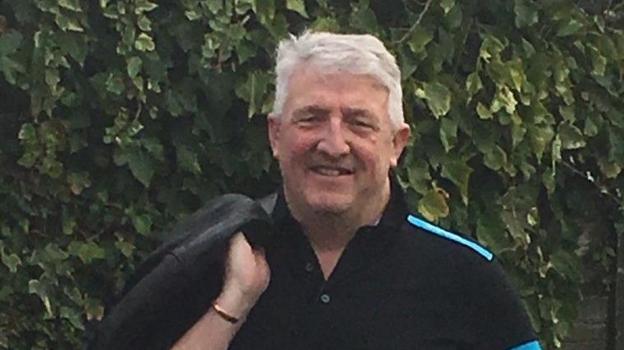
Eatwell said the medical support he received made a substantial difference to his recovery. Although the exact source of his infection has not been confirmed, it has been suggested that surgery he underwent in South Africa decades ago may have been responsible.
What happens next?
NHS England says the focus now is on closing the remaining gaps: raising the proportion of diagnosed cases toward the 90% target and pushing mortality reductions past the 65% mark needed to meet the WHO's 2030 elimination deadline. Continued expansion of testing schemes, including A&E screening, GP registration checks and free home-testing kits, is expected to remain central to reaching those goals in the coming years.
Key Facts
- England has already met its target of treating 80% of known hepatitis C cases.
- Hepatitis C deaths have fallen 36% over the past decade, just below the level needed for the WHO's 2030 target.
- More than 100,000 people have been diagnosed and treated in England since 2015.
- Chronic infection among people who inject drugs fell from 28.6% in 2015 to 5.2% in 2024.
- Around 50,200 adults in England were living with hepatitis C in 2024, with 84.6% of cases diagnosed.


