
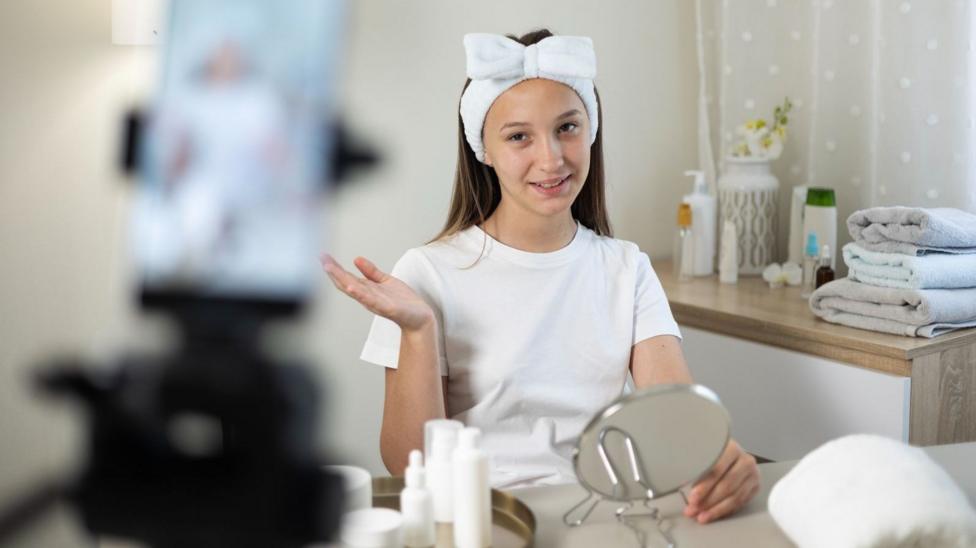
More than 80% of teenagers aged 13 to 18 experience acne during their adolescent years, yet many are adopting unnecessarily complex skincare regimens influenced by social media influencers rather than medical professionals. Consultant dermatologist Dr Jonathan Kentley warns that the pressure to achieve "flawless complexions" and elaborate "glass skin" routines is creating unrealistic expectations among young people, with many prioritising advice from Get Ready With Me (GRWM) videos over evidence-based guidance.
Why 'glass skin' is not a realistic goal
Dr Kentley has treated thousands of patients throughout his career and remains sceptical about the achievability of the aesthetic ideals promoted online.
I've seen thousands of patients and I've never seen anyone with 'glass skin'. I don't think it exists, and it's just these over-filtered images that make children think that this is achievable when it's not.He emphasises that visible pores, blackheads, blemishes, pigmentation, redness and scarring are entirely normal features of teenage skin, and that
everyone's normal is different: I don't think there's anything that is really abnormal.
The most damaging influence of social media, according to Dr Kentley, is the
relentless images of unrealistic beauty standardsthat create psychological pressure on young people to pursue unattainable skin conditions.
What causes teenage acne?
Consultant dermatologist Dr Zainab Laftah explains that most skin changes during puberty stem from hormonal shifts. Testosterone drives increased oil production and acne development in both sexes, though boys typically experience more pronounced symptoms due to higher androgen levels.
This, together with blocked hair follicles and inflammation, leads to blackheads, whiteheads and inflamed spots. Acne is very, very common and it's normal and treatable.
When acne does occur, salicylic acid—a common active ingredient that penetrates oil-filled pores to clear sebum and dead skin cell buildup—can be particularly effective. However, Dr Laftah cautions that excessive use may cause dryness and irritation, and warns that
unnecessary or excessive use may cause dryness and irritation.
Is your skincare routine making things worse?
Many teenagers are adopting multi-step routines with numerous serums, toners, masks and active ingredients, believing that more products equal better results. This approach often backfires. Dr Kentley has observed an exponential rise in perioral dermatitis among teenagers—a condition linked to overuse of skin-barrier-stripping ingredients such as exfoliating hydroxy acids and retinoids. Dr Laftah reinforces this concern:
Teens are increasingly adopting adult-style routines with numerous serums, toners, masks and actives. These actives are likely to result in skin barrier compromise and lead to more skin issues.
The developing skin barrier in adolescents is particularly vulnerable to damage from aggressive treatments, making simplicity the most effective approach.

What is the recommended basic routine?
Dermatologists agree that teenagers need only three essential products: a gentle cleanser, a fragrance-free moisturiser, and a broad-spectrum sunscreen of SPF 30 or higher. According to Royal Children's Hospital guidance, most teens do not need serums or scrubs unless a doctor specifically recommends them. The American Academy of Dermatology reinforces this framework, advising that acne-fighting ingredients like salicylic acid or benzoyl peroxide should be added only when needed and under appropriate guidance.
For sun protection, Royal Children's Hospital guidance recommends SPF 50 or higher on days when UV levels reach 3 or above, typically from late spring through summer in temperate climates.
How do lifestyle factors affect teenage skin?
Beyond topical treatments, sleep and diet play significant roles in skin health. Elevated cortisol levels resulting from poor sleep and high-sugar, high-refined-carbohydrate diets have been linked to acne breakouts. Dr Laftah emphasises the importance of rest:
We know that a lack of sleep increases cortisol levels, which is a stress hormone that can lead to acne breakouts.Dr Kentley adds that diets high in white rice, pasta, refined sugars and whey protein found in protein shakes have all been associated with acne flare-ups in research studies. He notes, however, that
everyone's skin is individual and that some people may find that other things flare up their skin.
What should you do if you have a spot?
Picking or squeezing spots increases inflammation and pushes bacteria deeper into the skin, risking permanent scarring and discolouration. Dr Laftah recommends hydrocolloid pimple patches as an effective social media hack:
They work by absorbing fluid from superficial spots while creating a protective barrier that discourages picking.These patches offer both practical benefit and psychological reassurance by preventing the urge to manipulate blemishes.
When should you see a doctor?
For persistent, painful cystic acne or acne causing scarring, professional medical intervention is essential. According to Providence healthcare guidance, teens who have not improved after at least two months of over-the-counter treatment, or who have deep cystic or nodular acne, should be evaluated by a doctor. Treatment timelines matter: Cleveland Clinic notes that teens may need to use acne treatments regularly for about three months to see the best effect. For severe or scarring acne, dermatologists may recommend prescription-grade treatments including topical retinoids, topical antibiotics, oral doxycycline, or in the most severe cases, oral isotretinoin.
Special considerations for boys
Although androgens are present in both sexes, they are more prevalent in boys, leading to oilier skin and potentially more spots. Additionally, shaving introduces a separate set of challenges. Dr Kentley explains:
If you're not shaving properly you can develop quite a lot of folliculitis which is a bit of a crossover from acne. So you can cause quite a lot of damage to the skin barrier, a lot of inflammation.
To minimise shaving-related irritation, Dr Kentley recommends the following approach: shave after showering when the skin is hot and steamed, use a shaving brush to lift hairs away from the skin, apply a lubricating product such as shaving foam or shower gel, and always shave in the direction of hair growth rather than against it.
Key takeaways for teenage skincare
- A simple three-product routine—cleanser, moisturiser and sunscreen—is sufficient for most teenagers and more effective than complex multi-step regimens
- Acne affects over 80% of teenagers and is a normal, treatable condition; "glass skin" and flawless complexions promoted on social media are filtered illusions, not achievable goals
- Sleep, balanced diet and avoiding picking or squeezing spots are as important as topical treatments in managing teenage skin
- Teens showing no improvement after two months of over-the-counter treatment, or those with severe cystic acne, should consult a GP or dermatologist rather than relying on social media advice
- For boys, proper shaving technique—using lubricant, a brush, and shaving in the direction of hair growth—prevents folliculitis and skin barrier damage
The evidence is clear: teenage skin thrives on simplicity, consistency and patience rather than the elaborate routines promoted by influencers. When in doubt, consulting a healthcare professional remains the safest path to healthy skin during adolescence.