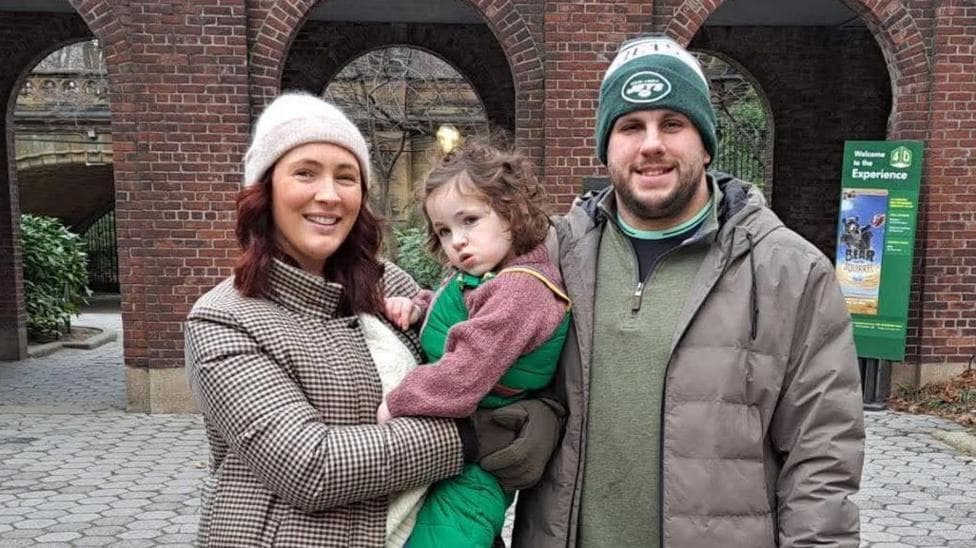
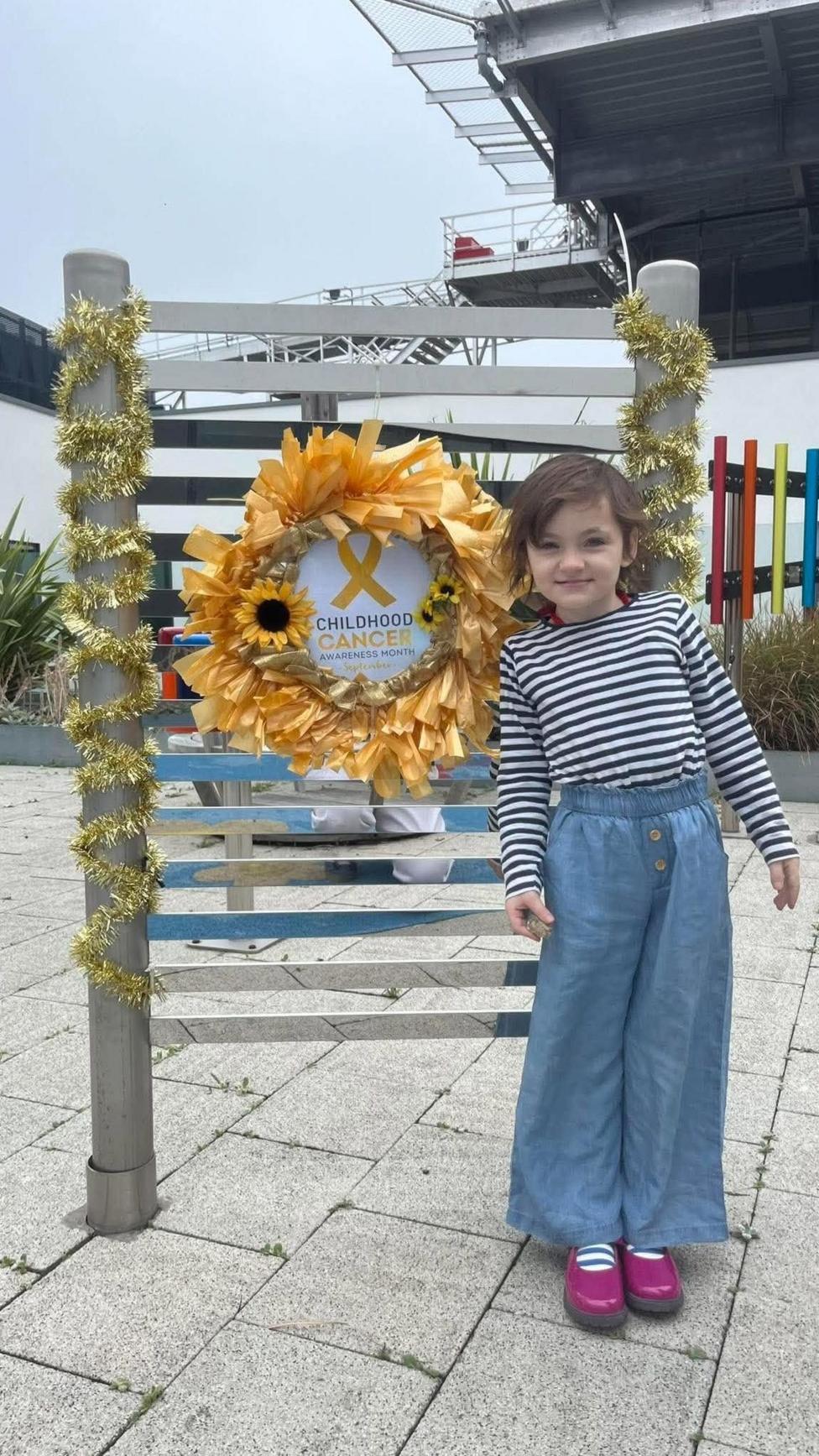
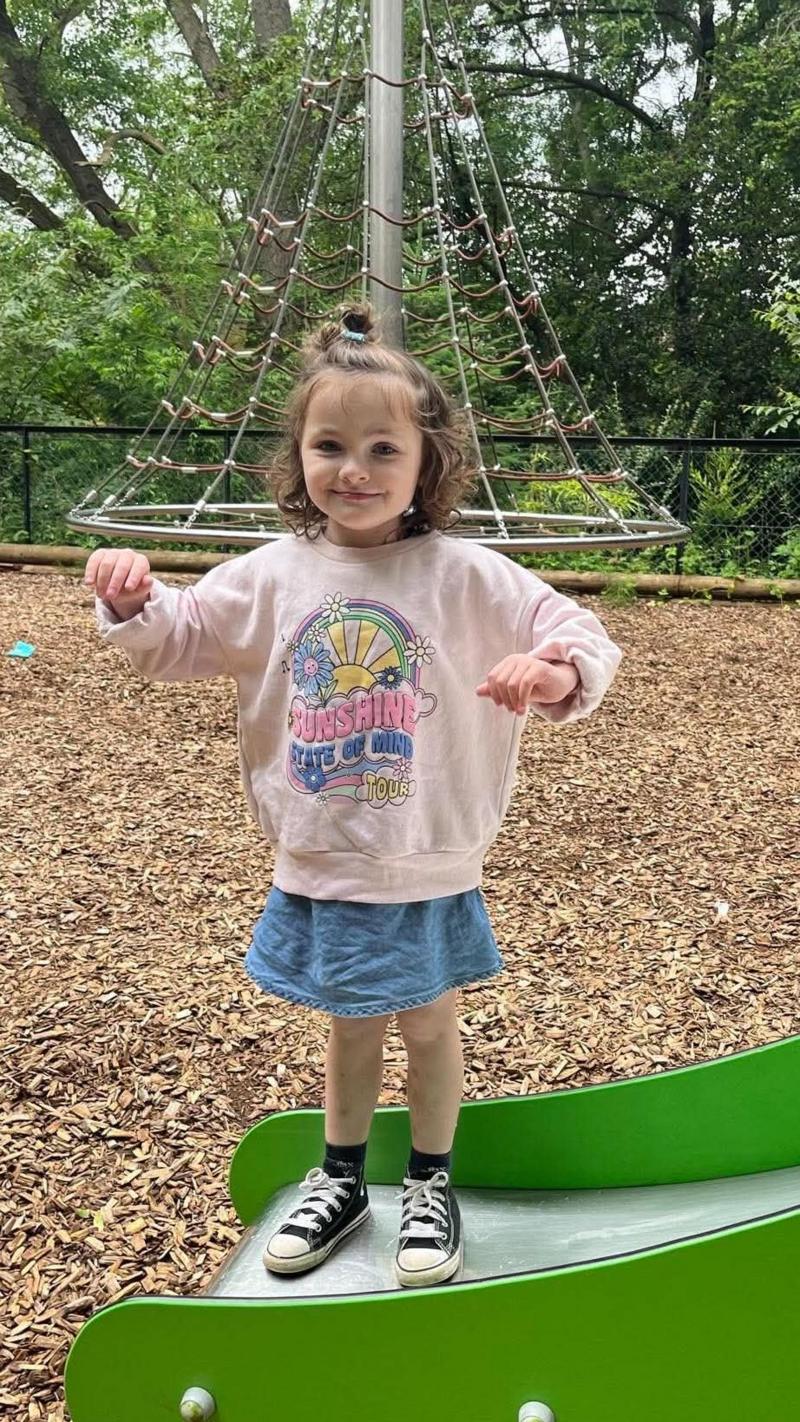
Stephanie Kent and Jamie Gentleman watched their six-year-old daughter Flora suffer in the final days of her life, unable to communicate her distress because she was autistic and non-verbal. According to BBC News, the family has raised a formal complaint about the care Flora received at Edinburgh's Royal Hospital for Children and Young People, where disagreements between medical teams escalated into heated arguments at her bedside while she lay in visible pain.
Flora had battled neuroblastoma, an aggressive form of cancer, for four years before stopping responding to treatment. By December 2024, she was receiving palliative care at the hospital. Despite receiving the maximum possible dose of pain medication, Stephanie observed her daughter "gasping and wincing in pain". The situation deteriorated when the oncology team and palliative care team became locked in disagreement over the best approach to managing her symptoms.
What happened during the medical disagreement?
The oncology team believed sedation was the most compassionate option, while the palliative care team wanted to allow the current pain relief medication more time to work. This professional disagreement unfolded in front of Flora and her parents, with Stephanie describing the conversation as deeply insensitive. She recalled one member of the palliative care team stating that "Flora is on such a high dose of pain relief that it would knock an elephant out" and that the medication would "chill her out"—comments the health board later acknowledged were inappropriate.
Stephanie said the level of unprofessionalism was shocking.
"It was barbaric. It felt like we were going in circles, right next to Flora's bed. The level of unprofessionalism was diabolical."The medical staff eventually left the room to continue their discussion, forcing Stephanie to leave Flora's bedside for 45 minutes to participate in the conversation about her daughter's care.
"Anything could have happened in that time,"Stephanie said.
"She was only six years old, lying there in pain all she wanted was her mum and dad."
How did Flora's condition change after the argument?
Following the heated exchange, the lead oncologist took over Flora's care. Within 24 hours, Stephanie observed a dramatic shift—Flora became peaceful and was able to sleep. She died two days later. The family's experience prompted them to lodge a complaint with NHS Lothian, which the health board upheld on multiple grounds.
In its official response, NHS Lothian acknowledged that Flora's family had been excluded from decision-making and had experienced distress caused by visible divisions between clinical teams. The health board also recognised that holding the meeting at Flora's bedside was inappropriate and that comments made by one staff member were perceived as insensitive. The staff member in question did not recall making the remark about pain relief dosage but acknowledged that if they had, it would have been unprofessional. Regarding the second comment, they stated it was never intended to cause offence.
What systemic issues did the investigation reveal?
NHS Lothian identified eight major learning outcomes from its review of Flora's care. These include the necessity for better coordination between medical teams, greater awareness of how Flora's neurodiversity affected her care, and recognition that staff communication caused distress to the family. Stephanie views these findings as a starting point but believes broader improvements are needed across Scotland's end-of-life care for children, including the establishment of dedicated wards for children's palliative care.
The scale of the challenge is significant: according to Public Health Scotland, over 70% of children and young people with serious health conditions or receiving palliative care in Scotland die in hospital settings rather than in hospices or at home.
Are other families raising similar concerns?
Flora's case is not isolated. BBC News spoke with multiple families who have raised concerns about palliative care at the same hospital. Jamie Walker's 17-year-old daughter Sophie died in the Lochranza Ward on 6 July 2024. The family submitted a complaint in January 2026, but NHS Lothian initially said it would investigate and respond within two weeks. However, 11 days later, the family received a letter stating they had been given multiple opportunities to complain within the relevant timeframe, and the complaint was closed without investigation.

Jamie described the impact of this dismissal.
"It is so hard. You are sitting there and reliving the worst thing that has ever happened to you, word by word. It feels like they are not taking the concerns of parents seriously."The family has now referred the matter to the Scottish Public Services Ombudsman (SPSO), which is investigating. A separate investigation by the Scottish Fatalities Investigation Unit into Sophie's death is also underway.
Another family, that of Steph Kemlo, whose daughter Faith died in the Lochranza Ward in September 2025, found the complaints process "incredibly difficult" because "everything is still so raw." BBC News understands there are at least two additional families with concerns about palliative care at the hospital who do not yet feel ready to speak publicly about their experiences.
How are complaints being handled?
The SPSO acknowledged that it could not comment on individual cases but confirmed that a "significant and sustained" increase in demand has caused delays in allocating some complaints to reviewers. A spokesperson stated:
"We continue to prioritise people who are vulnerable, complaints that are urgent or where there is a significant public interest."
According to NHS Lothian's January 2026 internal audit, 13 of 15 reviewed Stage 1 complaints were resolved satisfactorily and promptly, though the health board noted that the effectiveness of measures recommended after an SPSO investigation had yet to be evaluated. NHS Lothian's complaints guidance indicates that complainants can request the Scottish Public Services Ombudsman to review a complaint after the health board has completed its investigation, a step the Walker family has now taken.
What are experts calling for?
Rami Okasha, chief executive of Children's Hospices Across Scotland (Chas), emphasised the urgency of reform.
"Children who need to be in hospital at the end of life should get the same compassionate gentle care as if they were in one of Chas's hospices. It's so important because you've got one chance to get this right for these families."He stressed that there is "a lot of work that needs to be done" to create a suitable environment for end-of-life care in children's hospitals.
NHS Lothian issued a statement expressing deep condolences to the families of both Flora and Sophie and apologising for any additional distress they experienced. The health board reiterated that its complaints process involves "thorough and robust" investigations with clinical teams and that families are kept informed when responses cannot be provided within given timeframes.
Health Secretary Angela Constance said the Scottish government is providing support to NHS boards and Chas in developing a new service plan to ensure children and families receive appropriate palliative care.
Key Facts
- Flora Gentleman, six, died in December 2024 after four years living with neuroblastoma; she was autistic and non-verbal and could not communicate her distress
- NHS Lothian upheld the family's complaint, acknowledging that medical teams' visible divisions caused distress and that comments made by staff were insensitive
- Multiple families have raised concerns about palliative care at Edinburgh's Royal Hospital for Children and Young People, with some complaints dismissed or delayed
- Over 70% of children and young people receiving palliative care in Scotland die in hospital settings rather than hospices or at home
- The Scottish Public Services Ombudsman is investigating at least one complaint and has acknowledged delays in allocating cases due to increased demand