Research Project to Protect Ash Trees from Invasive Sawfly
Traps have been deployed as part of a research initiative aimed at safeguarding native ash trees from an invasive insect species capable of defoliating the trees.
The ash sawfly larvae feed on the leaves of ash trees primarily between May and June.
Scientists will conduct a three-year study to identify the most effective and environmentally sustainable methods to manage this pest.
While healthy ash trees can typically recover from defoliation, their growth is adversely affected. Trees already weakened by ash dieback, a fungal disease, may face fatal consequences if infested.
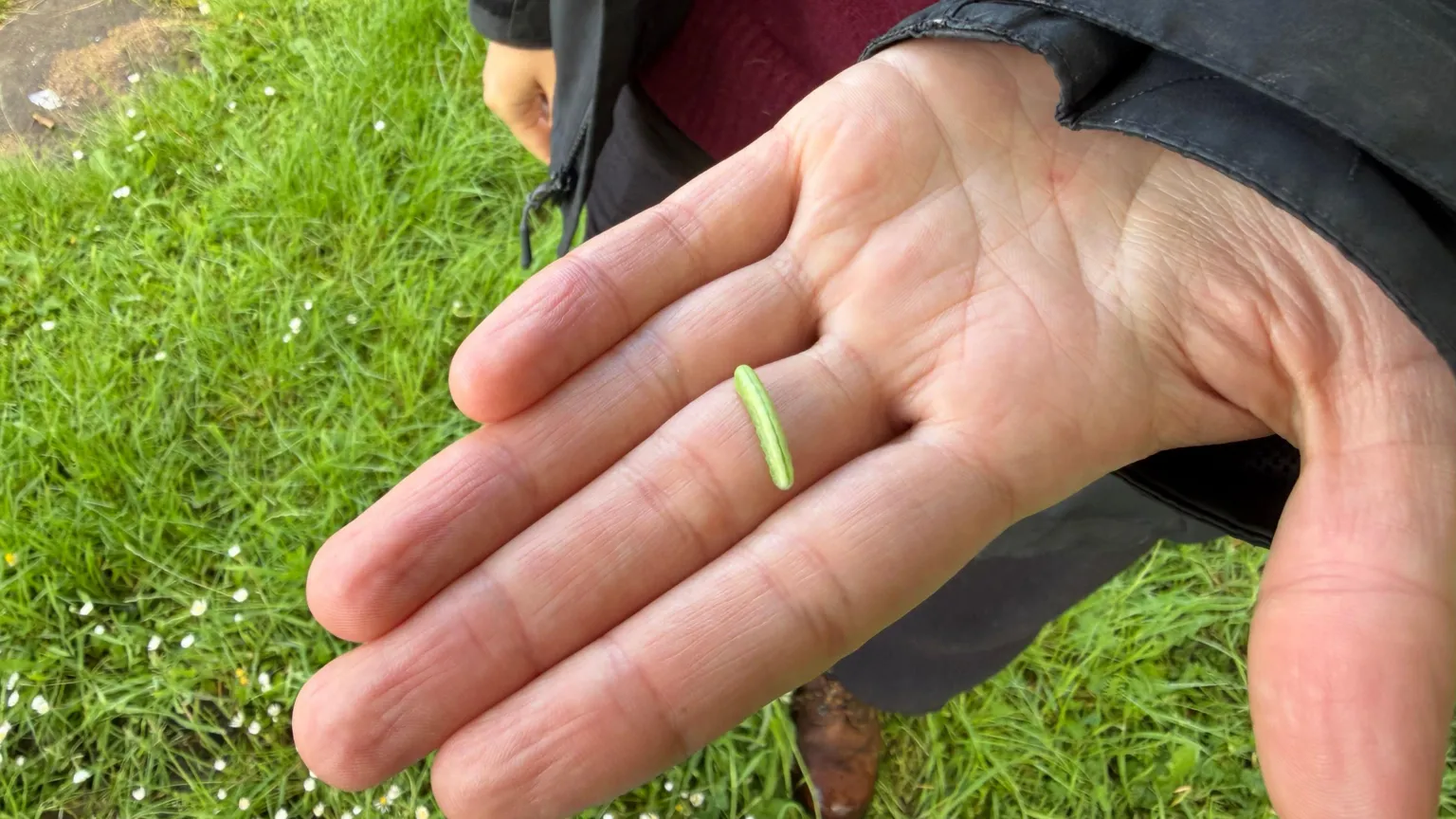
What are ash sawfly larvae?
Dr Florentine Spaans from the Agri-Food and Biosciences Institute (AFBI) described the larvae as a "defoliating pest," meaning it strips leaves from trees.
The insect is believed to have arrived in Northern Ireland in 2016 from mainland Europe and poses no harm to humans.
"The adults actually appear in late April, maybe early May, and come out of the ground and lay their eggs on the leaves," Spaans explained.
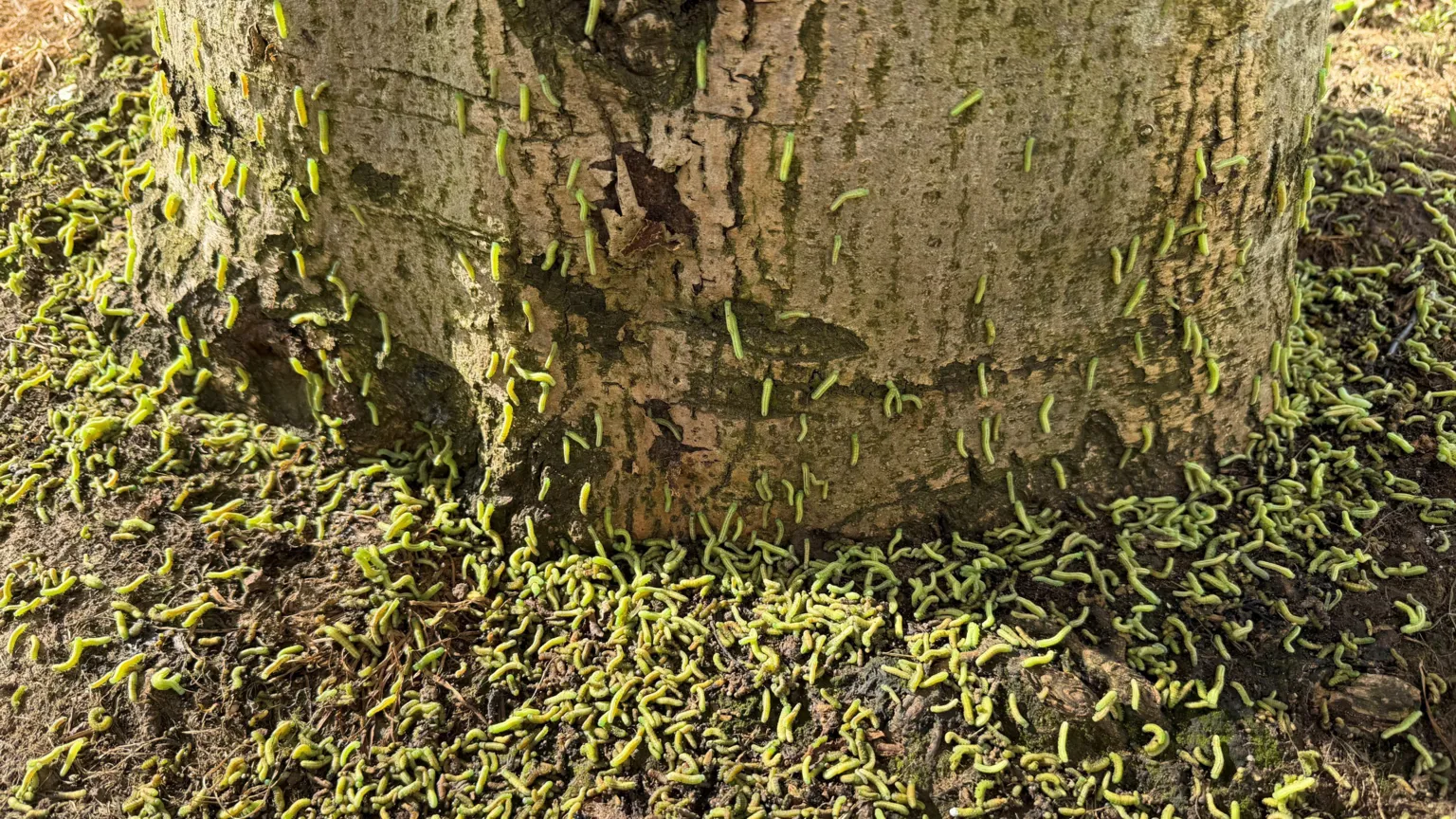
As the larvae develop and consume the leaves, they drop to the ground and attempt to climb back up the tree if they require additional feeding.
On the ground, the larvae pupate, transforming into pupae before emerging as adult sawflies.
The research aims to prevent larvae from climbing back up tree trunks and subsequently falling to pupate, thereby interrupting the sawfly’s life cycle.
Impact of Ash Sawfly on Trees
Spaans noted that the insects "can completely strip the leaves from the tree every year."
"So this actually has an impact on the tree because it needs to re-flush its leaves and it causes it to expend a lot of energy, which leaves it more susceptible to other pests and diseases.
"If this happens every year, the growth of the tree is slowed down and it can have a potentially serious impact in the long term."
Ash trees have also been affected by ash dieback disease, believed to have been introduced via imported saplings and first detected in November 2012.
An infestation of sawfly larvae can be fatal to trees already suffering from ash dieback.
Details of the Research Project
Traps have been installed on trees in the Belvoir forest area of Belfast as part of the project.

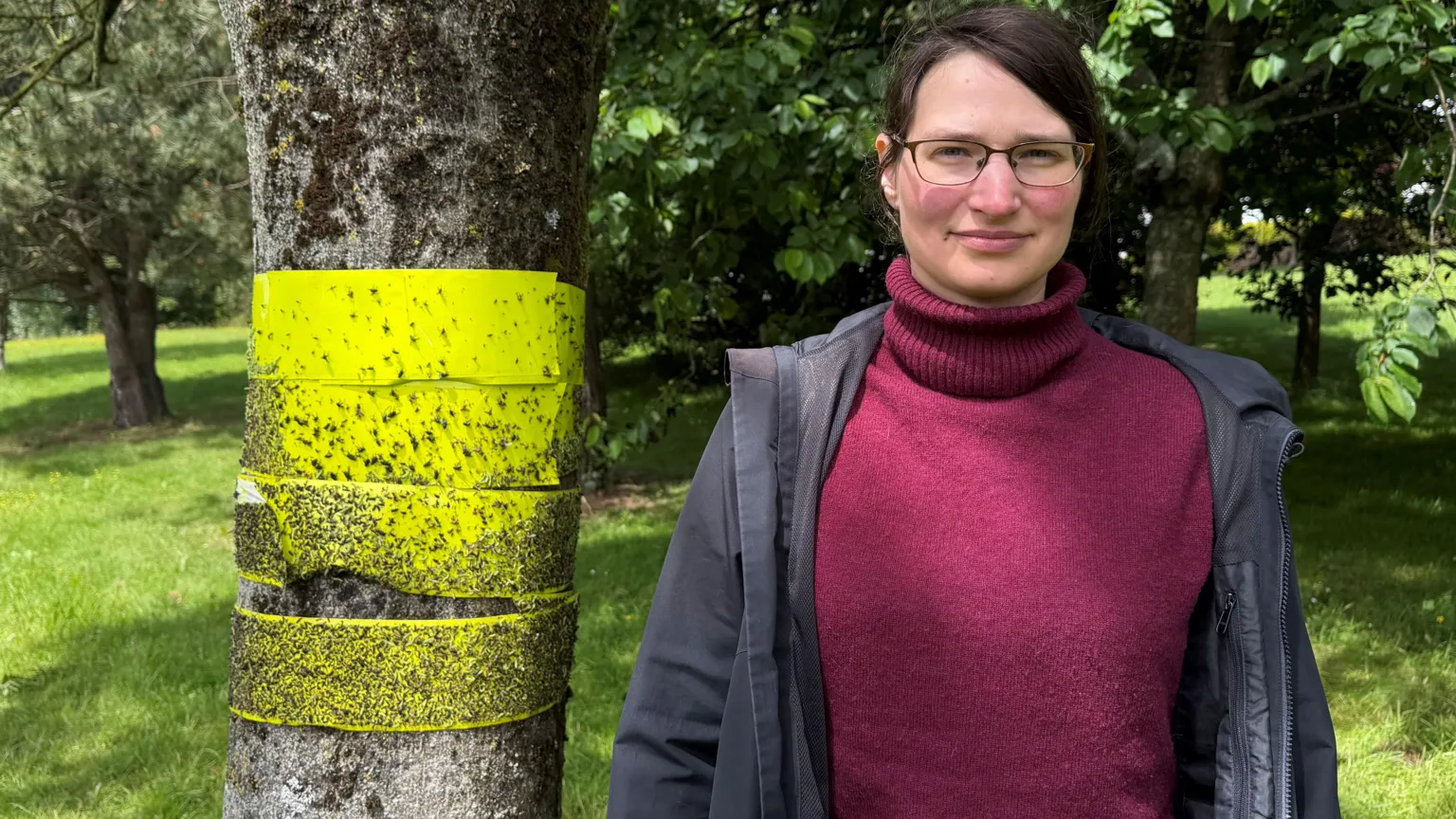
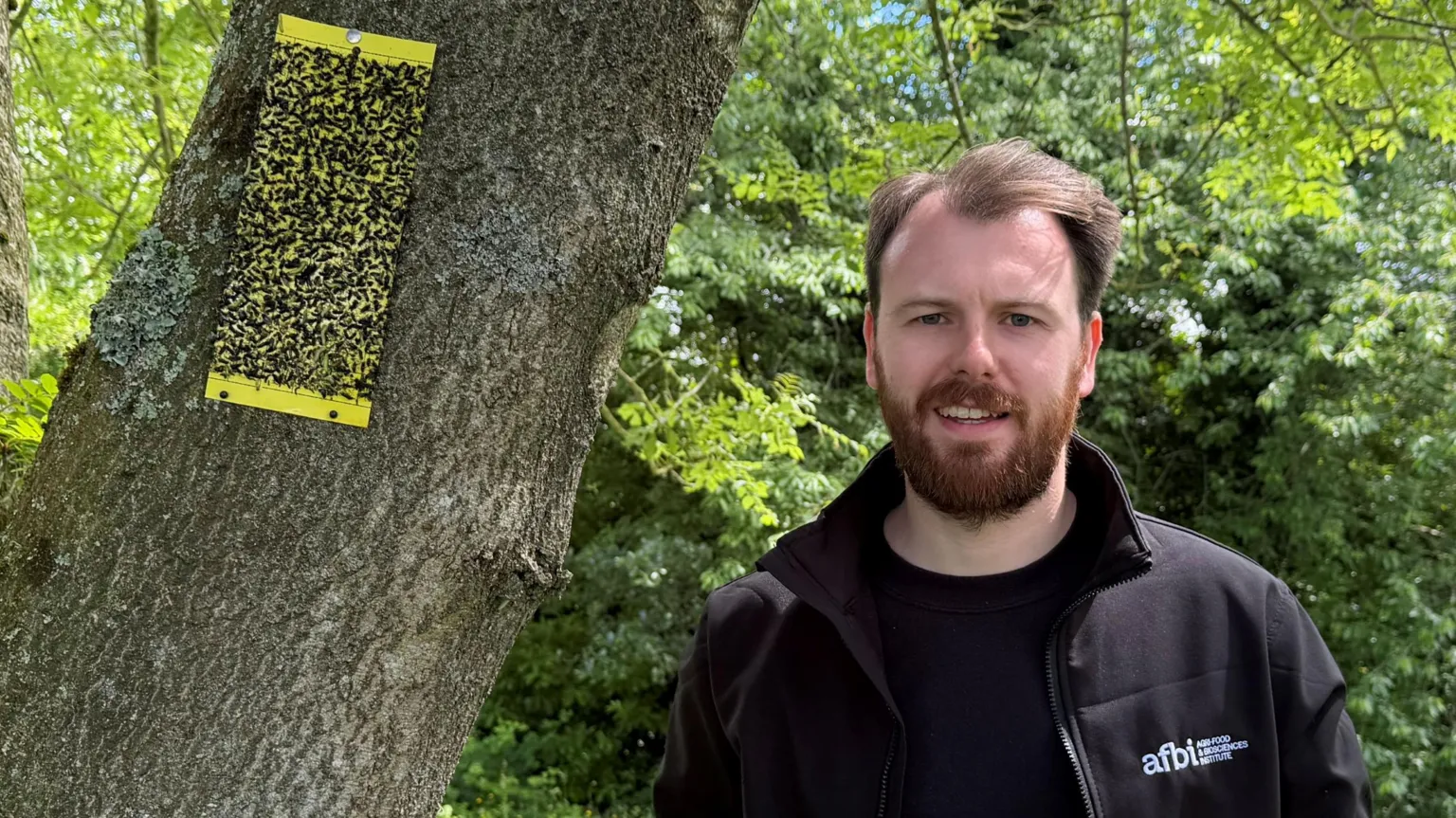
Dr Ryan Weir from AFBI explained that a banded sticky trap, which is a "nice yellow colour," helps attract adult sawflies during their flight.
"They'll be stuck here to control their population.
"We're looking at novel control methods for the ash sawfly but the project as a whole is looking at the leaves, the volatile compounds released from the leaves of ash trees, and it's all being tied into a much bigger narrative about some of the regulated pests on the EU lists."
Weir added that this type of trap primarily affects the following year’s sawfly population.
"These guys won't fall into the soil now and they won't pupate so that's a big chunk of the population that won't be emerging as flies next year."
Other traps include ground cover traps that use mesh surrounding the trunk and extending into the foliage to capture sawflies as they emerge from the soil the following year.
Geographical Spread and Local Impact
Since their arrival in 2016, the invasive sawflies have spread throughout the greater Belfast area and Lisburn.
An earlier AFBI study conducted between 2019 and 2021 found that 90% of trees surveyed along the Lagan Towpath in Belfast exhibited signs of ash sawfly damage.
The ash trees in Twinbrook, west Belfast, have also been affected.
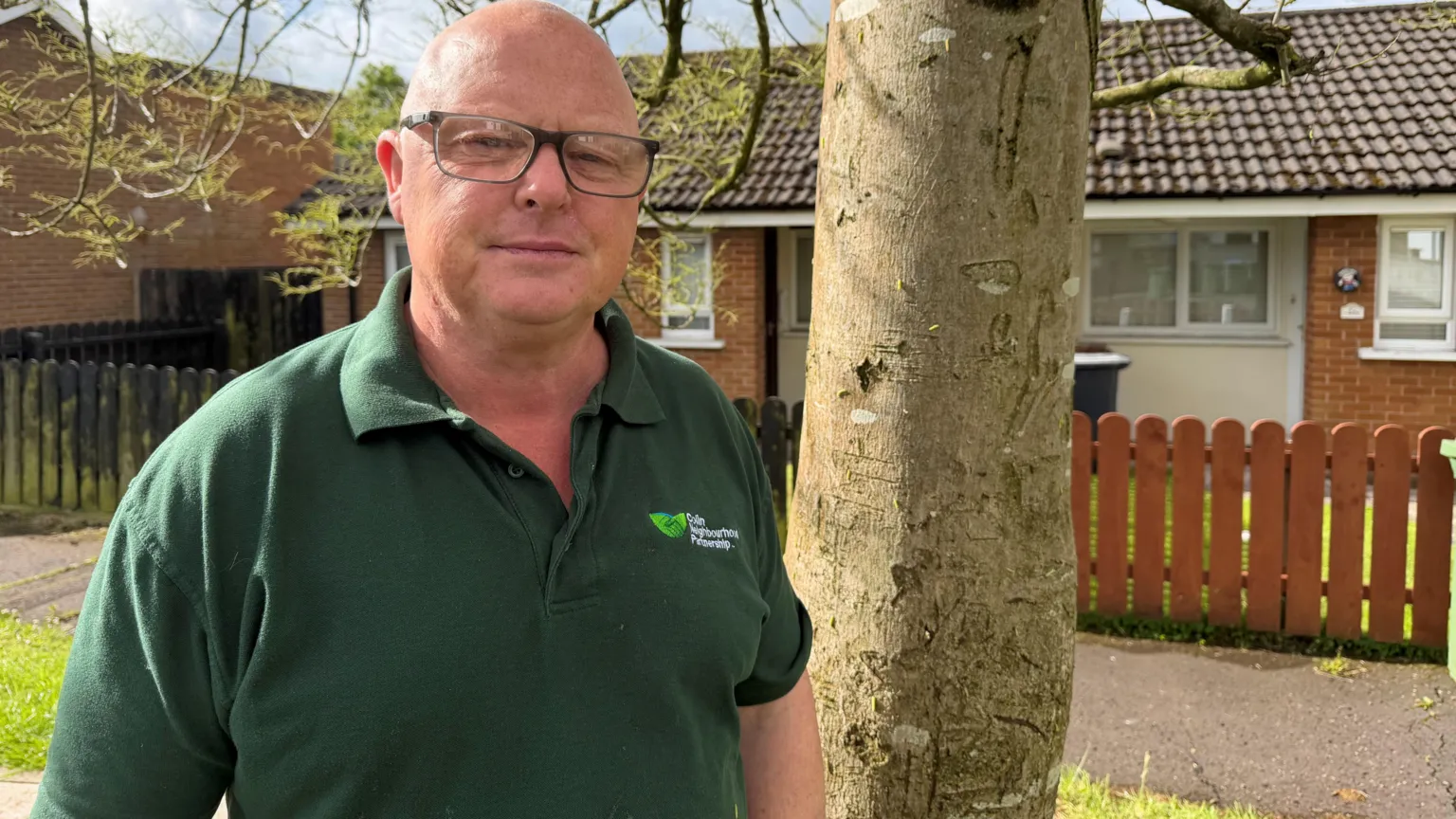
Local resident Michael McCrory described the sawflies as a "bit of a nuisance."
"People are getting them caught in their clothes and in their hair and they're being walked into the house.
"I have noticed a big change this year the starlings and the wood pigeons are starting to get a taste for them and they are taking quite a few but there's so many of them it's just not enough."
"Last year there was kids running about screaming and yelling because they didn't know what they were. They thought they were going to be bitten but they're totally harmless," McCrory said.
Belfast City Council acknowledged awareness of ash sawfly activity.
"At present, the council does not operate a targeted treatment programme for ash sawfly and is not actively treating infestations.
However, we continue to monitor the issue and follow experts' advice as part of our broader tree management responsibilities."
Positive Developments for Ash Tree Resilience
Despite the challenges, there is some optimism regarding the future of ash trees.
Spaans noted ongoing projects focused on breeding ash tree varieties resistant to pests and diseases.
"There are projects underway that look at breeding resistant varieties of ash trees.
"The good news is that they're self-seeding, so they have a lot of genetic variation naturally, so I think they'll be able to cope with some of these challenges in the long term."
Weir added that through a partnership in the Republic of Ireland, which is developing ash trees resistant to ash dieback, AFBI is testing these new breeds in laboratory conditions against the sawfly.
"A bit of a choice experiment to see if the sawfly will also eat those trees that are resistant to the dieback."