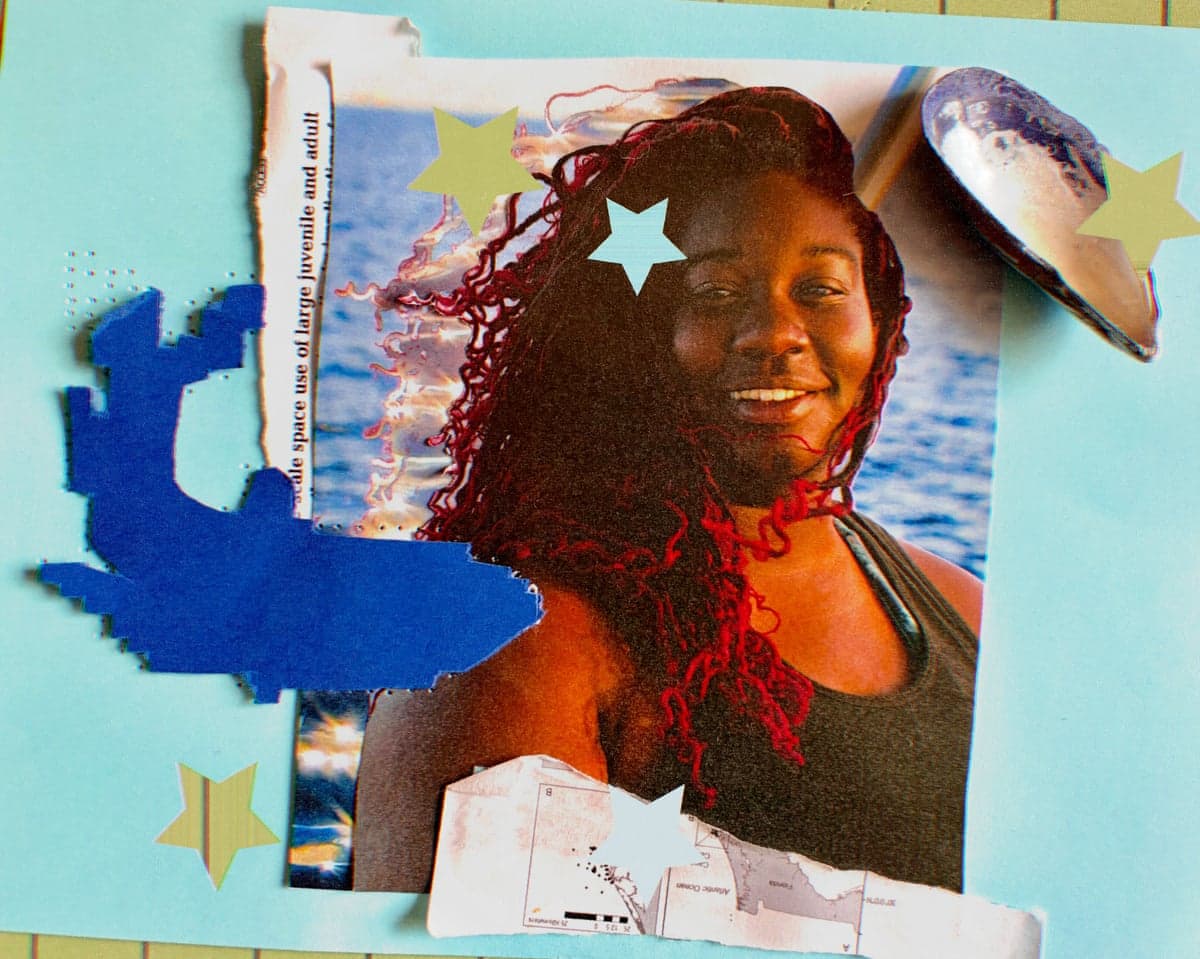
Jasmin Graham, a shark scientist and science communicator based in Sarasota, Florida, has built a career challenging public misconceptions about sharks while balancing a demanding schedule that spans fieldwork, nonprofit leadership, and personal pursuits. As president and CEO of Minorities in Shark Sciences (MISS), an organization she co-founded to increase diversity and access in marine science, Graham exemplifies how modern researchers integrate conservation work with community engagement and personal wellness.
Graham's typical day begins early and moves quickly between professional obligations and the hobbies that sustain her. Here is how one recent day unfolded in her life.
How does Graham structure her mornings?
Most days Graham wakes around 8am, but on this particular morning she rose at 7am to attend a dental appointment. Before leaving home, she managed to answer emails and took a fundraising call from her car, maximizing the transition time between personal and professional responsibilities.
After the dentist visit, Graham returned home to practice her aerial skills. She trains in aerialist disciplines—lyra (aerial hoop), pole, and silks—the acrobatic arts featured in productions like Cirque du Soleil. She fueled this physical activity with a breakfast of Honey Nut Cheerios before heading to the office.
What does a typical workday involve?
At her office, Graham met with an artist in residence collaborating with her nonprofit on theatrical productions. The artist is helping design props and sets for an immersive theater experience centered on shark mass extinction—a hybrid format combining elements of a mystery game and an escape room designed to educate audiences while engaging them emotionally.
Lunch arrived as a delivered meal—pasta—reflecting the reality that her schedule leaves little room for cooking. After eating, Graham shifted focus to grant writing for grassroots environmental organizations operating in the southeastern United States. She serves as co-chair of the Priorities, Projects, and Campaigns committee for a coalition dedicated to protecting nature while centering justice and equitable access to conservation work.
The afternoon also included preparation for a shark survey scheduled for the following week. Graham's research interests focus on human impacts and environmental disturbances affecting sharks and rays, and these field surveys form a core part of her scientific practice.

What does a shark survey actually entail?
Shark surveys serve multiple research objectives unified by a central mission: understanding local shark populations and evaluating their health and ecological stability. Graham's team targets bonnethead sharks, though they also capture and study stingrays encountered during fieldwork.
Once brought aboard, each animal is measured carefully. The researchers then collect a small fin clip—comparable to trimming a fingernail—which allows them to determine family relationships among individuals in the population. A muscle biopsy follows, enabling scientists to assess the toxin load accumulated in each animal's tissues. Graham's team pays particular attention to brevetoxin, a neurotoxin produced during red tide events (harmful algal blooms that occur frequently in Florida waters) and absorbed by marine organisms.
For bonnethead sharks specifically, the procedure includes a small surgical incision through which researchers insert an acoustic transmitter and then suture the wound closed. These devices track individual shark movements for up to three years after release, providing crucial data on migration patterns, habitat use, and population dynamics. After the procedure, the sharks are returned to the water and swim away to resume their lives while contributing to scientific understanding of their species.
Graham's work with MISS reflects her commitment to elasmobranch ecology and evolution while reshaping shark science through community-building and access. The organization has grown to include more than 400 members across 30 countries, creating a global network of scientists and students working to diversify the field. Additionally, Graham serves as project coordinator for the MarSci-LACE initiative, which actively recruits, supports, and retains minority students pursuing careers in marine science.
How does Graham spend her evenings?
Back home after work, Graham prepared a personal pizza for dinner—a quick meal fitting her busy schedule. She then drove to Beerbusters, a Blockbuster-themed bar in her area, where a friend hosts a weekly music bingo event. The evening proved successful: Graham won a printer and a 3D puzzle, while another attendee brought a fire pit to enhance the social atmosphere. On her drive home, she listened to the KPop Demon Hunters soundtrack.
Before bed, Graham maintains a consistent sleep routine she considers essential to her wellbeing. She typically retires between 11pm and midnight, aiming for eight hours of sleep.
Otherwise, I become a monster of a person,she explains. Her pre-sleep ritual includes petting her dog and watching lighthearted online videos in bed. She also reviews her Google Calendar for the following day, mentally preparing for upcoming commitments and confirming whether an earlier wake-up time will be necessary.
What's next for Graham's work?
Graham continues to expand her public-facing efforts to reshape perceptions of sharks and broaden access to marine science careers. Her memoir, Sharks Don't Sink, serves as part of this broader mission to communicate why sharks matter and to inspire the next generation of diverse scientists. These efforts reflect her core belief that sharks are not monsters—they simply need better public relations and greater representation among the scientists who study them.
Key Facts
- Graham leads Minorities in Shark Sciences, an organization with over 400 members across 30 countries dedicated to increasing diversity in marine science
- Her fieldwork focuses on bonnethead sharks and stingrays, using fin clips, muscle biopsies, and acoustic transmitters to track population health and movement patterns
- She balances scientific research with aerial arts training, grant writing, nonprofit leadership, and community engagement activities
- Graham's research examines human impacts and environmental disturbances on elasmobranch species, including exposure to harmful algal bloom toxins
- She is also project coordinator for MarSci-LACE, an initiative supporting minority recruitment and retention in marine science education