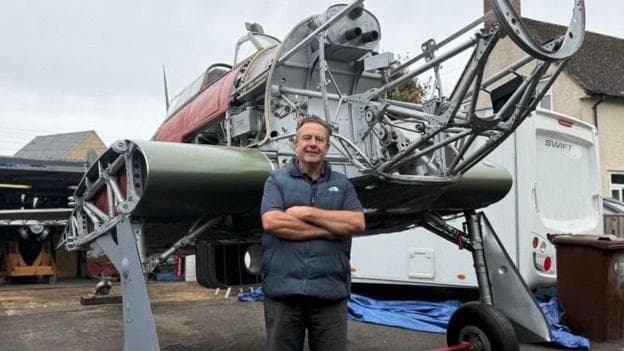
Julian Mitchell has transformed his driveway in Kirtlington, Oxfordshire into an aircraft restoration workshop, where he is painstakingly rebuilding a 1941 Hawker Hurricane—one of the most iconic fighter planes of World War Two. Six years into the project, Mitchell recently moved the aircraft from his workshop onto his drive, where it now draws admiration from passing neighbours. His ambition is to return this historic machine to the skies more than eight decades after its construction.
Most homeowners use their driveways for parking vehicles, but Mitchell has dedicated his to a labour of love centred on vintage aviation. The Hawker Hurricane played a pivotal role throughout Britain's conflict with the Axis powers and has earned recognition as the "unsung hero" of the Battle of Britain, despite often being overshadowed by the more famous Supermarine Spitfire.
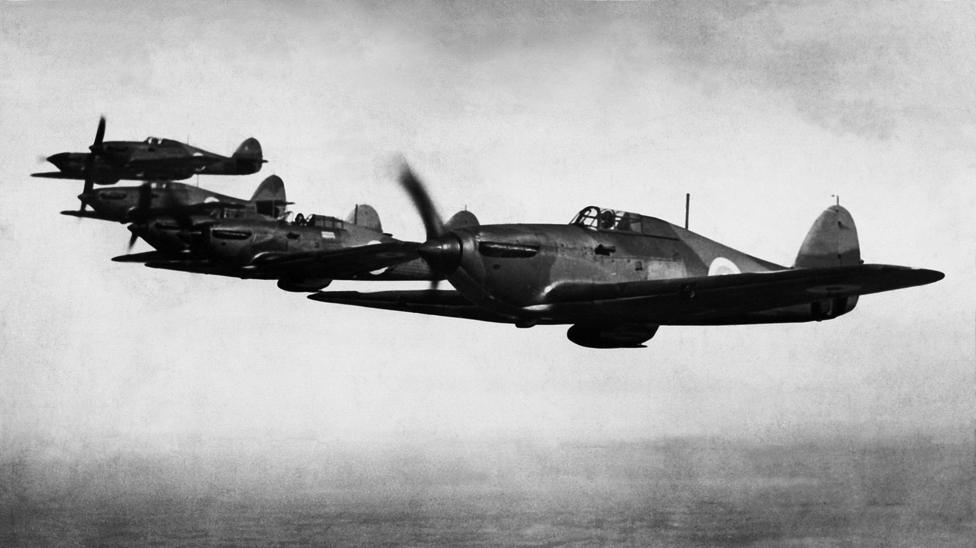
Why is the Hurricane historically significant?
The Hurricane was responsible for 60% of German aircraft losses during the Battle of Britain, which unfolded in the skies over southern England in the summer of 1940. These aircraft proved instrumental in halting Adolf Hitler's planned invasion of the British Isles. Beyond that pivotal campaign, Hurricanes went on to defend Malta, support operations in the North African desert, and conduct bombing raids against Imperial Japan before being retired from service in 1947.
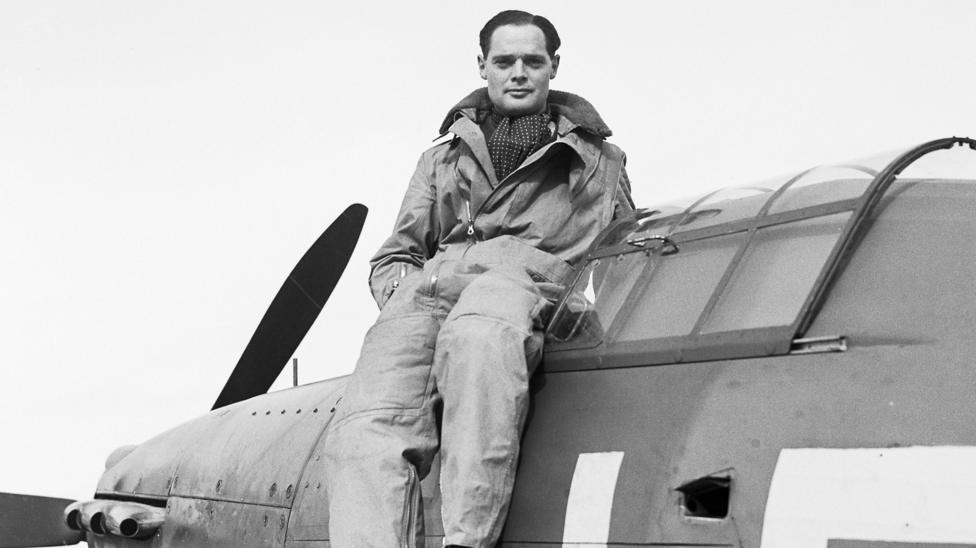
What drew Mitchell to this particular restoration?
Mitchell explained that his passion for vintage aeroplanes and military aviation history has long been central to his life.
It is purely a hobby and that's working on vintage aeroplanes and anything to do with military aviation history,he said.
About six years ago I had the opportunity to purchase a Hurricane restoration project and been working on that ever since then really.He describes the undertaking as his "dream project"—a chance to bring back to life a machine that shaped history.

Where did this particular aircraft originate?
The Hurricane Mitchell is restoring began its operational life in Canada, where it was manufactured in 1941. It survived the war while serving with two Canadian squadrons before being scrapped in 1945. The fuselage then lay dormant on a farmstead near Toronto for approximately six decades until it was transported back to Britain in the late 1980s.
It went through two or three hands where people decided they might have a go at rebuilding it and then it ended up with me,Mitchell recounted.
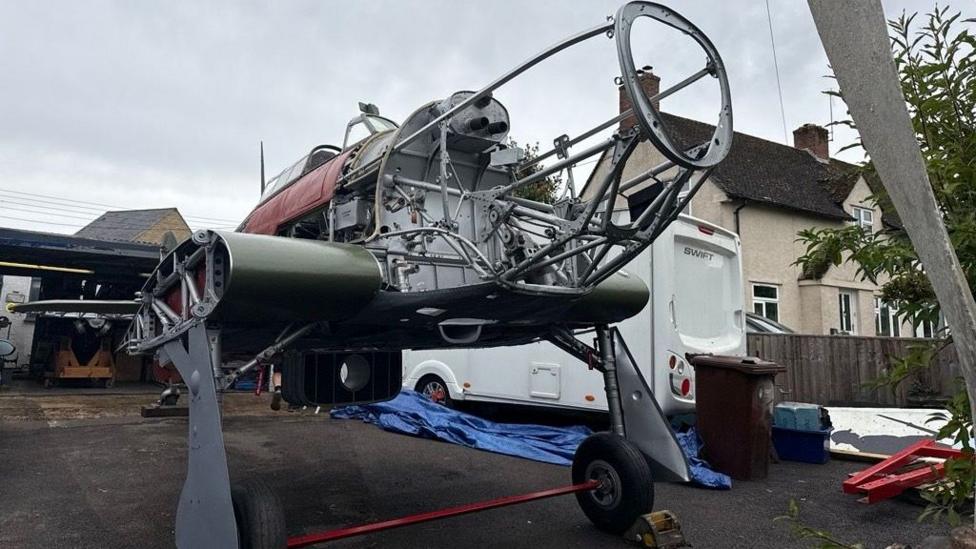
How far along is the restoration?
After six years of dedicated work, Mitchell estimates the Hurricane is now "60%" complete.
I've got an awful lot of work to do yet,he acknowledged.
The airframe will be finished fairly soon but there's all the fitting out of the systems - there's hydraulic systems, pneumatic systems, coolant system, that all has got to go in yet.Mitchell has relied on the aircraft's original technical drawings and manuals from over 80 years ago, which he praised as "very comprehensive" guides for the restoration process.
What has the public response been?
Since relocating the Hurricane to his driveway approximately two weeks before speaking to media, Mitchell has noticed considerable interest from the local community.
It's actually only been on the drive for about two weeks, but we certainly do get lots of people walk past and amazed to see an aeroplane on the drive.The sight of a World War Two fighter plane undergoing restoration in a residential setting has proven to be an unexpected attraction for neighbours and passersby.
What expertise exists for Hurricane restoration?
Mitchell's project reflects a broader tradition of specialist restoration work in Britain. According to Hawker Restorations, the organisation has worked on every one of the 13 Hawker Hurricanes currently flying in the world, demonstrating the depth of expertise available for such undertakings. The field itself has deep roots: specialist Hurricane restoration in the UK traces its established expertise back to 1987, showing that such work has been a recognised discipline for decades. Heritage preservation programmes at sites like Duxford have also contributed significantly to keeping these aircraft airworthy, with restoration work tied to longer-run preservation initiatives across multiple heritage locations.
What is Mitchell's ultimate goal?
Ultimately,Mitchell said, his objective is to return the iconic plane to the skies—a remarkable achievement more than eight decades after its most celebrated period of service. Completing such a restoration demands not only technical skill and patience but also access to historical documentation and specialist knowledge. For Mitchell, the project represents far more than a hobby; it is a commitment to preserving a piece of aviation history and ensuring that a machine which played a crucial role in defending Britain continues to inspire future generations.