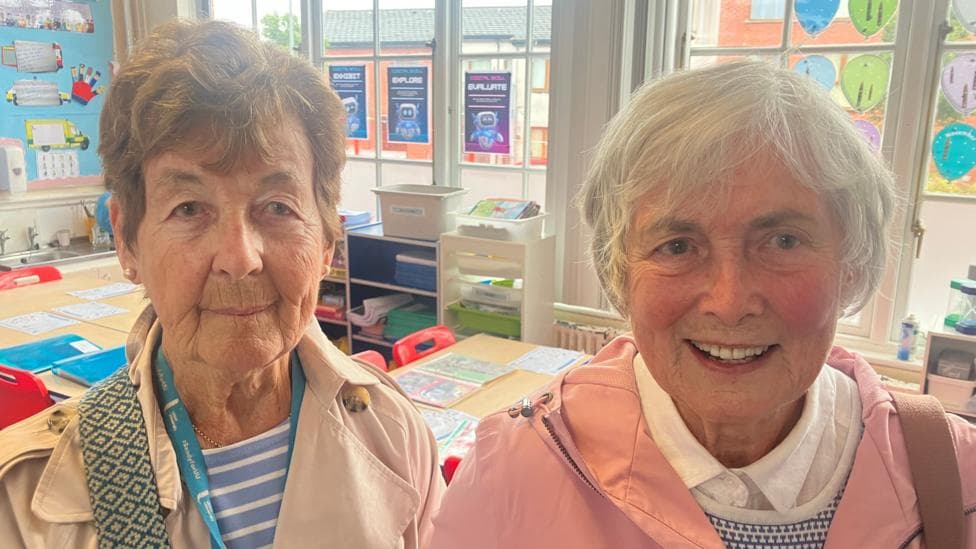
Barbara Best and Rosaleen Gilpin forged a friendship that has lasted more than seven decades after meeting as pupils at Euston Street Primary School in the 1940s. Now both aged 83, they returned to their alma mater to celebrate the institution's centenary, walking the same corridors they traversed as children and revisiting the classroom where their bond began.
Euston Street Primary School in inner east Belfast opened its doors in July 1926, establishing itself as a cornerstone of the local community. The school, which serves children from Nursery to Year 7, has now reached its 100th anniversary, marking a century of education in the neighbourhood.
The milestone celebration brought together former pupils, staff and governors, many of whom shared memories of their time at the school. For Barbara and Rosaleen, who both began their education there in 1947, the visit proved deeply nostalgic.
What was school life like in the 1940s?
The two former pupils recalled a very different educational environment from today. Discipline was notably stricter, with physical punishment a standard tool of classroom management.
"The classroom assistant was a bamboo cane in the corner," Rosaleen remembered.
When asked whether she had experienced the cane herself, she laughed and replied:
"Well, I've been known to be."
Despite the severity of discipline, both women spoke warmly of their teachers' commitment to helping pupils from the local area succeed.
"The teachers were strict but they were very good to try and help people from the area to do well,"Rosaleen reflected.
For Barbara, the school library held special significance.
"You were allowed to go there on a Friday after school, and I remember going down there and thinking 'Oh, so many books, great',"she said.
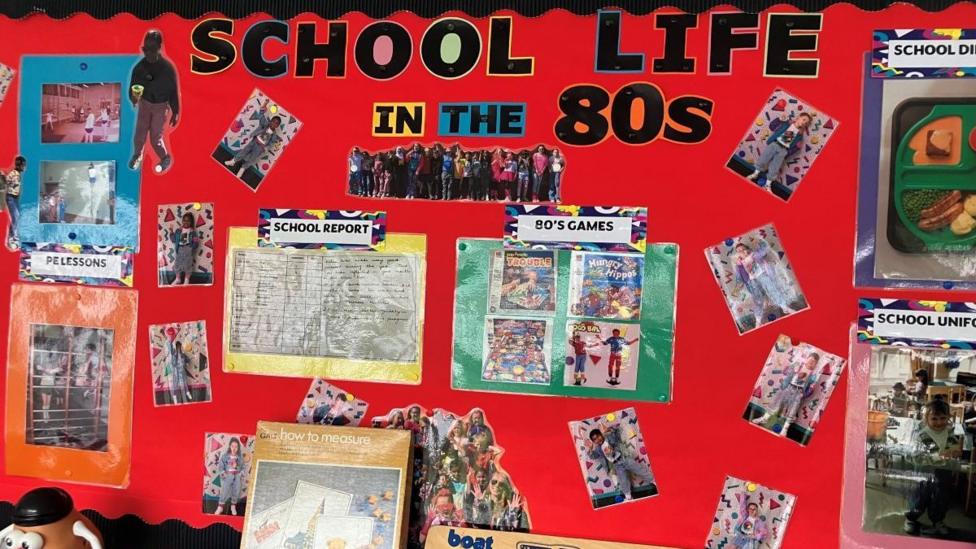
How has the school changed over a century?
The transformation in teaching methods and technology has been profound. Rosaleen's granddaughter, Sarah McCrossan, now teaches at the school and gave the two visitors a tour of the building.


"It's crazy to think that I'm working in the same place that she came as a child and walked in the same corridors,"Sarah said. She noted that her grandmother had been sent to the principal's office multiple times to receive the cane—a practice that no longer occurs.
"This school is obviously in the middle of a big community and the community is so good to the school and the school is so good to the community."
Another returning former pupil, Colin Johnston, who attended from 1965 until 1972, was struck by the technological advances.
"All the i-Pads and all that they have now, there was nothing like that in my day. It's a big change, it's really modern now."
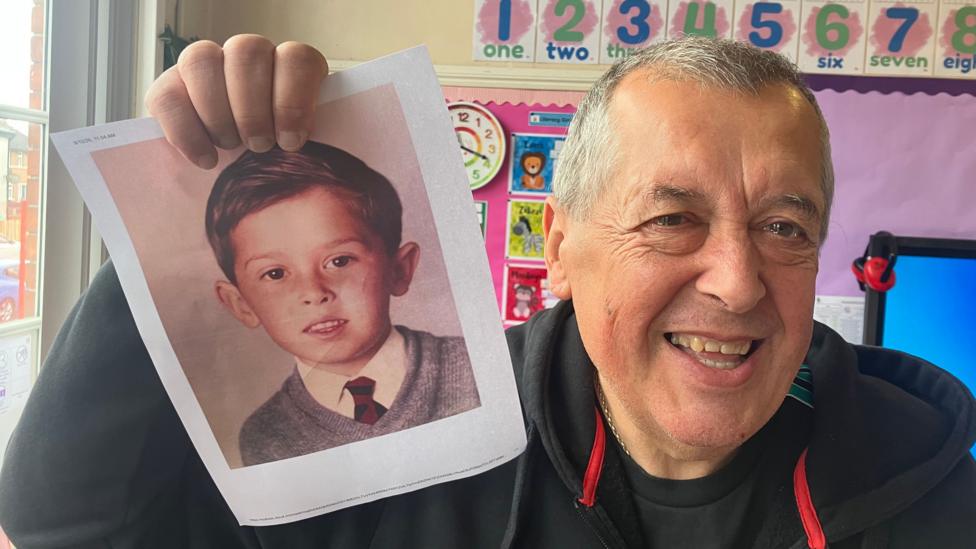
Colin was shown around by his own granddaughter, Poppy Anderson, who is currently a pupil at the school, creating a three-generation connection to the institution.
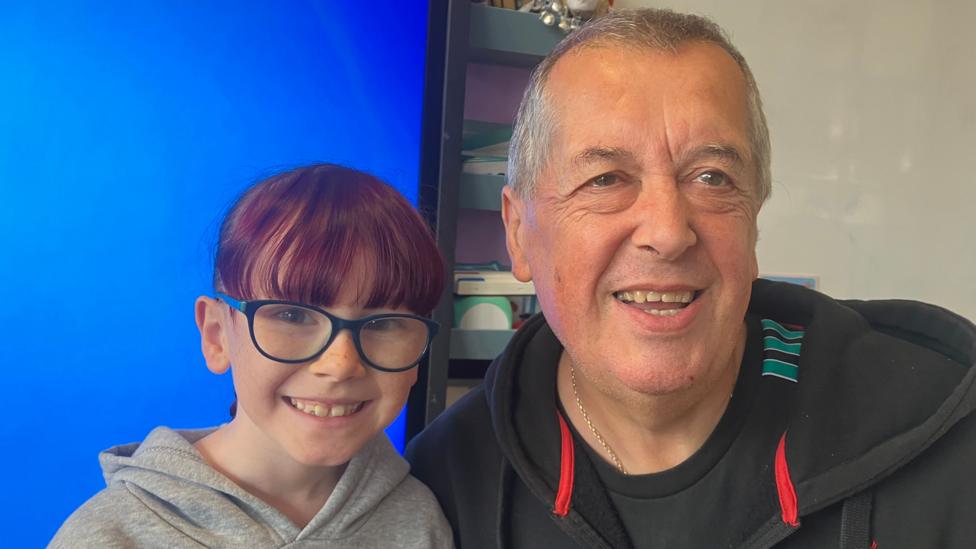
Despite the changes, Colin retained warm memories of his schooldays.
"I remember my first class down in room five, Miss McConnell, and it was a great school."He emphasised the school's continuing importance to the neighbourhood.
"They cannot do without the school. As you see even today, the school dinners and all that and the other things that the school runs it's superb."
What role did the school play during World War Two?
Beyond its educational mission, Euston Street Primary served a vital protective function during the Belfast Blitz of 1941. When a German bomb struck nearby Thorndyke Street in April 1941, killing many residents who had sought refuge in an air-raid shelter, the school's basement became the main air-raid shelter for the surrounding community.
Although the building sustained damage in subsequent bombing raids, the basement corridors kept local people safe during the bombardment. During the anniversary open day, current and former pupils signed their names on the walls of these historic basement corridors, honouring the space's protective legacy.
What makes the school significant to its community today?
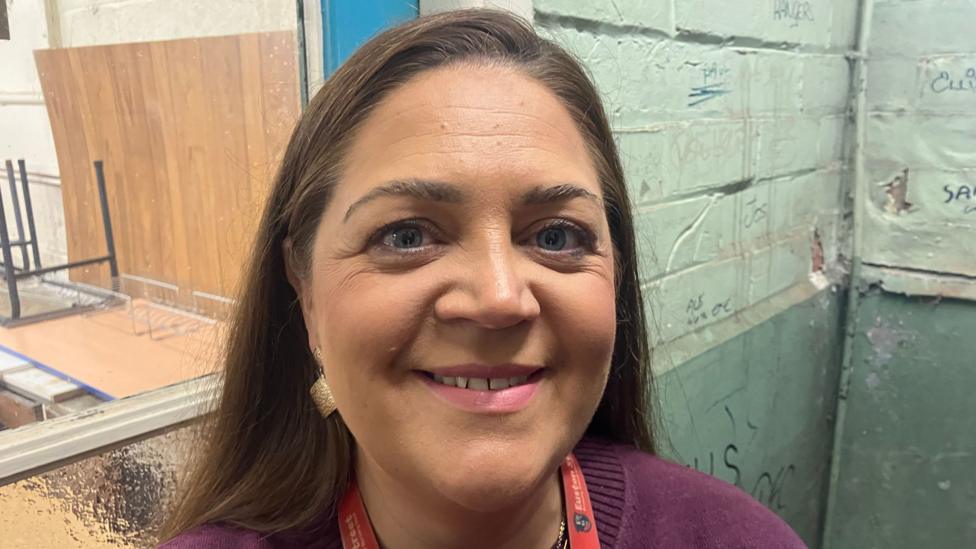
Acting head-teacher Laura Rainey highlighted the deep roots the school has established across generations.
"We've welcomed past pupils, past staff and past governors. It's been really lovely just to hear lots of positive memories, happy memories. And also some memories that you wouldn't hear nowadays about maybe the cane being used and just how things have changed. It's so special to have those stories and that legacy. We actually have families that have had four generations come through the school. That says everything."
The school's institutional history underscores its longevity. According to the school's development plan, Euston Street was built in 1925 to serve the surrounding community in East Belfast and has been marked as "one of the oldest and best loved schools in Belfast." The institution currently serves a pupil population of over 300 children across its year groups.
Key Facts
- Euston Street Primary School opened in July 1926 and is now celebrating its centenary in 2025–26.
- The school's basement served as the main air-raid shelter for the local community during the Belfast Blitz in 1941, protecting residents when nearby Thorndyke Street was bombed.
- Multiple families have had four generations of children attend the school, demonstrating its deep integration into the neighbourhood.
- The school has transitioned from a discipline-focused environment featuring corporal punishment to a modern institution equipped with digital learning technology.
- The school serves children from Nursery to Year 7 and remains a cornerstone of community life in inner east Belfast.