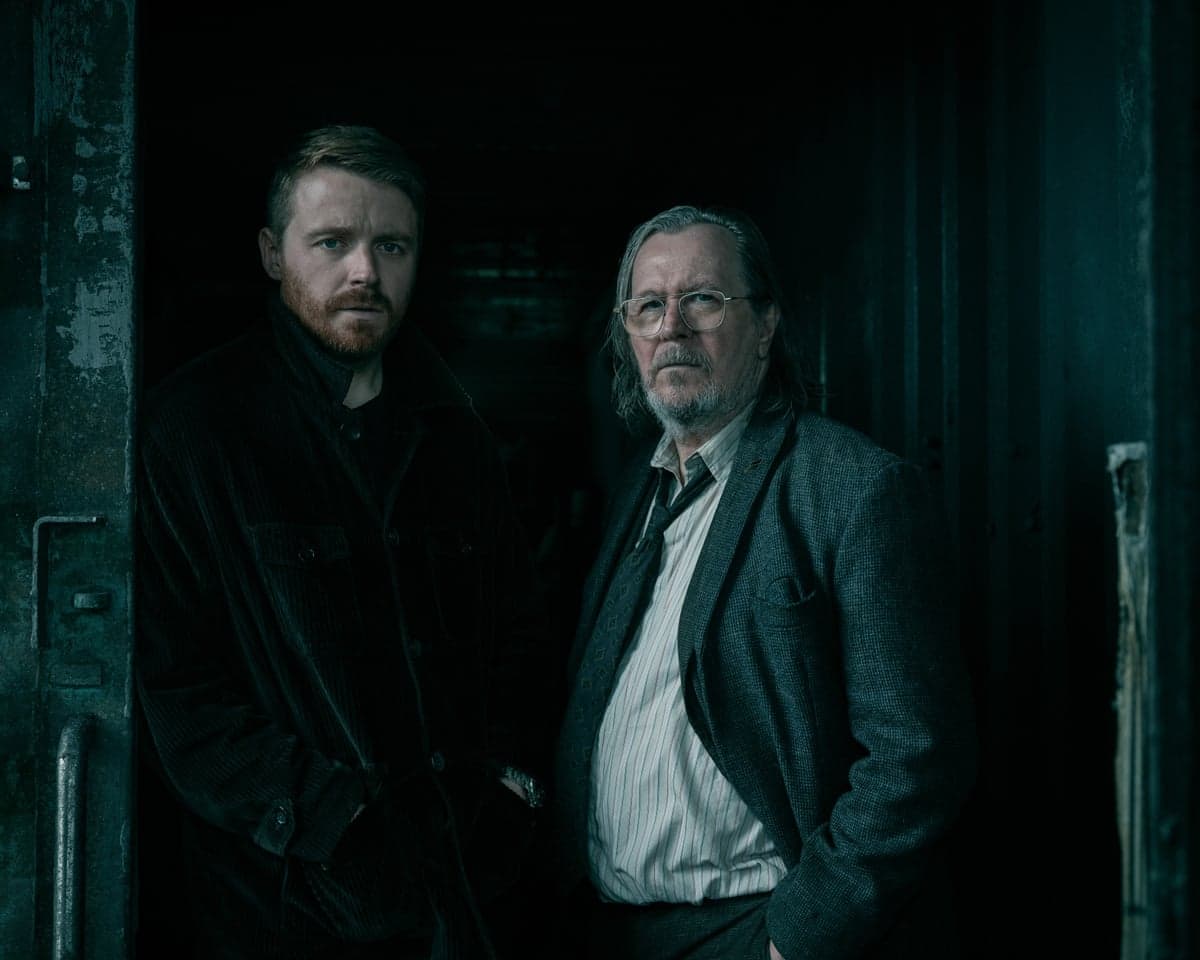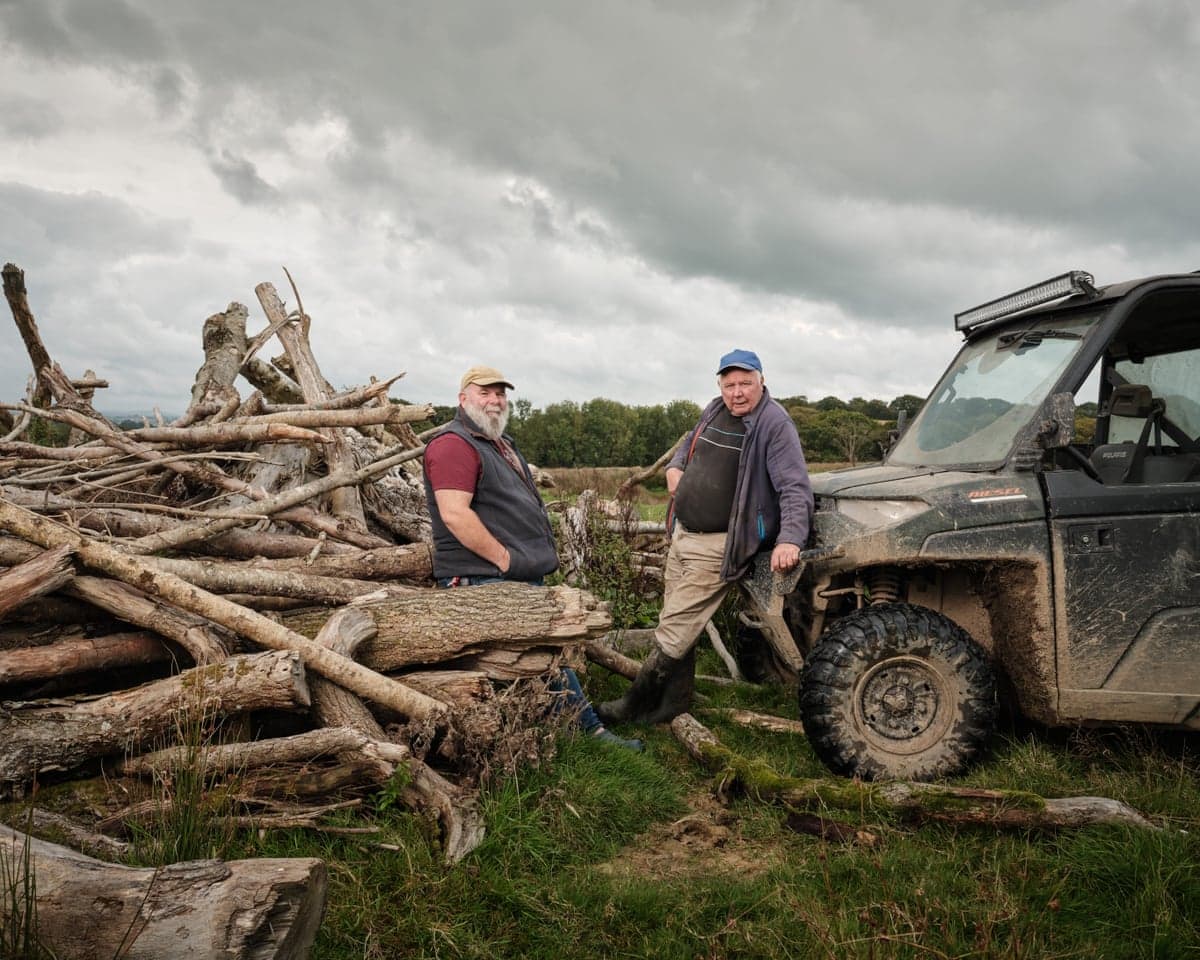
Derek Gow and Derek Banbury occupy neighbouring farms in Devon, yet their visions for the land could hardly be more opposed. Gow, a prominent rewilding advocate widely recognised for reintroducing beavers to England, is transforming his sheep farm into wild habitat and breeding storks, wildcats, red-backed shrikes, glowworms and adders for release into the countryside. Banbury, his neighbour across the hedge, runs an intensive operation producing milk and beef cattle on tightly managed land. When filmmaker James Dawson set out to document Gow's dramatic transformation, he discovered a far more compelling story: the unlikely journey of two stubborn men learning to coexist.
Gow is an imposing, fast-talking Scottish farmer who rails against what he calls
"showers of morons" in conservation for convening endless committees while species plummet towards extinction. He is equally scathing of conventional farmers, criticising those
"spaffing" public money on Land Rovers and sticking sheep on overgrazed pastures and feeding them fish-meal from the Gambia, "raping what's left of a disastrous environment to produce something that nobody wants". Banbury, by contrast, is unrepentant about intensive agriculture.
"I love farming,"he declares in the film.
"Intensive farming, that's supplying the world with food. The population's getting bigger. It's not getting smaller, and everyone is going to be happy if they've got full bellies. I've done it for 50 years and I won't change."
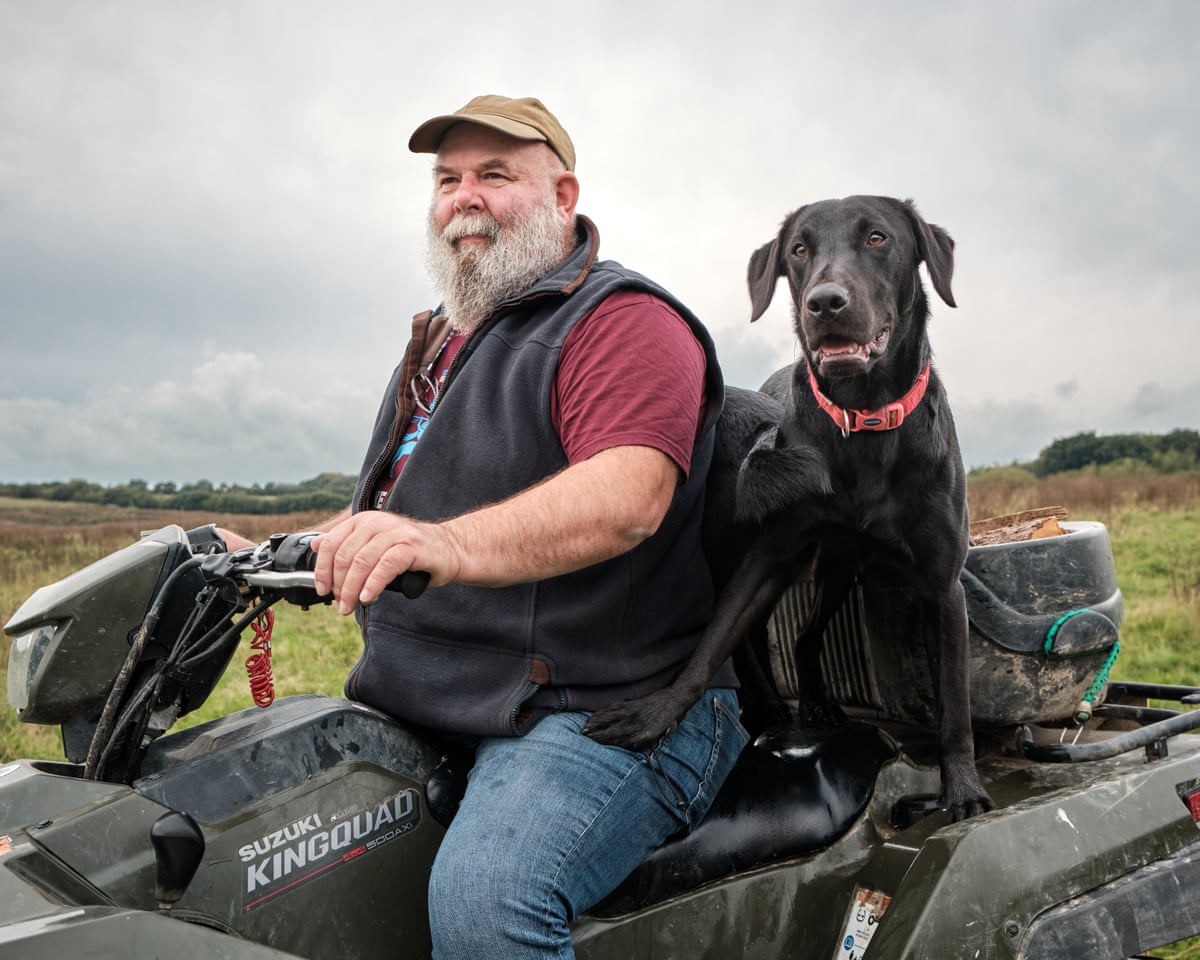
How did a film about one farmer become a story about two?
Dawson initially planned to follow Gow as he sold his final sheep and rewilded his property. When Dawson first visited Gow's farm, he stayed at the Banburys' holiday cottages—converted pigsties and old sheds that Linda Banbury, Derek's wife, had transformed into guest accommodation. Over breakfast in the farmhouse kitchen, Dawson recognised the dramatic potential of the two neighbours' contrasting philosophies and decided to reshape his project entirely.
What emerges is not a simple morality tale pitting idealistic conservationists against callous agribusiness operators. Both Dereks possess charisma, determination, business acumen and, perhaps surprisingly, a genuine love of animals. The film, which had its London premiere on 10 September 2026, slowly reveals how these two men might find common ground despite their fundamental disagreements about land use.
What tensions does the film document?
The documentary does not shy away from genuine conflict. Gow's wild boar escape and root up Banbury's pasture; Banbury has them shot. Banbury
"hates" storks, and his feelings about beavers—which conservationists praise for creating new wetlands that support wildlife—are equally hostile.
"I can't see that they do any good at all. They just do vicious damage,"he thunders in the film. When Gow writes a book about the history of wolves in Britain and hosts a conference exploring their potential reintroduction, Banbury and neighbouring farmers are outraged.
Gow initially describes Banbury as
"a psychopath when it comes to hedgerows,"a characterisation that captures the depth of their disagreement. Banbury's farm has grown into a small village of barns housing 200 milking cows, with 600 in total—a scale of operation that requires intensive fertilisation, spraying and three or four silage cuts annually. While sparrows still chirrup on the property and swallows dip over the pond, Banbury has observed the loss of wildlife.
"I wish there was more insects and birds and bees but I don't study that. I study my crops,"he acknowledges in the film.
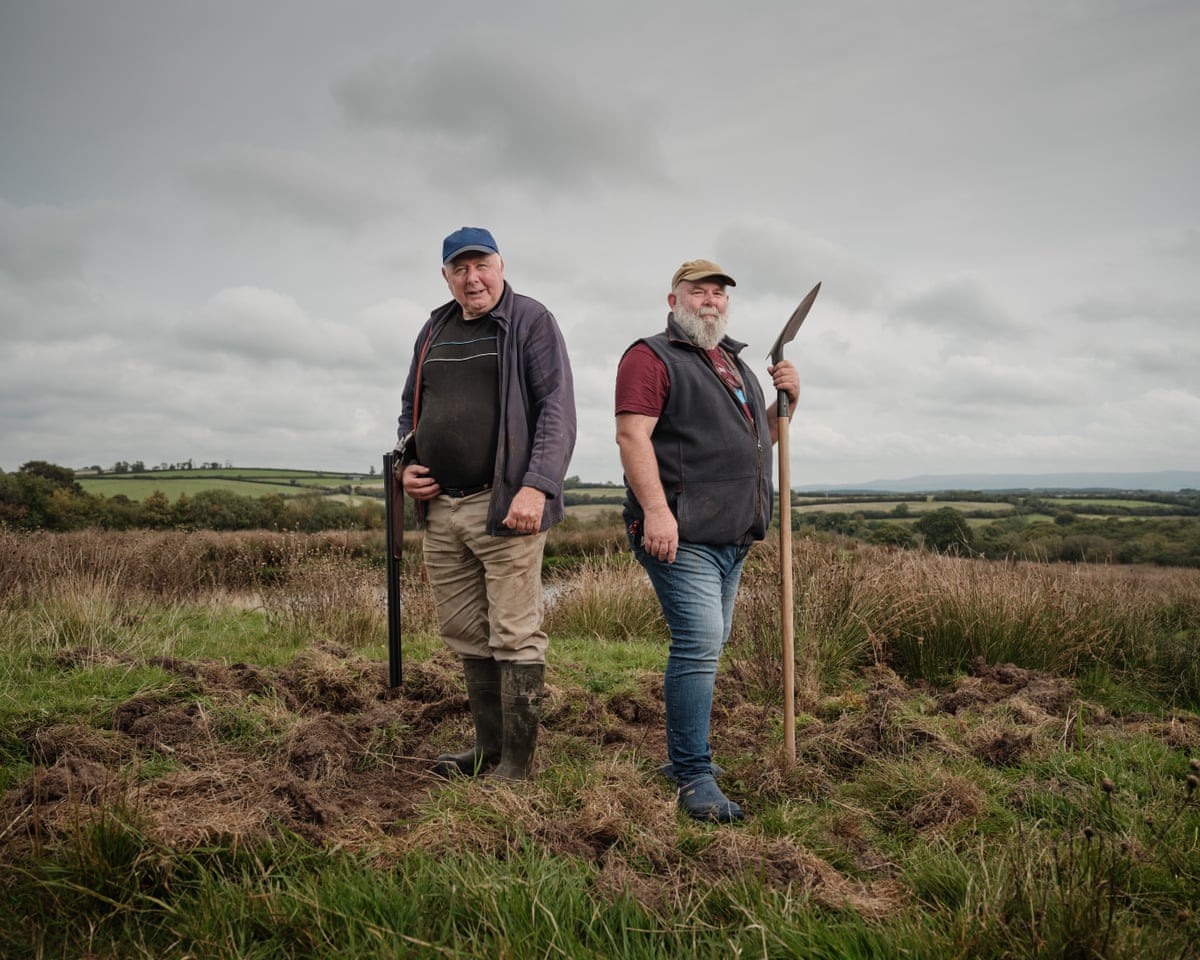
How do the two Dereks begin to understand each other?
The film's turning point arrives when Banbury visits Gow's meadows. After unpromising early years, they now teem with rare birds, wildflowers and butterflies. Banbury admits
"we've got to have areas like this for the wildlife."Gow, for his part, does not advocate rewilding the entire countryside. Instead, he proposes that if every farmer set aside just 10% of their least productive land for wildlife, the extinction crisis could be reversed. Banbury's response is telling:
"I hate to say it but sometimes he's right."
As the film progresses, there is discussion of Banbury allowing hedges to grow wild to create corridors for wildlife movement through his orderly fields. When asked whether he will do so, Banbury replies:
"It depends on the land. It depends if we're paid for it."With field re-fencing scheduled for autumn, Gow hopes his neighbour will make space for nature in the process.
Gow's perspective on farmers has softened considerably.
"I do have great sympathy for them, especially the older men,"he reflects.
"Some of them are just bastards. They are hard, hard farmers but they know what has happened. They know of the loss of nature. These inflexible and difficult old men are the last generation who understand that."Linda Banbury, Derek's perceptive wife, recognises Gow as a
"big Scottish softie at heart"and emerges as a second breakout star of the film, preaching tolerance and acceptance of wildlife.

What is Gow's vision for the future?
Gow's latest proposal suggests a radical reimagining of the farmer's role in conservation. He envisions farmers being paid to breed rare wild animals in captivity and release them into the countryside. Under this model, farmers would become invested in the success of local populations of "their" species.
"They're the guys that are sitting in the pubs at night, they're talking to their neighbours. If there are issues, it's much easier to resolve them amongst themselves,"Gow explains.
"As a farmer, you become part of the solution. You'd feel good. But most conservationists have to understand farming and farmers better and, despite all the rhetoric, I'm not sure they do."
Gow now gives rewilding talks illustrated with Ladybird books from the 1950s and 60s, which depict a lost British countryside.
"Pictures of the redshanks with chicks and hedgehogs and bats in these beautiful woodlands under a full moon at night. And you look and think: that's attainable. It's not alarming. It's not scary. It's actually something that's quite alluring."
How has the film been received?
The Banburys and Gow received standing ovations at film festivals in Thessaloniki, Greece, and Sheffield. More than 300 farmers and neighbours attended a special screening at the Banburys' farm, where they were served local cider, pasties and ice-cream. Audiences laughed loudest at Banbury's criticisms of rewilding, but as Gow observed afterwards,
"when the film finished, no one was arguing" against the facts of nature loss.
Cat&Docs secured global distribution rights before the film's world premiere in competition at the Thessaloniki International Documentary Festival. The 88-minute documentary, which is James Dawson's second feature, was filmed over several years, allowing the relationship between the two farmers to evolve naturally on screen.
Have the two Dereks become friends?
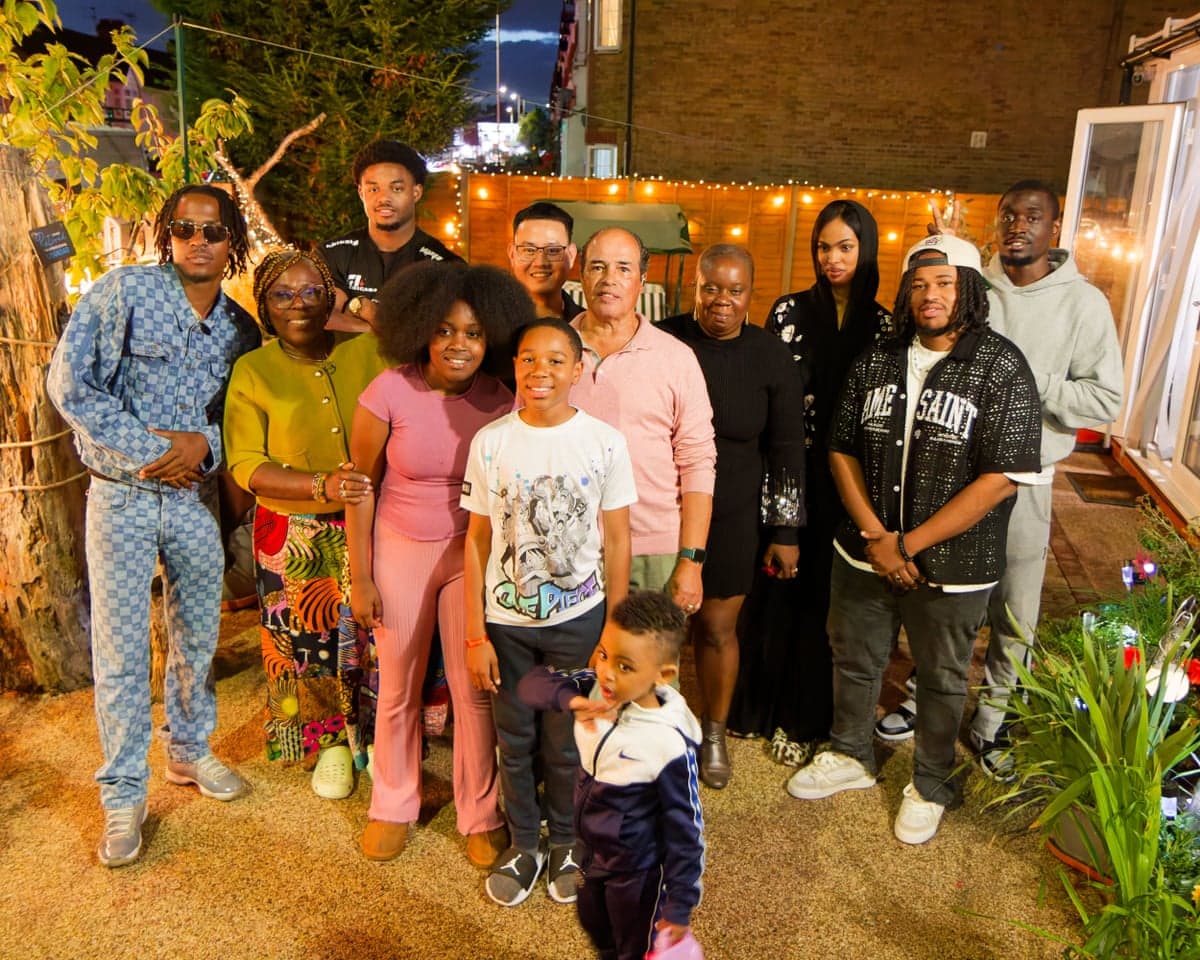
The evidence suggests a genuine warming between the neighbours. Gow took the Banburys to see flamingoes when they visited the Thessaloniki film festival together. He also ensured Derek and Linda found a cab after the Sheffield screening. The morning after the farm screening, Gow popped into the Banburys' kitchen—after ribbing them about their St George's flags—to ask if he could borrow their trailer. Linda served him one of her generous cooked breakfasts.
When asked directly whether he and Gow are friends, Banbury beams with genuine warmth.
"Yeah! You can't be no other can you, when you're neighbours? He'd do anything for me. And I'd do anything for him."
Banbury was initially reluctant to appear in a film where he assumed Gow would be positioned as the hero.
"Then James [Dawson] started going outside and filming some of my animals. Then they came up with a little payment, and it started from there."When Dawson's cameras followed Banbury to the local cattle market, the auctioneer called out
"'Oh Derek you're needed, hair and makeup's waiting for you,' right in front of everyone, and everyone started laughing."A spraying contractor later joked that Banbury and Gow would soon appear on a television programme
"as the Teletubbies."Banbury took the ribbing in stride, recognising that he is, in many ways, the film's true hero—a man willing to acknowledge the losses brought about by intensive farming without abandoning his identity as a farmer.
Banbury's farm represents a family legacy spanning generations. His father began with just 14 cows on less than 150 acres, enough to support the family in those days. Like most farmers, Banbury has had to expand and intensify production to survive economically.
"I'm proud to be a farmer and I've tried to do the best I can. We're tied a bit by the price of milk, but we just keep going, we keep struggling on and we love what we do."
What happens next?
The film enters UK cinemas on 2 October 2026. Beyond the theatrical release, its makers plan special on-farm screenings across the country, hoping to forge new conversations and working relationships between farmers, conservationists and rewilders. A screening is scheduled for Rotterdam on 29 October 2026, with further dates to follow. The documentary represents a rare moment of bridge-building in a debate often characterised by entrenched positions: whether biodiversity restoration can genuinely coexist with commercial food production, or whether the two must forever remain in conflict.
Banbury, who has never before visited Mayfair in central London, believes he may need to buy a new suit for the film's UK premiere. His transformation from sceptic to participant in a film celebrating both farming and rewilding reflects the documentary's central message—that understanding, rather than victory, may be the only path forward for a countryside that must feed people and sustain nature simultaneously.