
Dame Esther Rantzen, who died aged 86 on 30 September 2026, fundamentally transformed British television across three distinct domains: consumer journalism, the prominence of female presenters, and the concept of viewer participation. Her career spanned more than five decades and left an indelible mark on the medium, establishing formats and approaches that continue to influence broadcasting today. Throughout her time on screen, she demonstrated an unusual ability to blend entertainment with serious campaigning, reaching millions of viewers while simultaneously tackling institutional failures and social injustices.
Early Breakthrough: Braden's Week (BBC One, 1968-72)
Rantzen's television career began as a researcher on this consumer advice programme, fronted by Canadian presenter Bernard Braden. The show established the on-screen persona that would define her entire career: ambitious yet self-deprecating, fiercely committed to championing public grievances, and notably rare among female television presenters of that era. Her presence in a frontline role generated resentment among some male colleagues, a reflection of the male-dominated broadcasting landscape of the late 1960s. A pivotal moment came when producers decided to move the behind-the-scenes team into the studio to dramatise complaints and expose scams more vividly. Rantzen's contribution to this creative decision proved transformative, and she was subsequently given on-screen duties that launched her into prominence.
The Show That Changed Everything: That's Life! (BBC One, 1973-94)
When Braden returned to Canada, Rantzen assumed control of his replacement programme at the height of her career in her early 30s. As de facto editor, she became one of the most powerful women in British television of her generation. The format she inherited—light entertainment built around consumer complaints—was radically expanded under her stewardship. She introduced wordplay, comic verses, and vegetable-based innuendo that became the show's trademark, yet simultaneously used the platform to expose child abuse within institutions and families, campaign for vehicle safety improvements such as rear seatbelts, and push for reforms to the NHS organ transplant system. At its peak, the programme reached more than 20 million viewers, and the tonal shifts between comedy and serious investigation—signalled by Rantzen's transition from her characteristic toothy grin to a grave expression—proved controversial but undeniably effective.
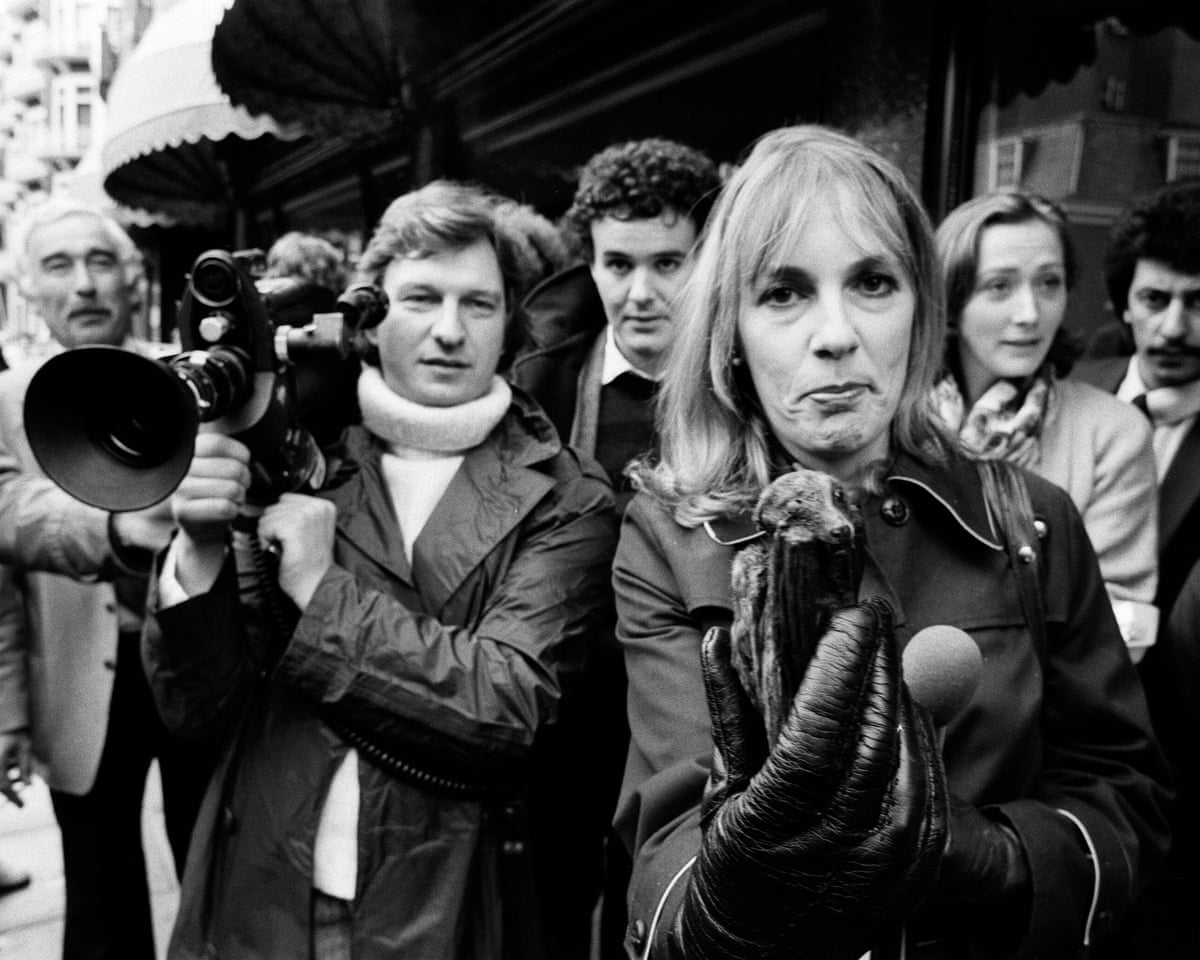
The impact of That's Life! extended far beyond entertainment. A 1986 episode focusing on child abuse prompted a temporary phone service that evolved into Childline, the permanent helpline Rantzen established to support vulnerable young people. Among the thousands of lives altered by the programme was Rantzen's own trajectory, which shifted from entertainment presenter to campaigner and social reformer. The show also featured memorable moments that became part of television folklore, including a celebrated segment in which a dog appeared to say "sausages" and attempted to pronounce "Esther".
Pioneering Reality Television: The Big Time (BBC One, 1976-80)
Rantzen has received insufficient recognition as an architect of the reality television genre that now dominates schedules. Her consumer journalism was fundamentally audience-driven, frequently incorporating street interviews and public opinion, and The Big Time took this participatory approach further by enabling ordinary people to experience extraordinary opportunities. Contestants pursued their ambitions on the show: a home cooking enthusiast prepared meals at the Dorchester Hotel, a gymnast performed as a circus trapeze artist, and others achieved their dream of appearing on television. The programme notably helped launch the career of singer Sheena Easton, demonstrating its capacity to identify and nurture talent. The format proved prophetic, establishing a template for the reality television boom that would follow decades later.
Creating Her Own Honours: Hearts of Gold (BBC One, 1988-96)
In this series, Rantzen established an alternative honours system, presenting medals to members of the public who had been nominated for acts of kindness, bravery, and compassion. The programme's distinctive element was its use of surprise and deception: recipients were lured to the presentation under false pretences and then ambushed by Rantzen and her team, frequently in disguise. This approach reflected Rantzen's conviction that audiences preferred their television with theatrical flourish and emotional payoff.
Solo Success: Esther (BBC Two, 1994-2002)
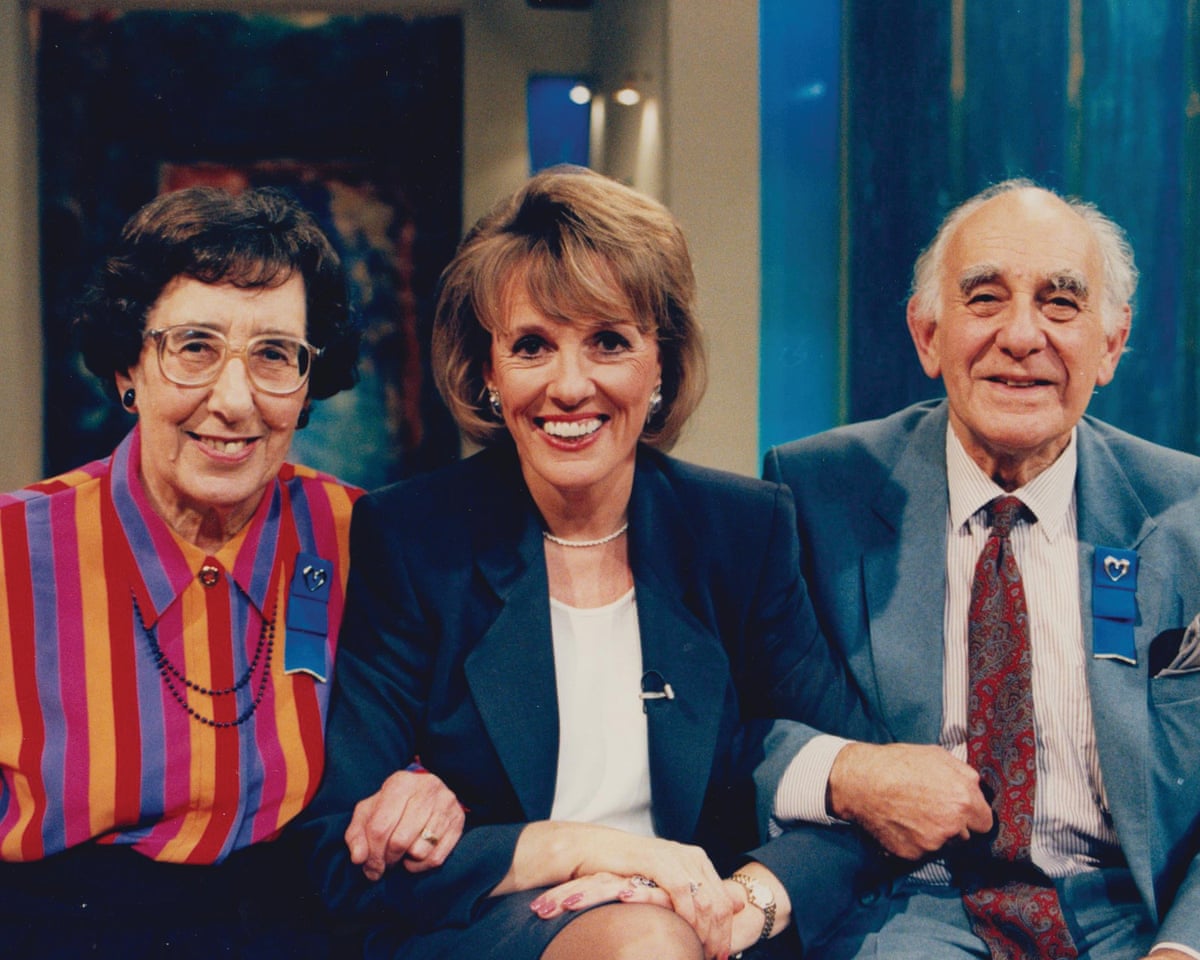
After That's Life! concluded, Rantzen moved to BBC Two with her own chatshow, which ran for 600 episodes over eight years and received two Bafta nominations. The programme's success as the United Kingdom's most accomplished solo female-fronted talk show was occasionally diminished by its placement outside prime time, yet Rantzen demonstrated considerable skill as an interviewer and proved herself a capable substitute for fellow chatshow host Terry Wogan. The show's longevity and critical recognition underscored her status as a television institution.
Documentary Work: The British Schindler (ITV, 2003)
Though Rantzen remained primarily associated with the BBC throughout her career—she had met her husband and mentor, Desmond Wilcox, at the corporation—she participated in two ITV documentaries about Nicholas Winton, a British stockbroker who orchestrated the rescue of predominantly Jewish refugee children from Nazi-occupied Czechoslovakia. Rantzen had first brought Winton's story to public attention during a That's Life! broadcast in 1988, and her connection with him spanned six decades. This work culminated in the 2023 film One Life, in which she was portrayed by actress Samantha Spiro.
Embracing Celebrity Reality: Strictly Come Dancing (BBC One, 2004)
Having pioneered the format that transforms ordinary people into television personalities, Rantzen participated in the second series of Strictly Come Dancing in 2004, paired with professional dancer Anton Du Beke. She was eliminated third, demonstrating that the reality television formats she had helped invent could now be applied to established celebrities, pushing them beyond their comfort zones.
The Jungle Experience: I'm a Celebrity … Get Me Out of Here! (ITV, 2008)
Reality television operates as a circular industry: success in one programme leads to invitations to others. Rantzen completed the major reality television experiences by appearing in the eighth series of I'm a Celebrity in 2008. The audience responded with relative goodwill, consistently voting her low in elimination rounds, and she was the fifth contestant to be removed from the jungle before Joe Swash won the series.

Later Work: Esther Rantzen: Living With Grief (Channel 5, 2021)
Widowed relatively young, Rantzen devoted the final phase of her television career to exploring bereavement and the potential isolation experienced by older people. These themes also occupied much of her work through various charities and trusteeships. This documentary represented a thoughtful examination of grief and represented Channel 5's practice of providing platforms for former BBC presenters.
Final Campaign: Good Morning Britain (ITV, 2026)
In recent years, Good Morning Britain established a notable tradition of inviting terminally ill television personalities to discuss their conditions and advocate for medical research and early diagnosis. In her final broadcast appearance, Rantzen used the platform to campaign for assisted dying reform, a cause she had championed across multiple television appearances as her health deteriorated. Rantzen had been diagnosed with stage-four lung cancer in 2023 and subsequently became a vocal advocate for changing the law to permit assisted dying. In September 2026, she announced that she was too physically frail to travel to the Swiss clinic Dignitas, where she had planned to end her life. Her final television appearance demonstrated characteristic courage, using her platform not for personal comfort but to advance a cause she believed would benefit others facing terminal illness.
Legacy and Impact
Throughout her career, Rantzen demonstrated an unusual capacity to balance entertainment with serious social purpose. She shattered the glass ceiling for female television presenters at a time when such positions were extraordinarily rare, established formats that continue to influence broadcasting, and used her prominence to effect genuine social change. Her willingness to tackle difficult subjects—child abuse, institutional failure, end-of-life care—while maintaining the entertainment value that kept audiences engaged set her apart from her contemporaries. In her final years, facing terminal illness, she remained true to the principles that had guided her entire career: using television as a tool for advocacy and change, and refusing to shy away from difficult conversations that society needed to have.