The groundbreaking documentary series that began in 1964 has concluded with its most reflective and elegiac instalment yet. When one of the original participants revealed a terminal cancer diagnosis, filmmakers commissioned a final episode that would bring closure to one of television's most ambitious social experiments.
The original Seven Up! project, which premiered as part of ITV's World in Action series in 1964, introduced viewers to 14 primary school children from diverse socioeconomic backgrounds. The programme was designed to test the Jesuitical maxim "Give me the child for the first seven years and I will give you the man" by returning to film the same individuals at seven-year intervals throughout their lives. The original Up project began in 1964 with 14 children chosen from different social backgrounds, establishing what would become a unique longitudinal study of British society and class.
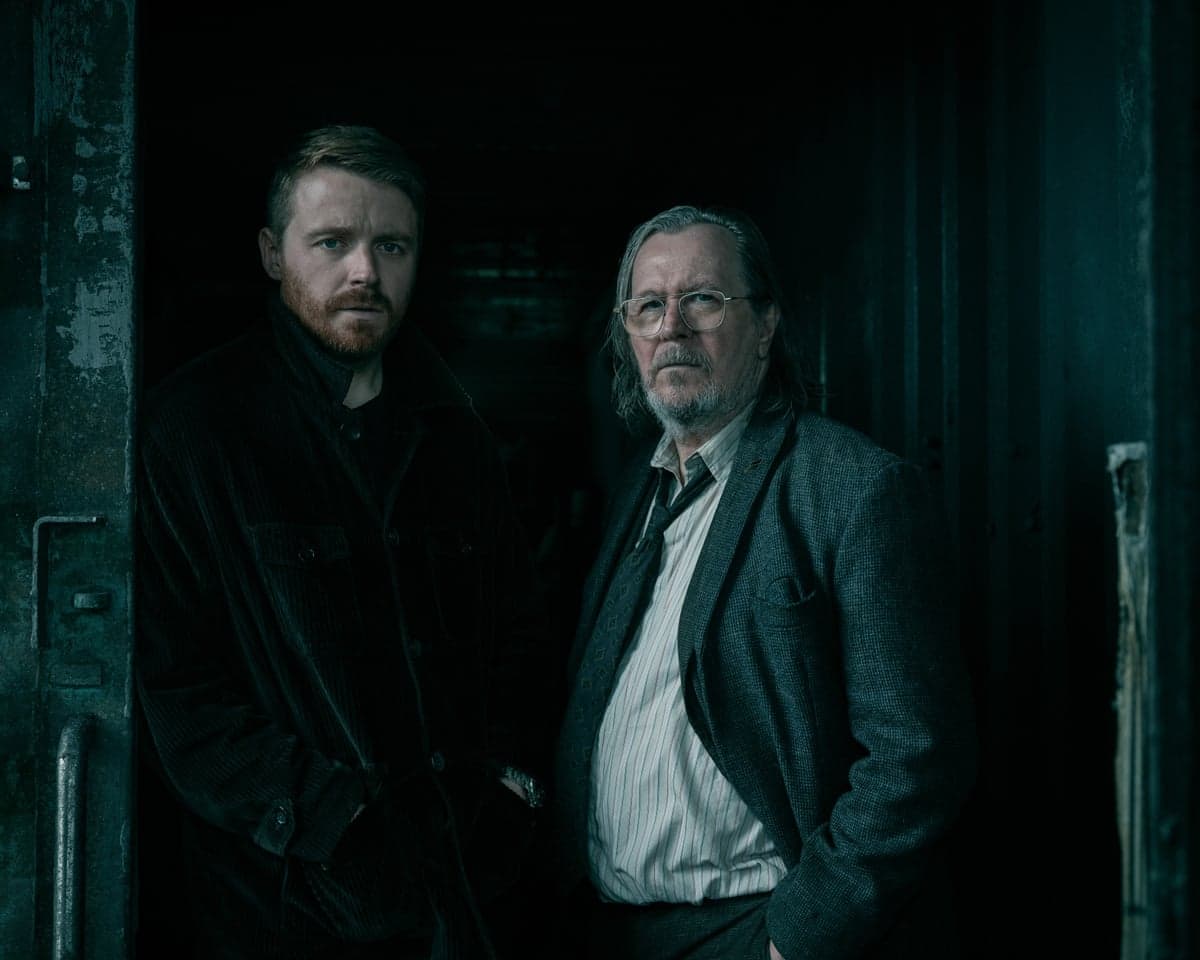
Michael Apted, who originally helped identify the children and directed all subsequent instalments after the first film, passed away in 2021. His death appeared to mark the end of the series, with 63 Up seeming like a natural conclusion. However, Nick Hitchon's terminal cancer diagnosis was the trigger for commissioning the final episode. Hitchon, a Yorkshire farmer's son who became a nuclear scientist, contacted the production team to request one final interview, leading to the creation of this valedictory instalment.
Directed by Asif Kapadia, the final chapter takes on a markedly different character from its predecessors. The tone is contemplative and mournful, reflecting the reality that nearly all surviving participants are now retired and spending their time in reflection rather than forward-looking ambition. The film captures individuals grappling with the accumulated weight of their life choices and the paths not taken.
How have the participants' lives unfolded?
The trajectories of the original cohort reveal starkly different outcomes shaped by their initial circumstances. Jackie, who devoted most of her working life to children's librarianship, now speaks with evident relief about the calm and solitude she has found in her later years, having relocated away from a demanding family she clearly loves. The three boys from privileged backgrounds—John, Charles, and Andrew—have enjoyed the lives of comfort and professional success that their early circumstances suggested they would. Andrew expresses regret about time not spent with family, mentioning missed school plays and sports days, a sentiment echoed by several other male participants. Yet the series has historically prioritised breadth of coverage over depth, leaving many such poignant threads unexplored.

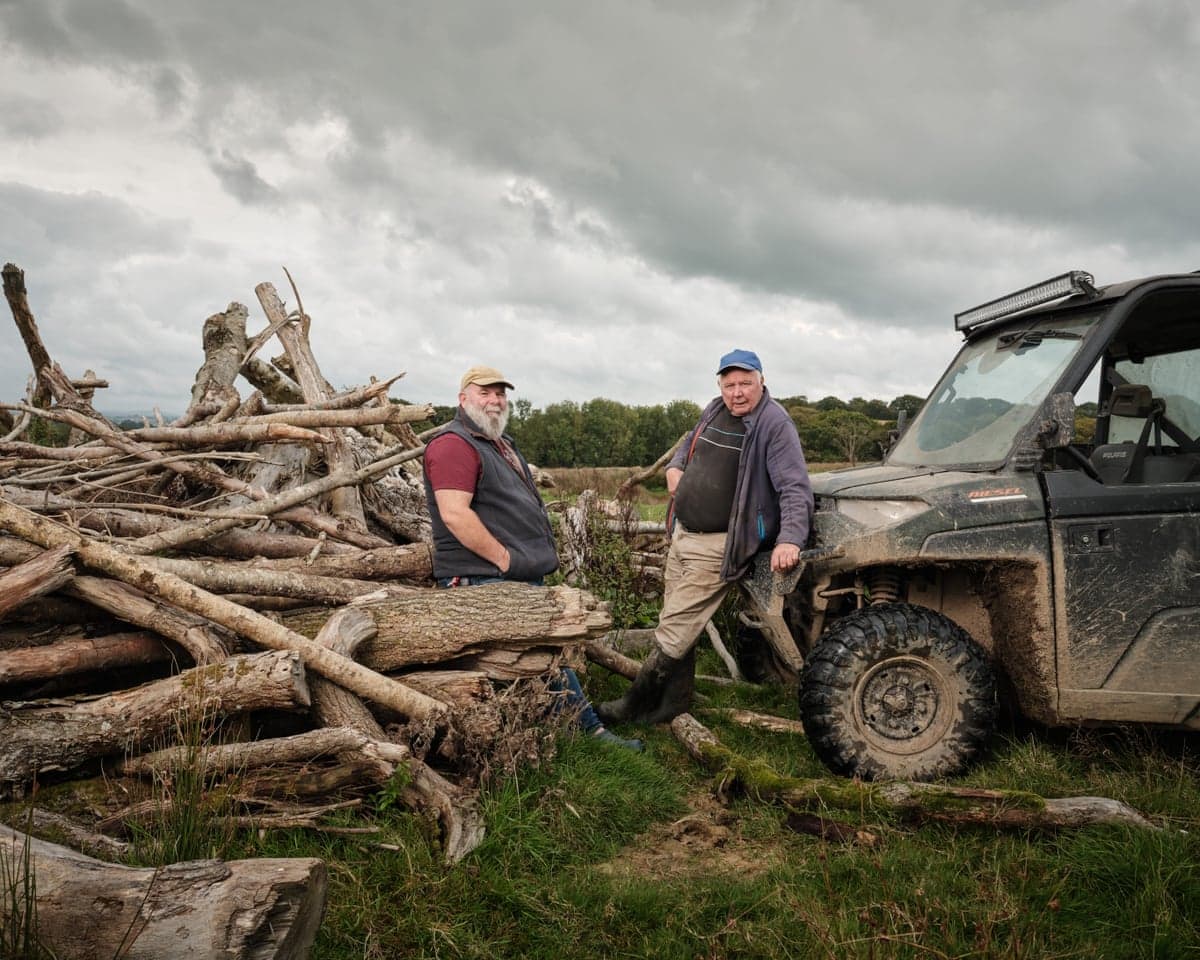
Among the working-class participants, resilience and adaptation emerge as defining themes. One former would-be jockey turned cab driver remains characteristically ebullient, though he reflects that his greatest mistake was abandoning his racing career after being warned about weight restrictions. Another former participant, now retired from teaching, has built a quieter life centred on singing in his local choir, walking his dog on the beach, and volunteering with the local lifeboat service. The gentle, Christian boy observed in earlier instalments has matured into a thoughtful, gentle Christian man.
Perhaps the most striking transformation belongs to Symon, whose haunting words at age 14—"What you don't have, you don't miss"—were so transparently false that viewers still wince at the archive footage. Over the past 20 years, he and his second wife have fostered more than 100 children, and he now appears visibly happier, with former foster children regularly returning for visits. Paul, Symon's childhood companion from the children's home, has built a successful life in Australia and is now a grandfather, describing family as "100% the main thing."
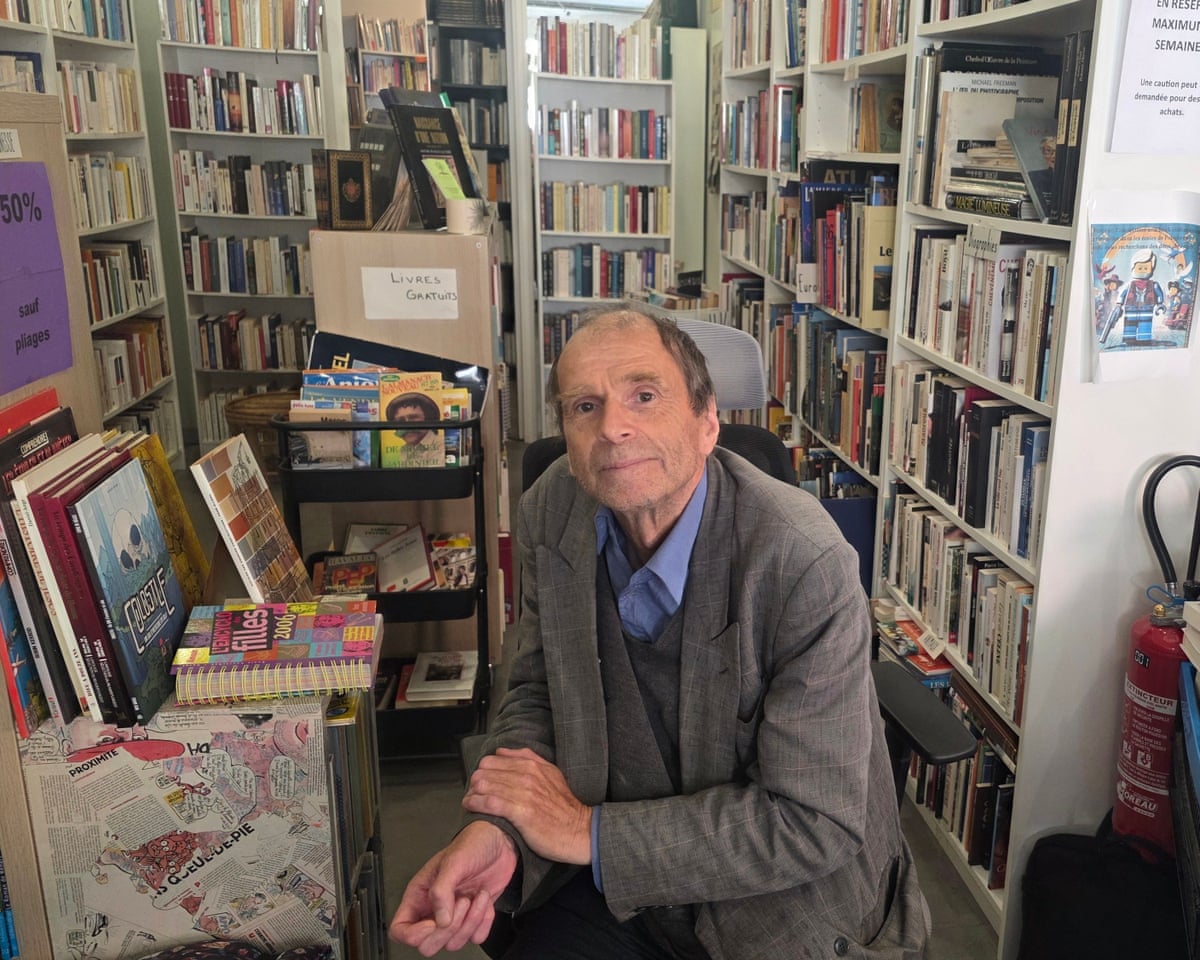
Neil, the bright, perky Liverpudlian schoolboy who once dreamed of attending Oxford, has endured a lifelong struggle with depression, periods of homelessness, and a brief marriage, alongside roles as a local councillor and lay minister. He now lives alone in France, the early perkiness long gone but his thoughtfulness and articulate nature intact. Though he acknowledges occasional loneliness, he reflects that such feelings are characteristic of his age and that he is "probably as happy as I can be, given my life."
What does the film reveal about Michael Apted's role and influence?
The final instalment includes substantial reflection on Apted's own impact on the series and the participants' lives. Archive footage shows Apted himself discussing what he learned over six decades, while the surviving participants offer candid assessments of his directorial approach. Jackie, perhaps his earliest and most vocal critic, challenges him over questions she felt he posed only to the women—particularly regarding marriage and sex—and confronts him about class bias in his interviewing. John characterises Apted as possessing "a sneering and somewhat supercilious manner" and suggests he portrayed the privileged as villains. Apted acknowledged in his own reflections that he was judgmental in the early years and gradually learned to step back, though the series remains unmistakably shaped by one man's vision, background, and embedded assumptions. By acknowledging these limitations, Kapadia's direction treats the achievement as an artefact worthy of admiration but also critical examination.
What is the broader significance of this conclusion?
The end of the Up series marks the closure of an unprecedented television experiment that spanned nearly six and a half decades. 70 Up was presented as a two-part final chapter airing on ITV1 and ITVX from 15 September 2026, allowing audiences to witness the final reflections of the surviving participants. The series has documented the evolution of British society, class structures, and individual aspiration across generations, creating a unique historical record that cannot be replicated. The decision to commission a final episode in response to one participant's terminal illness demonstrates the human bonds that had developed between filmmakers and subjects over decades of collaboration.
The film's elegiac quality stems not merely from the advanced age of its subjects but from the recognition that this particular chapter of social documentation has reached its natural end. Where earlier instalments could look forward to future developments and unfolding possibilities, this final version is necessarily backward-looking, inviting both the participants and viewers to assess lives lived and choices made. The series has always sacrificed detailed exploration of individual narratives for comprehensive coverage of the group, a limitation that becomes more poignant as opportunities for further development diminish.
Key Facts
- The original Seven Up! aired in 1964 as part of ITV's World in Action series, introducing 14 children from varied backgrounds to test whether early childhood circumstances determine adult outcomes.
- Michael Apted directed all subsequent instalments from the second film onwards until his death in 2021, making the series synonymous with his vision and directorial approach.
- The final instalment was commissioned after one original participant disclosed a terminal cancer diagnosis and requested a final interview, bringing the series to 70 Up after 63 years.
- The surviving participants, now in their 70s, reflect on lives shaped by their early circumstances, revealing outcomes ranging from expected privilege to unexpected resilience and hardship.
- Asif Kapadia's direction of the final chapter explicitly acknowledges the series' limitations as a journalistic venture, treating it as a historical artefact shaped by one filmmaker's perspective rather than an objective documentary record.