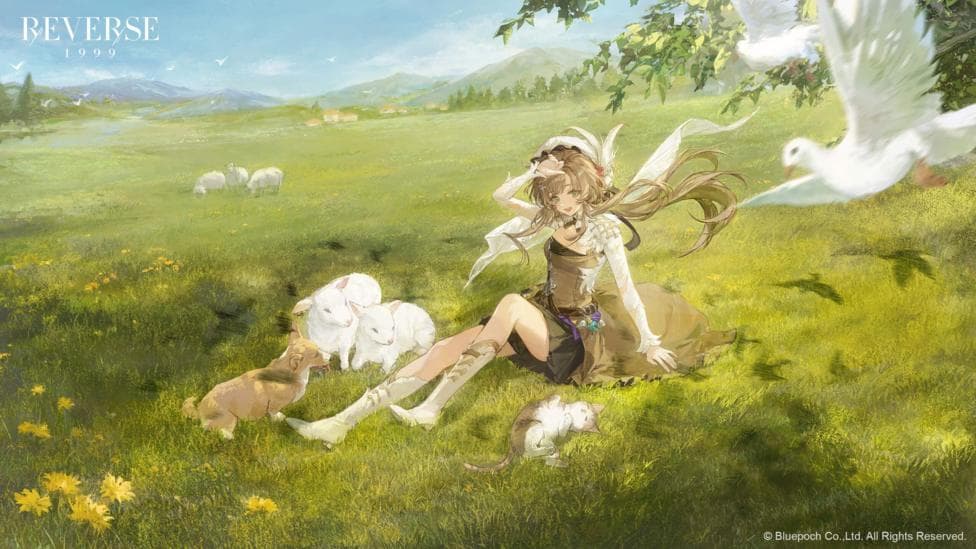
A character named Rhiannon, steeped in Welsh mythology and culture, has emerged as an unlikely protagonist in a Chinese role-playing game—a development that underscores the growing recognition of Celtic traditions within the global gaming industry. Bluepoch, the Chinese studio behind Reverse: 1999, deliberately wove Welsh elements into the game's narrative and visual design, drawing on the country's rich folklore to create a character that resonates with players worldwide.
The 20th Century Time-Travel Strategic game, which launched globally on 26 October 2023, features Rhiannon as a mystical bird trainer living in seclusion. She tends to a flock of Adar Llwch Gwin—creatures from Welsh mythology described as giant, intelligent birds capable of following human commands. According to game databases, Rhiannon is a six-star Beast-afflatus Support character who deals Mental damage and debuted in the game's Version 3.7 as an anniversary-limited character, with her banner running from 13 August to 3 September 2026.
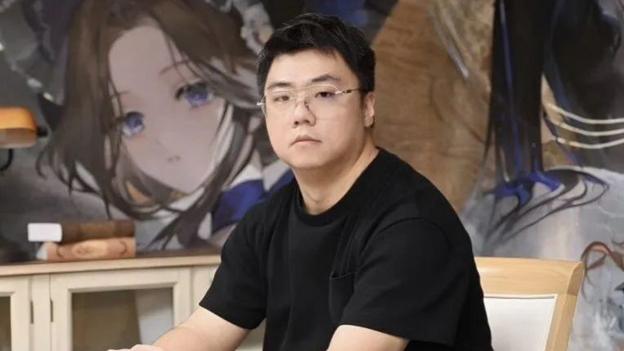
Bluepoch co-founder KK explained the creative reasoning behind the character's Welsh heritage. The studio recognised that Welsh mythology and folklore aligned naturally with the game's magical world-building.
We felt that the folklore, local traditions, and character of Wales suited the themes of the story particularly well.KK noted that the game deliberately draws inspiration from Welsh mythology because it exists in a universe where magic is real, creating what he described as a
natural point of connectionwith Wales.
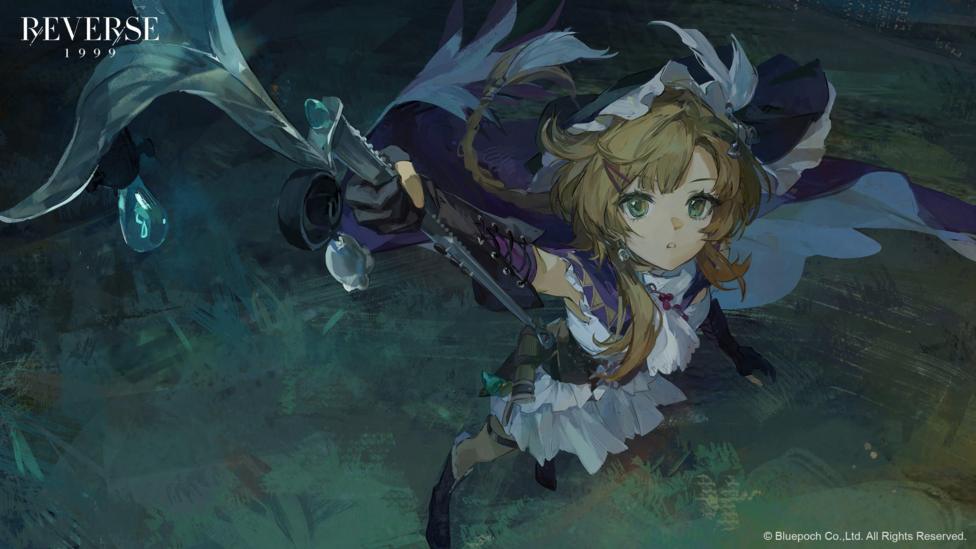
Rhiannon's visual design reflects this cultural integration. Her appearance combines
Welsh and arcane elementsthat honour her background, incorporating clothing inspired by shepherds and bird handlers. The design extends further to encompass broader Celtic traditions.
We also drew on a broader range of Celtic visual traditions, including Ogham script, the Tree of Life, and Celtic-inspired ritual motifs,KK added. The character's name itself carries significance within Welsh tradition, drawing from the Mabinogion, the collection of medieval Welsh legends.
KK reported that players have responded positively to Rhiannon's introduction, with online conversations emerging around
the legends and mythology reflected in different aspects of her character.When asked about future Welsh representation in the game, he expressed openness to expansion.
If the right story and cultural themes present themselves, we would certainly be open to exploring Welsh culture through future characters,he said.
How was the Welsh language incorporated into the game?
Rhiannon's dialogue was voiced by Rebecca Wang, a trilingual Asian-American voice actress, who faced the challenge of learning Welsh pronunciation for the role. Wang initially harboured reservations about accepting the part, as she had no prior familiarity with the Welsh language. However, the studio reassured her that Welsh would be used sparingly throughout the game to maintain accessibility for a global audience.
The learning process proved both demanding and rewarding. Welsh phonetics presented unexpected complexities for a native English speaker.
I quickly realised the Welsh language loves their Ws as vowels. I would have to learn how to pronounce these words.Wang highlighted specific examples of this challenge.
There's some that requires some throatiness, like bechan for example, which is a term of endearment, meaning little one.She described the experience as fascinating because
they're English letters that don't abide by English rules.

Wang, who describes herself as a language enthusiast, employed multiple resources to master the pronunciation. She consulted TikTok videos, YouTube tutorials, and worked with a dialect coach to refine her delivery. According to Wang's own account, she began recording for the project around spring 2025 and collaborated with One Line Studios on developing the character. Despite the technical difficulties, Wang characterised the entire process as
a fun process.Her engagement with Welsh has sparked a broader interest in the country itself. She expressed a desire to visit Wales in the near future to deepen her connection with the culture she helped bring to life in the game.
What does this mean for Welsh representation in gaming?
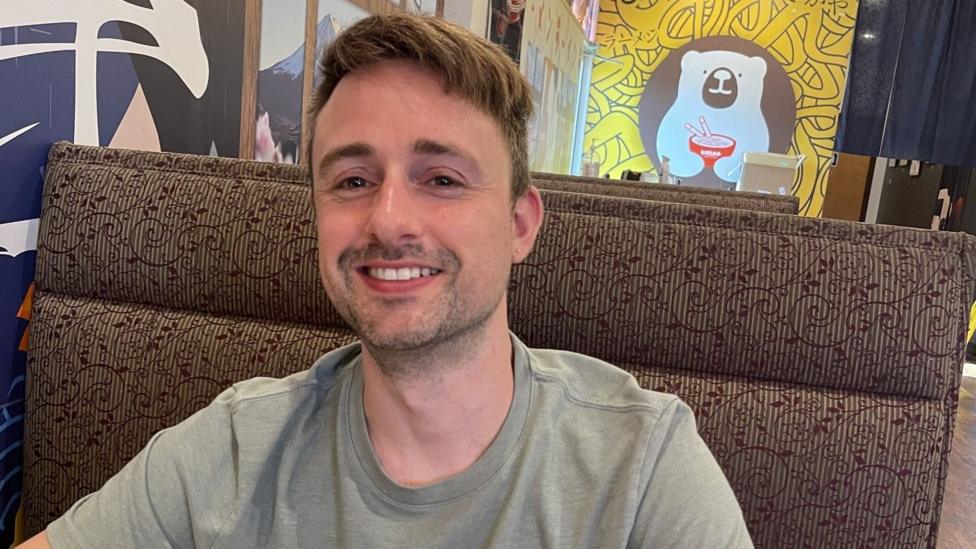
Aaron Elias, who operates a website dedicated to promoting video games featuring Welsh representation, views Rhiannon's inclusion as evidence of substantial untapped creative potential.
There's so much untapped potential when it comes to Welsh stories and characters,he observed. He believes that increased visibility of Welsh-themed games can drive meaningful change in the industry.
Hopefully more attention on those kind of games ultimately leads to better representation in games,he added.
Elias argues that Welsh history and mythology are particularly well-suited to adventure gaming. Developers, he notes, have begun recognising that
there are more mythologies out there than just Norse, Greek and Egyptian.Welsh sources offer distinctive creative possibilities. The Mabinogion, in particular, provides material capable of delivering
unique worlds, characters, and narratives.Elias emphasised the historical depth available to developers.
There's some of the oldest written stories in Britain from hundreds of years ago written entirely in the Welsh language,he noted.
Elias draws a parallel between Welsh gaming representation and the cultural impact achieved by other regions. He points to how Edinburgh-based Rockstar Games elevated Scotland's profile through the Grand Theft Auto franchise, particularly ahead of the anticipated release of GTA 6.
The video game industry is bigger than movies these days,he stated, underscoring gaming's cultural significance.
We want to see more Welsh representation, and bring more people and attention to Wales.
How have Welsh players responded to the character?
Barry Pritchard, a resident of Caernarfon who has been playing Reverse: 1999 for several years, expressed enthusiasm about seeing Welsh language and culture represented in a game he enjoys. While he acknowledged that some pronunciation elements were imperfect, he appreciated the effort itself.
Not many people attempt do the Welsh language in any way, shape or form. So it's just nice to see the attempt at least.
Pritchard reflected on Wales's limited presence in the gaming landscape.
Wales has a small cultural footprint when it comes to gaming, and that the accent is not something you see often.The inclusion of Rhiannon therefore held particular significance for him.
It put a bit of a smile on my face hearing it in this to be perfectly honest.
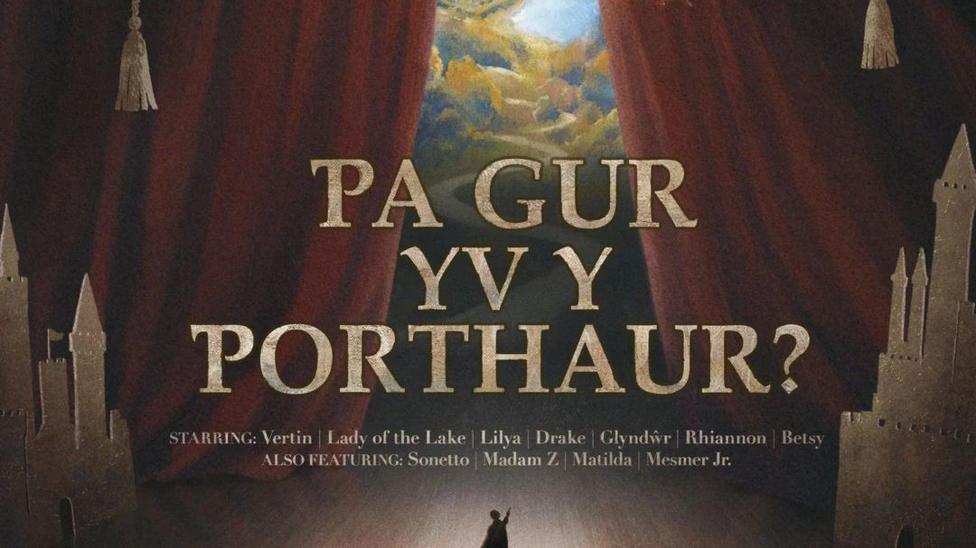
The game's attention to Welsh geography added another layer of authenticity. Characters reference Welsh locations, including the
witches market of Caernarfon,Pritchard noted. While most Welsh residents are familiar with Caernarfon, hearing it mentioned in an international game felt revelatory to him.
To hear that was eye opening, and I am more likely to check something out if it has links to the Welsh language.Pritchard clarified that Welsh language representation is not his sole reason for playing the game, but it remains a meaningful element.
Sometimes it's just nice to see that representation for our country.
Key Facts
- Rhiannon is a six-star character in Reverse: 1999 who debuted in Version 3.7 as an anniversary-limited character, with her banner available from 13 August to 3 September 2026
- Voice actress Rebecca Wang recorded the character's dialogue beginning around spring 2025 in collaboration with One Line Studios
- The game itself launched globally on 26 October 2023, after first becoming available in mainland China in May 2023
- Welsh mythology and folklore were deliberately chosen by developer Bluepoch to align with the game's magical world-building and narrative themes
- Gaming industry experts argue that Welsh cultural representation in games has potential to raise the country's international profile similarly to how other regions have benefited from major gaming franchises