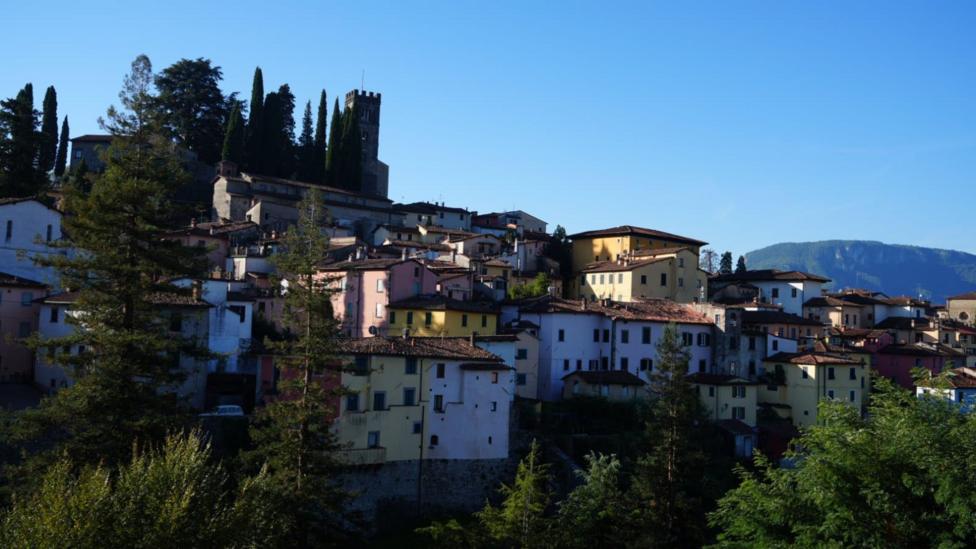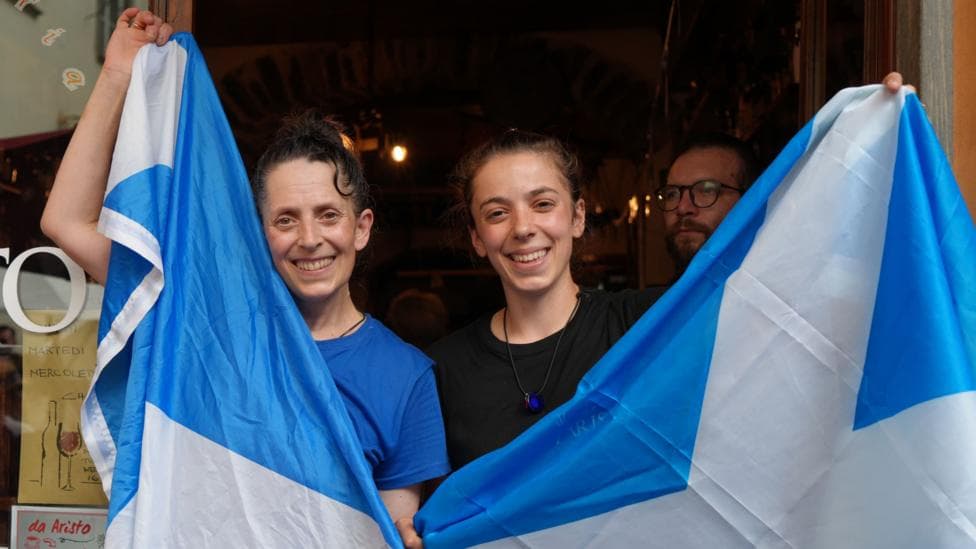
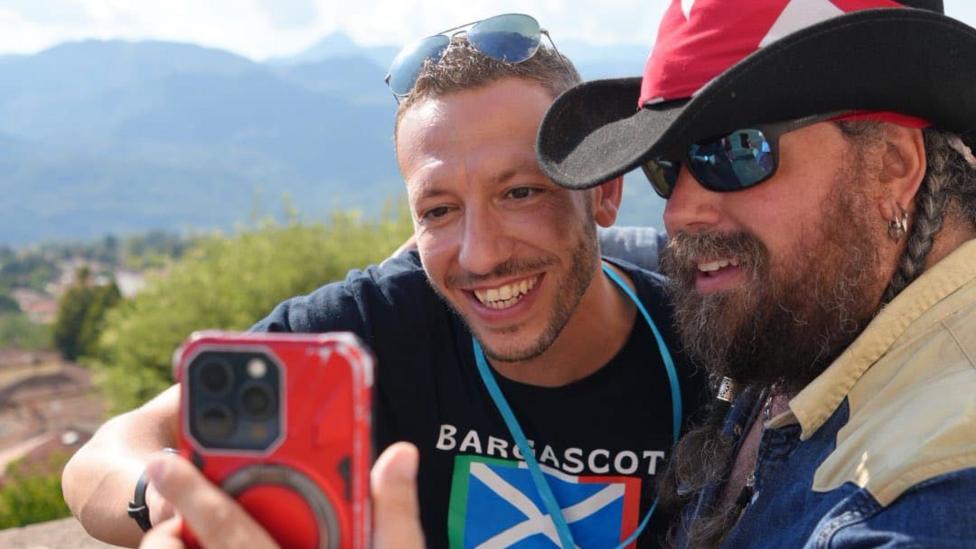
A small Italian town in Tuscany has drawn thousands of visitors to celebrate its deep historical ties with Scotland through a three-day festival held from 4 to 6 September. Barga, known as the most Scottish town in Italy, hosted its annual Scottish weekend featuring pipe bands, traditional dancers, Highland games competitions, and cultural performances that attracted between 5,000 and 6,000 attendees—a new record for the event.
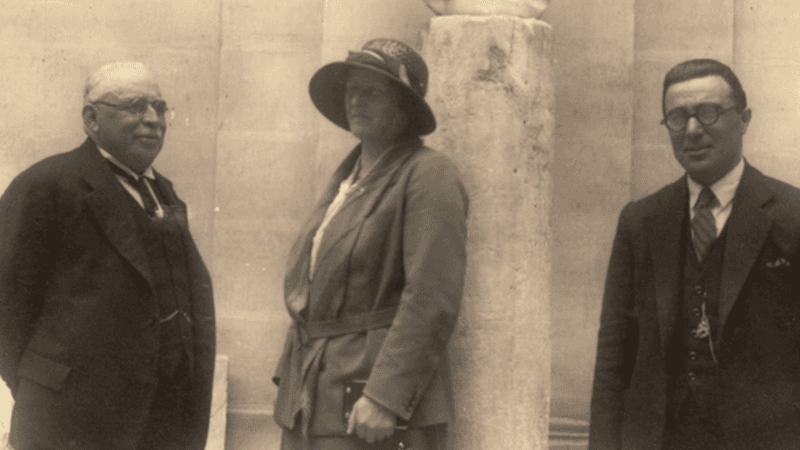
The festival's growth reflects the enduring connection between Barga and Scotland, rooted in waves of emigration that began in the late 1800s and continued through the early 20th century and between the two world wars. Residents of the Tuscan town left to escape poverty and limited economic prospects, with many settling in Glasgow and spreading along Scotland's west coast, where they established themselves in fish and chips shops, ice cream parlours, and other businesses before some eventually returned to purchase property or retire in their homeland.
Why does Barga have such strong Scottish connections?
The bond between Barga and Scotland developed through sustained emigration patterns and family networks that have persisted across generations. From the late 1800s onwards, Italian migrants from Tuscany and particularly the Barga area arrived in significant numbers, establishing themselves primarily in western Scottish communities. As international travel became easier in the 20th century, Scottish-Italians began returning regularly for summer visits, reinforcing cultural and family ties that remain visible today in the town's identity and annual celebrations.
The connection is so pronounced that Barga stages not only its Scottish festival but also an annual fish and chips celebration, honouring the culinary legacy of its emigrants. The local football stadium carries the name of Johnny Moscardini, the only Scottish-born player to represent Italy's men's national team, further cementing the town's unique position as a bridge between the two nations.
What happened at this year's festival?
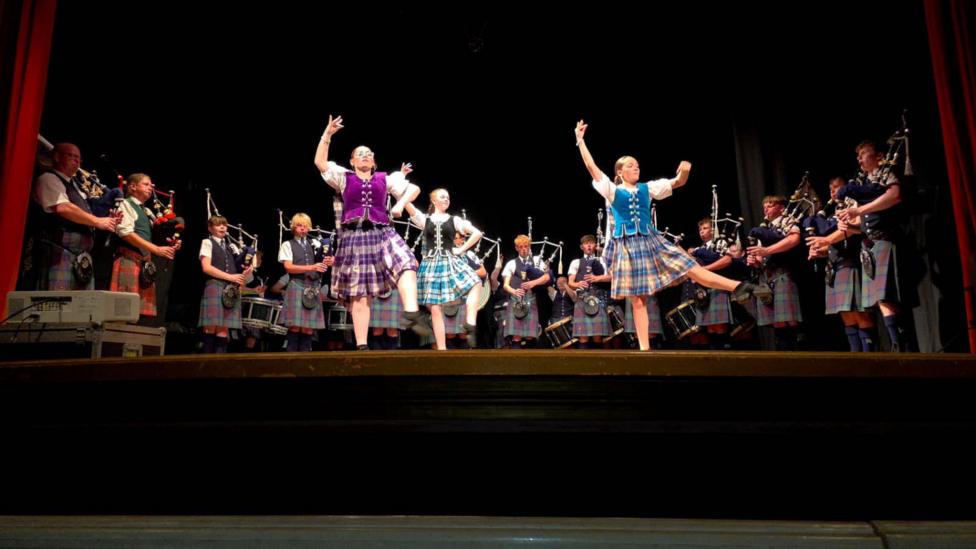
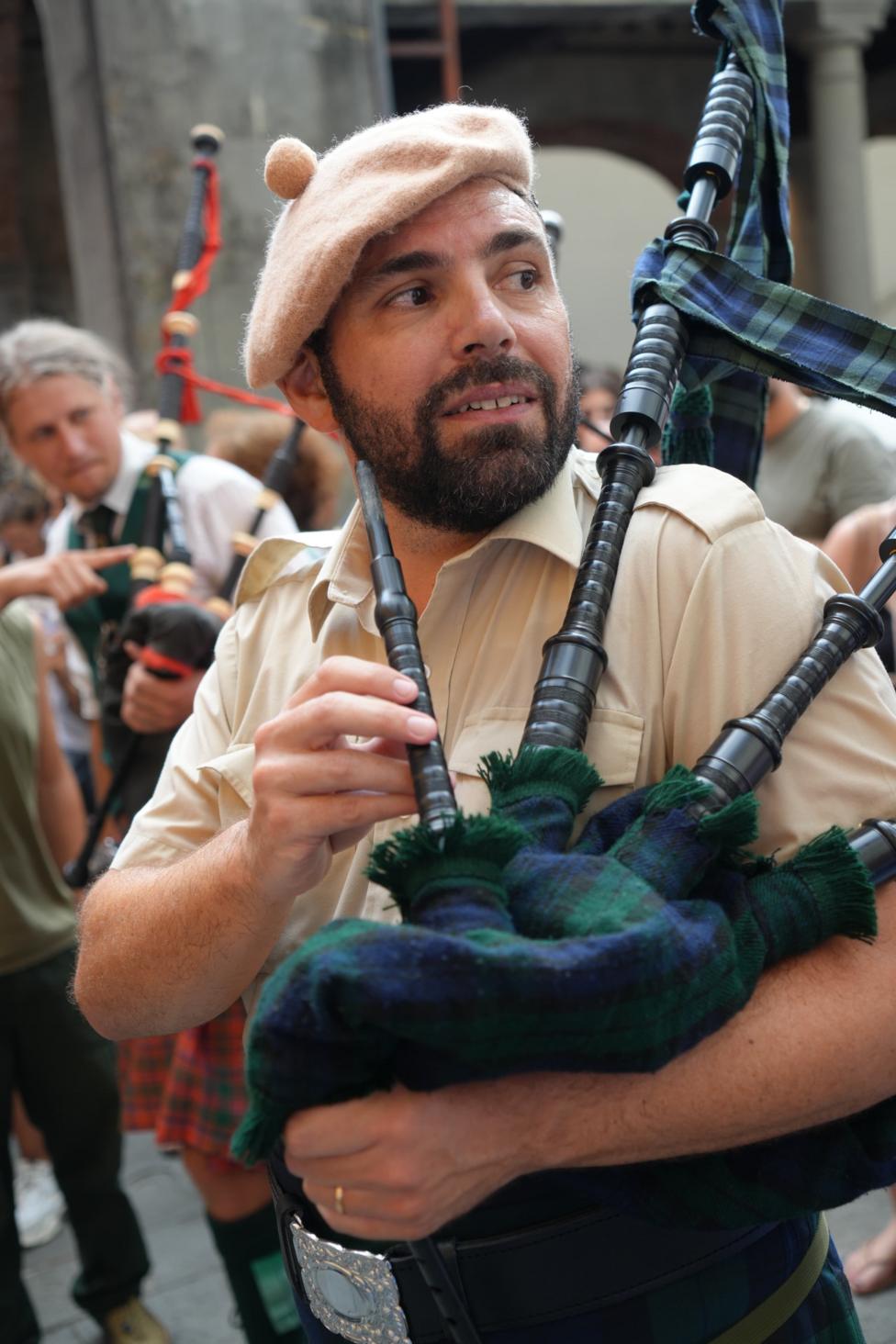
The 2026 edition, which ran from 4 to 6 September, began with an official welcome ceremony on 3 September at Palazzo Pancrazi for visiting groups and performers. According to local reporting, the festival featured the Isle of Skye Youth Pipe Band and Skye Highland Dancers, alongside a pipe band from British Columbia, bringing international Scottish culture to the Tuscan hillside.

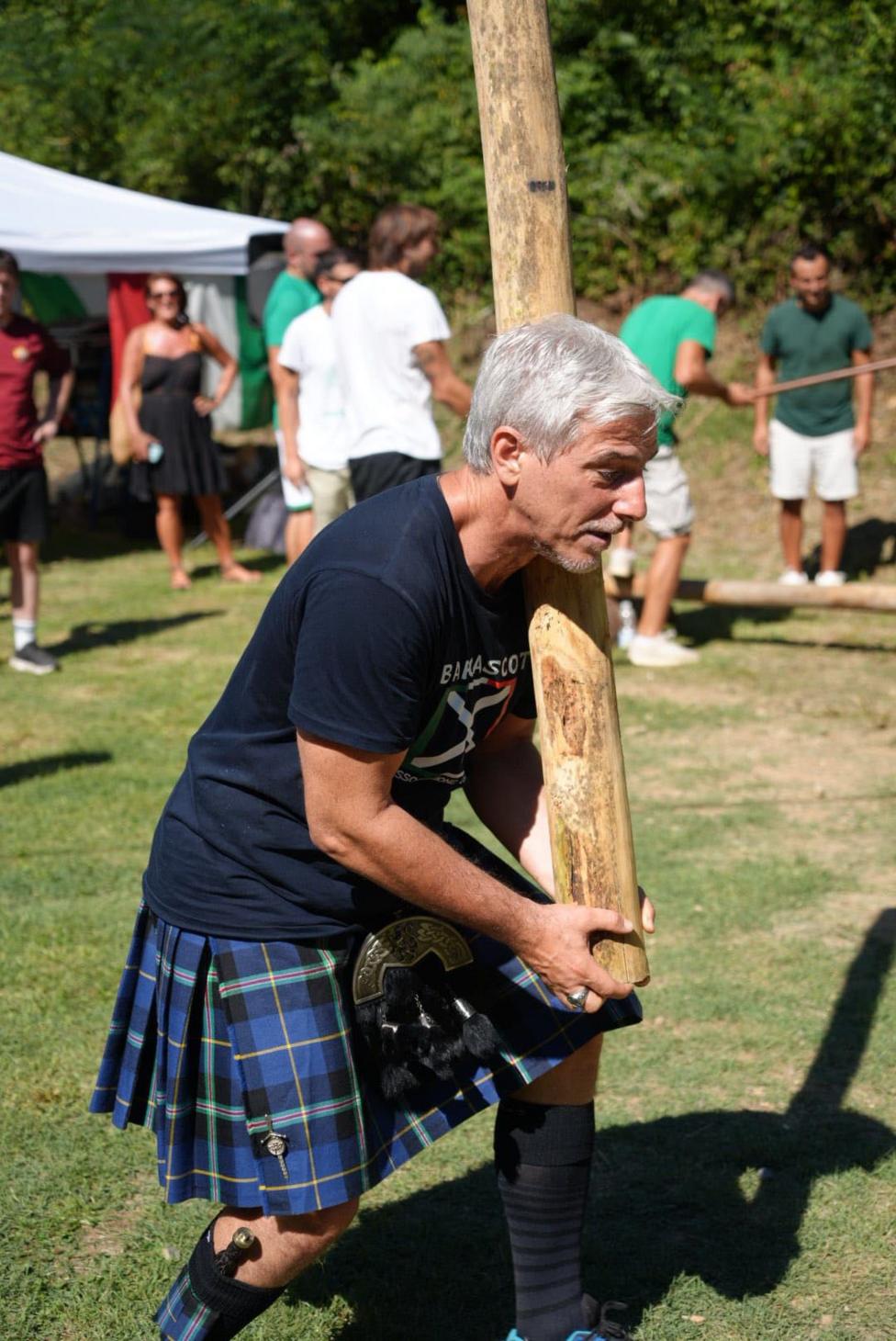
Friday 4 September opened with an itinerant parade through the town at 17:30, followed by a concert from Jill Jackson at 20:00 and a Celtic harp performance by Anna Livia Walker in Piazza Angelio. The Barga Highland Games took place on Sunday morning at Parco Kennedy, offering competitors and spectators a chance to experience traditional Scottish athletic contests.
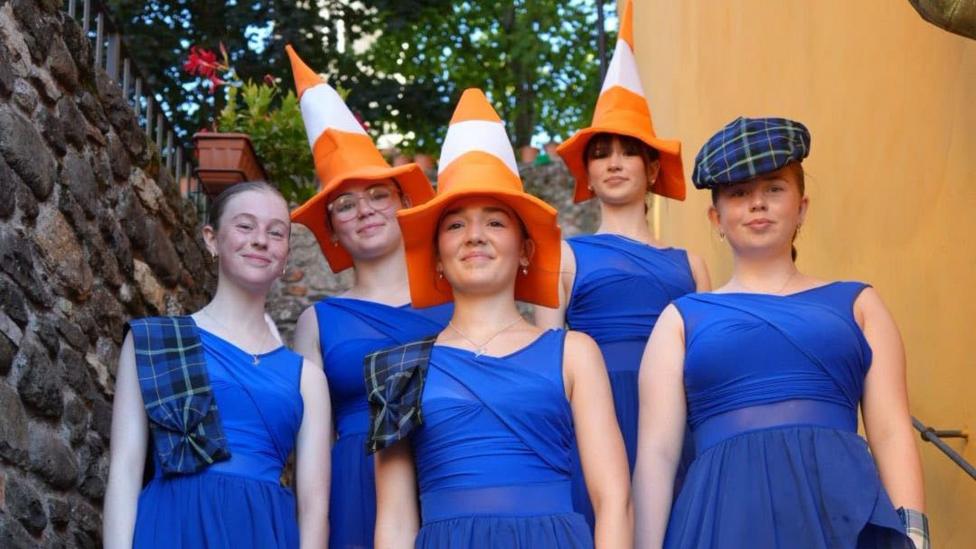
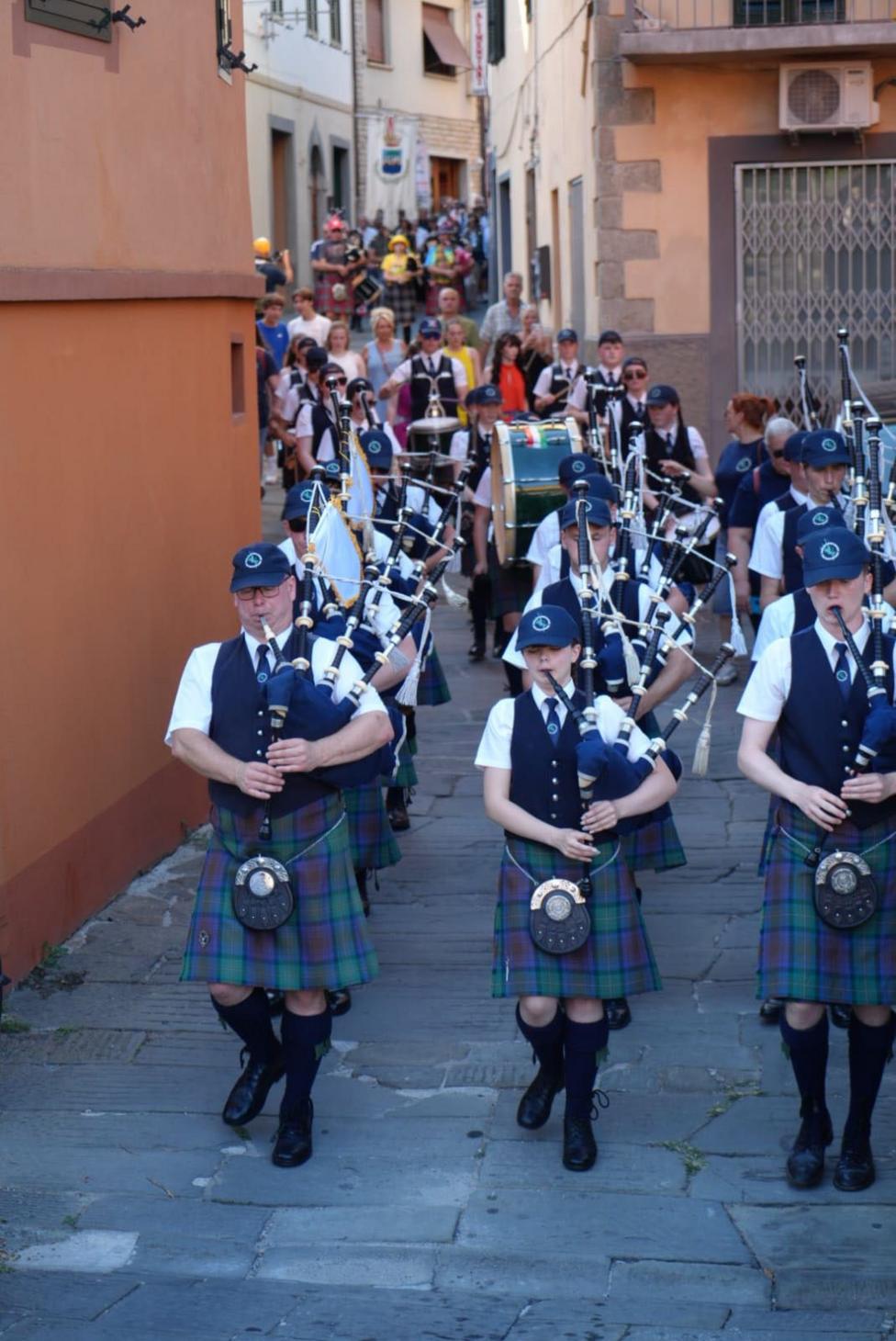
Throughout the weekend, restaurants across Barga incorporated Scottish ingredients into their menus as part of the festivities, while the town's theatre hosted traditional dancing performances. The local newspaper, Giornale di Barga, described the event as
an explosion of Scotland on the hills of northern Tuscanyand reported that
there is a real invasion of visitors for the festival dedicated to Scotland and the links between Barga and Scotland.
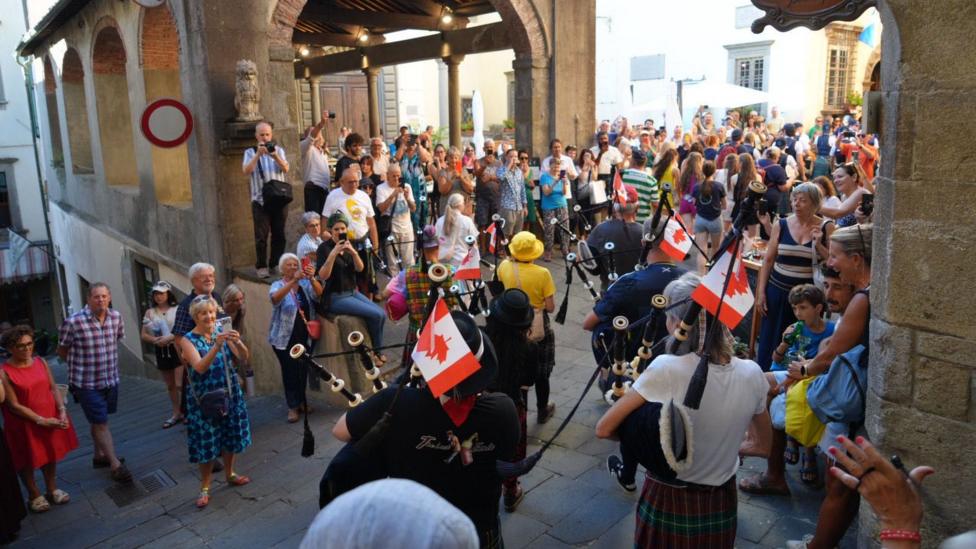
Organisers confirmed that attendance reached unprecedented levels, with the Giornale di Barga noting:
We have never seen so many people and it appears it was widely enjoyed as well.The record turnout reflects growing international interest in Barga's unique cultural heritage and the appeal of its Scottish celebrations to visitors from across the world.
How do modern families maintain these connections?
Many residents of Barga today have relatives living in Scotland, and families continue to travel between the two locations for holidays and extended stays. The festival serves as a focal point for these transnational communities, allowing Scottish-Italians and their descendants to reconnect with their ancestral home while celebrating the shared history that shaped both communities.
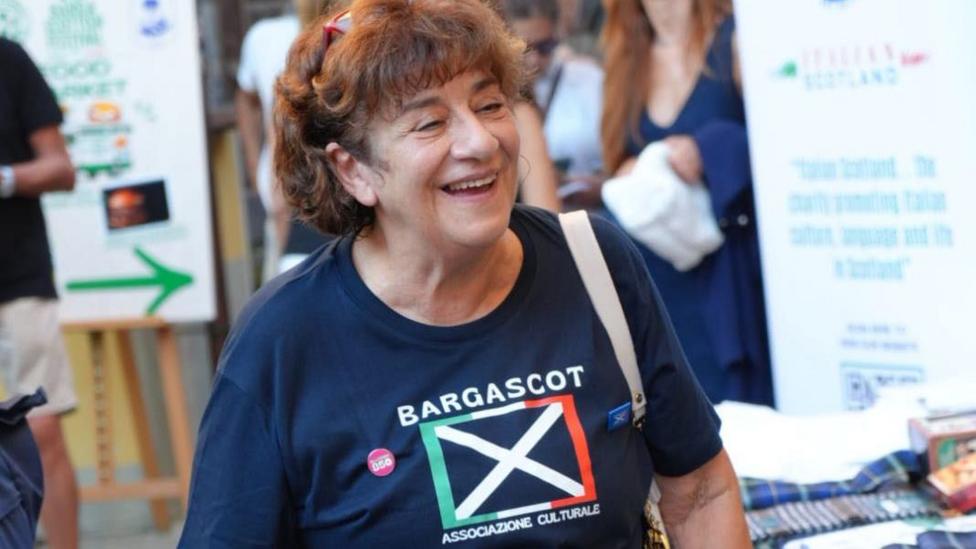
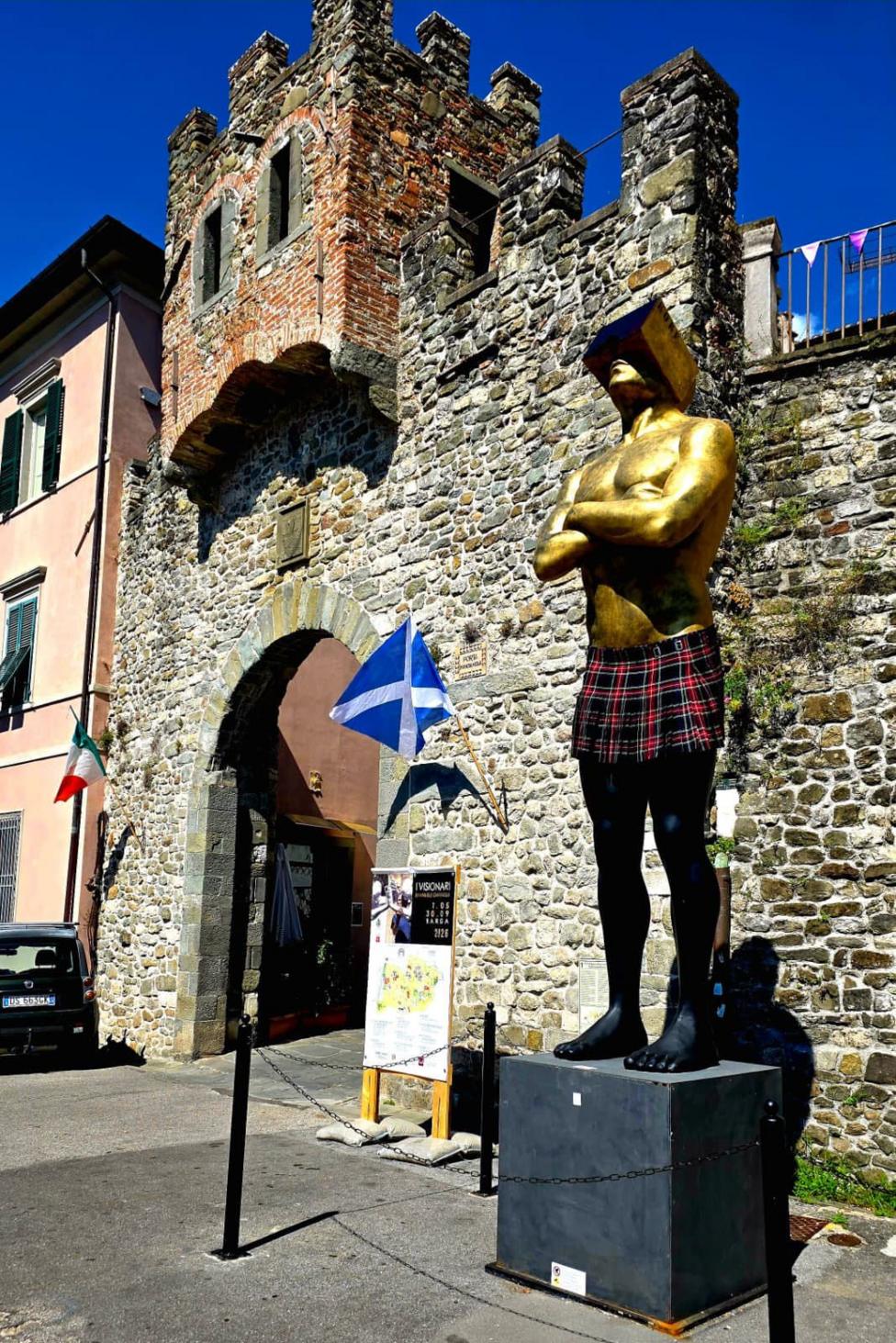
The town itself has embraced its Scottish identity visually and culturally. Even public artworks at the entrance to Barga's old town have been given Scottish themes, reflecting how deeply the connection has been woven into the fabric of local life and civic pride.
What happens next for the festival?
Planning for the 2027 edition has already begun, according to local sources. The festival has established itself as an annual fixture in early September, with organisers committed to building on this year's record attendance and expanding the programme of performances, competitions, and cultural events.
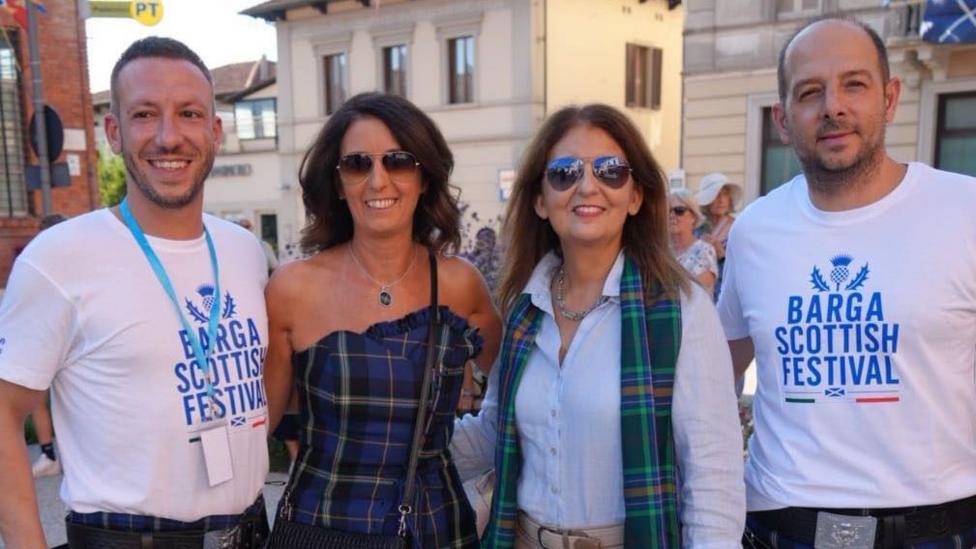
Key Facts
- Barga's 2026 Scottish Festival drew between 5,000 and 6,000 visitors, a new attendance record for the event.
- The festival featured international performers including the Isle of Skye Youth Pipe Band, Skye Highland Dancers, and a pipe band from British Columbia.
- Italian emigration from Barga to Scotland began in the late 1800s and continued through the early 20th century, with many settlers establishing fish and chips and ice cream businesses.
- The town's football stadium is named after Johnny Moscardini, the only Scottish-born player to represent Italy's men's national team.
- Barga also hosts an annual fish and chips festival, honouring the culinary legacy of its Scottish-Italian community.