

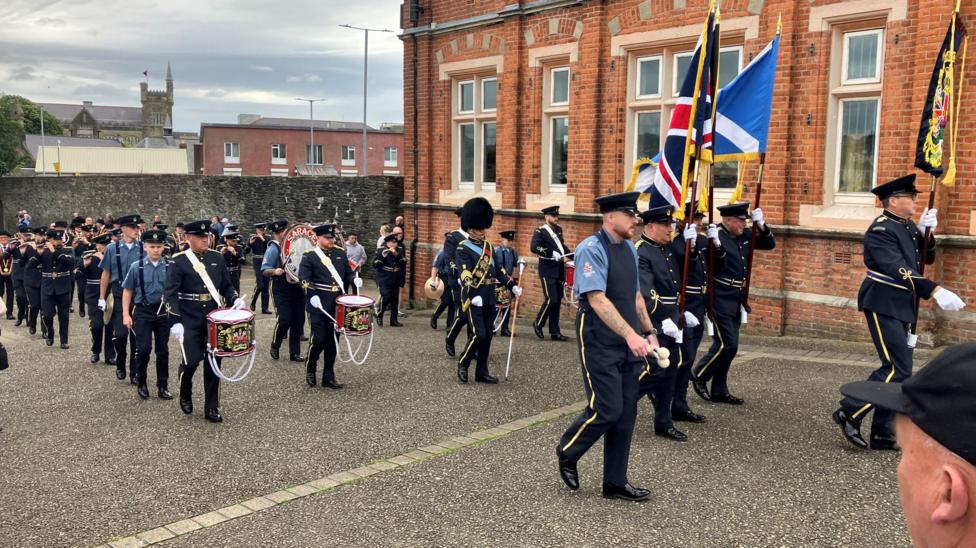
Thousands of spectators and marchers gathered in Londonderry on Saturday, 8 August 2026 for the Apprentice Boys' Relief of Derry parade, one of the largest loyal order events held anywhere in Northern Ireland. The event marks 337 years since the lifting of the 1689 Siege of Derry, and organisers say more than 10,000 Apprentice Boys members and over 125 bands took part in a traditional circuit of the city's historic walls.
According to a separate report from the Derry Journal, the figures were slightly higher than those cited by organisers on the day, with an estimated 11,000 Apprentice Boys and 127 bands expected to participate. The same report noted that in earlier years the parade has drawn crowds of around 15,000 Apprentice Boys, according to an Irish Times account of a previous march, suggesting some variation in numbers from year to year.
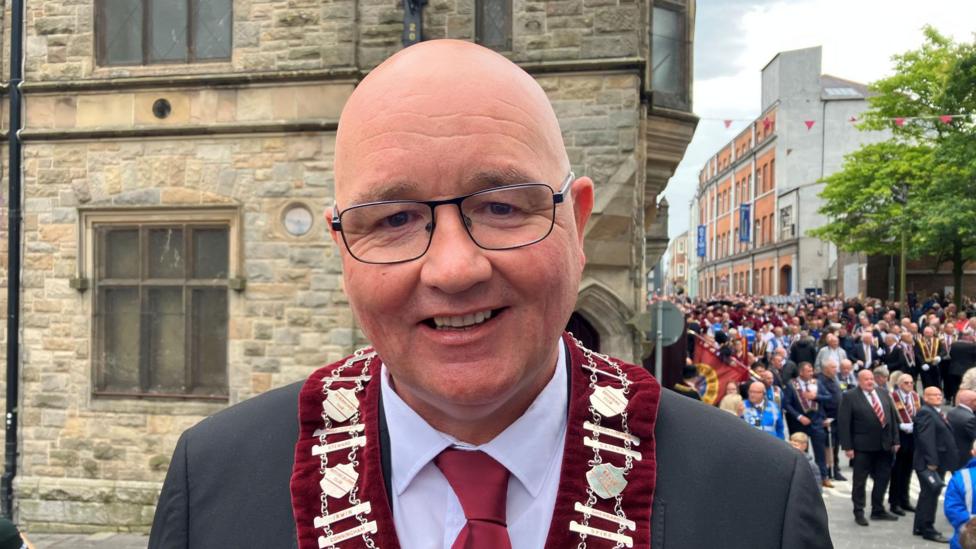
William Walker, Governor of the Apprentice Boys of Derry, described the occasion as both a solemn commemoration and a celebration of shared heritage. He said the day honoured the events of 1689 while also marking the traditions that have developed in the city since.
"Remembering what happened in the city all those years ago is the most significant aspect of the day," Walker said.
Ahead of the main parade, the eight parent clubs of the Apprentice Boys, together with their accompanying bands, completed a preliminary circuit of the city walls. A wreath-laying ceremony was held at the war memorial, and a service of thanksgiving was scheduled to take place later on Saturday at St Columb's Cathedral.
How is the parade kept running smoothly?
Walker explained that organisers rely on an approach refined over three decades to limit disruption for residents and businesses in the city. He noted that coordination with various agencies had been under way since the start of the year to prepare for the day's events.
"We try and make sure there is minimum disruption on the day because there are other people in the city, people trading, people in the shops," Walker said.
He added that he hoped visitors attending or watching the parade would treat the occasion, and the city, with respect.
"Come and enjoy it, come to remember the events in the city in 1689, come with dignity and with respect," Walker said.
What economic impact is expected?
David Hoey, general secretary of the Associated Clubs of the Apprentice Boys of Derry, said the parade would deliver a significant boost to the local economy, with roughly 125 bands and more than 200 clubs converging on the city. He said growing numbers of family members were now travelling alongside members arriving by coach and bus, drawn by the spectacle and colour of the occasion.
Hoey noted that demand for accommodation had been so strong that rooms were booked out months ahead of the event, with hotels, restaurants, pubs and other local businesses expected to benefit throughout the weekend.

What is the historical background to the parade?
The Relief of Derry parade takes place annually on the second Saturday of August to mark the end of the 1689 siege of the city. The siege unfolded amid the wider conflict sparked when the deposed Catholic monarch James II sought to reclaim the throne from his Protestant son-in-law, William III, also known as William of Orange or King Billy.
Protestant residents of the walled city backed William and famously shut Derry's gates against the advancing Jacobite forces, an act commemorated separately each year. The August parade marking the siege's end is one of two annual events held by the Apprentice Boys in the city; the other, held on the first Saturday of December, commemorates the closing of the gates on 7 December 1688 by 13 apprentices, the episode that triggered the siege itself.
Notably, the parade is scheduled for the Saturday nearest 11–12 August to align with the modern Gregorian calendar, rather than the original Julian-calendar date of 1 August 1689, according to the Derry Journal.
This year's parade followed closely on from other loyal order events across Northern Ireland, including the Twelfth of July parades and Eleventh Night bonfires held across the region in July, which commemorate King William III's 1690 victory, and the Orange Order parade in Rossnowlagh, County Donegal, which draws crowds from several counties each year ahead of the Twelfth.
The Parades Commission recorded the Derry event's official notified route for 8 August 2026, listing an expected 100 participants and 100 supporters for that specific route, according to the Parades Commission's published record — figures that relate to a specific segment of the route rather than the parade's overall attendance.
Loyal order marches in Derry have not been without controversy in the past. A previous Irish Times report noted that nationalist groups had at times organised protests against Apprentice Boys marches through the city, reflecting the continued political sensitivity surrounding such events.
What travel disruption did drivers face?
The Police Service of Northern Ireland (PSNI) warned motorists that a series of road closures would be in effect throughout the day and urged drivers to plan journeys in advance, allow extra time and take care on diversion routes.
Traffic disruption was expected to begin from around 09:00 BST, ahead of the main parade's start at 12:30. Parking restrictions applied along the parade route, with any vehicles left there unable to be moved until marchers had passed. The upper deck of Craigavon Bridge was closed for the duration of the parade, though the lower deck remained open with restricted access; drivers heading into the city centre were advised to use Foyle Bridge and follow signed diversions where possible.
According to a national broadcaster's report, closures affecting the main roads around the route, including the top deck of Craigavon Bridge and Duke Street, were brief and lifted once the march had passed through.
What happens next?
Road closures and diversions were expected to remain in place until both the main parade and its associated feeder parades had concluded, with PSNI officers stationed across the city to manage traffic and respond to any issues. Any return or follow-on parade activity will be governed by the route conditions and restrictions set out in the Parades Commission's determination, though no further scheduled hearing or decision on the matter has been identified at this stage.
Key Facts
- The parade took place in Londonderry on Saturday, 8 August 2026, marking the 337th anniversary of the end of the 1689 Siege of Derry.
- Organisers reported more than 10,000 Apprentice Boys and over 125 bands took part, while a separate report put the figures at 11,000 members and 127 bands.
- The main parade began at 12:30 BST, with road disruption starting from around 09:00 BST.
- The Parades Commission listed 100 participants and 100 supporters for the notified route.
- Accommodation in the city was booked months in advance, with local hotels, restaurants and pubs expected to benefit from the influx of visitors.


