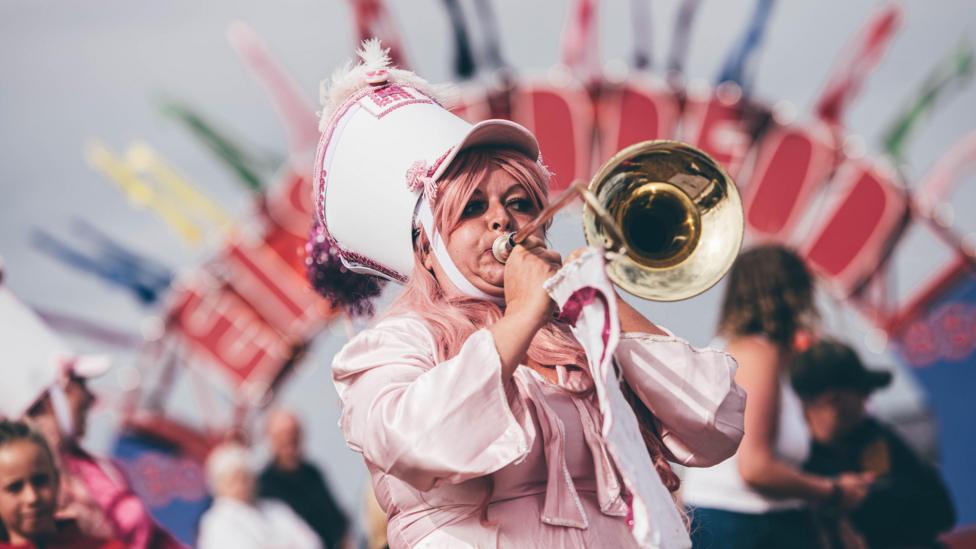
The popular festival runs from August 1-8. Wales' biggest cultural festival, the National Eisteddfod, is back for its annual celebration of Welsh language, music, literature, and arts.
Tens of thousands of people are expected to descend on the site between 1-8 August in Llantwd, Pembrokeshire - a short distance from where the first Eisteddfod was held 850 years ago. Helping kick off the festival this weekend were rock heroes Super Furry Animals, who performed their Welsh language album Mwng in its entirety for the first time.
Here's what you need to know about the 2026 festival.
This year's festival paraded a five-metre-tall puppet of medieval Welsh Prince Lord Rhys ap Gruffydd, who hosted the first Eisteddfod in 1176
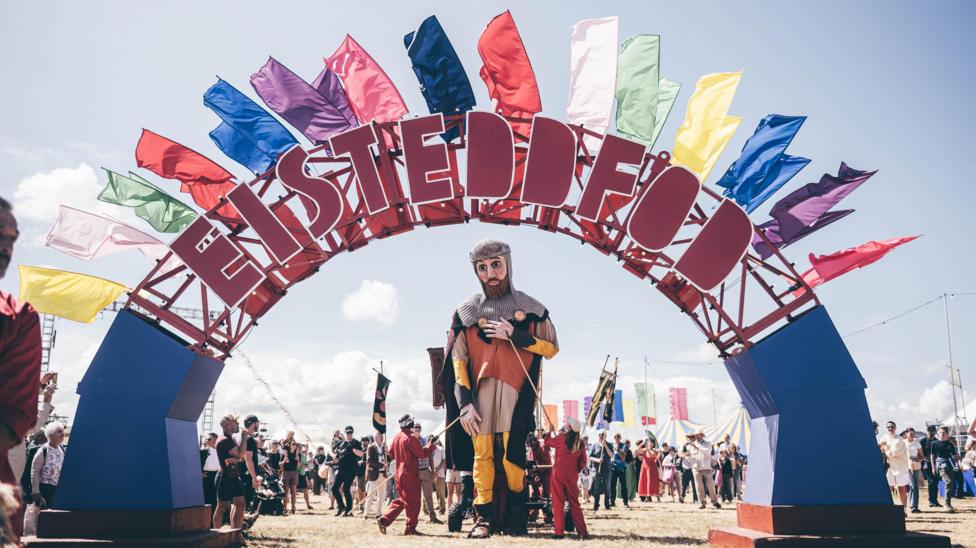
What is the Eisteddfod?
The National Eisteddfod of Wales (also known as Eisteddfod y Garreg Las) is the country's largest cultural event, and takes place in a different part of Wales each year, swapping between north and south.
It's Wales' largest cultural event, attracting about 150,000 people a year, and features poetry, literature, music, drama and visual arts, primarily conducted through the Welsh language.
You'll find competitive performances, concerts, exhibitions, stalls, activities and formal ceremonies.
There are other smaller versions of the festival that take place, like the International Eisteddfod in Llangollen and the youth-orientated Eisteddfod yr Urdd.
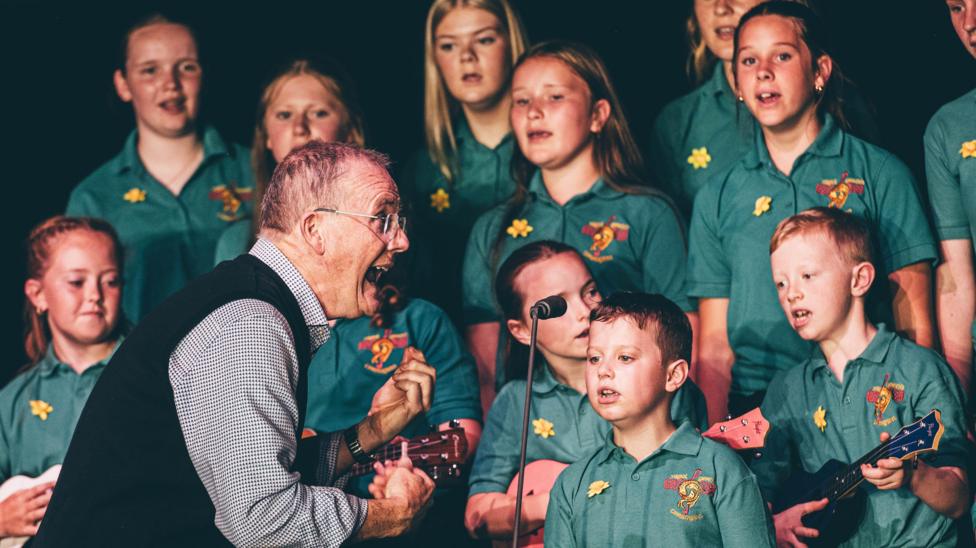
The Eisteddfod sees children and adults compete for prizes across music, literature, visual art and more
What does its name mean in Welsh?
The name Eisteddfod roughly translates into English as 'sitting-together' - with 'eistedd' literally translating to the English word for sitting and 'fod' a mutation of the word for 'to be'.
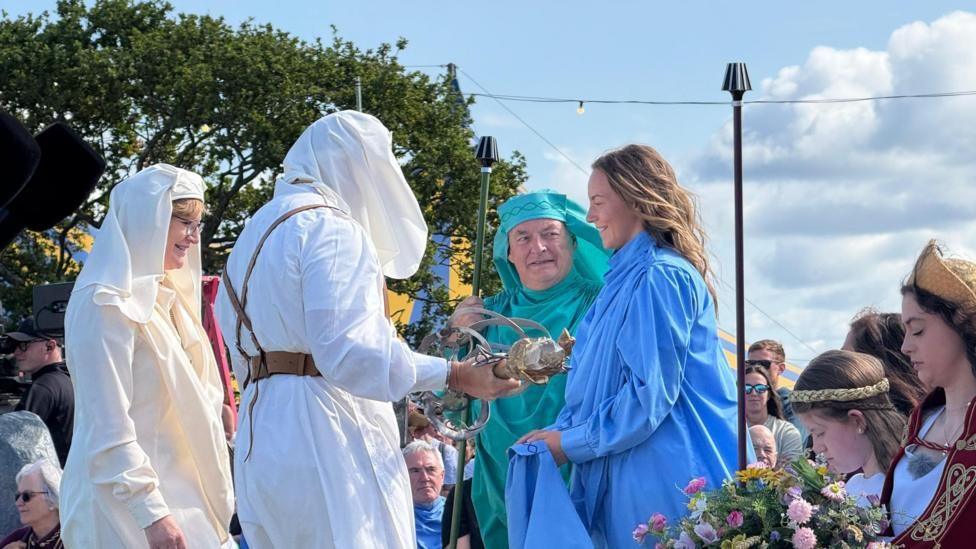
Other Welsh terms found at the festival include Y Maes (the festival site), Llwyfan y Maes (the festival's main open-air stage) and the Gorsedd of the Bards - a group of poets, writers, musicians, artists and other people who have made a distinguished contribution to the Welsh language and culture.
Wrexham AFC Women player Lili Jones, in the blue robes, was made an honorary druid by the Gorsedd of the Bards at last year's Eisteddfod
Members include singers Bryn Terfel and Mary Hopkin, actors Matthew Rhys and Ioan Gruffudd, Welsh rugby legends Gareth Edwards and George North, and television presenters Alex Jones and Huw Stephens.

While Welsh is spoken and used in performances by most people at the site, you don't have to speak Welsh to attend - although some people in the past said it could do more to cater to learners.
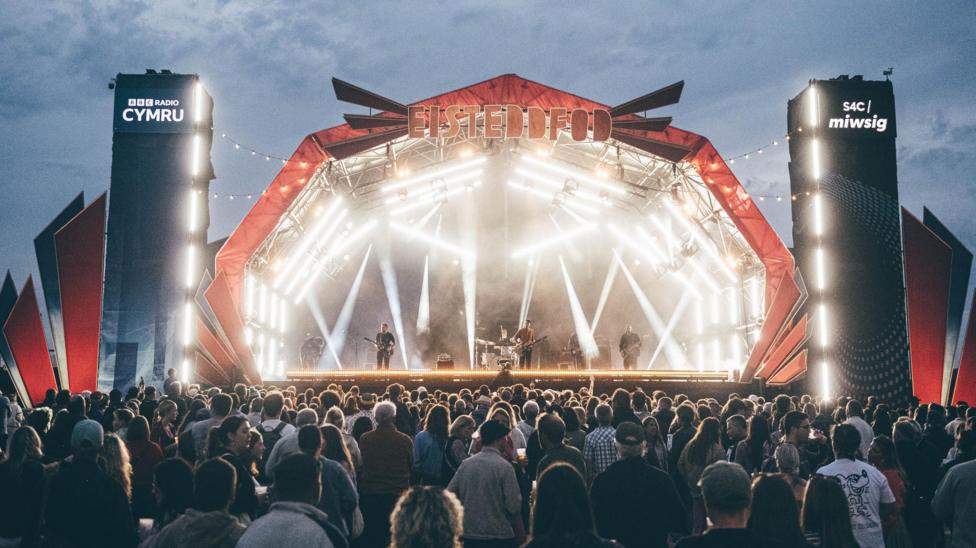
The festival sees a mix of traditional and contemporary musical performances
Where is it being held?
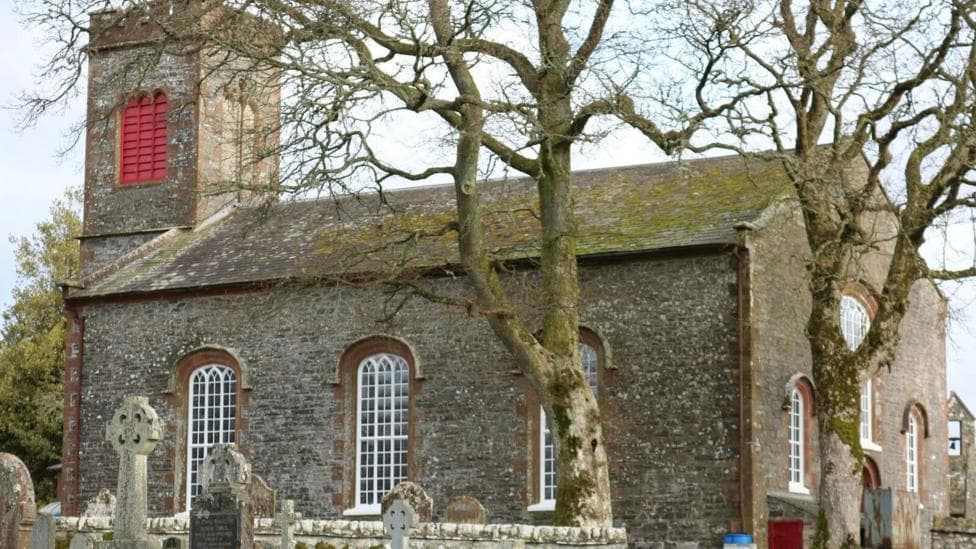
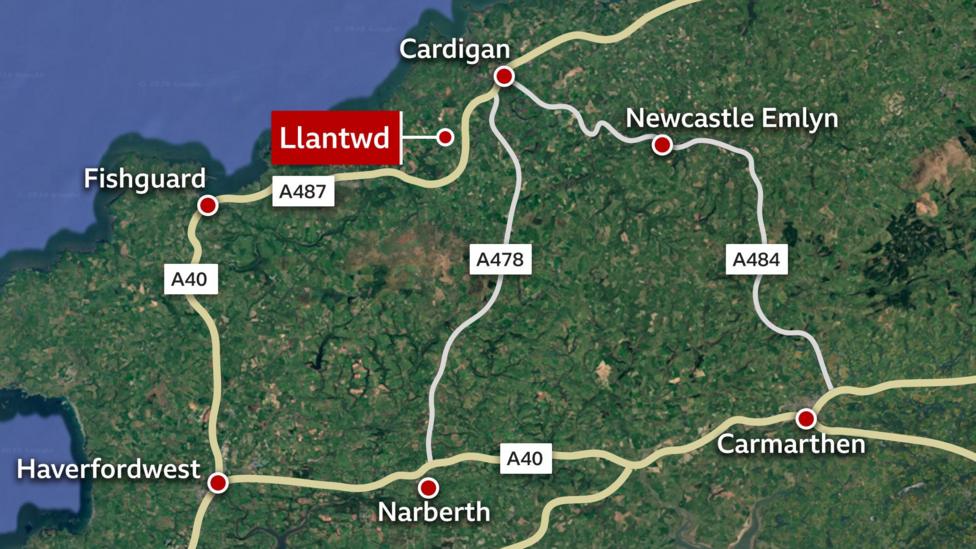
This year's festival is being held in the hamlet of Llantwd in north Pembrokeshire - less than four miles from where the very first Eisteddfod was held in Cardigan Castle in 1176.
The festival, like most others before it, is being held on a contained site in open fields with a main pavilion surrounded by tents and stalls.
Free shuttle buses are available from Carmarthen station direct to the festival site.
Trains from Cardiff Central to Carmarthen typically take less than two hours, and Swansea to Carmarthen less than 50 minutes.
A T5 bus service from nearby Fishguard also stops at the festival.
You can also reach the Eisteddfod by car, with on-site parking available for a fee.
The festival is being held in the western side of Wales, almost 100 miles (161km) away from the capital Cardiff in the south-east
How do I get tickets?
Eisteddfod day tickets can be bought from the festival's official website., external
Day tickets range from £15 for children to £25 for adults, with concessions for young people and senior citizens, while carers can enter free-of-charge.
Camping and caravan tickets have sold out.
The festival attracts about 150,000 people every year