

Highland Council and Inverness City Heritage Trust are developing proposals to preserve three of the city's oldest burial grounds—Greyfriars, Old High and Chapel Yard—while opening them up as accessible green spaces for locals and tourists. Councillors are due to consider approving a £20,000 contribution toward a feasibility study at a meeting scheduled for next week. The study would examine repairs to gravestones and other features, alongside new interpretation boards explaining each site's history.
Greyfriars is widely regarded as the eldest of the three, tracing its roots to a 13th Century Catholic order known as the Black Friars. The Old High burial ground sits beside what is considered Inverness's oldest church, while Chapel Yard Cemetery still holds gravestones dating back to the 1600s.
What could the study change?
The feasibility study is expected to explore ways to restore damaged monuments and other historic features, while introducing signage that gives visitors context on each burial ground's past. Council officials described the aims in a report, stating:
The study will seek to identify regeneration opportunities and develop a longer-term vision for the use of these spaces whilst recognising their sensitive nature and significant historic and cultural heritage.
Officials also indicated the study would consider how to improve the overall experience for people visiting each of the three sites.
According to a Highland Council planning report, officers are recommending that a formal conservation management plan be drawn up for burial grounds such as the Friary Street graveyard, and that a heritage impact assessment could be required should any major alterations be proposed. This kind of structured approach mirrors broader guidance from heritage bodies: according to national historic graveyard guidance, a conservation plan is typically paired with a landscape management plan that sets out maintenance schedules, minor repairs and larger conservation projects—precisely the kind of framework Inverness appears to be moving toward.
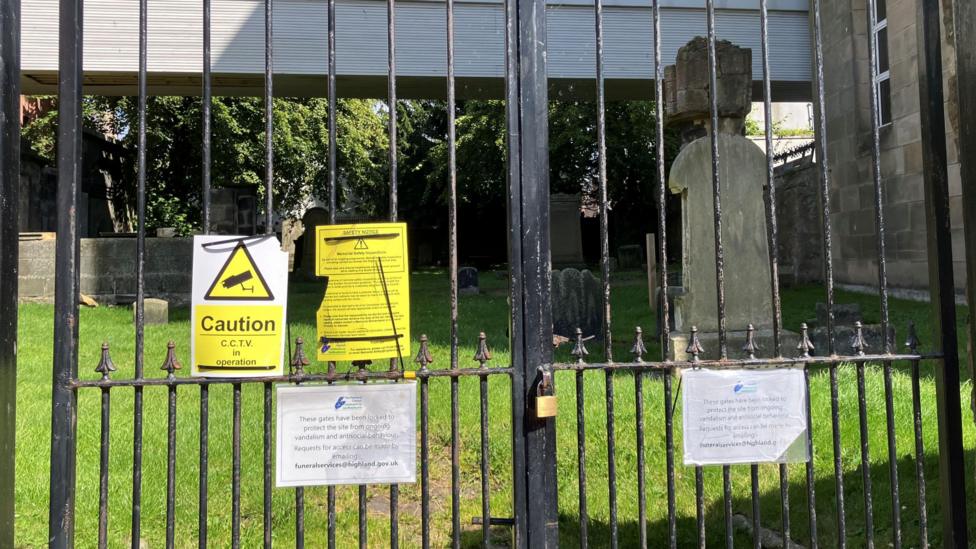
Separately, Historic England notes that cemetery management plans are generally designed to balance heritage protection with practical concerns such as vandalism, public access and visitor use—issues directly relevant to Greyfriars, which remains closed to the public because of vandalism.

In a related but separate matter, councillors have also been asked to approve £50,000 toward repairing railings at Tomnahurich Cemetery, a large Victorian burial ground that contains 169 Commonwealth War Graves for service personnel who died in the two world wars.
What is the history behind each graveyard?
Greyfriars, sometimes called Blackfriars, is largely concealed behind a sizeable telephone exchange building constructed in the 1960s. Its connection to the Black Friars religious order dates to the 13th Century. Local folklore holds that the site is haunted by a figure dressed entirely in black, and it remains a popular stop on ghost and heritage walking tours of the city, even though its gates are typically kept locked because of ongoing vandalism concerns.
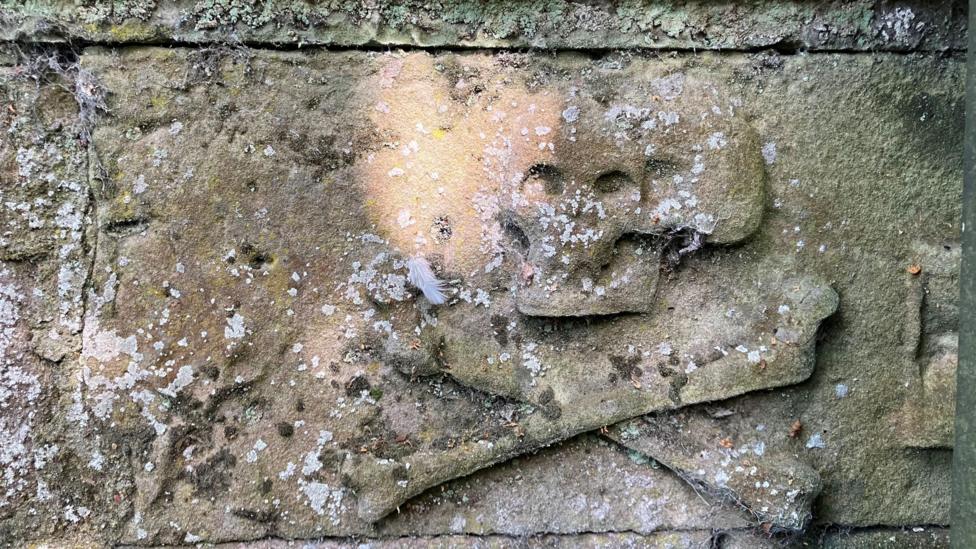
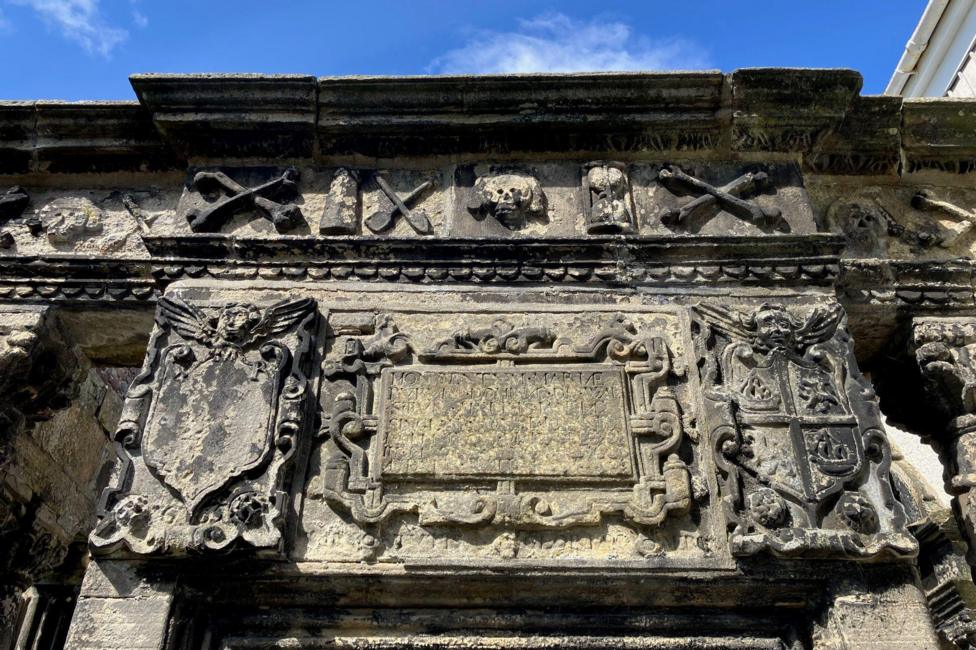
Chapel Yard serves as the resting place for members of the Forbes and Grant clans, along with various ministers, provosts and surgeons. Among its 17th Century graves is that of Hester Eliot, a great grandniece of Mary Queen of Scots. Some of the tombs there were damaged during a Jacobite assault on Inverness Castle's predecessor structure, which took place before the Battle of Culloden in 1745. The cemetery also contains 18th Century grave markers decorated with carved skulls and hourglasses.
Old High burial ground looks out over the River Ness and occupies the site of what is believed to be Inverness's oldest church. Tradition holds that the mound on which Old High Church was built is where the Irish missionary St Columba converted King Brude to Christianity in the year 565. St Columba is also tied to the legend of the Loch Ness Monster—an account of his life, thought to have been composed in the 7th Century, describes him encountering a strange creature in the River Ness.
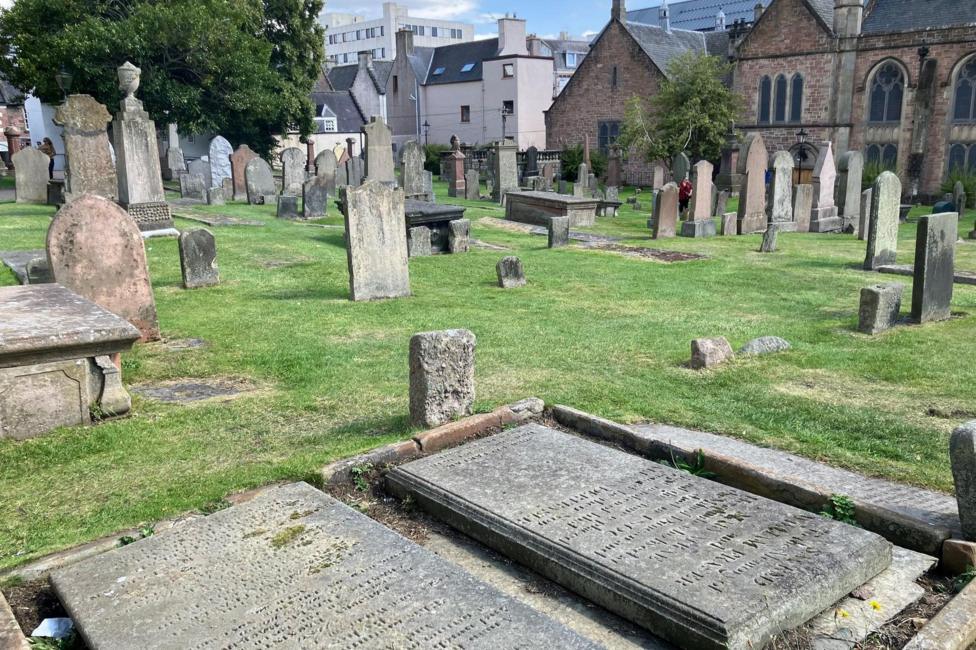
Following the Jacobite defeat at Culloden, the oldest section of Old High Church was repurposed as a prison, and captured Jacobites were executed within the church grounds. The church, now under community ownership, also carries a long-standing association with the Cameron and Queen's Own Highlanders regiments.
What happens next?
Highland councillors are expected to weigh the £20,000 contribution toward the feasibility study at a meeting scheduled for next week, according to a recent report. The outcome of that vote will determine whether the study—and any subsequent conservation management plan or heritage impact assessment—moves forward.
Key Facts
- Three historic Inverness graveyards under review: Greyfriars, Old High and Chapel Yard.
- Councillors will consider a £20,000 feasibility study contribution next week.
- Greyfriars is linked to the 13th Century Black Friars order and remains closed to the public due to vandalism.
- Chapel Yard holds 1600s gravestones, including that of Hester Eliot, a relative of Mary Queen of Scots.
- Separately, £50,000 has been requested for railing repairs at Tomnahurich Cemetery, home to 169 Commonwealth War Graves.


