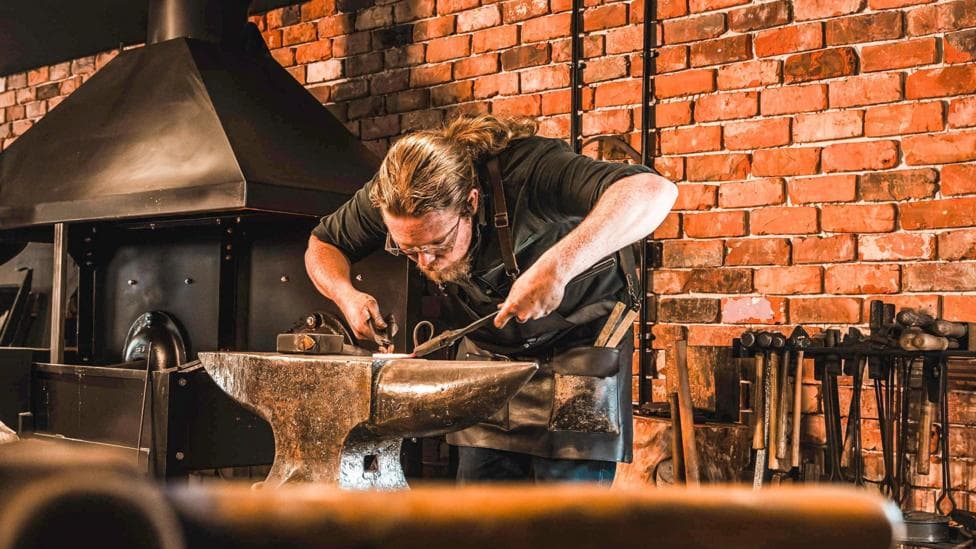
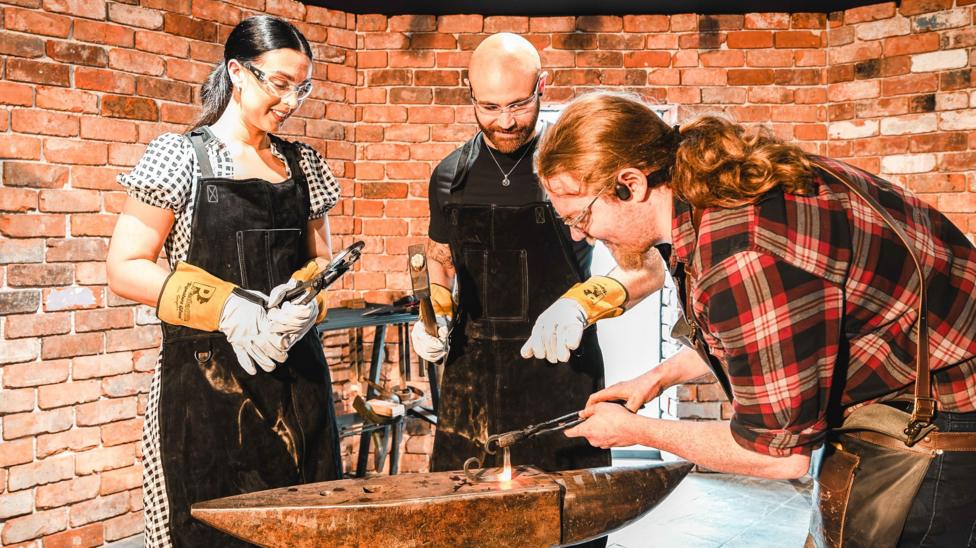
Blacksmithing has made a dramatic return to Scotland's most famous wedding destination, with the opening of a working forge that marks the first time the traditional craft has been practised in Gretna Green for more than 150 years. The new facility will enable visitors to witness skilled metalworkers at their craft and participate in creating their own souvenirs, while couples can forge personalised keepsakes to commemorate their marriages at the iconic venue.
For centuries, Gretna Green's reputation as a wedding destination was built on the blacksmith's anvil. When England's Marriage Act of 1754 prohibited marriages without parental consent for those under 21, young couples seeking to elope crossed the Scottish border where different laws applied. They could marry simply by declaring their intent before witnesses—typically conducted at the blacksmith's workshop, where striking the anvil became part of the ceremony itself. This tradition has persisted into modern times.
Joe Shevelan, the resident blacksmith now operating the new forge, described the moment as
incredibly specialto be part of restoring the craft to the village. Visitors to the forge will experience the glow of the fire and hear the ring of the hammer on steel as they watch traditional metalworking techniques in action. The experience goes beyond observation: visitors can press their own souvenir coins at the new forge, taking home a tangible connection to the craft and the location.
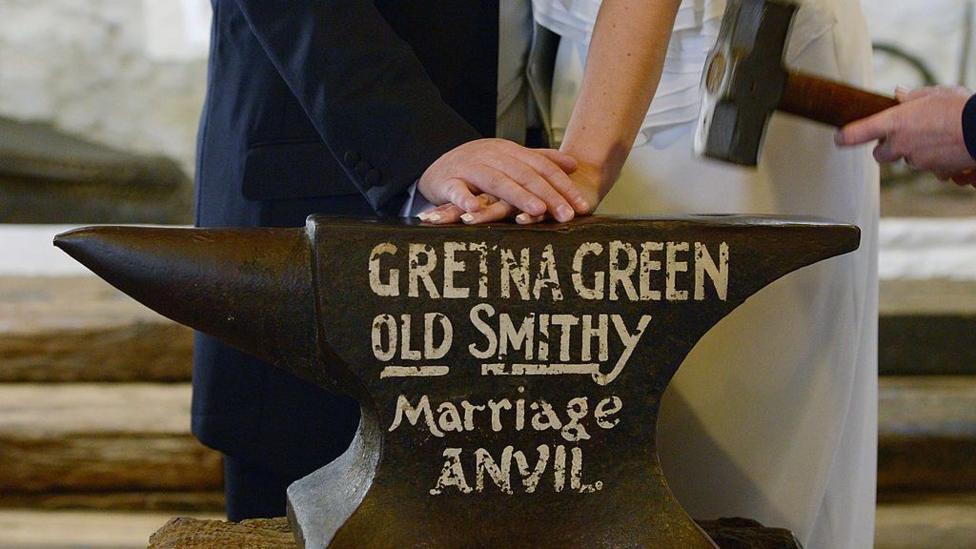
Over the generations, the economics of Gretna Green shifted dramatically. While blacksmithing had once been the village's primary trade, the marriage business proved far more profitable. Today, approximately 18% of all weddings in Scotland take place in Dumfries and Galloway, with the vast majority occurring at Gretna Green. This lucrative focus meant that traditional blacksmithing gradually disappeared from the village, leaving a significant gap in its cultural heritage.
How did Joe Shevelan come to revive this lost craft?
Shevelan's path to becoming Gretna Green's blacksmith began in childhood.
I decided I wanted to be a blacksmith when I was about 10, I think, I remember telling my mum that that's what I was going to be, he recalled. His early ambition had to wait:
They didn't let 10-year-olds run around in dangerous workshops - so I had to wait a little while before I could go and study down in Hereford.
His fascination with the craft was shaped by storytelling and imagination.
I think I've always liked the characters in movies and films and books and stuff, not the hero of the story, but the guy who made the hero's sword, he explained. This childhood dream eventually led him to formal training and a career dedicated to preserving metalworking traditions.
Being able to be the blacksmith returning to Gretna after 150 years really is an honour, he said.

What role does the blacksmith play in the community?
Shevelan emphasised that the blacksmith has always held an
important placein local communities throughout history. Although modern equipment has simplified many aspects of the work, he and his colleagues maintain traditional approaches, still striking the anvil and employing time-honoured techniques. The new setup uses traditional tools and techniques, with visitors leaving with a better understanding of the craft's history at Gretna Green.
The broader blacksmithing community is larger than many people realise. Shevelan noted that approximately 1,800 members belong to the British Artistic Blacksmithing Association, suggesting a thriving network of practitioners across the country. He expressed hope that his work at the new forge might inspire others to take up the craft.
I think inspiring just one person to pick up the craft would be enough for me, he said.
I'd love the site to develop into something so important to the future of blacksmithing that it lives way longer than I do.
What does this mean for couples getting married at Gretna Green?
For Michelle Henry, head of attractions and events at Gretna Green Ltd, the forge represents a profound reconnection with the venue's heritage.
Every piece that Joe crafts in the forge is unique so everything they make is unique to them and their marriage, she explained. This uniqueness transforms the experience into something deeply personal.
So it's really significant that they get to take a piece of Gretna Green away with them as well.
The family-run business, which has operated since 1825, now offers couples an opportunity to create lasting mementos that embody both their personal story and the historical significance of the location. Rather than purchasing mass-produced souvenirs, newlyweds can participate in the ancient craft themselves, forging a keepsake that carries genuine meaning and connection to Gretna Green's distinctive traditions.
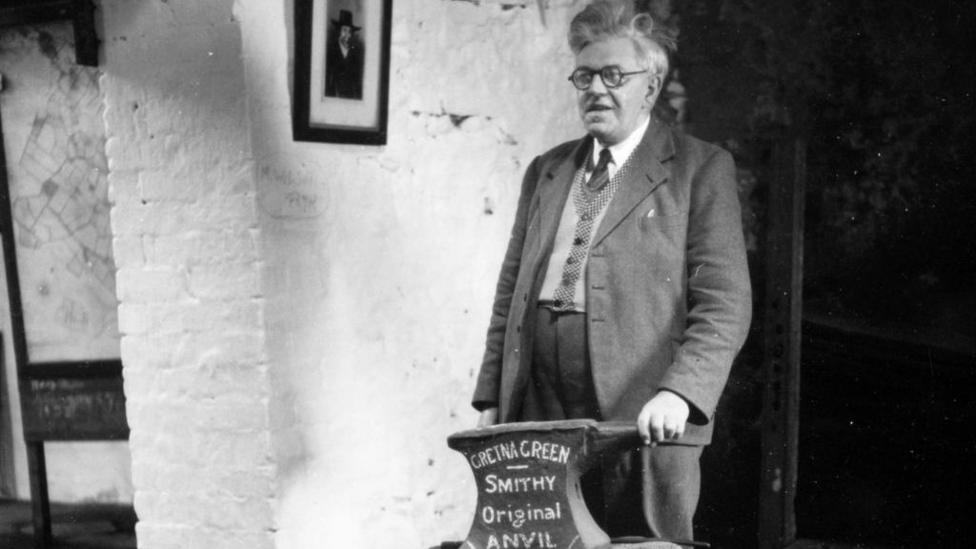
Gretna Green's transformation from a purely commercial wedding venue into a destination that celebrates its own craftsmanship heritage reflects broader interest in preserving traditional skills. The blacksmith tradition at Gretna Green dates back to 1754, when the English Marriage Act pushed eloping couples across the border to marry at the blacksmith's, establishing a connection between metalworking and matrimony that has endured for nearly three centuries.
When can visitors experience the new forge?
The forge and visitor experience are now open for visits, with the site operating daily and extended opening hours in the summer season. This marks a significant milestone for both Gretna Green as a destination and for the preservation of traditional blacksmithing in Scotland. The reopening of the forge fulfils a long-dormant chapter in the village's history while creating new opportunities for visitors and couples to engage with a craft that shaped the location's identity for generations.