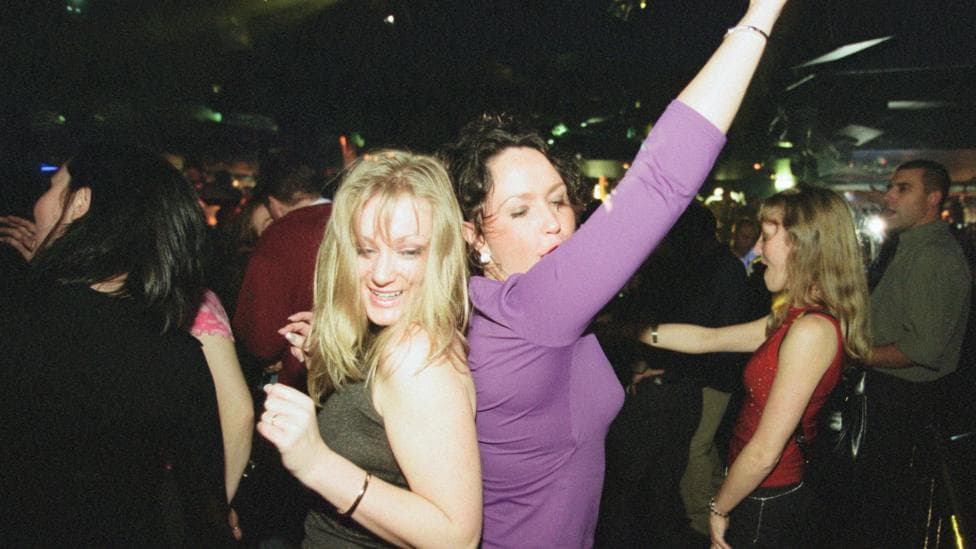
The disappearance of Glasgow's most celebrated nightclubs has prompted one former regular to document their cultural significance through a new walking trail and exhibition, ensuring their stories are not forgotten as the city's nightlife landscape continues to shift.
Archivist Nella McNicol created the Lost Nightclubs tour, which guides visitors through the locations of iconic venues including Archaos, the Arches and the Tunnel, alongside lesser-known establishments that shaped the city's social fabric. The initiative coincides with Doors Open Day, a weekend event that invites the public into significant buildings and spaces across Glasgow.
McNicol, who works at the University of Glasgow, argues that nightclub heritage merits the same recognition as the city's listed buildings and architectural landmarks.
Heritage can be something that is living and constantly evolving,she explained.
People have said to me 'oh I can't believe that was 30 years ago' - but that's a long period of time to go through, with the way things are constantly changing.
Traditionally, Doors Open Day showcases historic churches, theatres and celebrated architectural works such as the Mackintosh Tearooms. McNicol's approach broadens this definition to include more recent cultural landmarks that have shaped community identity and social life.
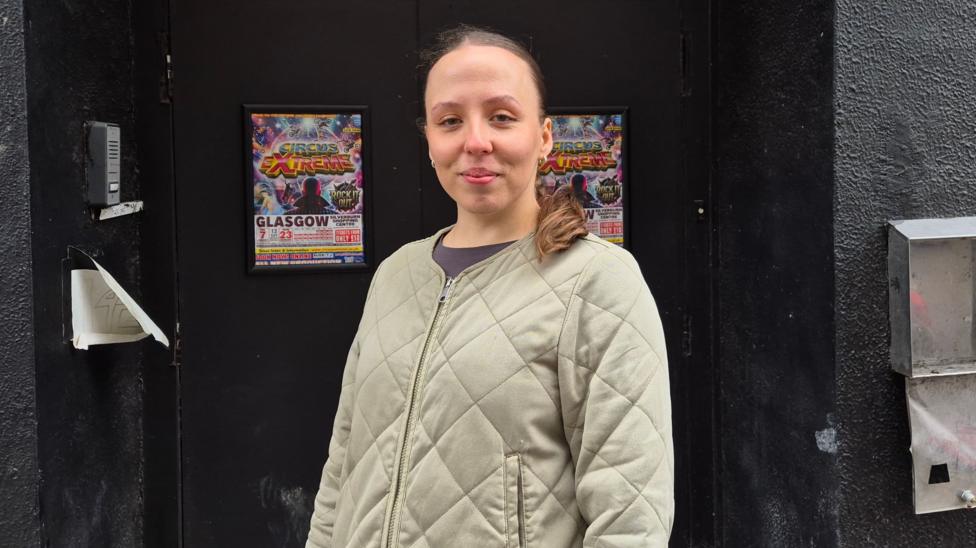
The tour begins at the Flying Duck on Renfield Street, a personal favourite of McNicol's that closed earlier this year. For McNicol, clubbing provided a formative space during her teenage years.
I was a bit of a strange teenager, and I was into quite random music,she said.
I liked weirder stuff and the Flying Duck was the perfect place for that – it was a free-for-all in terms of what each night had on. I was obsessed with Bjork and there was a Scandinavian-themed night there that I went to.
She also recalled other significant venues with affection.
Bonjour in the Saltmarket was great too - they had the most fun nights imaginable. I remember it was the first one I went to after the Covid lockdowns, and it was genuinely euphoric.
Why preserve nightclub history?
The accelerating closure of Glasgow's clubs prompted McNicol to consider how these spaces and their stories could be preserved. High-profile shutdowns have included the Arches, the Shed on the southside in 2024, and the Garage, which has reduced operating hours and been placed on the market in recent years. The Garage previously marketed itself as welcoming clubbers every day of the year.
Over the last few years I've seen so many clubs shut, and it made me think what is being done to preserve these stories,McNicol said.
I'm highlighting the spaces themselves, but also the stories that come from them.
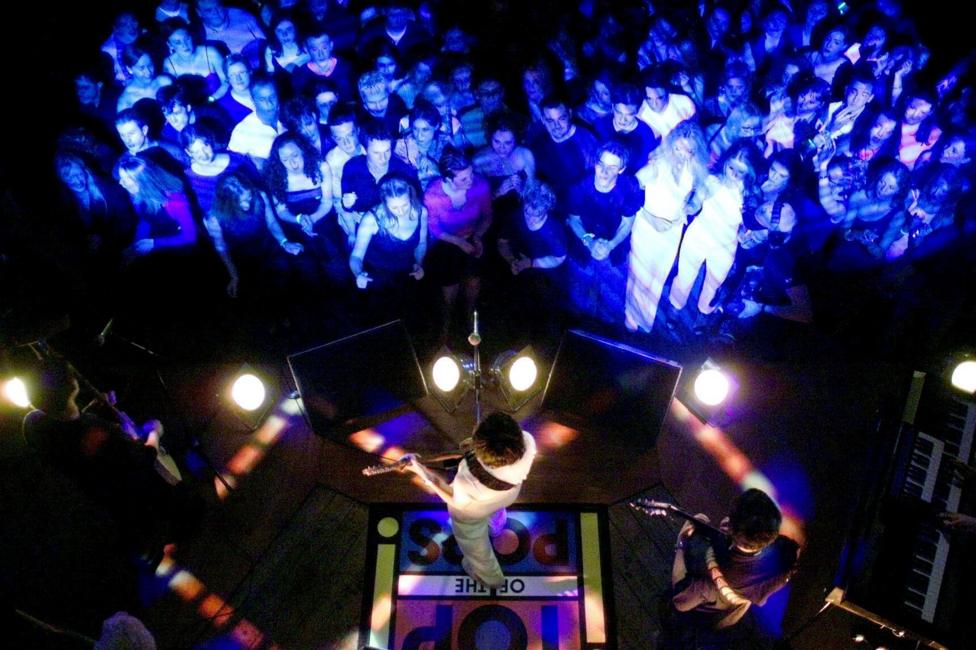
The personal narratives tied to these venues underscore their cultural value.
Two of my friends first met in the Tunnel (on Mitchell Street) and now they have been married for 25 years,McNicol noted.
I know of someone else who sent in demo tapes to various clubs and ended up with a career in music because of it.

She raised concerns about what the loss of these spaces means for future generations.
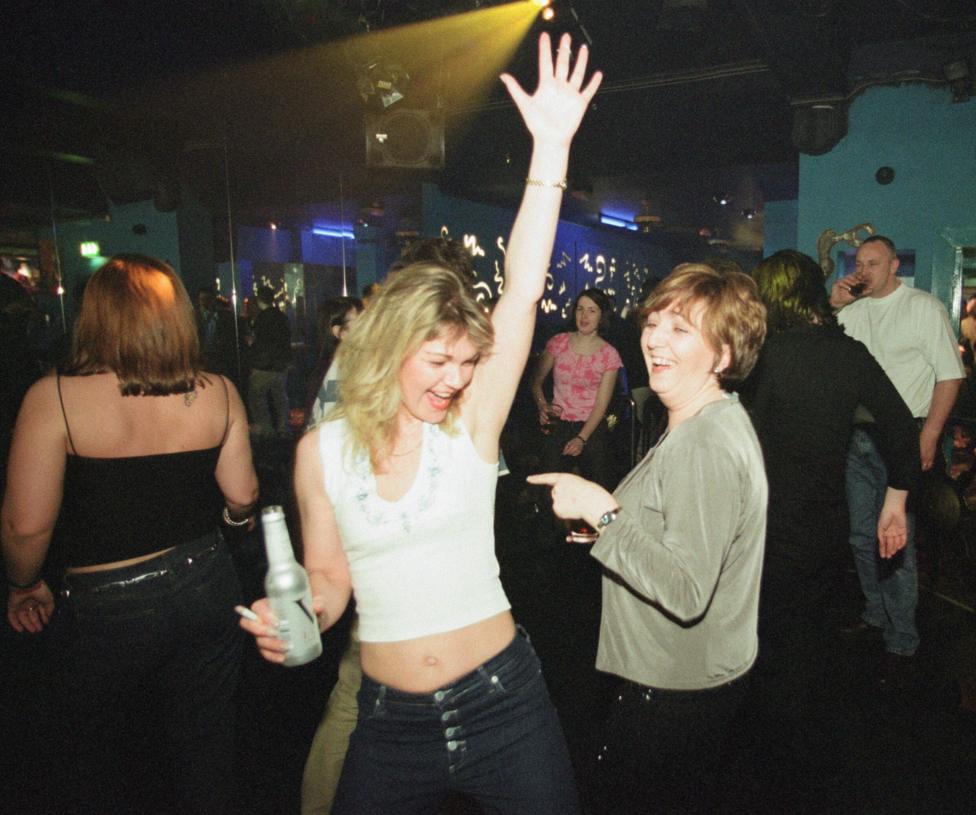
When these spaces are gone, as is happening more and more, where are these opportunities for young folk to meet their future partner, or somewhere they can send in a random demo tape to and get a chance to perform?
What does the exhibition include?
Alongside the walking tour, an accompanying exhibition at the University of Glasgow's advanced research centre presents photographs, memorabilia and visitor memories. The exhibition also invites people to contribute their own recollections, creating an interactive archive of Glasgow's nightlife culture.
Venues not featured on the walking route still feature prominently in public memory. Cleopatra's on Great Western Road, colloquially known as Clatty Pat's, frequently emerges in nostalgic conversations, though it is not part of the tour itself.
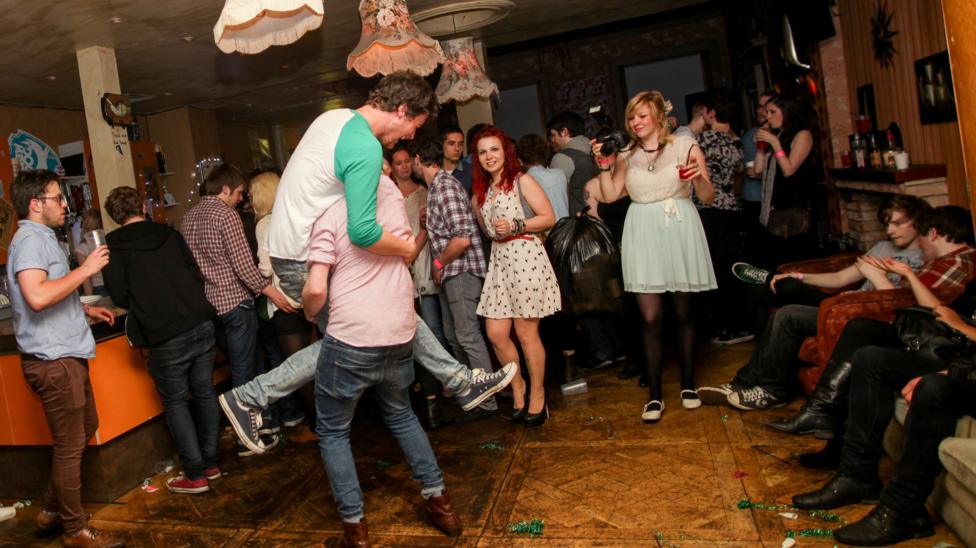
These things are a big part of your life and form part of your identity,McNicol said.
Chatting to folk at the exhibition means you're reminiscing, you're sharing stories and you're connecting with people.
How has the public responded?
Demand for the tour has been substantial. According to event listings, tickets sold out within a week of becoming available. McNicol is optimistic that the success of this weekend's events could lead to similar heritage initiatives in the future.
The broader Doors Open Days Festival has expanded its scope to encompass nightlife heritage. According to industry reporting, the 2026 festival theme is "Glasgow Goes Out: The Places That Made Us," with more than 150 participating venues and hundreds of free events. The festival is run by the Glasgow Building Preservation Trust and now recognises that preserving stories, communities and cultural histories tied to disappeared spaces is as important as documenting buildings and architecture.
What about Glasgow's nightlife future?
McNicol expressed hope that the city's nightlife challenges might be addressed or that alternative social spaces could emerge to fill the gap.
I appreciate that socialising and how you do that has changed over time, but regardless, you need something to replace these places, something that offers the same social value,she said.
She emphasised the irreplaceable role that nightclubs play in people's lives.
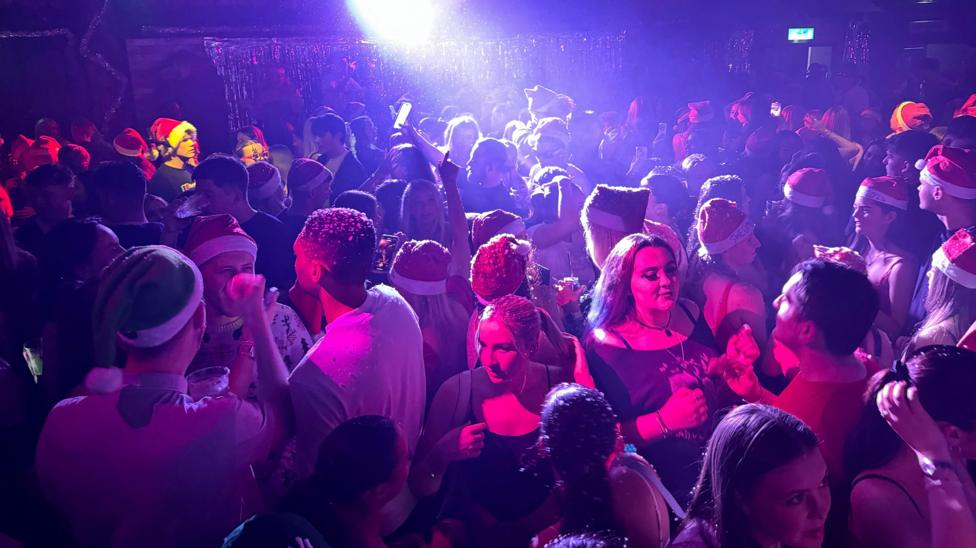
You can sometimes forget the social value of clubbing. It's a respite from reality. It can be silly and unserious and you can leave your problems at your door - because you are going out to have fun with your pals. Having fun is part of being human.
When will the events take place?
According to the Glasgow Doors Open Days website, the Lost Nightclubs exhibition and walking tour are scheduled for 17–20 September 2026, with the walking tour specifically listed for 18 September 2026. The festival also features a separate talk titled "Ye dancin?" about Glasgow's lost dancehalls, nightclubs and discos, providing additional opportunities to explore the city's vanished entertainment venues and the communities they supported.