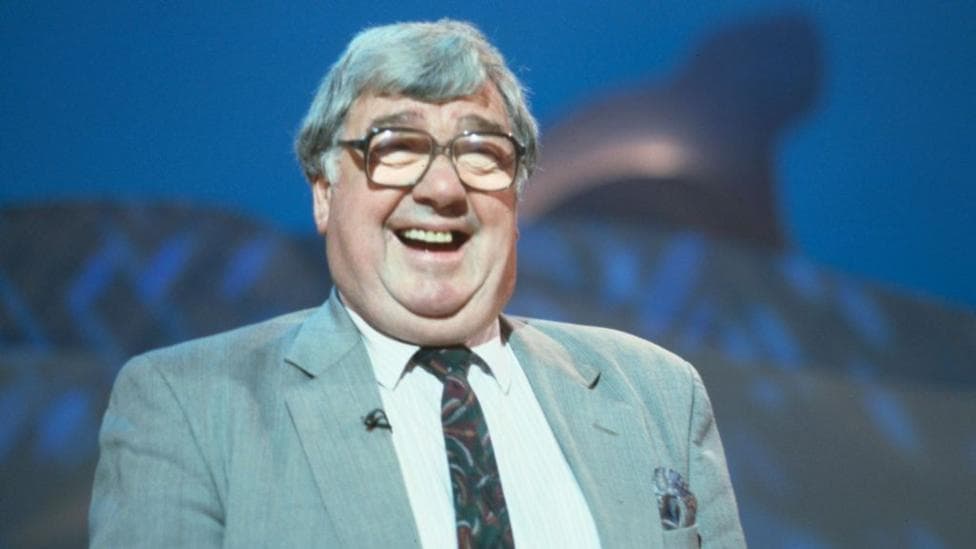
Belfast-born comedian Frank Carson, who rose to prominence in the 1960s with his rapid-fire gags and signature catchphrase "it's a cracker!", was commemorated on what would have been his 100th birthday with the unveiling of a blue plaque at his former school. According to BBC News, the plaque was installed at the former St Patrick's National School on Donegall Street in Belfast on 6 November 2026, marking a century since his birth on 6 November 1926. Carson, who died in 2012 at the age of 85 following a prolonged illness, became a household name through his appearances on talent shows and television programmes that defined British comedy for half a century.
His son Tony Carson expressed his pride at the recognition, telling BBC News NI:
"It's a great honour, a privilege, and something for us all to cherish."He reflected on his father's character and philosophy, saying:
"Dad was a good family man, hard-working... he was just a happy man all the time."The plaque unveiling brought together family members and supporters to celebrate the comedian's enduring legacy in entertainment and his contributions to his native city.
The son of a binman, Carson was born to a family of Italian descent and grew up in the Little Italy area of Belfast. His early career took him through various trades—he worked as a plasterer and electrician before enlisting in the Parachute Regiment, where he served for three years in the Middle East during the 1950s. After leaving the military, he turned his attention to show business, initially gaining recognition for his stand-up performances on Irish television before relocating to England to pursue wider opportunities.
Rise to Television Fame
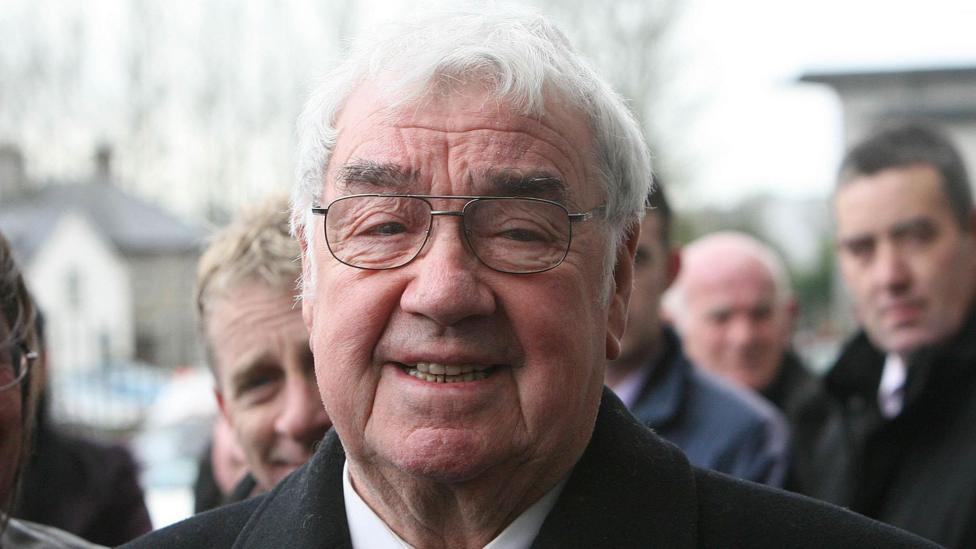
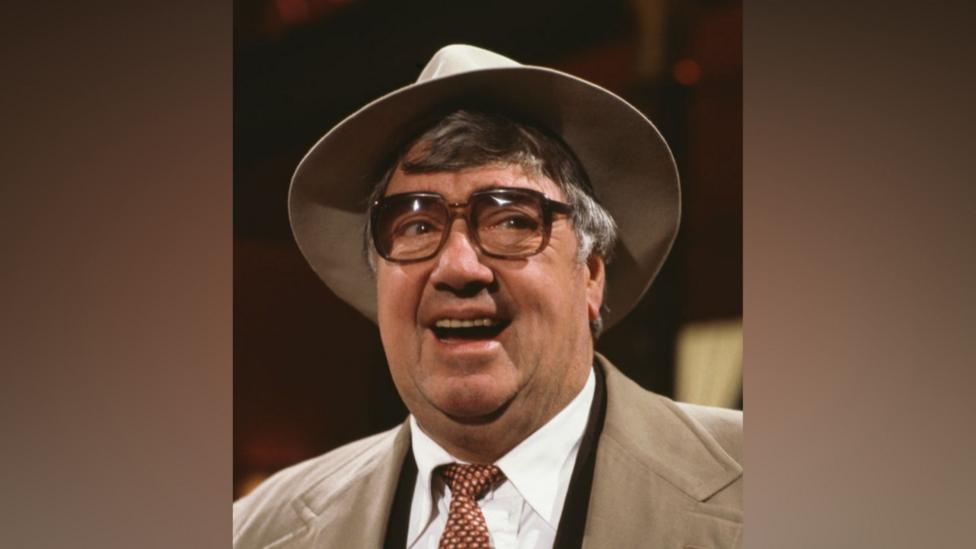
Carson's breakthrough came through his appearances on the talent competition Opportunity Knocks, which he won three times in the 1960s. His success on that programme led to roles in The Good Old Days, a television music hall revival show that introduced him to a broader audience. The pivotal moment in his career arrived with his casting in The Comedians during the 1970s, where he performed alongside established acts such as Charlie Williams, Bernard Manning and Jim Bowen. This show established him as a major television personality and showcased the self-deprecating humour that would become his trademark.
Throughout the following two decades, Carson became a familiar presence on British television screens. His variety of shows included Who Do You Do? and The Wheeltappers and Shunters Social Club, programmes that cemented his status as a versatile entertainer capable of connecting with audiences across the country. His comedy style, rooted in observational humour and quick wit, set him apart from the alternative comedy movement that emerged in the late 1980s, prompting him to return to his roots in stand-up performance.
Beyond Entertainment: Public Service and Charity
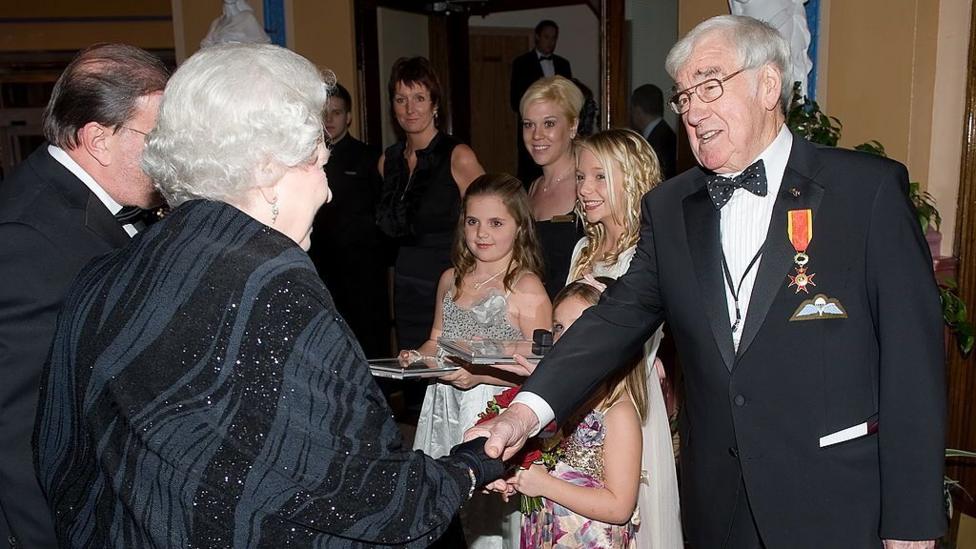
Carson's influence extended well beyond the entertainment industry. He served twice as mayor of Balbriggan in north Dublin, using his platform to advocate for causes close to his heart. In 1987, Pope John Paul II knighted Carson into the order of St Gregory at a private audience in Rome, recognising his extensive charity work in Northern Ireland. His charitable endeavours were particularly focused on supporting integrated education and healthcare initiatives.
One of his most significant contributions was his fundraising for the children's cancer ward at Belfast's Royal Victoria Hospital. According to the Dictionary of Irish Biography, Carson helped raise £130,000 for the ward in 1986, demonstrating his commitment to supporting vulnerable young patients. In 2008, he and his son Tony launched the Carson Awards with an initial investment of £100,000 to support arts and creative work in integrated schools across Northern Ireland. The Dictionary of Irish Biography notes that his will subsequently added a further £50,000 to the fund, ensuring the awards would continue supporting emerging talent long after his death.
Carson's stated aim was to be loved as a performer by all sides of the community and people of all political persuasions. This commitment to unity and cross-community engagement reflected his belief in the power of laughter to bridge divides in a divided society.
Later Years and Legacy
Despite the rise of alternative comedy in the late 1980s, Carson remained committed to performing, returning to stand-up work and maintaining a demanding schedule. As recently as 2008, he was performing hundreds of shows annually, demonstrating his enduring passion for entertaining audiences. In his later years, he relocated to Blackpool, where he became involved with the UK Independence Party and its Eurosceptic agenda.
Carson is buried in Milltown Cemetery in Belfast. He had joked on more than one occasion that his headstone should bear the inscription "Frank Carson, Rest in Peace," followed by the words "Quiet, isn't it?"—a final punchline that captured his irreverent approach to life and death.
Dan Gordon, who wrote and performed the acclaimed one-man show Frank Carson - A Rebel Without a Pause, offered a comprehensive assessment of the comedian's significance:
"Frank Carson was quintessentially Belfast. He was simultaneously soft, hard, joyous, exuberant, charitable, loyal, thoughtful and driven. A cornerstone of comedy for 50 years. His voice and presence were unmistakable and he was a determined pioneer in local broadcasting."
Chris Spurr, chairman of the Ulster History Circle, which organised the plaque initiative with financial support from Belfast City Council and assistance from St Patrick's Parish and the Carson family, expressed his satisfaction with the commemoration:
"We are delighted to commemorate this cracker of a comedian with a blue plaque at the former school he attended."
Tony Carson concluded the centenary celebrations with a reflection on his father's philosophy and enduring spirit.
"Any celebration's a great celebration, especially in these troubled times. But there's always trouble times and I think we all just need to look forward and find ways to make ourselves happy. I think that's what my dad did. He had that innate spirit in him that always looked for the happy notes that there are out there. He'd always say: 'that was yesterday, look forward to today and tomorrow'."
Key Facts
- Hugh Francis Carson was born on 6 November 1926 in Belfast and died on 6 November 2012, aged 85, after a prolonged illness involving stomach cancer and heart problems.
- He won the talent competition Opportunity Knocks three times in the 1960s and became a household name through his appearances on The Comedians in the 1970s alongside Charlie Williams, Bernard Manning and Jim Bowen.
- Carson was knighted by Pope John Paul II in 1987 into the order of St Gregory in recognition of his charity work, and raised £130,000 for the children's cancer ward at Belfast's Royal Victoria Hospital.
- In 2008, he and his son Tony launched the Carson Awards with £100,000 to support arts and creative work in integrated schools, with his will later adding a further £50,000 to the fund.
- The blue plaque was unveiled on 6 November 2026 at the former St Patrick's National School, 199 Donegall Street, Belfast, organised by the Ulster History Circle with support from Belfast City Council, St Patrick's Parish and the Carson family.