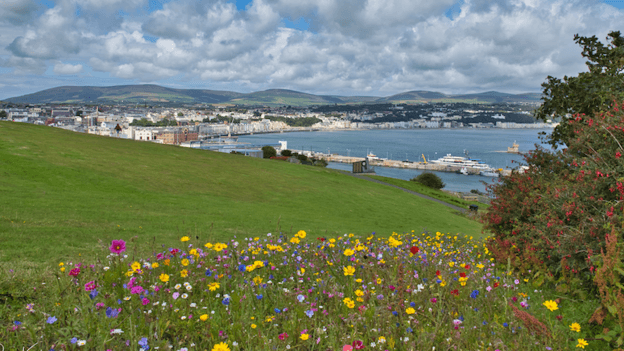
Douglas Head has received formal Conservation Area designation from the Manx government, marking the culmination of a prolonged effort by local historians to protect the headland's heritage.
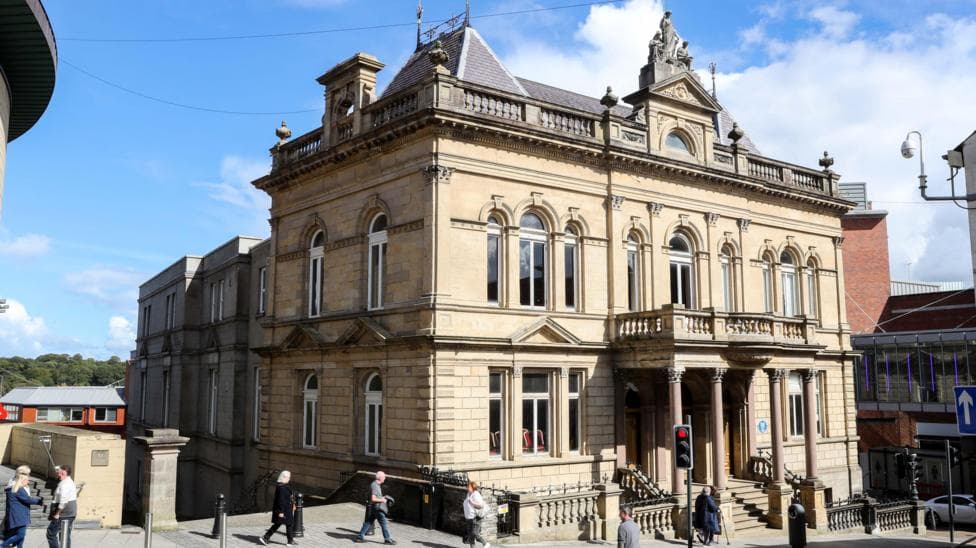
Douglas City Council stated it "welcomed" the decision, acknowledging Douglas Head's "significant historical, architectural and cultural importance". The designation follows sustained advocacy by historians and two rounds of public consultation. According to the government's consultation records, an initial 2021 consultation found 77% support for conservation-area status, while the most recent consultation in 2026 recorded 92% backing for the move.
The formal Town and Country Planning (Douglas Head) Conservation Area Order 2026 now appears in Isle of Man legislation records, confirming the designation has progressed into binding legal framework. The government's February 2026 consultation, which closed on 3 March 2026, was designed to shape the final conservation-area order ahead of approval by Tynwald.
What does Conservation Area status mean?
The designation does not eliminate development on the headland but does impose stricter controls on alterations owners can make without first securing planning permission. Changes such as replacing windows, altering roofs, and modifications to external appearance now require approval. Applications are assessed on whether proposed alterations would preserve or enhance the area's character.

The Isle of Man's Area Plan states that applications within the boundary "will generally not be supported", establishing a presumption against development that conflicts with conservation objectives.
Which buildings are protected?
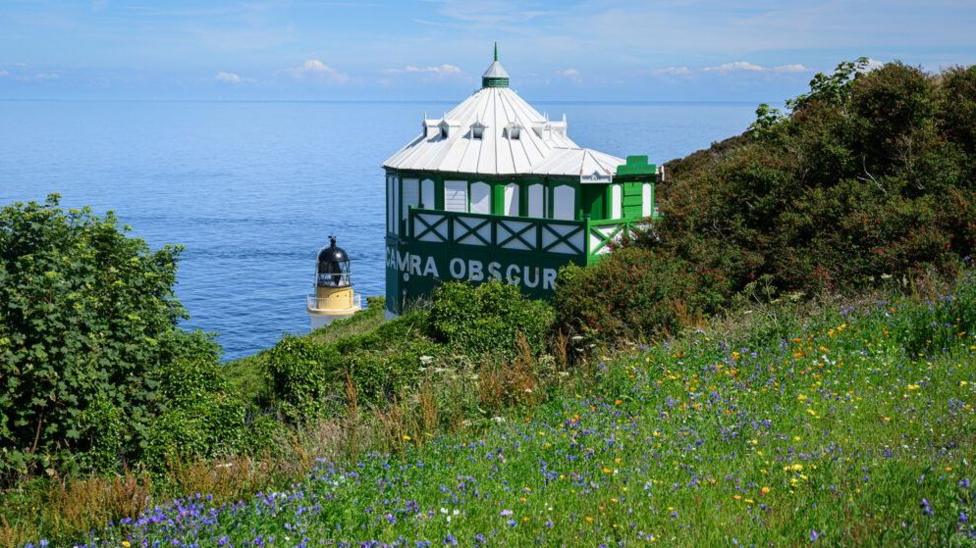
Douglas Head contains eight registered buildings, a concentration exceeded by few locations on the island outside central Douglas. These include the Great Union Camera Obscura, constructed in 1892, Douglas Lighthouse, the Harbour Swing Bridge Tower with its original 1895 machinery, and Harold Tower. According to the government's conservation proposal, the protected area encompasses the headland's "distinctive history, architectural value and high-quality natural environment", with the proposed boundary including parts of South Quay and the outer harbour.
Why did this take so long?
The push for Conservation Area status began with a 2021 consultation, which determined Douglas Head had "sufficient merit" for such designation and identified how tighter planning controls would apply to demolition, new development, alterations, and signage. The five-year journey from initial assessment to formal designation reflects the consultation and legislative processes required under Isle of Man planning law.
What happens next?
With the Town and Country Planning (Douglas Head) Conservation Area Order 2026 now formally recorded in legislation, the next phase involves implementation and commencement of the order, bringing the protective framework into full effect.
Key Facts:
- Douglas Head is now a formally designated Conservation Area following 92% public support in the 2026 consultation
- Eight registered buildings within the boundary include the 1892 Camera Obscura, Douglas Lighthouse, and Harold Tower
- Owners must obtain planning permission for alterations including window replacement and roof changes
- The designation followed a five-year campaign by local historians and two public consultations
- The protected area includes parts of South Quay and the outer harbour