

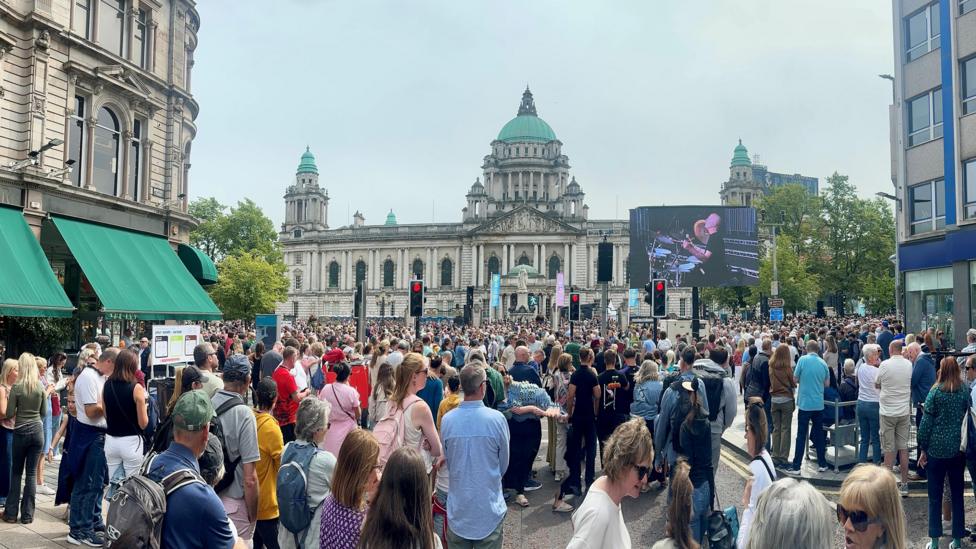
The first All-Ireland Fleadh ever staged in Belfast concluded in the early hours of Monday, 10 August 2026, with organisers reporting an overwhelmingly positive response across the city's communities. Estimates suggest more than a million people passed through the city centre during the eight-day festival, with at least 4,000 people still gathered at Belfast City Hall grounds at 01:00 BST to hear closing remarks and a final round of music.
Niall McClean, co-chair of the organising committee, addressed the crowd directly, telling them they had taken part in a moment of historic significance for the city.
We've done something that has never, ever happened in this city before. We've brought every single community together – and everybody has absolutely loved it.
McClean said the festival had left him personally elated, adding that he was already looking ahead to the next edition.
Roll on 2027.
He went on to praise the scale of the turnout and the effort of local volunteers and members.
What an incredible week. Everyone I have spoken to has had an amazing time here in Belfast, thousands of people all on a high. Belfast has shone, the world has come to our doorstep, bringing the biggest numbers ever seen for a Fleadh Cheoil na hÉireann. I'm so proud of our branch and all our members, and what we have achieved together. We dared to dream and those dreams have come true.
He closed his remarks to loud applause, telling the crowd he would see them again next year.
Well done Belfast, we'll see you next year.
Belfast is confirmed to host the All-Ireland Fleadh again from 1 to 8 August 2027, extending its run as host city for a second consecutive year.
How did organisers describe the scale of the event?
Dr Labhrás Ó Murchú, director general of Comhaltas Ceoltóirí Éireann, the organisation that runs the annual All-Ireland Fleadh, called this year's festival nothing short of extraordinary.
I hope that when you go back (home), you'll bring with you not just the memories but you'll tell people that you were part of - and you witnessed and you experienced - a miracle here in Belfast this week. Because it was a miracle, a miracle of music, a miracle of friendship, a miracle of creativity.
According to Belfast City Council's official event page, the Fleadh is recognised as the world's largest celebration of Irish music and culture, and this year marked the first time the city had hosted it. Belfast City Council's own account of the closing weekend notes that judging for the final competitions began at 10:00 on the ICC/Belfast Waterfront Hall, Assembly Buildings, The MAC and Ulster University campuses, according to a council statement, with the Senior Céilí Bands competition scheduled for 17:30 at the same Waterfront Hall venue.
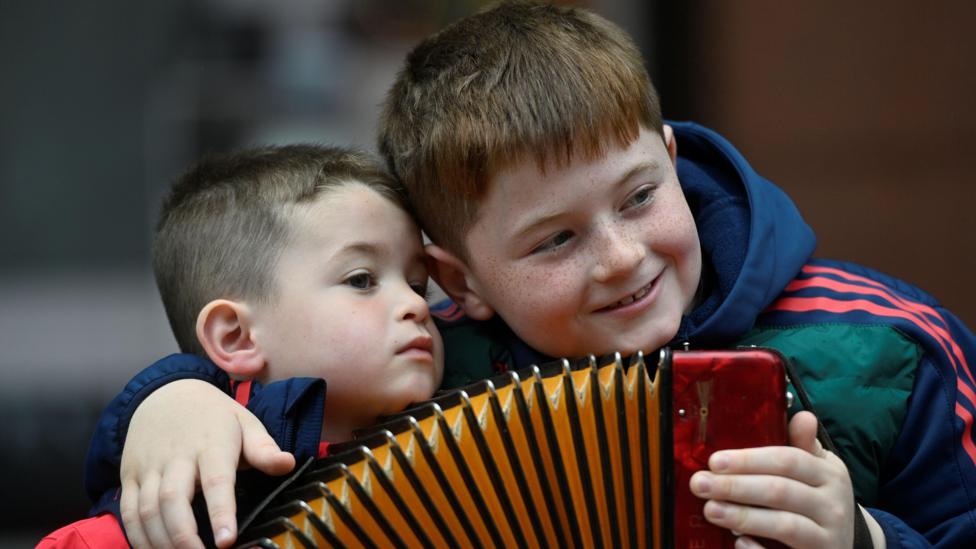
The final live performance of the closing night came from the Lissadell Céilí Band, winners of the senior Céilí band competition. Earlier acts on the closing day included Belfast-based Campbell College Bugles, Pipes and Drums, and Bangor singer Foy Vance. Lord Mayor of Belfast, councillor Róis-Máire Donnelly, formally closed proceedings.
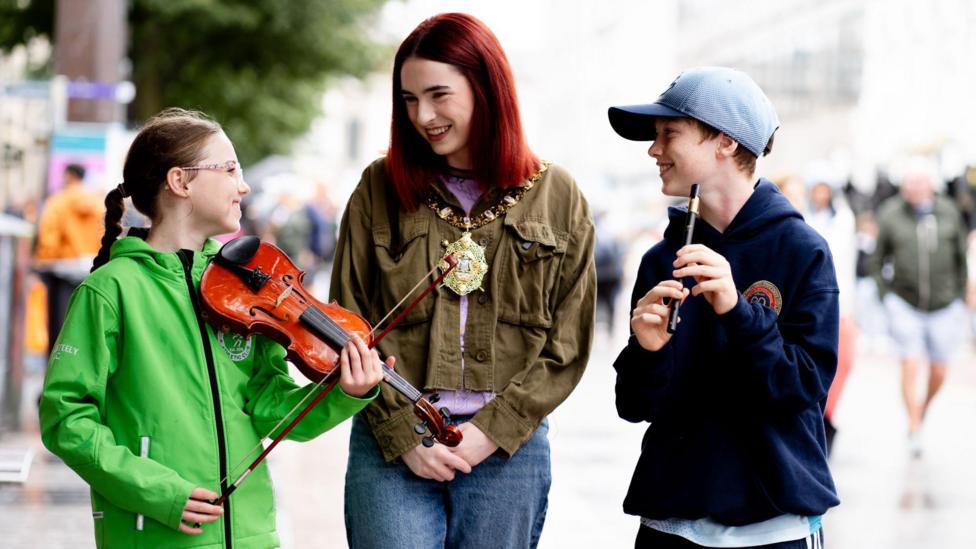
What has this meant for Belfast as a host city?
The eight-day festival was jointly organised by Belfast City Council, Comhaltas Ceoltóirí Éireann and Ards CCÉ, with Niall McClean, chair of Ards CCÉ, having played a central role in securing the event for the city. Lord Mayor Donnelly said the festival's impact on civic pride had been immense.
Words cannot do justice to how proud I am of this city and the magic that it has produced over the last eight days. Our spirit, our craic and our shared love of music, from all our different communities, have all been embraced and displayed for everyone to enjoy.
She described the festival as a watershed moment, saying it demonstrated the city's ambition and future prospects, and said Fleadh 2026 had gone beyond what organisers had anticipated.

John Walsh, chief executive of Belfast City Council, said the achievement had been years in the making.
Seeing it come to life on our streets this past week will live long in the memory. Whether you volunteered, performed or became a proud tourist in your hometown, your support, co-operation and positivity have all been essential in making the event such a huge success – I hope to see you all at the Fleadh again, 1-8 August 2027.
Dr Ó Murchú added that the scale of the response had been unmatched in his experience of the festival.
Belfast opened its doors and hearts to the multitudes who came from far and near for this amazing celebration, which will have an encore in 2027. One million fans can say to Belfast 'you are the envy of the world', with perhaps billions worldwide aware of the cultural history made in August 2026.
What led up to this year's festival?
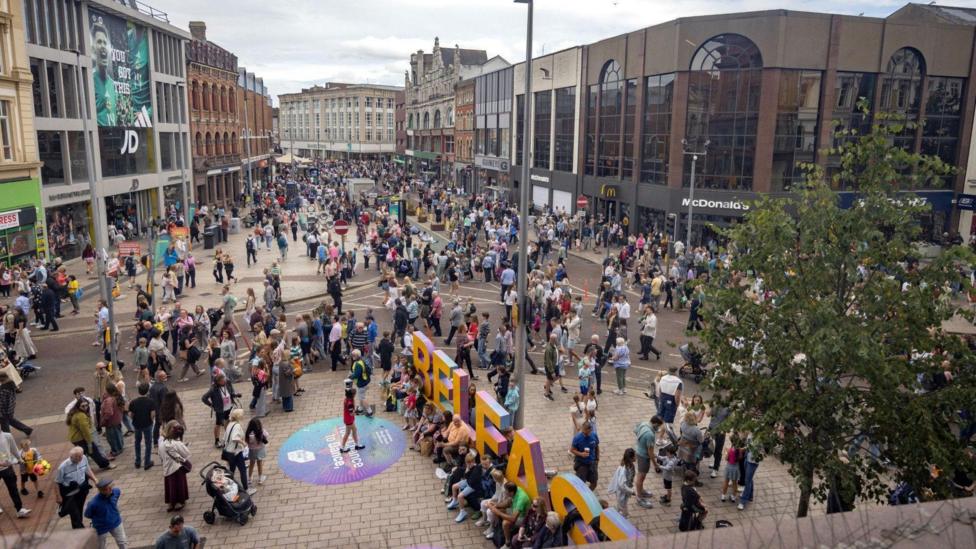
Belfast's hosting of the 2026 Fleadh followed months of build-up. Our earlier coverage detailed how Belfast secured the right to host the festival in both 2025 and 2027, positioning it as a major boost to the city's cultural and economic profile. In the days before the event began, city authorities were preparing for road closures and a heavy programme of family-friendly activities, with around 800,000 visitors expected across more than 200 planned events. That estimate was echoed by a children's news service report published ahead of the festival, which also put expected attendance at roughly 800,000. Once under way, the festival opened in Belfast for the first time with hundreds of thousands in attendance across its eight-day run. By the time it drew to a close, visitor numbers were reported as approaching one million, with an economic boost expected to top £53m. Separately, Comhaltas Ceoltóirí Éireann's official festival page confirmed the event ran in Belfast from 2 to 9 August 2026, while Tourism Northern Ireland noted the main programme ran across the city centre for that period, with the Sunday reserved specifically for the Senior Céilí Band Competition and closing celebrations.
Should Belfast city centre be permanently pedestrianised?
The festival's success has reignited debate over whether Belfast should make its temporary city-centre pedestrianisation permanent. A large pedestrianised zone was created across the city centre for the duration of the Fleadh, and Alliance Party representatives from across Belfast have since written to the council and other bodies calling for a comprehensive review of pedestrianisation in the area.
South Belfast MLA Kate Nicholl said the festival had shown the city at its best.
Belfast at its best, open, welcoming and full of life.
She argued that redesigning streets around people rather than traffic could benefit local businesses and civic life more broadly.
When we design our streets around people instead of traffic, our city centre becomes somewhere people actually want to spend time, and that's good for our shops, our hospitality sector and as we've seen so clearly this week, our sense of civic pride.
Nicholl stressed, however, that accessibility needs would have to be built into any changes from the outset rather than added afterwards, citing disabled parking, accessible drop-off points, public transport links and wayfinding as key considerations.
Green Party councillor Brian Smyth argued that pedestrianisation had been essential to the festival's success.
The bottom line is the Fleadh would not have worked without pedestrianisation in the city centre. I think it is starting a conversation with people. This isn't some new, radical idea.
Disability campaigners have pushed back against calls for permanent pedestrianisation. Disabled People Against Cuts Northern Ireland (DPAC NI) warned on social media that expanded pedestrian zones elsewhere had come at a cost to disabled residents.
We've seen this played out elsewhere and it's disabled people who pay a price for 'progress'.
DPAC NI spokesperson Dermot Devlin said many disabled people are limited in how far they can walk or use a wheelchair unaided.
We need to park or get off public transport close to our destinations.
He said further pedestrianisation without adequate mitigation risked excluding disabled residents from parts of their own city, and called on authorities to uphold disabled people's rights rather than overlook them when making temporary or permanent changes to the city centre.
What happens next?
Belfast has already been confirmed as host for a second consecutive year, with the festival scheduled to return from 1 to 8 August 2027. According to Ireland's national tourism website, the 2027 festival dates are listed as 2 to 9 August, a slight variance from the dates cited by organisers at the closing ceremony. A national broadcaster's report has also confirmed that Belfast is set to host the All-Ireland Fleadh for a second year running in 2027. Debate over the future of city-centre pedestrianisation is expected to continue in the coming months as council bodies weigh the review requested by Alliance representatives against concerns raised by disability campaigners.
Key Facts
- The 2026 All-Ireland Fleadh in Belfast ran from 2 to 9 August, drawing an estimated one million-plus visitors to the city centre.
- At least 4,000 people remained at Belfast City Hall grounds at 01:00 BST on 10 August 2026 for the closing ceremony.
- Lissadell Céilí Band won the senior Céilí band competition and performed the festival's final set.
- The event was jointly hosted by Belfast City Council, Comhaltas Ceoltóirí Éireann and Ards CCÉ.
- Belfast will host the festival again in 2027, with organisers citing dates of 1-8 August and a national tourism website citing 2-9 August.


