What began two decades ago as a modest gathering of 500 people has evolved into one of Northern Ireland's premier celebrations of global culture. The Belfast Mela Festival, founded on principles of inclusivity, creativity and openness, now draws thousands annually to its music, dance, arts and food events across the city. On 22 August 2026, the festival launches its 20th anniversary programme, a milestone that reflects the vision of founder Nisha Tandon and the dedication of performers, volunteers and hosts who have sustained it through two decades of growth.
Nisha Tandon, founder of ArtsEkta, conceived Mela—a Sanskrit word meaning "to meet"—as a platform for cultural exchange. She initially believed the festival "might last two or three years at most", yet it has become an established annual fixture that transforms Belfast city centre each summer. According to Tourism Northern Ireland, the 2026 festival will deliver nine days of music, dance, food, theatre, art and wellbeing experiences across multiple venues, cementing its role in the city's cultural calendar.
How has Mela transformed Belfast's cultural landscape?
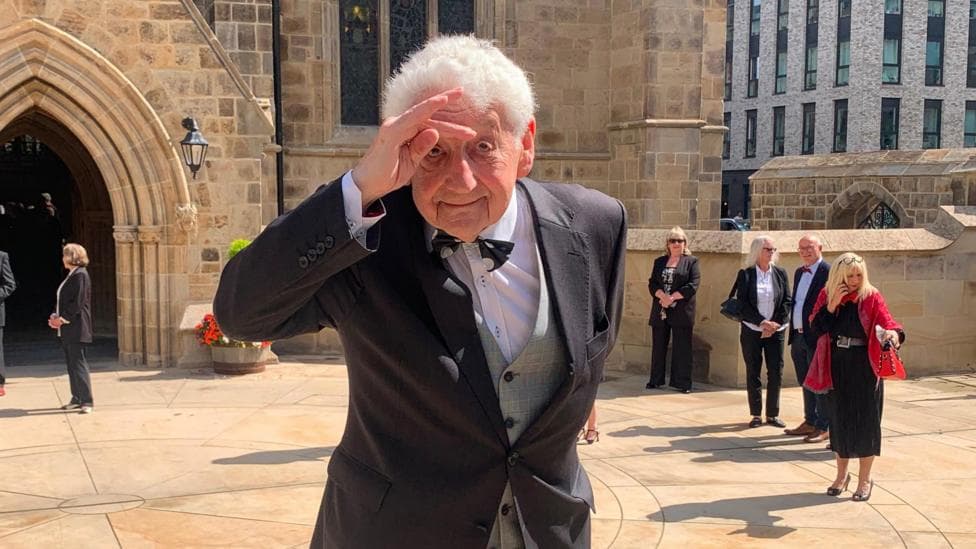
The festival has fundamentally altered how communities in Belfast engage with one another and experience different cultures. Séamas Ó Labhradha, who began volunteering with Mela in its early years when it was held at the Ulster Hall, witnessed the shift firsthand. He recalled that initially people "only popped in out of curiosity", but "each year it just blossomed more and got bigger". Ó Labhradha participated in diverse cultural activities, from drumming for the lion dancing team to playing bagpipes, and credits Mela with breaking down barriers between communities.
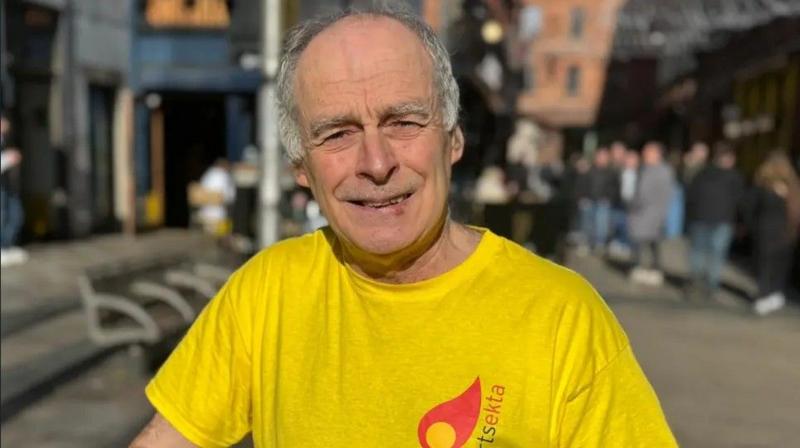
I grew up in a political Belfast where you were green or orange, where you only took part in your own culture's activities. Whereas now, the Mela has opened up so much to people.Ó Labhradha described Belfast as a "completely different world" that has become far more inclusive and diverse since the festival's inception.
Broadcaster and host Carolyn Stewart, who was invited to present Mela around 16 years ago, brings a personal perspective on the festival's significance. Growing up in north Belfast as one of very few people with brown skin, she views Mela as the kind of celebration she wished had existed during her childhood.
I sort of look at Mela as you know, I wish it was there when I was a kid. Just to bring all types of people together.Stewart has returned to host every summer since, driven by witnessing communities come together and families discovering new cultures.
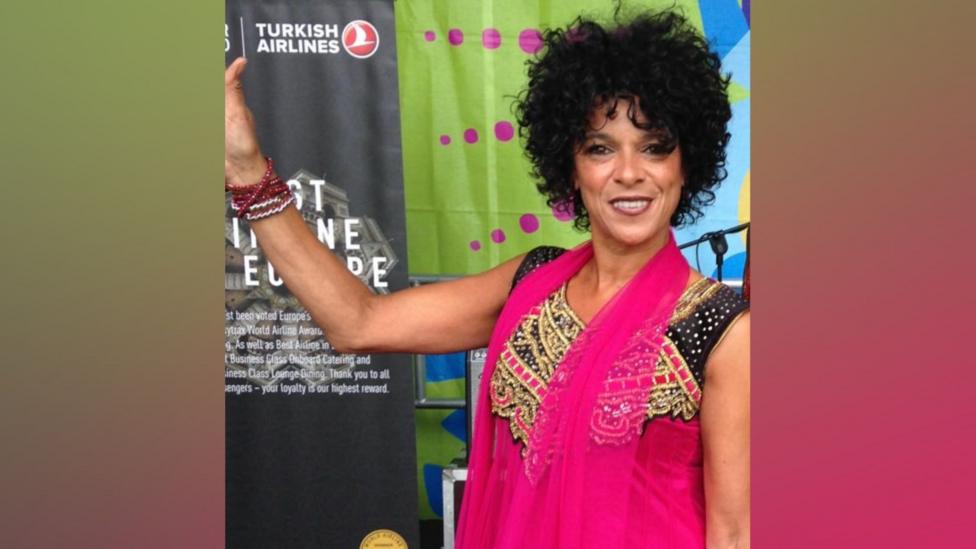
I can't see why you couldn't embrace that. It's a beautiful day out. I have watched Mela grow and develop over the years, it's just going from strength to strength.
What draws performers back year after year?
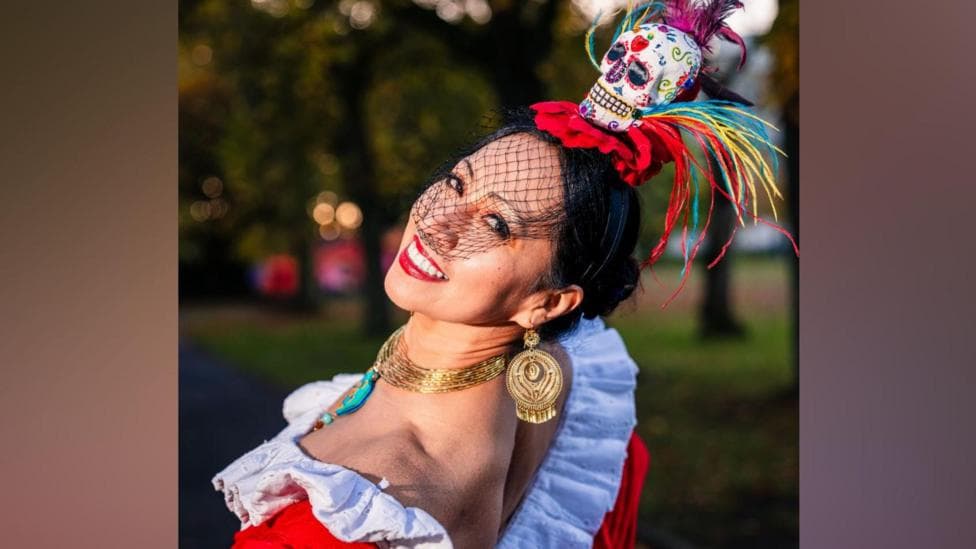
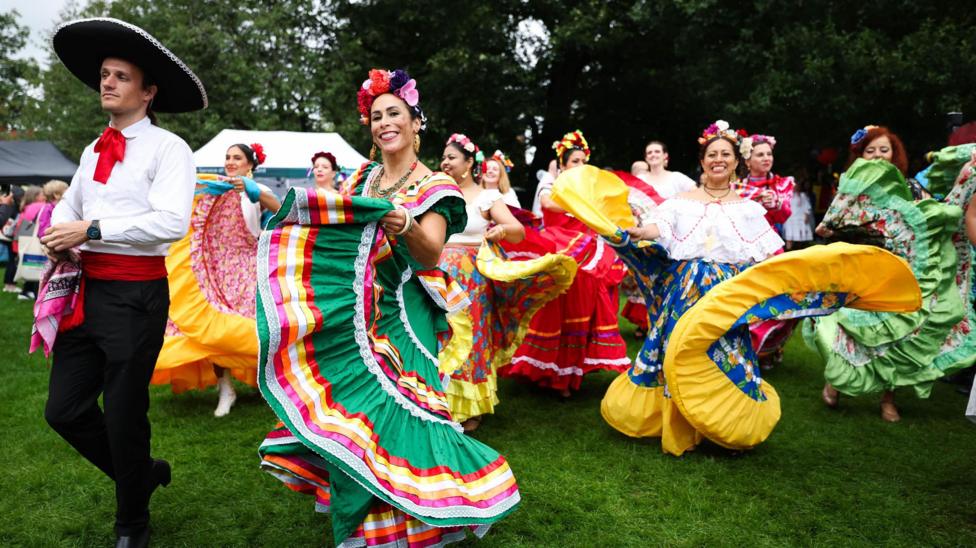
For many artists, Mela represents far more than a single performance opportunity—it embodies a philosophy of cultural celebration rooted in respect and integration. Contemporary and Mexican folk dancer Mayte Segura was persuaded to perform alongside a friend around 16 years ago and has remained involved ever since. She has watched the festival grow "bigger, better and more vibrant" and now dances with her own group, Mexican Dance Belfast.

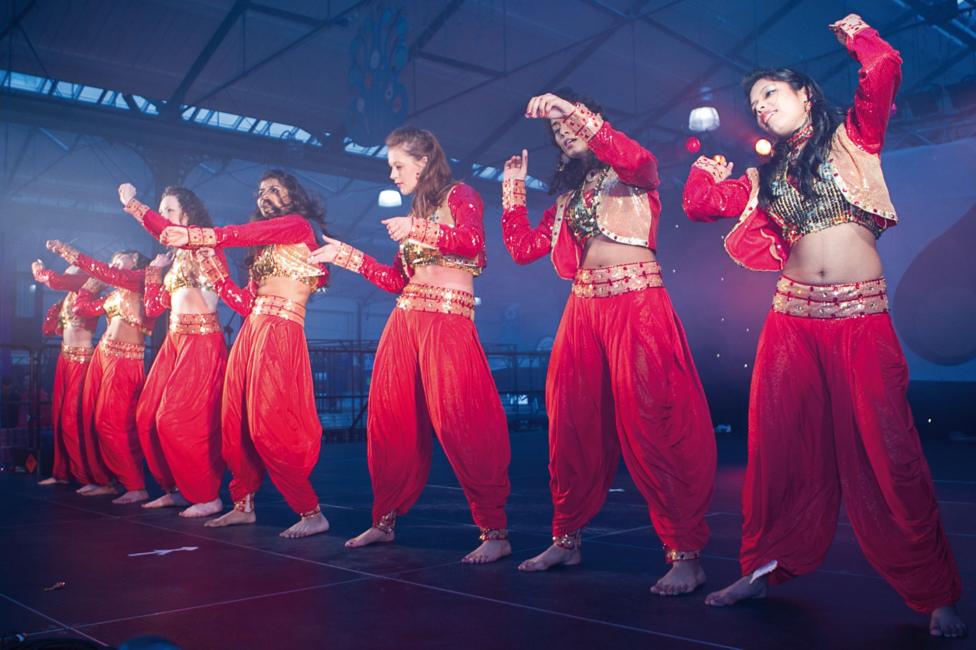
I just love it. It's amazing to be together and I just love the costumes. I love all the cultures and the way that people do their own art.Segura emphasises the role of art in fostering positive human connection and has experienced no negativity while participating.
We share what we do with love, with respect, with an aim to integrate and communicate and we try to move people in that sense.She remains optimistic about the festival's impact, adding
We always have nice audiences at the Mela, and I hope if even one or two or three were inspired by us, that will be enough.
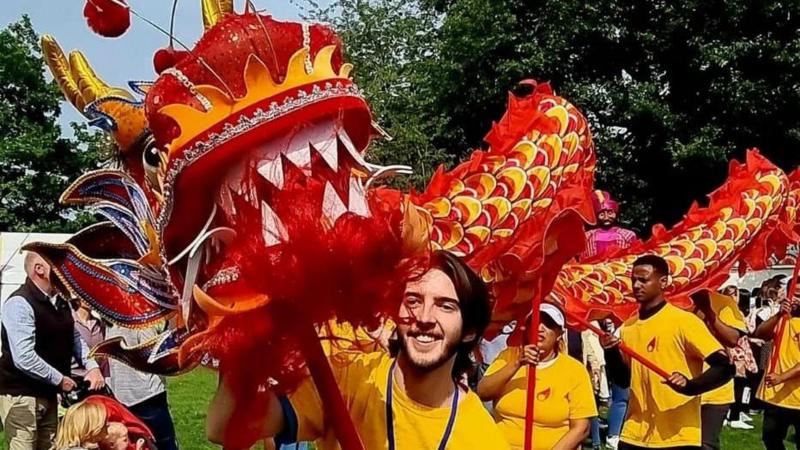
Luke McFarlane, now 25, has been involved in Mela's circus and arts performances for 17 years, meaning he has participated since childhood. His first memory captures the scale of the celebration:
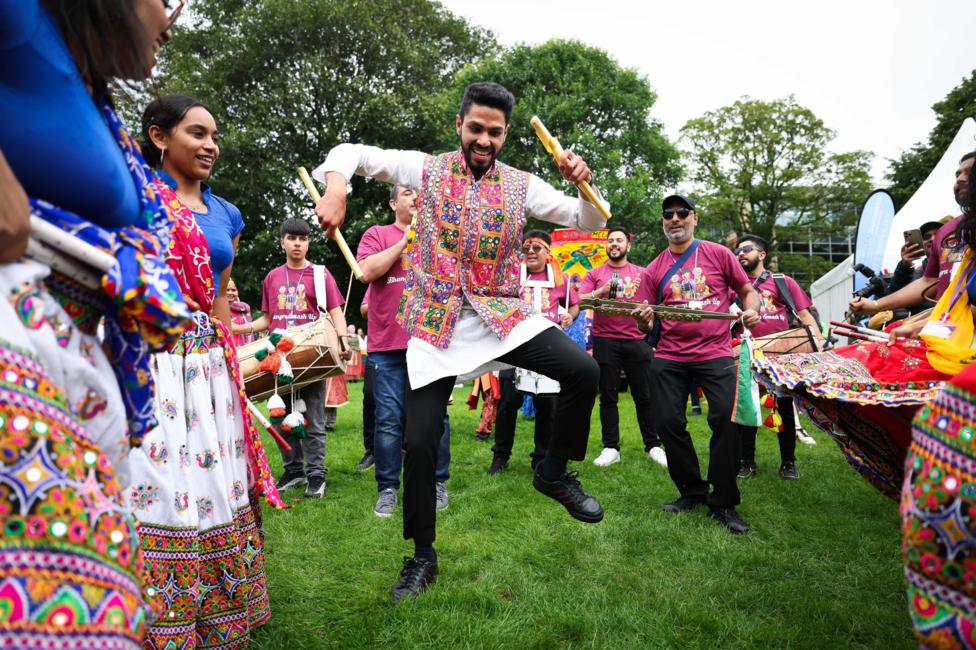
I remember it being huge, as much as an eight-year-old can take in scale, the food was fantastic.From volunteering to performing with the Chinese lion and dragon, McFarlane views the festival as a space where all people can celebrate their cultures.
The arts is very much a massive part of my life, even though I work full-time. I try to dedicate myself to continue that, I think it's very important in our city.He credits the atmosphere and camaraderie with keeping him engaged:
What's kept me coming back is, it's always good craic.
What is planned for the 20th anniversary celebrations?
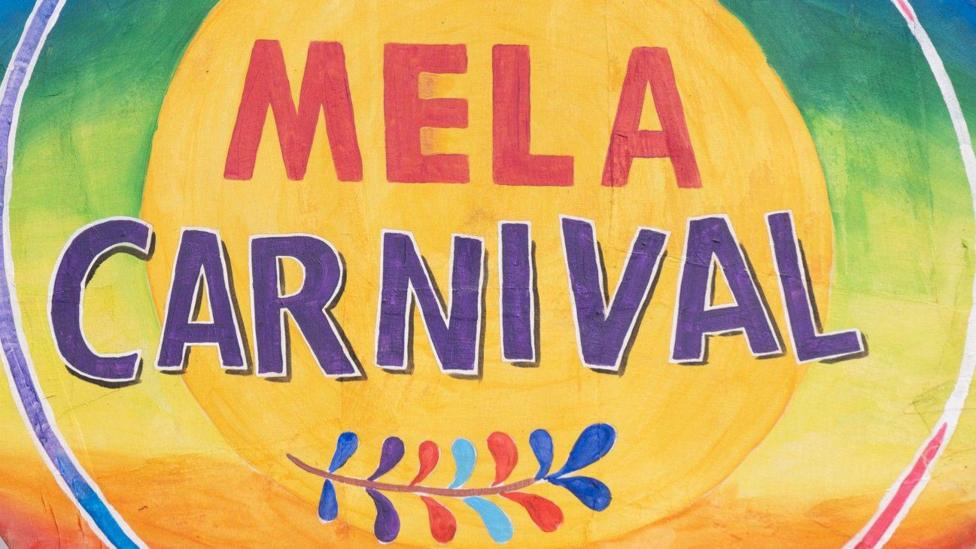
The 2026 festival spans nine days and features multiple signature events across Belfast. According to , the Mela Carnival on 22 August will launch the festivities with a colourful parade featuring more than 800 performers, musicians and dancers. The procession begins at 12:30 BST from Writers Square, continues down Royal Avenue and concludes at City Hall, transforming the city centre with music and movement.
A centrepiece of the anniversary year is Earth Child, a new outdoor production scheduled for 23 August 2026 at Titanic Slipways at 20:00 BST. Belfast City Council describes this as a twilight celebration combining aerial theatre, original live music, global drumming, dance, fireworks and more. The spectacle has been created by ArtsEkta in collaboration with Fidget Feet Aerial Dance and Gráinne Holland, featuring over 200 community performers in a free but ticketed event marking the festival's two-decade milestone.
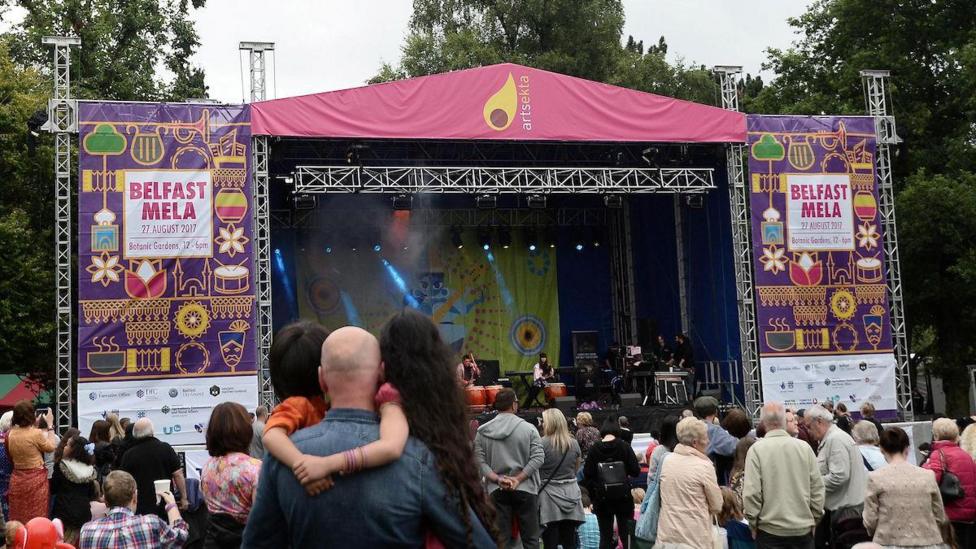
Mela Day returns to Botanic Gardens on 30 August 2026, running from 12 noon to 6 pm. This flagship event will feature five stages, global street food, family activities and performances from around the world, maintaining the festival's core identity as a celebration of cultural diversity. Throughout the week, events will be held across multiple venues throughout Belfast, reflecting the festival's evolution from a single-location gathering to a citywide phenomenon.
What happens next?
The festival's 20th anniversary programme begins on 22 August 2026 with the Mela Carnival in Belfast city centre. The Earth Child premiere follows on 23 August at Titanic Slipways, and the festival concludes with Mela Day on 30 August at Botanic Gardens. A full schedule of events throughout the week is available through official festival channels.
The Belfast Mela's two-decade journey reflects broader shifts in how Northern Ireland's communities engage with cultural expression and diversity. What started as an experiment in bringing people together has become an institution that shapes how residents and visitors experience the city's multicultural character.