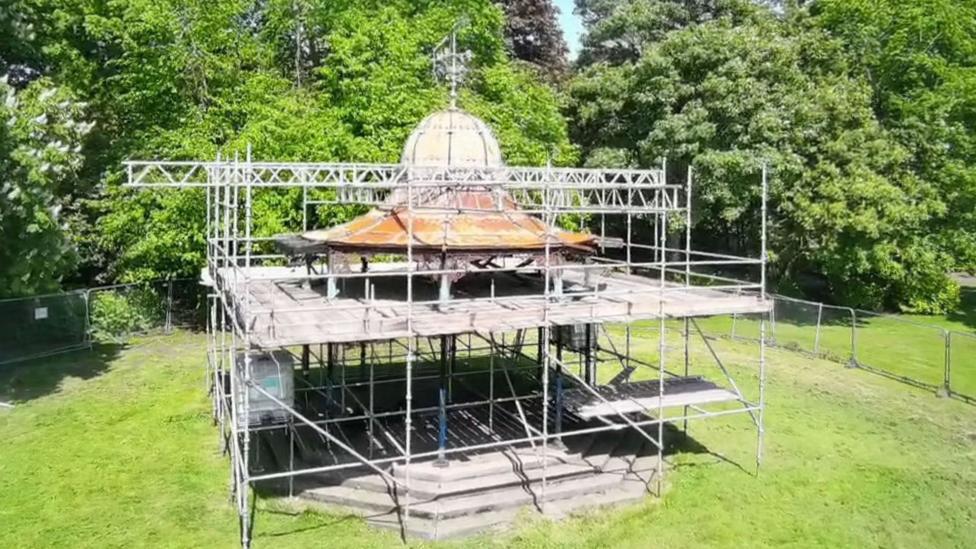
A historic bandstand that suffered severe damage in a fire during June 2024 has been meticulously restored and will be unveiled to the public on 31 October 2026. The Overtoun bandstand in Rutherglen, a category B-listed structure dating back 112 years, required extensive reconstruction work after the blaze destroyed its timber components, though the iron frame survived largely intact. According to BBC News, craftsmen pieced together the original design using surviving ironwork, historical photographs and rare foundry catalogues in what specialists described as a "historical jigsaw puzzle".
South Lanarkshire Council appointed heritage restoration specialists Covanburn Contracts to undertake the project. The council approved £300,000 for restoration in February 2025 and also sought a Historic Environment Scotland grant of up to £100,000 to support the work. On-site restoration began in June 2026 after extensive planning and research phases.
How was the decorative ironwork recreated?
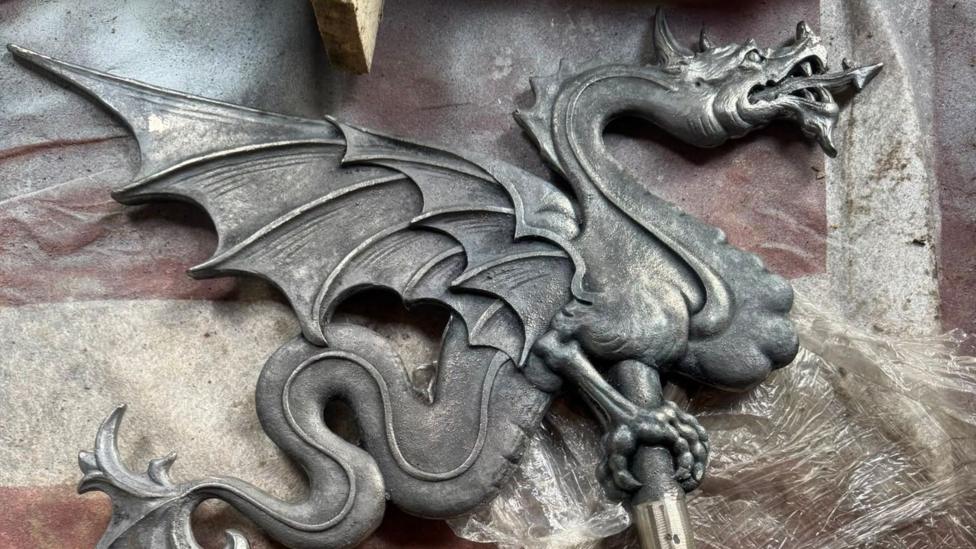
Recreating the highly decorative ironwork presented a significant challenge for the restoration team. The original designs originated from Glasgow's renowned Saracen Foundry in Possilpark, which was once Scotland's leading manufacturer of ornamental ironwork. Examples of the foundry's craftsmanship remain visible worldwide, from Glasgow's Kibble Palace to structures in Brazil and Australia.
The restoration process was complicated by the loss of many foundry records after the business closed in the 1960s. Covanburn had to reconstruct the original design by carefully comparing old photographs against surviving catalogues, effectively reverse-engineering the decorative elements from available historical documentation.
Alex Stewart, managing director of Covanburn Contracts, reflected on the project's significance:
"Ultimately that time and effort is greatly rewarded once we see the restoration coming together."The meticulous approach ensured the bandstand would be returned to its original appearance as accurately as possible.
Why does this bandstand matter to the community?
The Overtoun bandstand holds deep emotional significance for residents of Rutherglen. Eugénie Aroutcheff, co-founder of local charity Grow73, explained the personal connections many people maintain with the structure:
"Many local people have childhood memories, or first kiss memories, of the bandstand."She added that the restoration carries broader meaning for the town itself, noting that
"from working in the community, I know a lot of people feel Rutherglen is a bit of a forgotten part of Glasgow."
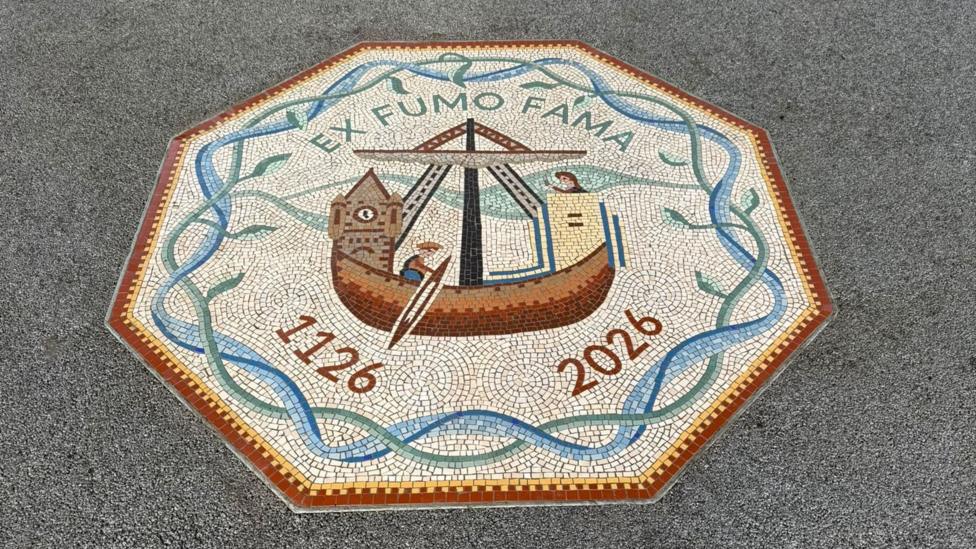
The completion of the restoration coincides with Rutherglen's 900th anniversary celebrations. The town was established as a Royal Burgh by King David I in 1126, marking a significant milestone in its history.
What new features have been added?
While the restoration prioritised returning the bandstand to its 112-year-old appearance, one contemporary addition reflects the town's anniversary milestone. A mosaic has been incorporated into the concrete base supporting the bandstand, designed in collaboration with pupils from nearby Stonelaw High School. The mosaic features Rutherglen's historic motto, "Ex fumo fama" — meaning "fame from smoke" — a particularly apt inscription given the structure's recent history.
What happened to the bandstand before the fire?
Prior to the June 2024 fire, the bandstand had deteriorated significantly. A 2021 estimate put the cost of full restoration at six figures, indicating the extent of the disrepair that had accumulated over the years. The fire accelerated the need for intervention, though it also destroyed much of what remained.
How is the fire being investigated?
Police Scotland treated the June 2024 fire as a deliberate act at the time of the incident. The force conducted extensive inquiries but was unable to identify the person responsible. A police spokesperson stated that
"any new information will be assessed."The case remains open to further investigation should new evidence emerge.
When will the public be able to visit?
The restored bandstand is scheduled for public unveiling on 31 October 2026, allowing the community and visitors to experience the reconstructed heritage landmark. The timing of the opening provides an opportunity for Rutherglen residents to celebrate both the successful restoration and the town's 900-year anniversary as a Royal Burgh.