A major new initiative is documenting the condition, history and future prospects of Scotland's castles through a detailed national archive. The project, developed by the Scottish Castles Association in partnership with the University of Stirling, aims to create a freely accessible digital resource that combines historic records with contemporary documentation and fieldwork. According to BBC News, the archive represents an ambitious effort to provide a comprehensive picture of the nation's fortified heritage.
Richard Oram, who recently retired as professor of medieval and environmental history at Stirling University and now leads the Scottish Castles Association, explained that the initiative builds on earlier advocacy by Dorothy Walker, the group's former chair. Unlike existing collections, Oram emphasised that this archive is designed to be nationally accessible and community-driven rather than confined to academic specialists.
"This is intended to be nationally-accessible and community-supported. It's something that can only really gain its maximum potential by working with other people around the country."
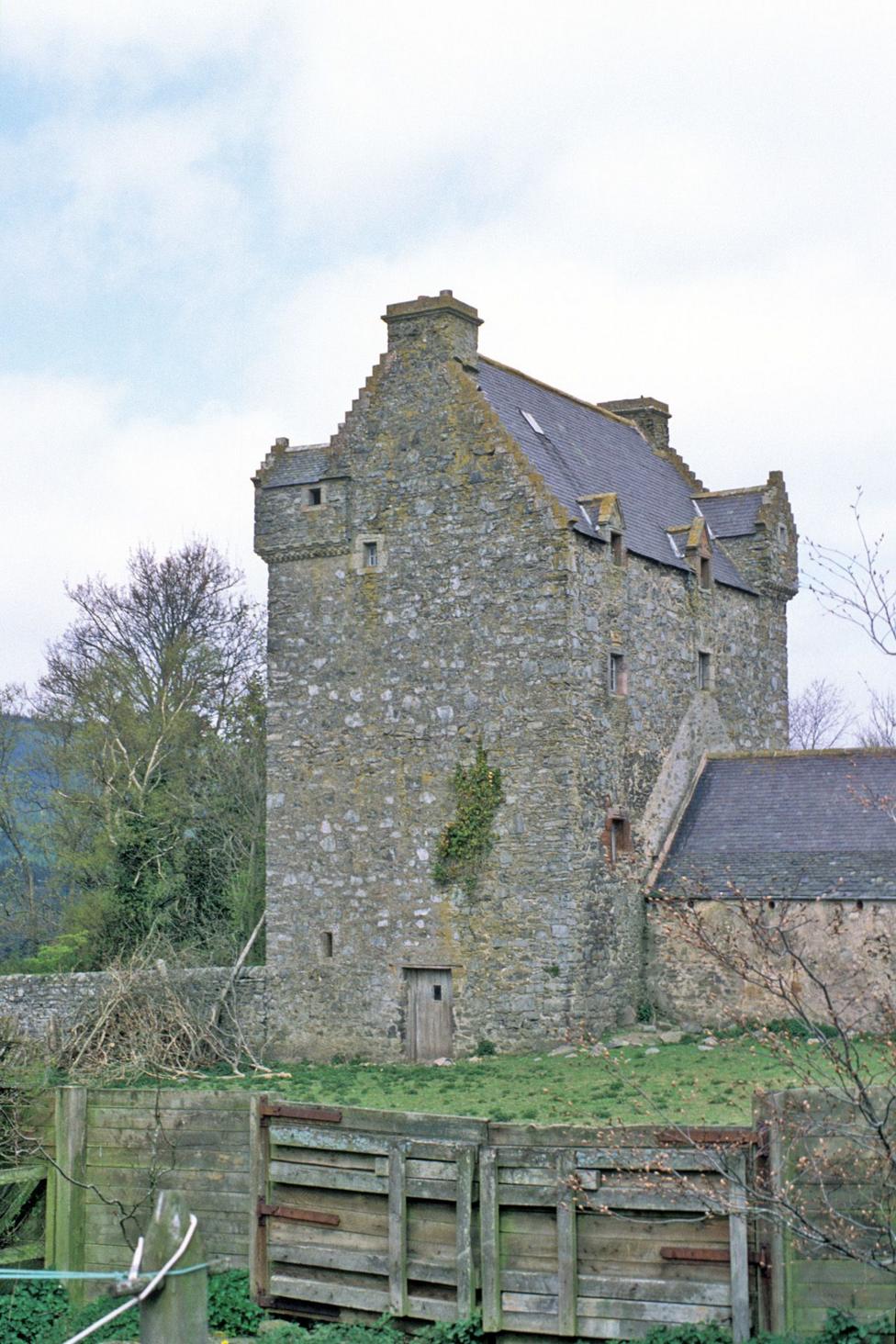
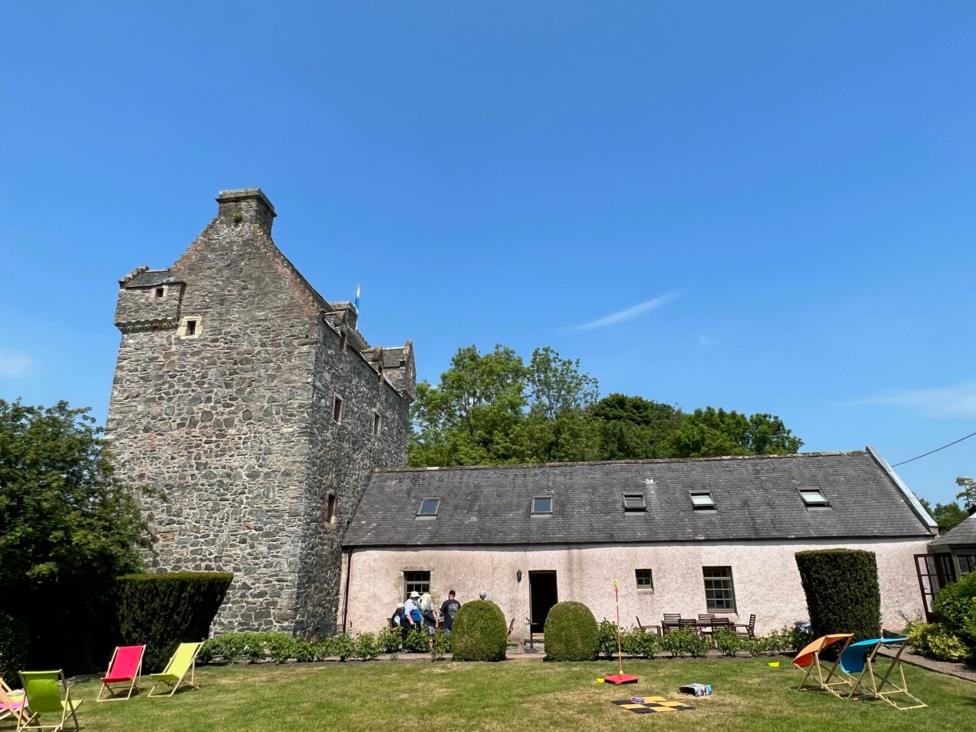
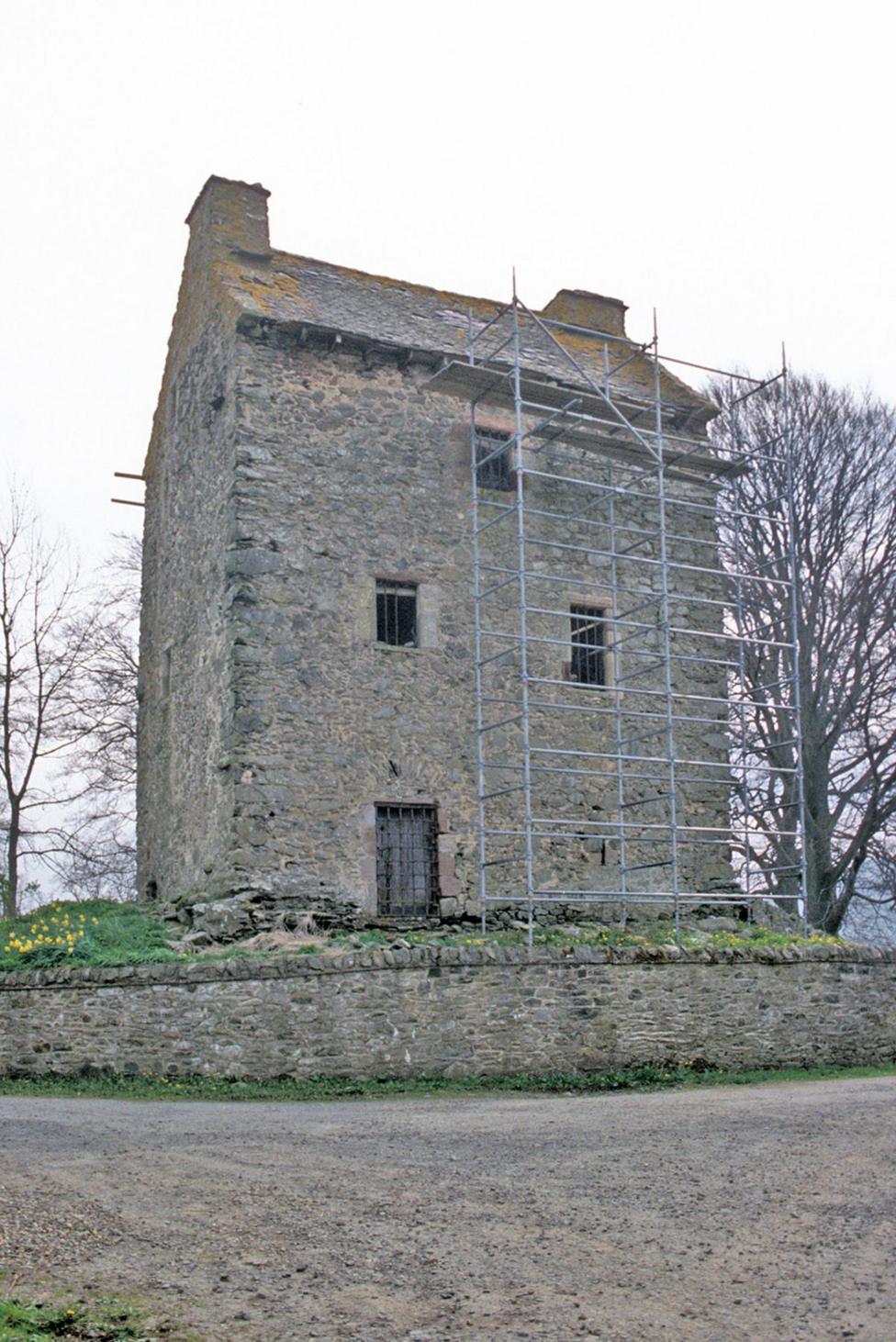
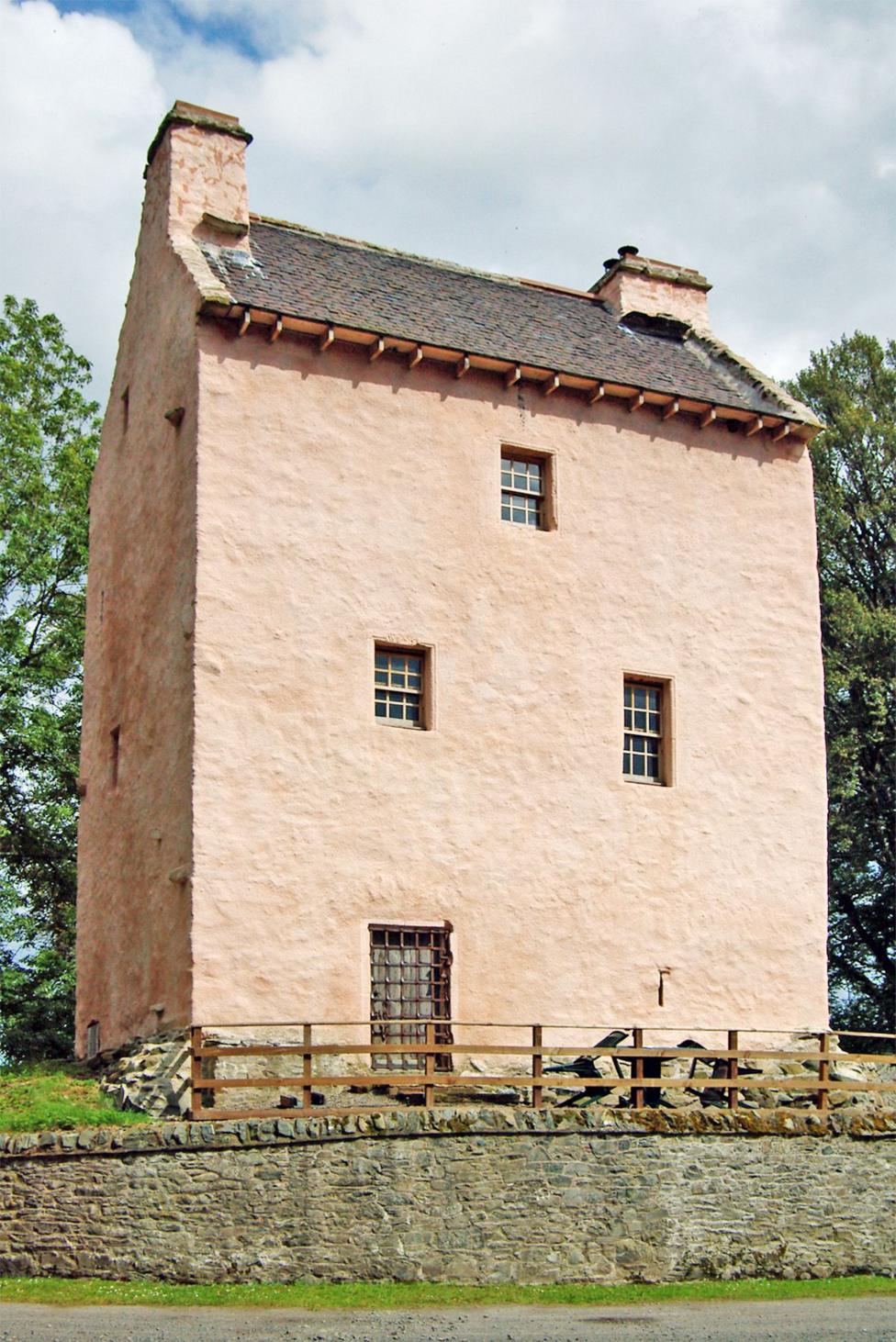
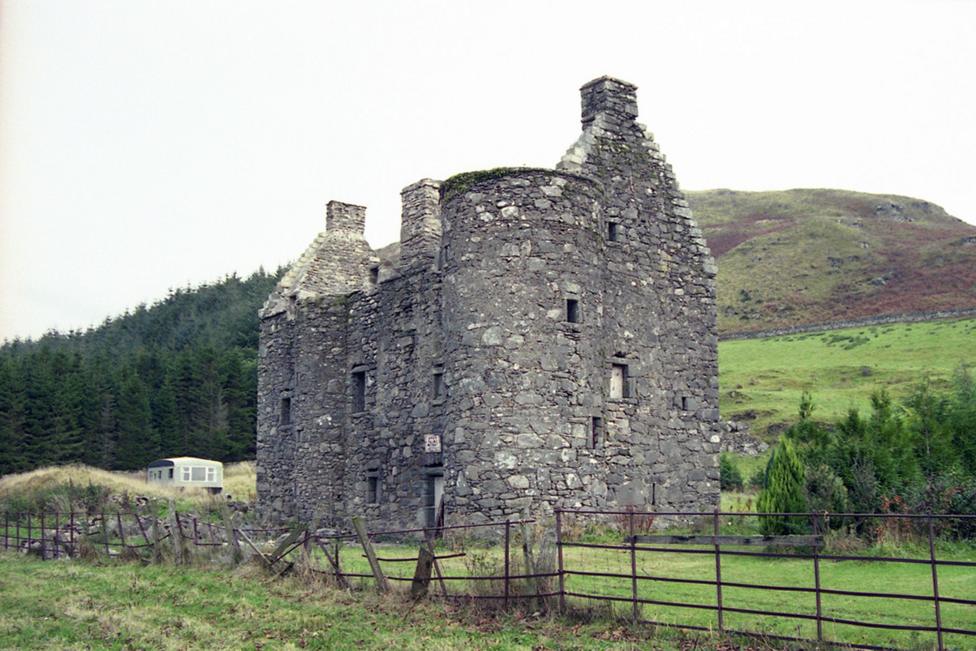
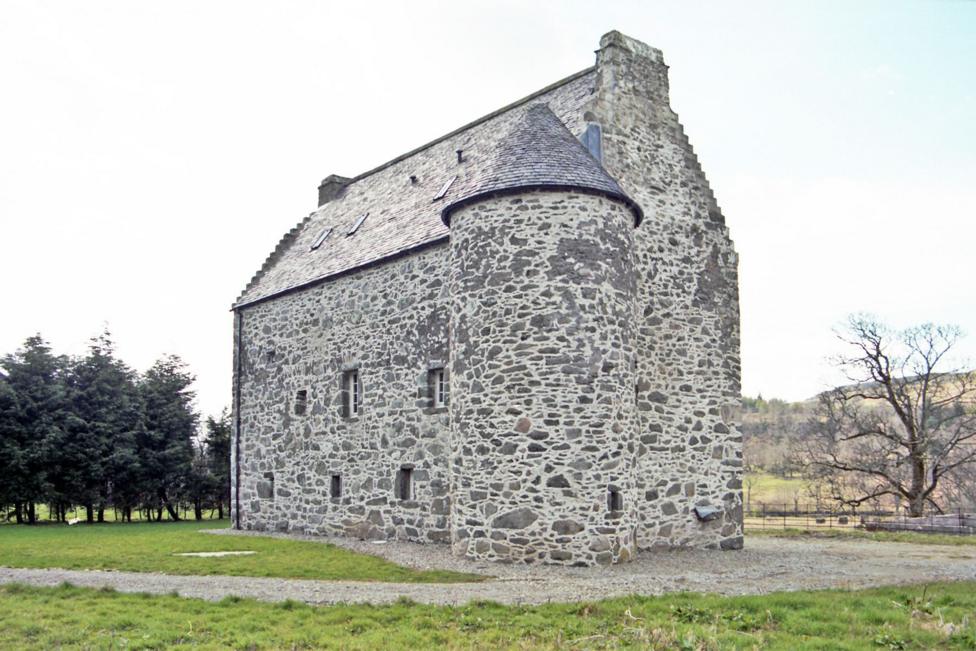
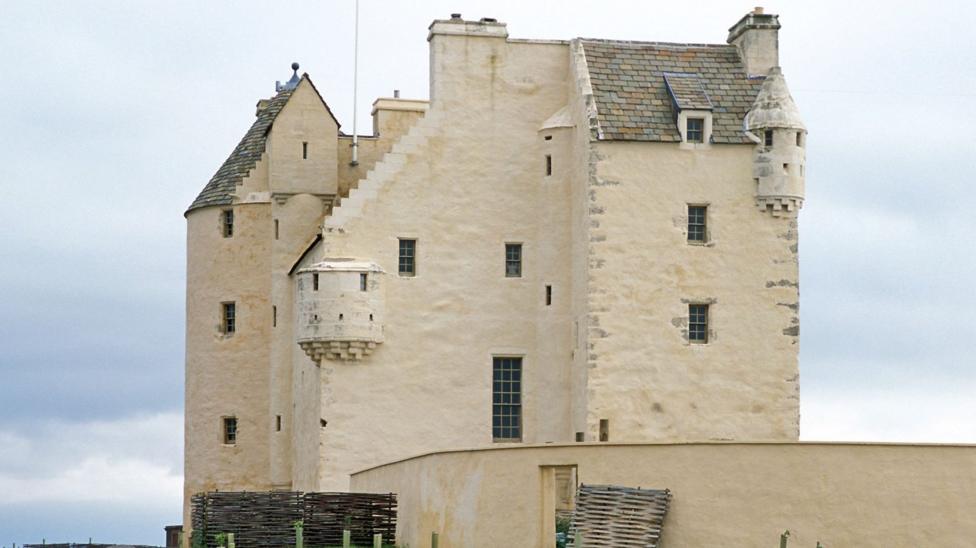
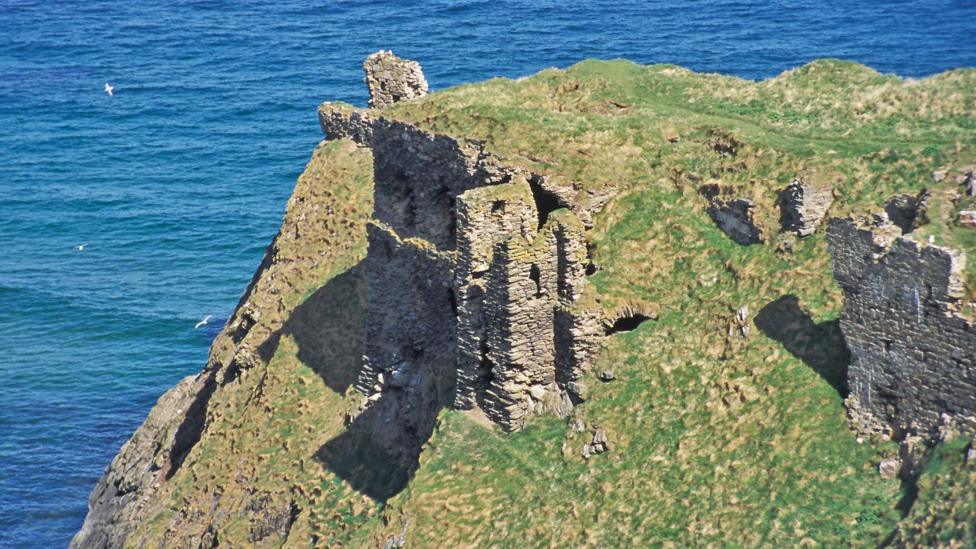
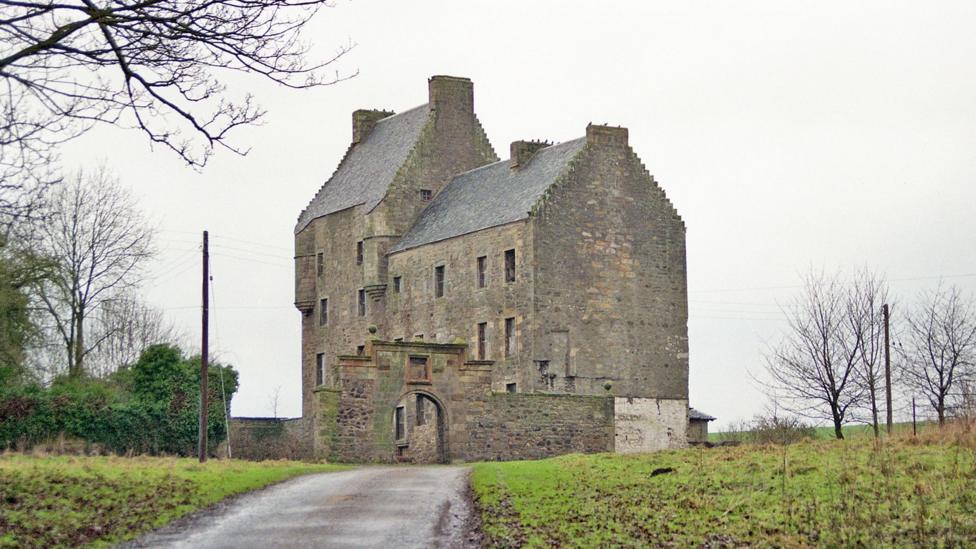
The collection centres on a series of distinctive images accumulated over decades by photographers and researchers across Scotland. These photographs document the transformation of buildings—whether the gradual deterioration of occupied structures into ruins or the painstaking restoration of derelict sites back into habitable use. Oram noted that such visual records rarely survive in places where the public can access them.
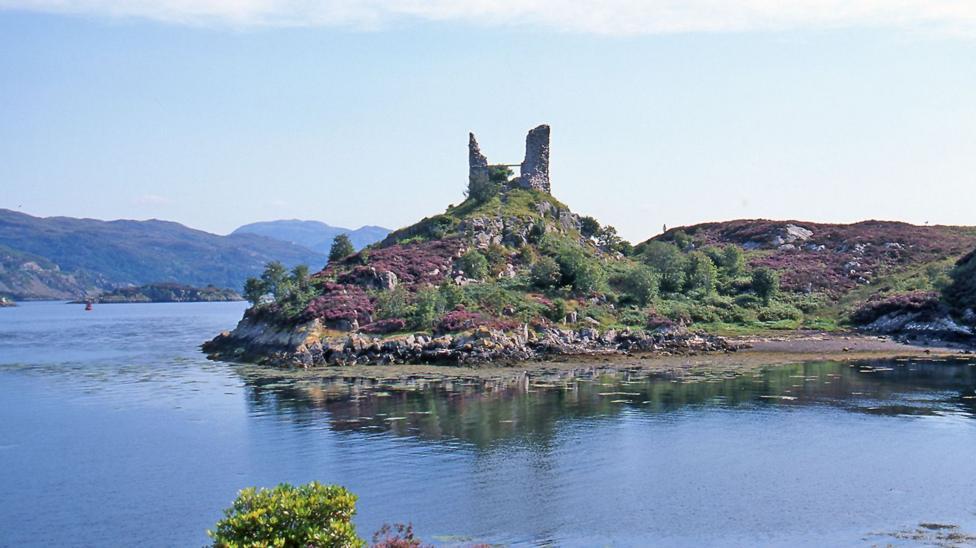
"We're either charting the decline from a lived-in building into a ruin or the gradual climbing from being a ruin back into habitation or use. A lot of that kind of record doesn't survive in a place that most people can see it."The archive includes everything from already upgraded buildings to ruins like Caisteal Maol on the Isle of Skye.
Among the materials being incorporated is the Alastair Maxwell-Irving collection of plans and drawings, which spans the entire country from Dumfries and Galloway to the North Sea coast. This historical documentation provides architectural detail and context for understanding how individual castles have evolved.
Why is this archive being created now?
The timing of the archive's development coincides with a notable surge in international interest in Scottish castles. Oram observed that while enthusiasm for these structures has always been part of Scotland's cultural identity, there is currently a renewed fashion—particularly among North Americans but extending beyond—for acquiring and restoring romantic Scottish castles. This heightened interest has created both opportunities and challenges for heritage preservation.
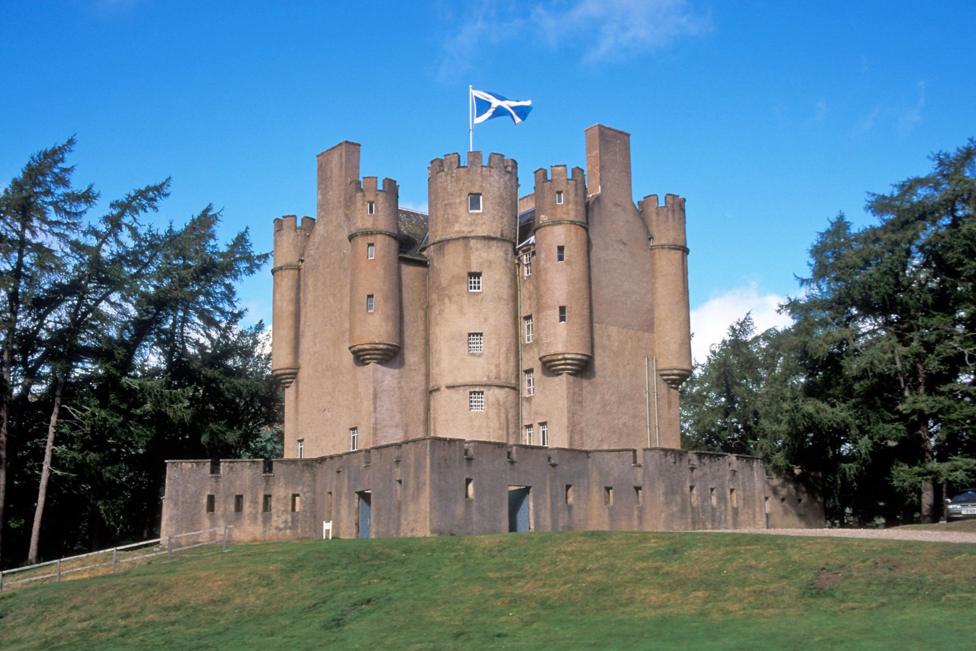
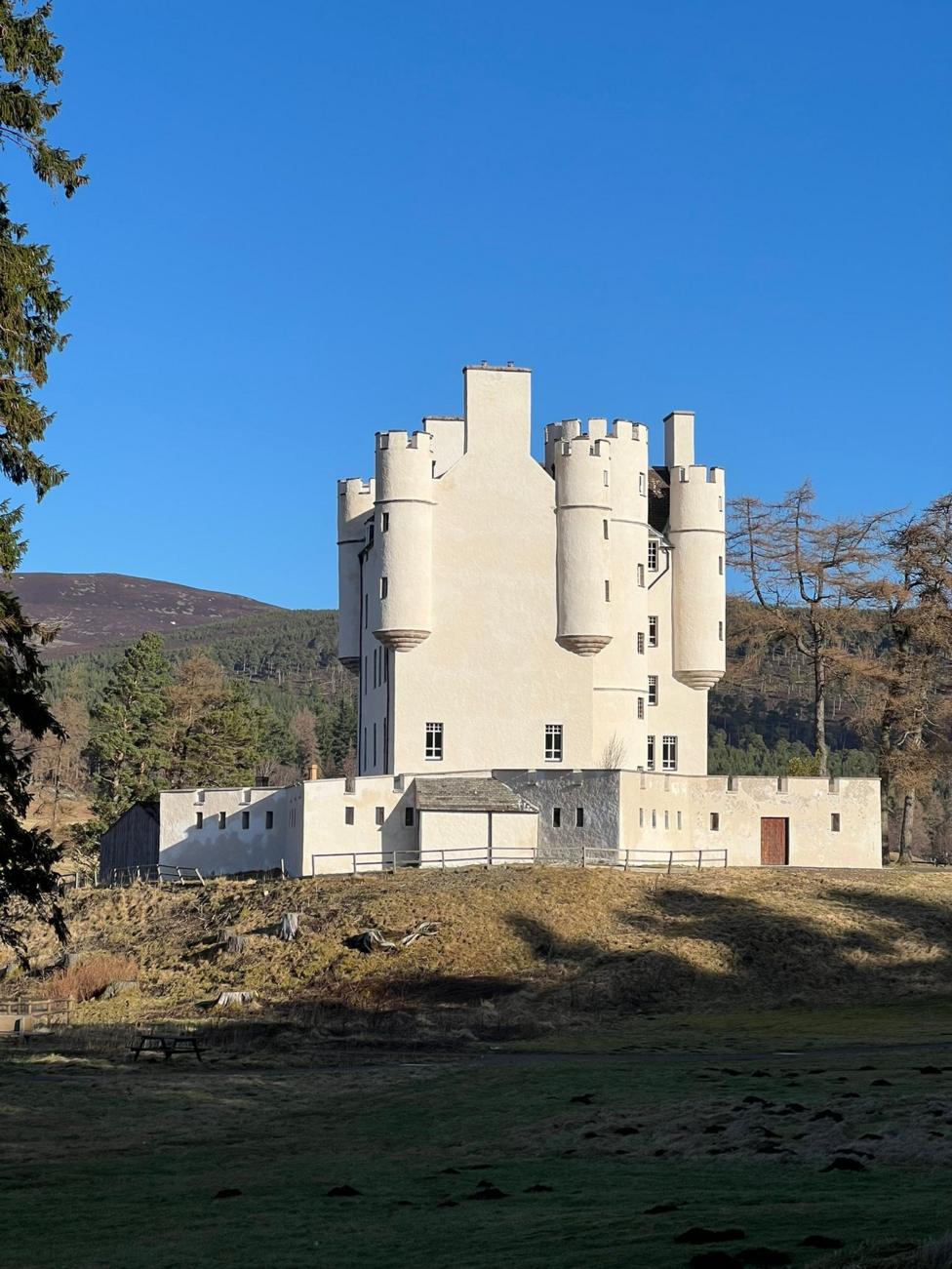
The global fascination with Scotland's castles shows little sign of diminishing. From Americans fulfilling lifelong dreams to television personalities like Alan Carr moving into their "turret era," ownership interest has reached notable levels. For those with more modest budgets, the striking appearance and historical narratives of these structures remain an enduring attraction.
What will the archive reveal about restoration possibilities?
One of the archive's key functions will be to establish evidence about which castles can feasibly be restored and which may be beyond practical recovery. This connects to broader discussions with Historic Environment Scotland about "managed decline"—allowing certain buildings to deteriorate naturally while still making them accessible for visits and ensuring they are properly documented for future generations. Oram explained that the goal is to provide
"an up-to-the-minute, sound overview of the building as it is now with a good understanding of its historical development and the history behind that building."
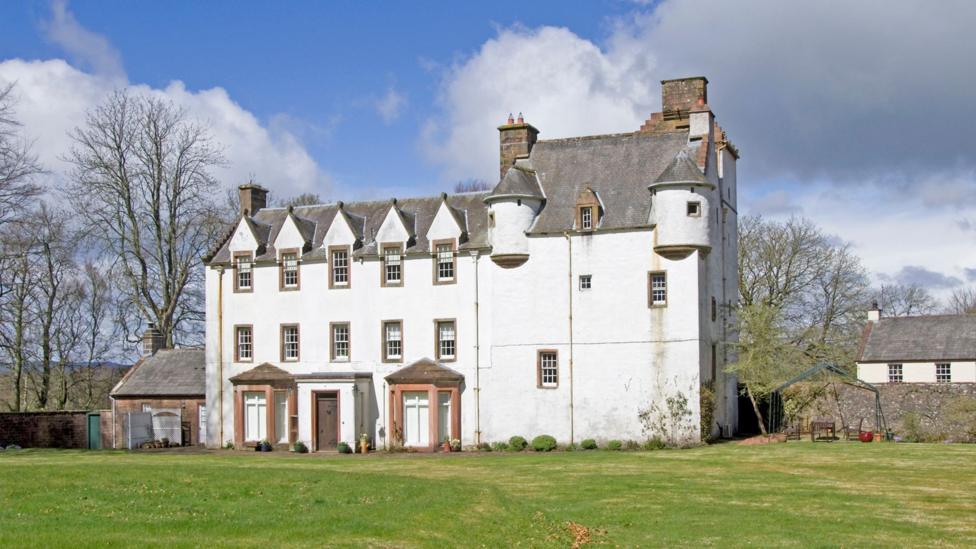
This comprehensive approach involves telling the story of the people who owned and developed each castle, as well as documenting how structures have been adapted over centuries. Many sites began as 14th-century towers but were transformed into comfortable residences during the 18th, 19th and 20th centuries. Understanding what has been compromised, what has been added, and what original fabric remains is essential to informed conservation decisions.
How will the archive be structured and accessed?
The archive will be available both online and in physical form at Stirling University, with all information presented in plain, accessible language. Oram emphasised the importance of moving away from overly technical or obscure descriptions that often characterise heritage documentation.
"It's to try and get away from some of the really starchy, confined, Secret Squirrel type of language that often descriptions of these buildings are wrapped up in."The project aims to strip away mythology surrounding certain buildings and work with communities and organisations nationwide to provide the most accurate information possible.
According to the Scottish Castles Association, the archive is being developed as a permanent, freely accessible digital resource combining historic records with new documentation and fieldwork. The exact number of Scotland's castles and fortified sites is not precisely known, making the archive's goal to establish a reliable record of what survives and is at risk particularly valuable for heritage management.
What investment and timeline are planned?
The project's five-year programme calls for £880,000 in initial investment, including capacity to digitise 125,000 images, conserve collections, improve digital access and support community involvement. A launch event took place at Dunbar Castle on Wednesday, with further engagement planned to build enthusiasm across the country.
Oram stressed the importance of the archive for the broader public and heritage enthusiasts.
"We're trying to really build interest and enthusiasm across the country. But I think the critically important thing for us is to really push and get a better understanding of our buildings, our national heritage. It's something that we're hopeful will really be there to fire up the enthusiasm of the broader public and all the people that we know around the country that are absolutely passionate about castles."
What happens next
A live launch and fundraising dinner is scheduled for 18 November 2026 at Dundas Castle, featuring speakers Richard Oram and Simon Forder. This event will mark a significant milestone in the archive's development and provide an opportunity to engage supporters and stakeholders in the project's ongoing expansion.