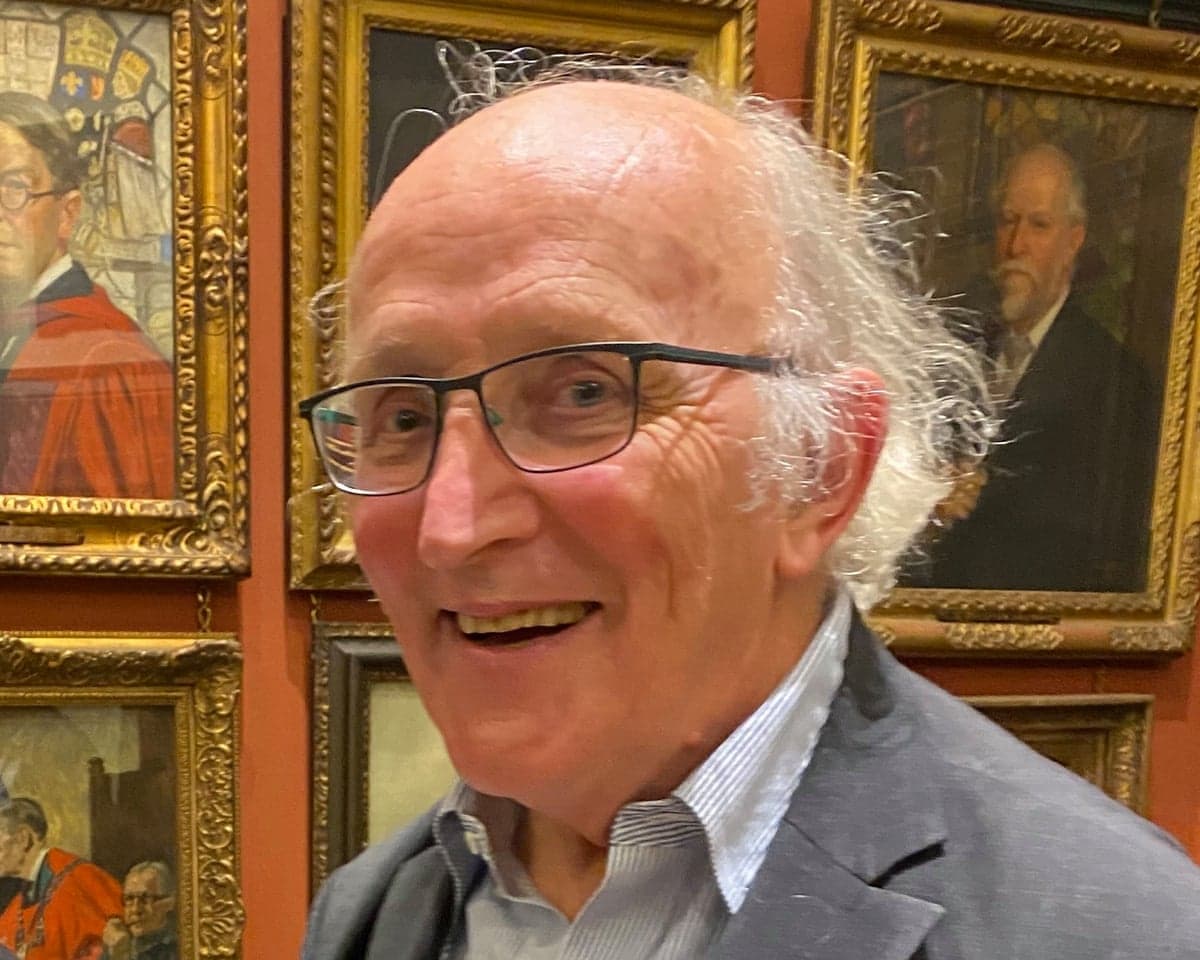
Peter Howell, who devoted more than six decades to preserving Britain's Victorian architectural heritage while maintaining a parallel career as a classics lecturer, died on 15 August 2026, aged 85. Born on 29 July 1941 in Malta, he became one of the longest-serving members of the Victorian Society, the organisation founded in 1957 to defend 19th-century buildings, and served as its chairman from 1987 to 1993.
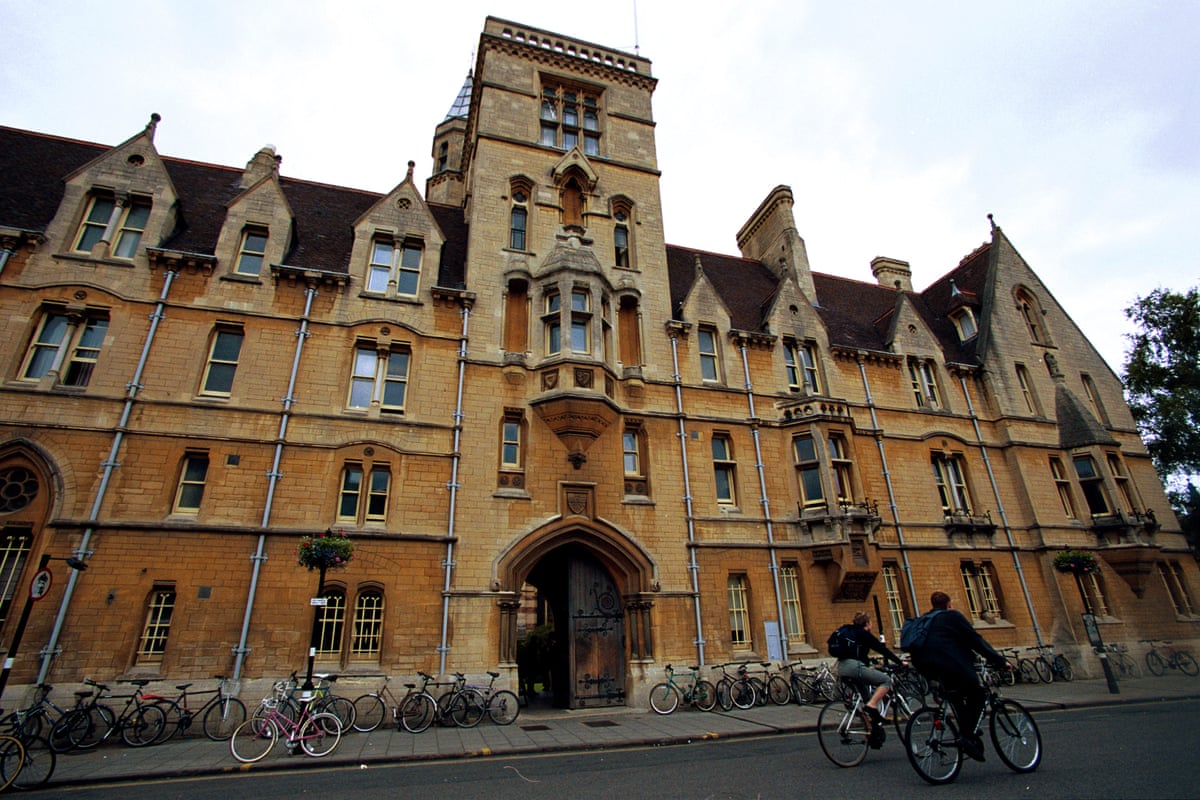
His commitment to the cause began in 1962 when, as an undergraduate at Balliol College, Oxford, he learned of a proposal to demolish the college's entrance range, a structure designed by Alfred Waterhouse in 1867. The prospect of losing this significant Victorian work galvanised him into action. Three years later, in 1965, the architectural historian and preservationist Nikolaus Pevsner invited him to join the Victorian Society's buildings committee, a position he would hold for the remainder of his life.
Throughout the 1960s and beyond, when Victorian architecture remained deeply unfashionable, Howell emerged as an uncompromising voice against the alteration or demolition of fine buildings. Those who served alongside him on the buildings committee recalled his distinctive response to proposals for what he regarded as architectural vandalism—a sound described as halfway between a groan and a guffaw—which became his trademark reaction to yet another threat to the built heritage he cherished, particularly in ecclesiastical contexts.
A dual career in classics and preservation
Howell's professional life balanced two scholarly pursuits. After winning a scholarship to study classics at Balliol in 1959, he went on to lecture in the subject at Bedford College, London, from 1964 until his retirement in 1999. When Bedford College merged with Royal Holloway College in 1985, he continued his teaching role at the combined institution. His academic work on the Roman poet Martial earned sufficient distinction that Uppsala University in Sweden awarded him an honorary degree in 2016.
Yet his publications extended far beyond classical studies. In 2020, he produced a monograph on John Francis Bentley, the architect of Westminster Cathedral—a building that held profound significance for him throughout his life. He served on its art and architecture committee for more than 50 years, a commitment that reflected both his professional expertise and his personal devotion. Two years later, in 2021, he published a history of triumphal arches, further demonstrating the breadth of his architectural knowledge.

Family background and personal life
The son of Lt Col Adrian Howell, a career military officer, and Madge Thompson, Peter was one of six children raised in the Roman Catholic faith, which remained central to his identity throughout his life. He received his education at Downside, a Benedictine school near Bath, before his scholarship to Balliol opened the door to his Oxford years and the formative encounter with Victorian preservation that would define his legacy.
In 1979, he met Edward Diestelkamp, an architectural historian who became his life partner. The two shared a passion for buildings and the arts, embarking on frequent holidays characterised by deliberate frugality. They chose camping over hotels, picnics over restaurants, and the cheapest theatre seats available, a strategy that allowed them to experience as many buildings and operas as their busy schedules permitted.
Recognition and legacy
The Victorian Society, in a statement posted on 18 August 2026, described Howell as one of its longest-serving and most distinguished members, as well as a former chairman. The organisation expressed its sorrow at his death and acknowledged him as one of its great supporters, a recognition that underscored the profound impact he had made on the institution's work over nearly seven decades.
His energy and humour, combined with an unwavering commitment to architectural integrity, made him a formidable presence on the Victorian Society's buildings committee. In an era when Victorian design was routinely dismissed or destroyed, Howell refused to compromise, arguing passionately for the preservation of buildings that later generations would come to recognise as masterpieces. His dual identity as a classicist and architectural historian gave him a unique perspective on the cultural value of the structures he fought to protect.
He is survived by Edward Diestelkamp and his sister Mary. According to a separate obituary published in August 2026, his influence on the preservation movement extended well beyond his formal roles, shaping how subsequent generations understood the importance of Victorian architecture to Britain's cultural heritage.