A public row between Earl Spencer and Buckingham Palace over his forthcoming memoir has generated six days of accusations and counter-claims, extensive media coverage, and—perhaps unsurprisingly—a surge in pre-publication sales. Swan Song: Diana, My Sister is climbing the Amazon bestseller rankings even before its official release on 22 September 2026, positioning it as a major royal book release that will likely rival Prince Harry's 2023 memoir Spare in cultural impact.
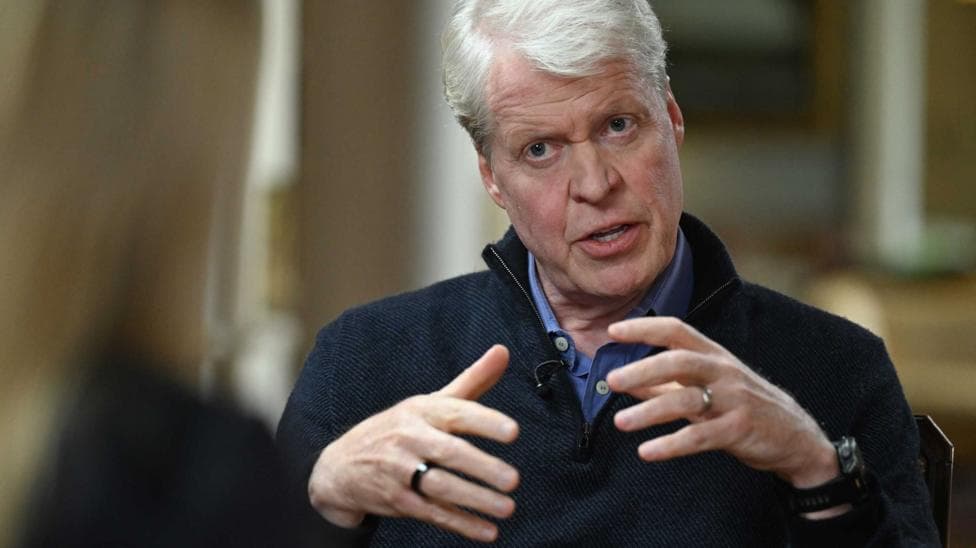
The central dispute centres on whether readers should accept Earl Spencer's account of King Charles's conduct following Diana's death, or the unusually forceful rebuttal issued by Buckingham Palace before the book's publication. In a BBC interview broadcast on Friday, Spencer maintained his position, stating he was "telling the truth" about the disputed funeral arrangements exchange.
Yet beneath the headline-grabbing allegations lies a more intricate narrative. The memoir presents Earl Spencer as a witness to the extraordinary transformation of his sister from childhood companion to global icon, and ultimately to a tragic figure consumed by the machinery of royalty and tabloid obsession. His account captures a brother's grief and frustration as Diana becomes public property, a process he views with deep ambivalence toward what he terms the "nonsense of fawning" surrounding the monarchy.
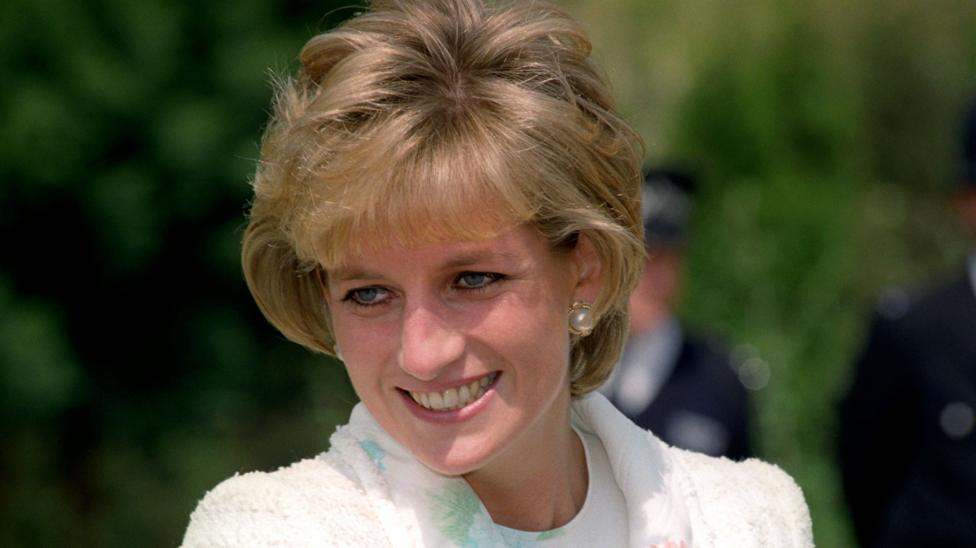
Who was Diana through her brother's eyes?
Earl Spencer portrays Diana as a woman of genuine compassion and social conscience, yet one perpetually haunted by self-doubt and eating disorders. He describes her as starved of warmth from her new royal family and ultimately destroyed by relentless media pursuit. In his own words, preserved in the manuscript:
"She craved acceptance, admiration, kindness, and - perhaps above all - love. She got stuck into gritty, controversial, but crucial causes partly because she had a fine, natural social conscience, but also to assuage nagging feelings of worthlessness."
The portrait that emerges is of a woman who married at just 20 years old, ascending to global stardom, only to die 16 years later. Spencer emphasises the strangeness of her trajectory—from his childhood playmate to one of the world's most recognisable figures, trapped within an institution that neither understood nor valued her.
What controversial claims does the book contain about the Royal Family?
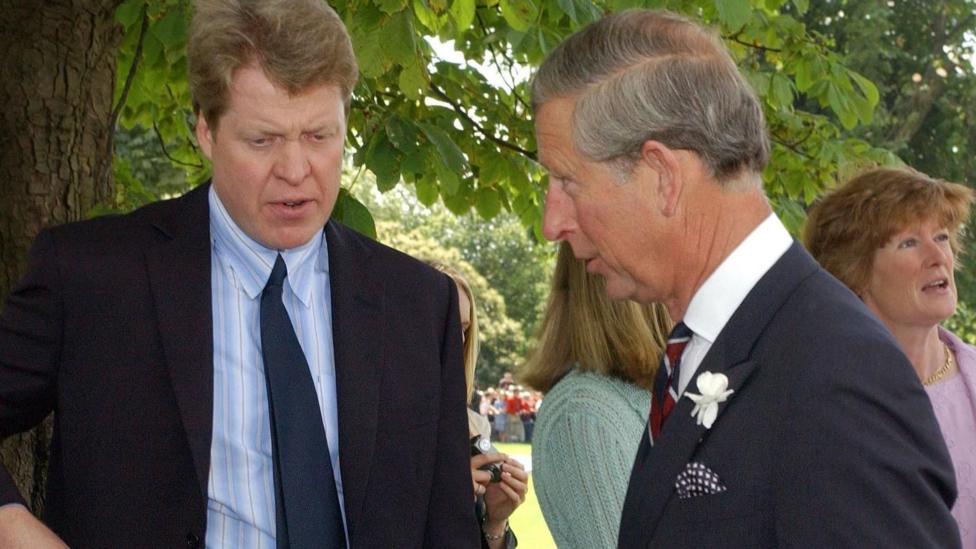
The memoir is saturated with unflattering portrayals of King Charles, nearly all cast in a negative light. Spencer recounts an alleged conversation in which the then-Prince Charles complained about his parents' treatment of him:
"I mean, I'm 43, and I employ fifty people – he was flushed in the face now – but my parents insist on treating me like – like a child!"
The book also reports a remark attributed to the late Queen about Charles:
"He even resented it when I taught him the alphabet."Spencer includes the allegation that Diana claimed King Charles was in love with his valet—a claim the author himself acknowledges seemed improbable. The memoir further suggests Charles harboured jealousy of Diana's superior public popularity.
One of the most striking anecdotes involves Diana and her stepmother Raine Spencer. According to the book, Diana became so enraged at Raine's insult—
"I have always felt so very sorry for the Prince of Wales, marrying someone quite as stupid as you"—that she pushed her down the staircase at Althorp. Spencer writes:
"Raine fortunately landed flush on her buttocks, rather than on bone, and got up, leaving the saloon without a backwards glance."
The memoir also recounts that Diana disliked Mohammed Fayed, accusing him of groping her. There is a bizarre account of royal family discussions about whether the then-Prince Charles's ears should have been pinned back, and a story about a teenage Prince Andrew smirking during a church service when the priest used the word "womb".
What does the book reveal about Diana's personal tastes and interests?
Spencer provides intimate details of his sister's everyday preferences. Diana enjoyed the soap opera Crossroads and the music of David Bowie. She had watched The Sound of Music 16 times and read the Daily Mail as her newspaper of choice. These mundane details humanise her beyond the global icon, revealing the ordinary pleasures of a woman trapped in an extraordinary life.

How does Spencer address his role in Diana's funeral?
Earl Spencer is perhaps best remembered for the passionate eulogy he delivered at Diana's funeral in Westminster Abbey in 1997. The memoir reveals that he deliberately pretended to have lost his copy of the speech during rehearsal, ensuring no one could hear it in advance and attempt to soften his stinging criticism of the press and the royal institution.
Spencer recounts how he personally telephoned tabloid newspaper editors to withdraw their invitations to the Abbey funeral, despite invitations having already been sent. Diana was ultimately buried on an island within the Spencers' Althorp estate rather than in a graveyard, and the book describes how a bishop was brought to consecrate the ground to make this arrangement possible.
What is the broader context of Spencer's relationship with the Royal Family?
The memoir underscores a paradox: the Spencers were intimately connected to the royals without ever truly being friends. Charles and Diana Spencer attended the same children's parties as the young royals, yet Spencer depicts the royal children as visitors who would arrive, break toys, and depart—a metaphor he extends to his interpretation of Diana's entire royal experience.
Spencer emphasises his opposition to the aristocratic tradition and describes his disdain for what he calls "archaic" titles. Yet the title that has most profoundly shaped his life, he suggests, is simply "Diana's brother." The book oscillates between celebration of their shared childhood—marked by country house happiness, dogs, horses, and dens—and acknowledgment of its darker elements: violent nannies and the "mindless and often destructive" tradition of boarding schools.
One particularly jarring detail involves a boy who accidentally shot and killed his father, receiving the cruel nickname "Baghdad." These passages reveal a world of privilege shadowed by cruelty and trauma.
Why has the book generated such intense controversy?
Much of the public interest has been driven by Spencer's settling of old scores with the Royal Family. The allegations about King Charles's conduct after Diana's death triggered the palace's rare public rebuttal, intensifying the row as publication approached. Spencer has accused the King of gaslighting him following the memoir claims, further escalating the dispute.
Notably, the book contains no mention of Meghan, the Duchess of Sussex, despite her prominence in recent royal controversies. However, Spencer reveals that a "nephew" approached him about appearing in a documentary about Diana, a reference that has sparked speculation about Prince Harry's plans for the 30th anniversary of Diana's death in 2027.
While television interviews have pressed Spencer for his views on Prince Harry and Prince William, the memoir itself largely sidesteps contemporary royal drama. Spencer does discuss his opposition to the young princes walking behind their mother's coffin at her funeral, reflecting on "how tiny, and slight, and bereft, Harry looked." Yet the book's focus remains firmly on the Diana era and an elegy to the lost world of their shared childhood.
What happens next?
Swan Song: Diana, My Sister, published by Penguin Michael Joseph, is scheduled for release on 22 September 2026. The book's publication will likely extend the media row that has already consumed six days of public dispute, as readers engage with Spencer's full account and the Royal Family potentially responds to additional revelations. The memoir arrives amid broader scrutiny of the modern monarchy and its handling of Diana's legacy, positioning Spencer's eyewitness testimony as a significant historical document for understanding the princess and her relationship with the institution that defined her life.
The controversy surrounding this book demonstrates how Diana's story continues to shape royal narratives three decades after her death, and how the perspectives of those closest to her remain contested terrain in the ongoing struggle to define her memory.