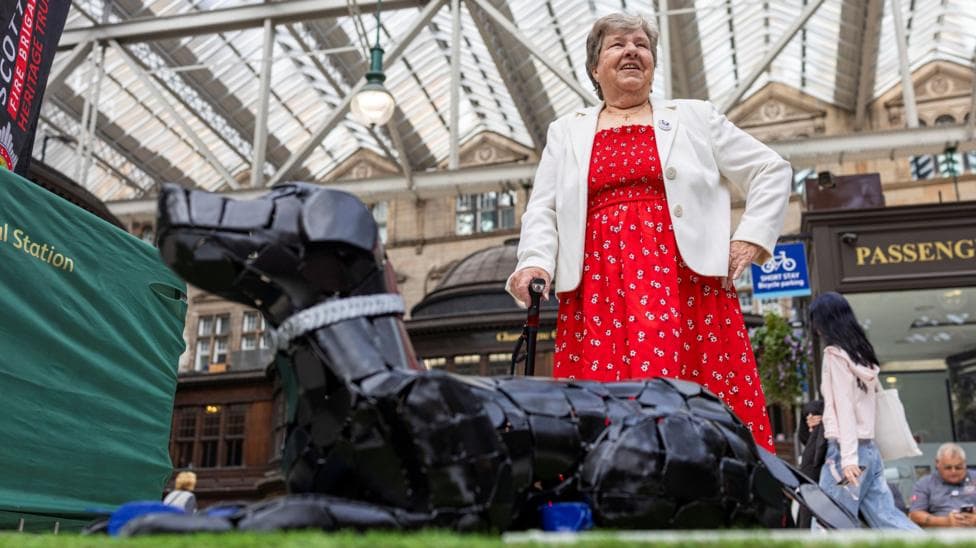
Val Ripley, aged 101, still tends to the dolls' houses that have filled her life since childhood, and she remains the guiding presence behind a museum she and her late sister built around their rediscovered toy collection in Newport, Pembrokeshire. She first received a dolls' house from her parents on Christmas morning in 1932, when she was eight years old, and decades later that same collection became the foundation of Ty Twt Dolls House and Toy Museum, which has now welcomed visitors for 26 years.
Recalling the moment she unwrapped her first dolls' house as a child, Val described the disbelief she felt at seeing such an enormous gift waiting for her.
"I remember thinking 'they can't have bought me that one', and it was my pride and joy my whole childhood."
How did the toys survive for so many decades?
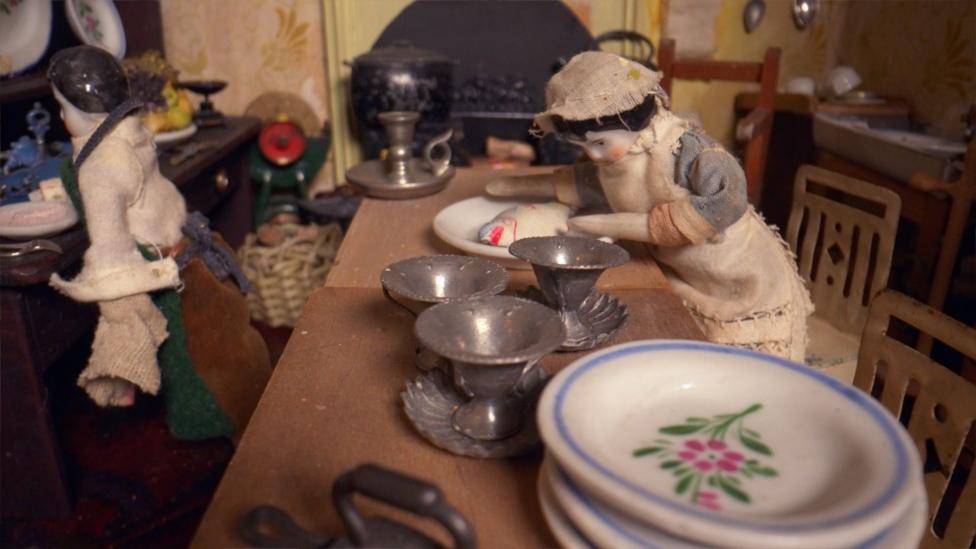
The collection's survival was far from guaranteed, since the outbreak of war forced the family to pack away their belongings entirely. In 1939, when Val's father was called back into the army, the household's possessions - including the treasured dolls' house and its accompanying toys - were placed into storage while the Ripley family searched for a new home. Once they eventually resettled, the toys were tucked away in the attic and remained untouched for decades, largely forgotten.
It was only after the death of Val's mother in 1977 that the toys resurfaced, still packed in their original pre-war crates, when Val and her sister Pam were clearing out the family home.
"We thought they were all gone. But after our mother died in 1977 my sister Pam and I discovered all our toys in their pre-war crates. It was so emotional I can't tell you."
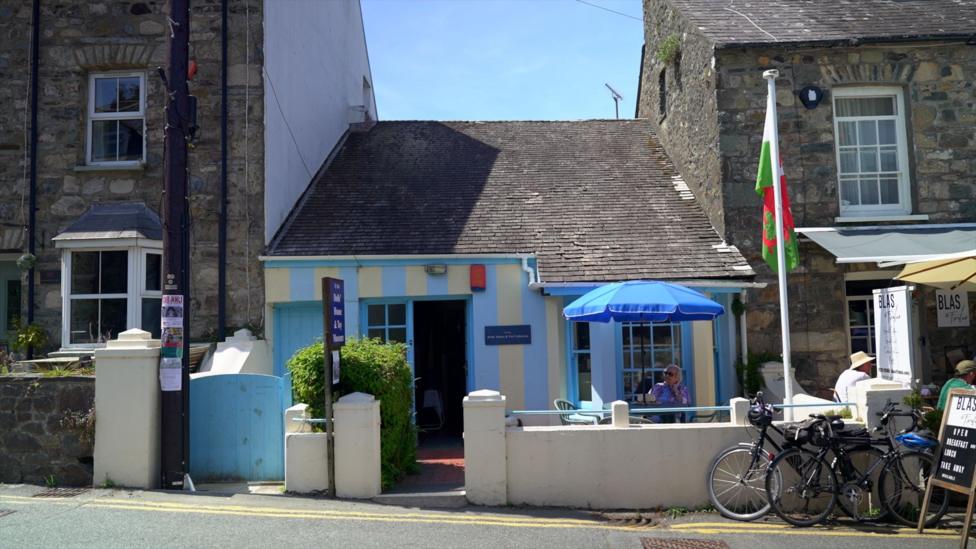
Finding the collection intact and in excellent condition inspired the sisters to grow it further and open it up to the public. Together they founded Ty Twt Dolls House and Toy Museum, which has now operated for 26 years. Although Pam has since died, Val continues to greet visitors and school groups, introducing them to playthings from a bygone era.
"I ask them if they have dolls houses, but all theirs are pink."

What does the collection reveal about the past?
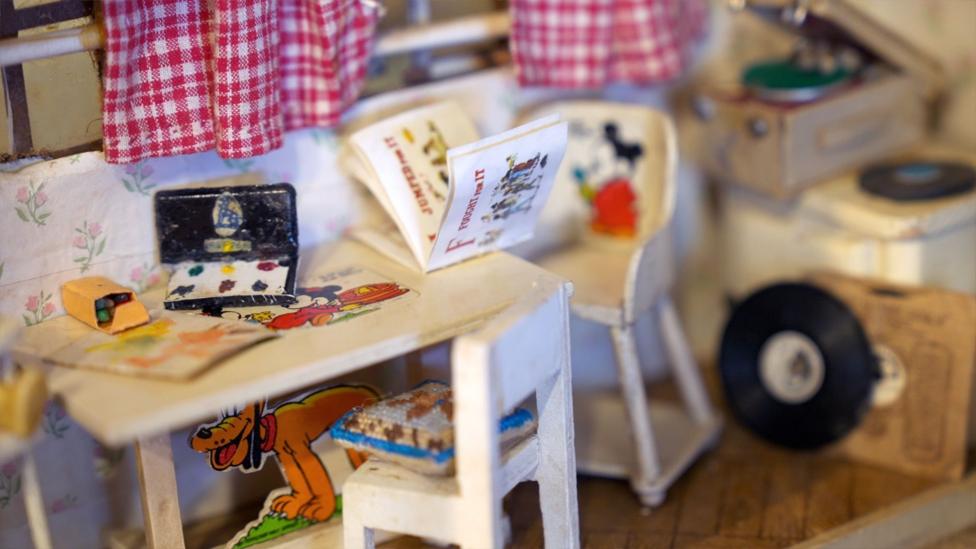
According to Val, the houses and toys amount to a record of everyday social history, capturing how domestic life - down to the household appliances on display in miniature - has evolved across generations. The oldest piece in the museum is a dolls' house dating back to 1840, built to resemble the home of a wealthy family during the early Victorian era.
"That was the date when dolls' houses became children's toys," said Val.
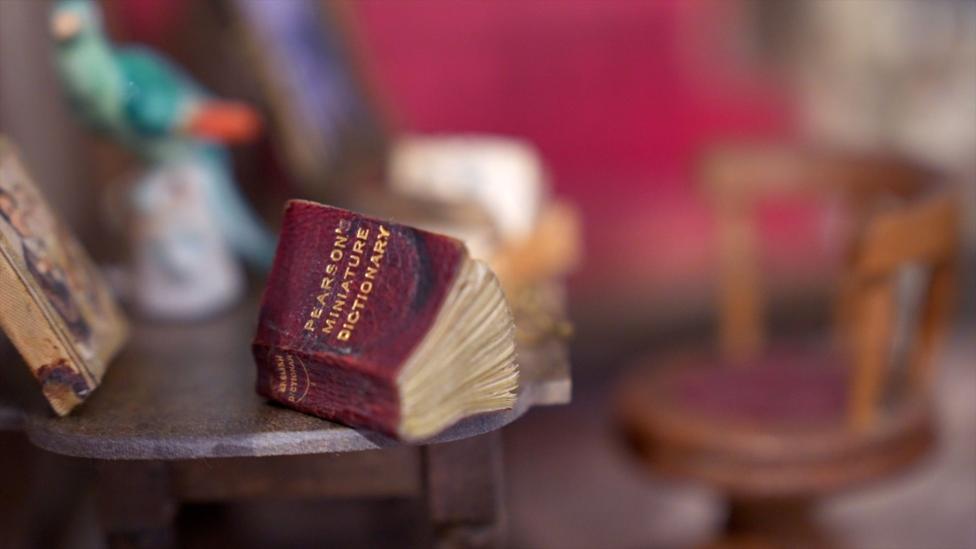
Before that period, dolls' houses were largely reserved for adults rather than children, functioning as costly, intricately detailed display pieces that were frequently handcrafted in Europe for wealthy owners. The arrival of the Industrial Revolution changed this by enabling mass production, which brought prices down and made the houses far more widely available to ordinary families. Manufacturers also began building them more robustly, allowing children to actually play with them rather than simply admire them from a distance.
This historical arc - from luxury adult curio to sturdy children's plaything - is echoed elsewhere in Britain's toy heritage. Records held for an early-20th-century dolls' house by the National Trust's collections archive similarly treat such objects as markers of social history rather than mere curiosities. That same instinct to preserve childhood objects as heritage led to the founding of Edinburgh's Museum of Childhood in the 1950s, which is widely recognised as the first museum in the world dedicated entirely to childhood, lending further context to why collections like Val's are valued as more than nostalgic novelties.
What other treasures does Val cherish?
Among her favourite pieces is a miniature school populated by toy bears, each of which Val gave a name that she still remembers vividly today.
"Reggie, Bruce, Yvonne, Carol, Gus, Penny, Miss Brewin, Mr Edwards the headmaster. My father gave them this wonderful mock Latin school motto: Ursus Nobiscum, which is Bear with Us."
Even after amassing such an extensive collection over a lifetime, Val admits she has not lost her enthusiasm for adding to it whenever something new catches her eye.
"If I see something I haven't got, I still buy it," she said.
Key Facts
- Val Ripley, 101, received her first dolls' house as a Christmas gift in 1932, aged eight.
- The family's toys were placed in storage in 1939 when her father rejoined the army, then forgotten in an attic for decades.
- The collection was rediscovered in 1977 after the death of Val's mother, still in its original pre-war crates.
- Val and her sister Pam opened Ty Twt Dolls House and Toy Museum in Newport, Pembrokeshire, 26 years ago.
- The oldest house in the museum dates to 1840, representing a wealthy early Victorian household.