The traditional pathway of completing education, securing employment, purchasing a home and potentially starting a family appears increasingly out of reach for many people today. Yet emerging evidence suggests the housing market may finally be shifting in favour of younger buyers, even as they remain substantially disadvantaged compared to their predecessors.
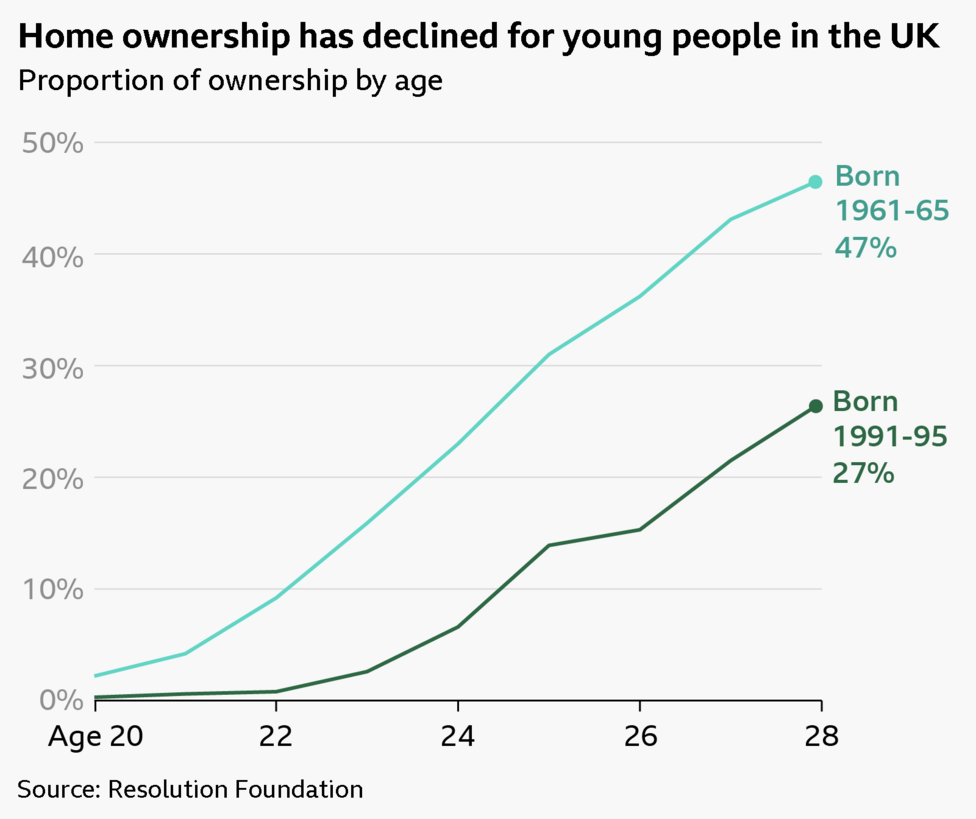
Those born in the mid-1990s face significantly steeper odds of homeownership than earlier cohorts. Around 25% of people born between 1991 and 1995 owned their own home by age 28, compared with 47% of those born between 1961 and 1965 at the same life stage.
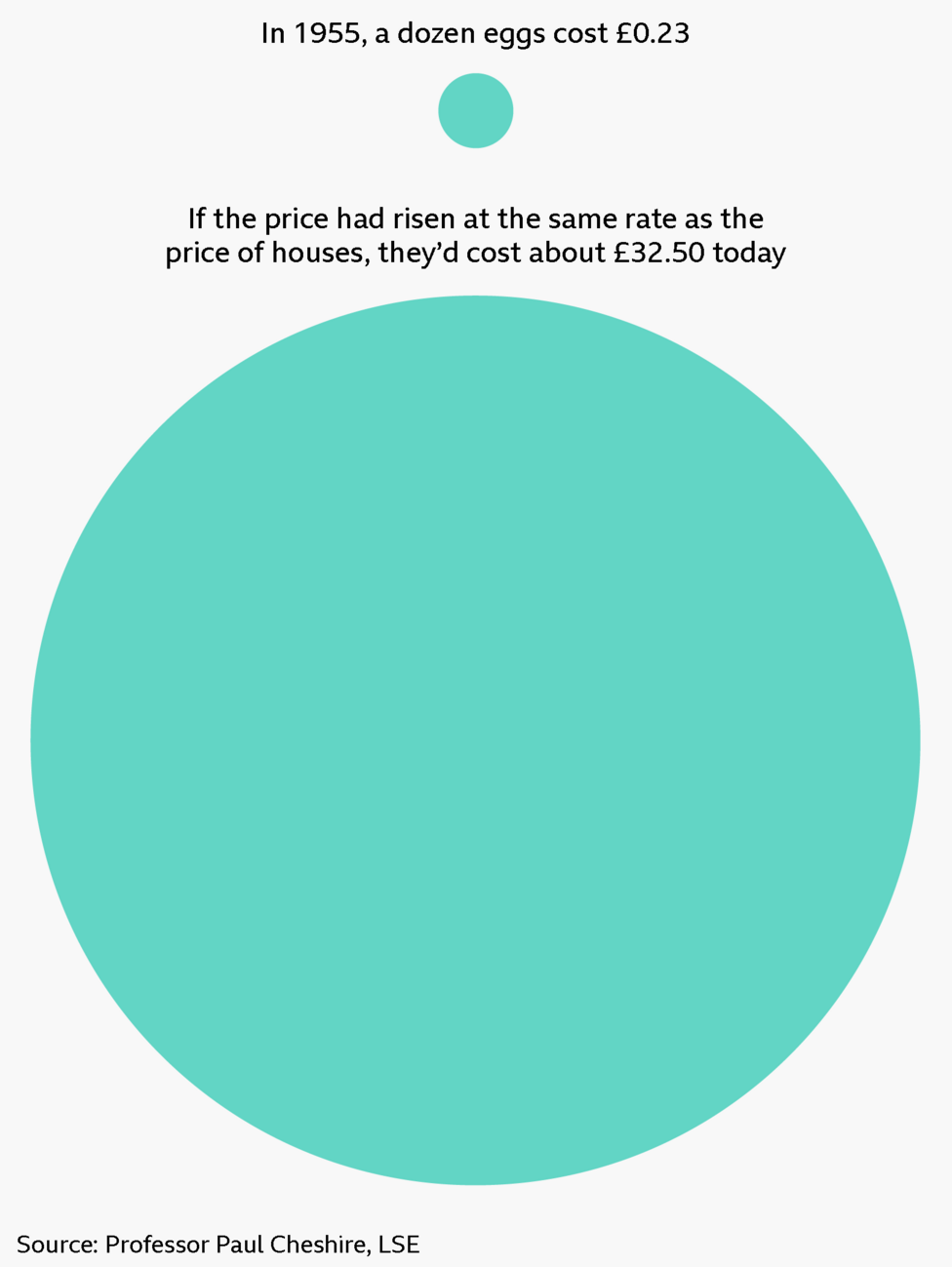
This generational divide reflects decades of structural change in the housing market. A key factor has been the divergence between property values and wage growth. Housing economist Paul Cheshire illustrated the scale of this disconnect by comparing price inflation across sectors: eggs that cost £0.23 in 1955 would need to cost approximately £32.50 today if their price had risen at the same rate as house prices.
Why has housebuilding fallen so far behind?
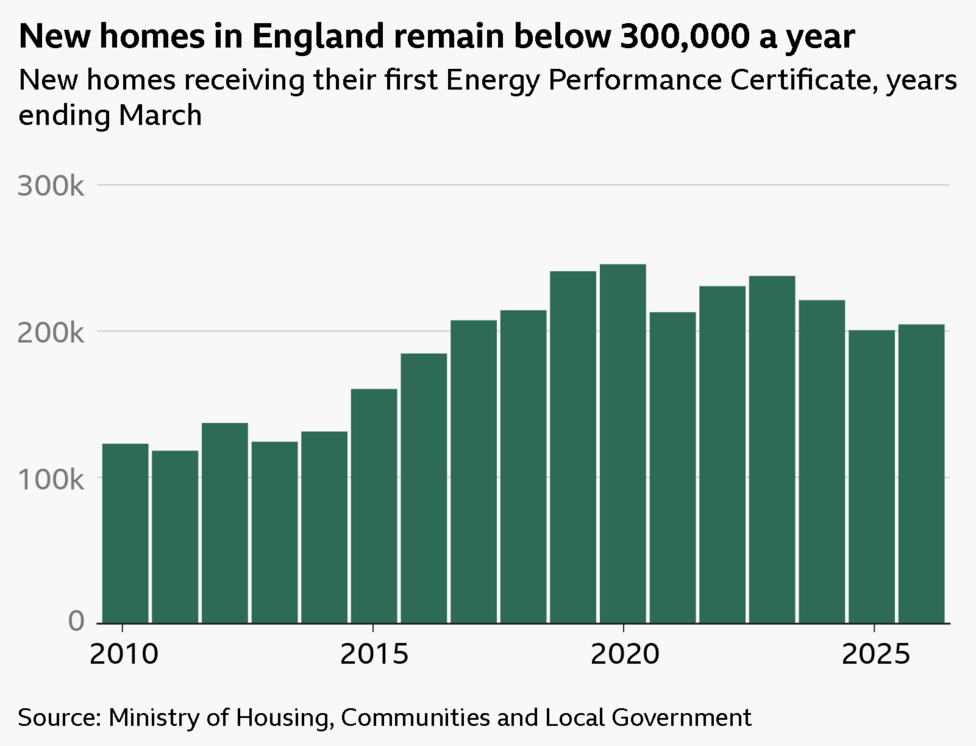
The government previously calculated that England requires approximately 300,000 new dwellings annually to accommodate population growth and changing household preferences. However, only 208,000 homes were completed in the most recent year measured, a shortfall that has persisted for at least three decades. According to recent data, new homes receiving their first Energy Performance Certificate in England numbered just over 240,000 in the year ending March 2025, showing only modest recovery from earlier lows.
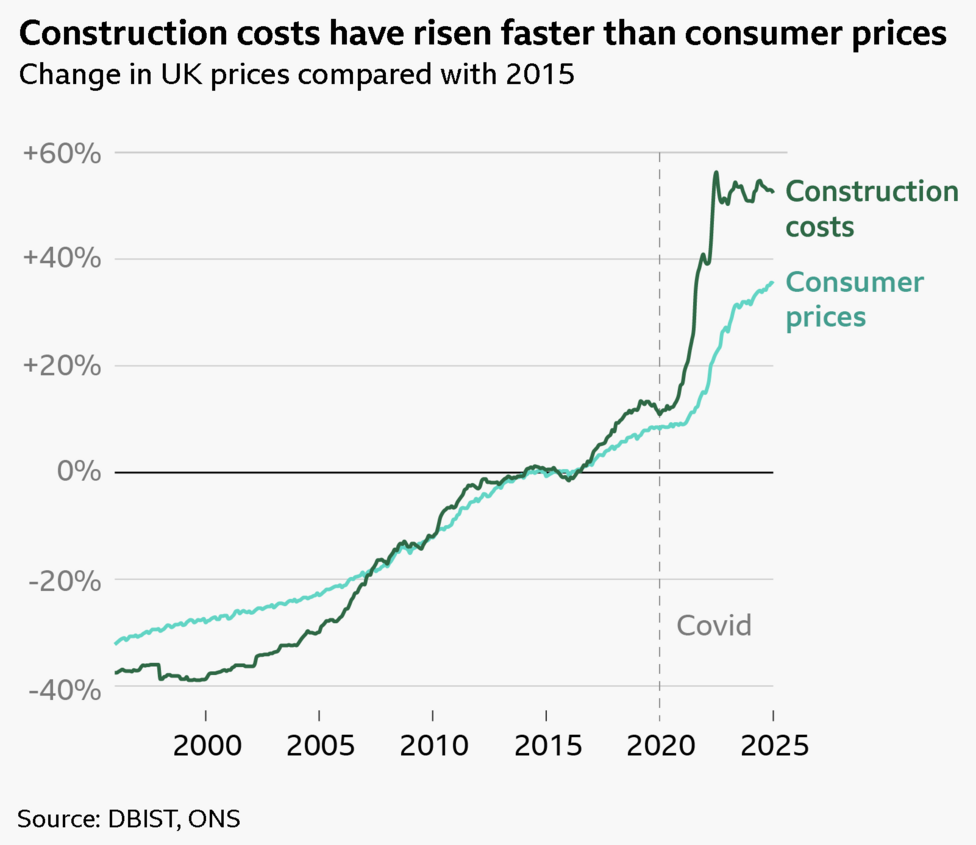
Multiple factors constrain new supply. Construction material costs have risen substantially faster than general consumer prices. Timber, steel, plasterboard, concrete and insulation all tracked inflation from the 1990s until the Covid-19 pandemic disrupted supply chains. The conflict in Ukraine then intensified pressures: energy costs for manufacturing and construction rose 15% in a single year, while the conflict in Iran pushed prices higher still. A dwelling that cost £150,000 to build in 2015 now costs approximately £230,000, with analysts projecting a further 15% increase over the next five years.
Labour shortages compound these challenges. Before the pandemic, more than one in five construction firms reported difficulty recruiting skilled workers, a problem exacerbated by Brexit. Planning regulations, while necessary for environmental protection and safety, add further costs and delays to projects. The combination of rising, unpredictable construction expenses and uncertain demand has deterred some housebuilders from committing to new developments.

What makes saving for a deposit so difficult?
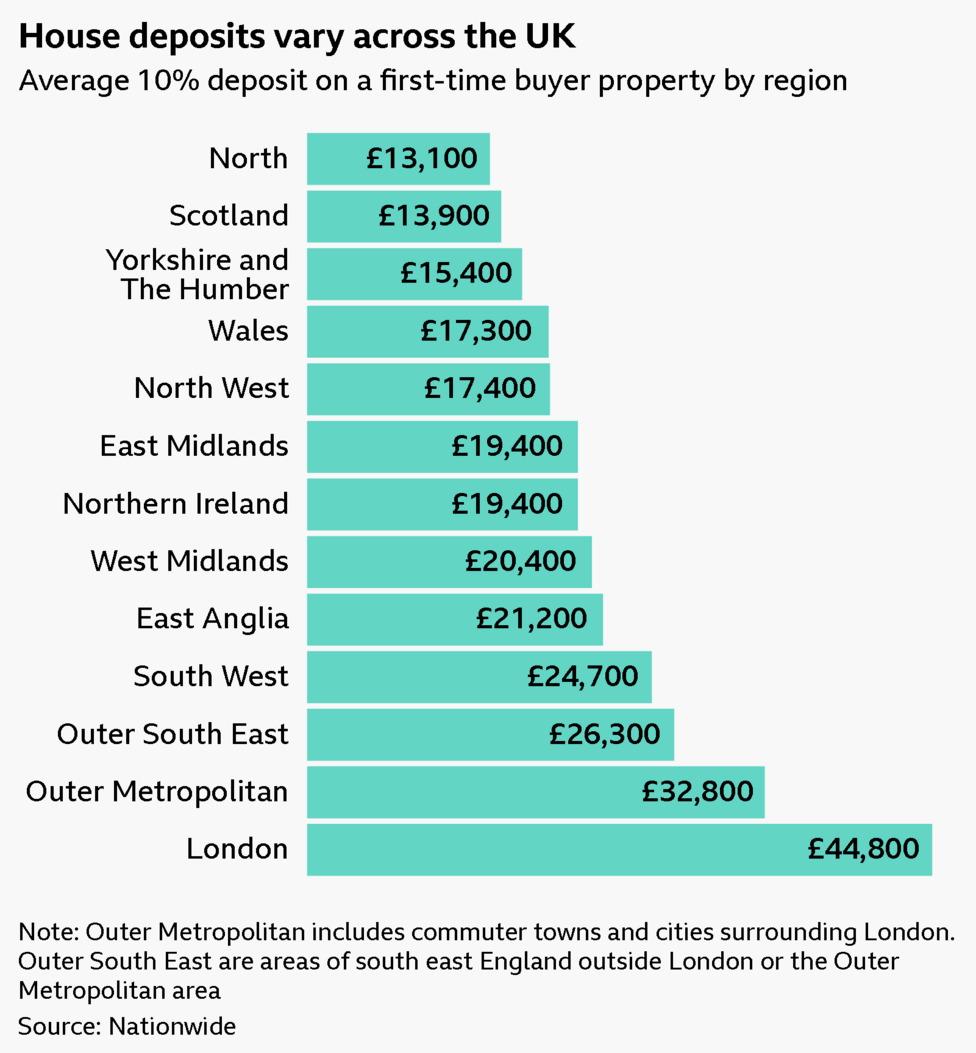
As property prices have climbed, the deposit required to purchase a home has grown into tens of thousands of pounds. The regional variation is stark: a 10% deposit in London averages £44,800, while in Scotland it averages £13,900. Across most regions, deposits range between £13,000 and £26,000.

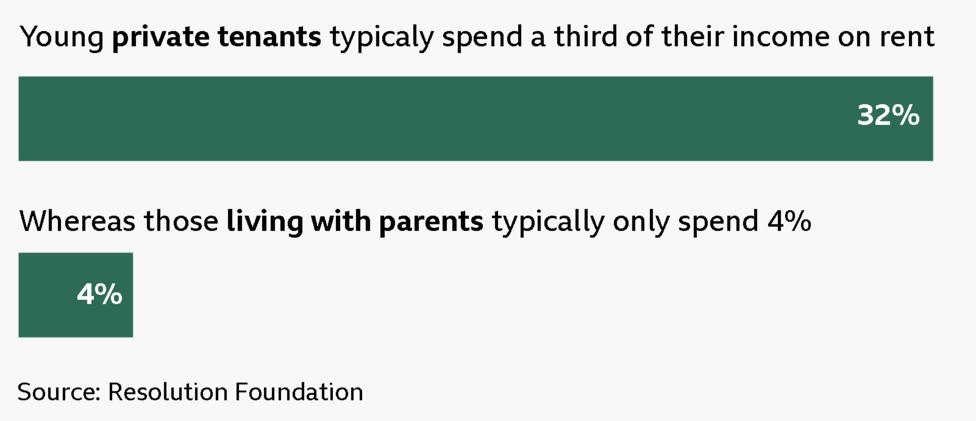
The deposit challenge intensifies for those paying private rent. Young private tenants typically allocate 32% of their income to rent, leaving little room for savings. By contrast, those living with parents spend only 4% of their income on housing, enabling faster accumulation of deposit funds. This dynamic has driven increasing numbers of young people to remain in their parents' homes longer, trading independence for financial progress toward homeownership.
Are conditions actually improving?
Recent months have brought tentative signs of improvement. House prices have risen more slowly than wages in recent years, gradually improving the savings calculus for prospective buyers. Lenders have become more flexible, accepting smaller deposits and offering larger loans with extended repayment periods. Mortgage rates have moderated from their peaks, bringing monthly payments closer to historical averages relative to household incomes.
Data from early 2026 reinforces this shift. First-time buyers purchased 34.3% of homes sold across Great Britain in January 2026, the highest January share in records extending back to 2006, according to property market analysis. The typical first-time buyer property in the UK was valued at £237,577 in July 2026, down 0.6% from May, suggesting price stabilisation. Average mortgage rates for first-time buyers fell to 4.48% in the first quarter of 2026, the lowest level in more than two years, according to mortgage market data.
Government support schemes remain available. The First Homes scheme in England permits eligible first-time buyers to purchase properties at 30% to 50% discounts, subject to income caps of £80,000 nationally and £90,000 in London. The Mortgage Guarantee Scheme continues to support buyers requiring 90% to 95% loan-to-value mortgages, expanding access for those with smaller deposits.
Earlier analysis showed that today's 20-somethings face weaker housing, job and wage prospects than previous generations, though recent mortgage rate improvements have begun to narrow this gap. Additional research into mortgage rule changes and more flexible lending indicates that borrowing capacity has expanded, though strict criteria remain in place.
What must happen to restore earlier opportunity levels?
Despite recent improvements, returning to the homeownership rates of previous generations requires substantially more housing supply. The government has introduced reforms to streamline planning processes that have historically been slow and unpredictable. Proposed changes would permit more development on the green belt, though this remains contentious.
To accelerate progress, policymakers must incentivise housebuilders to commit with greater confidence to large-scale development programmes. However, any expansion in housing supply will take years to materialise into completed homes available for purchase. The structural challenges facing the sector—material costs, labour availability, planning complexity—will not resolve quickly, meaning that while conditions may continue to ease incrementally, the substantial disadvantage facing today's young buyers compared to earlier generations will persist for some time.
Key Facts
- Only 25% of people born in the mid-1990s owned their home by age 28, compared with 47% of those born in the mid-1960s
- England needs approximately 300,000 new homes annually but has consistently built far fewer, with only 208,000 added in the most recent full year
- Construction costs have risen over 50% since 2015, compared with 35% for general consumer prices
- First-time buyers accounted for 34.3% of home sales in January 2026, the highest share since records began in 2006
- Average first-time buyer mortgage rates reached 4.48% in early 2026, the lowest in over two years