Reform UK has announced a policy under which taxpayers forced to wait longer than half an hour on hold to HM Revenue and Customs (HMRC) would receive a £30 credit against their tax bill, part of a broader package aimed at reducing regulatory burdens on businesses and improving public services.
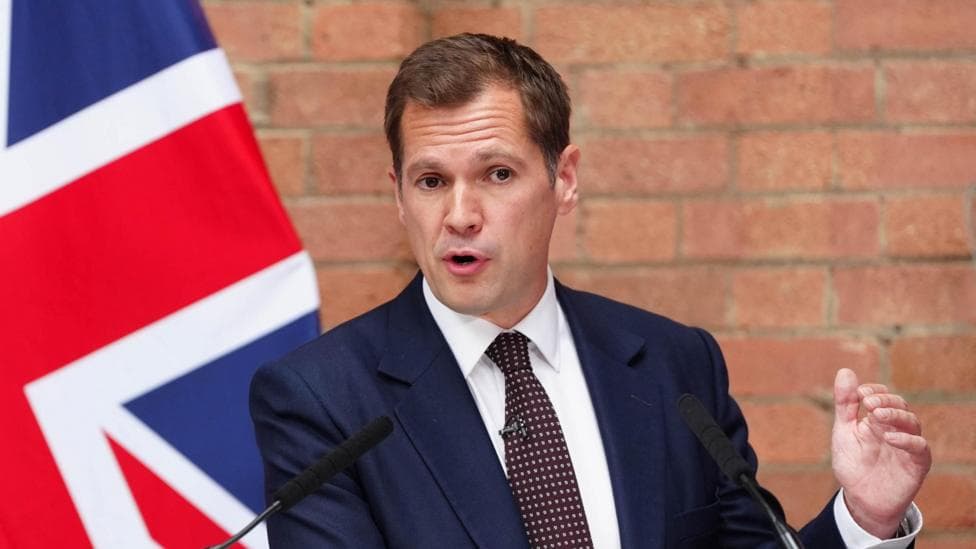
Robert Jenrick, the party's economy spokesman and former Conservative MP, unveiled the proposal at a media conference in central London, framing HMRC's current telephone performance as unacceptable to working people. The credit would be capped at two claims per tax year to prevent misuse, Jenrick explained.
Under the Reform proposal, senior HMRC officials' pay would be tied to customer service performance metrics, creating what the party describes as a direct financial incentive for the department to answer calls promptly. The scheme would operate as a non-refundable tax credit, meaning it would only benefit taxpayers with existing tax liabilities to offset.
What prompted the announcement?
Reform's proposal responds to a damning January 2025 report from the Parliamentary Public Accounts Committee, which found that HMRC had deliberately degraded its telephone service to push taxpayers toward digital channels. The committee's investigation revealed that nearly 44,000 customers were disconnected without warning after holding for more than an hour during 2024, and concluded that
HMRC's treatment of taxpayers has damaged trust in the tax system.
When the committee's findings were released, the then-head of HMRC rejected the criticism as
completely baseless. Jenrick cited the report's conclusions to justify Reform's intervention, stating:
Frankly, it is offensive to working people and I have had enough. So, we will give HMRC a big incentive to actually provide proper customer service. I'm announcing today that under a Reform government, if you spend more than half an hour waiting for HMRC to answer your call, you will get a £30 credit off your tax bill. If HMRC delay, they can repay. And to make sure that the staff actually hit their targets, we'll tie the pay of senior HMRC officials to their customer service performance.
How has HMRC's performance changed?
HMRC has stated that it has made improvements to response times since the committee's critical assessment. According to recent reporting on the Reform announcement, HMRC's average phone wait time between April and June 2026 was 11 minutes 35 seconds, down from more than 13 minutes in the same period of 2025. However, only 85.1% of callers who wanted to speak with an adviser got through in 2025/26, indicating that access to live support remains a challenge for a significant proportion of those seeking help.
What else is Reform proposing on regulation?
Jenrick also announced plans to replace the General Data Protection Regulation (GDPR) with a lighter-touch privacy framework modelled on New Zealand's approach. He argued that GDPR, which the UK adopted as domestic law following Brexit and which mirrors EU legislation, had
strangledtechnology firms and small businesses with excessive compliance requirements.

Reform says its replacement would be based on New Zealand's privacy legislation, which the party identifies as the lightest-touch regime still recognised as adequate by the EU. The proposal forms part of a wider Reform agenda to reduce what it characterises as burdensome red tape affecting business operations.
Labour has criticised the privacy proposal, accusing Reform of seeking to
scrap vital safeguards that protect people's private datathrough what the party describes as
unworkable and unserious plans.
How does this fit into Reform's broader policy agenda?
The HMRC and data protection announcements were made on the same day as a separate Reform pledge to cut welfare costs, a measure affecting nearly three million people. Reform has previously outlined other employment-focused policies, including proposals to tax companies that hire foreign workers and to provide taxpayer-funded wage rebates for firms employing young apprentices.
The party has positioned these measures as part of a comprehensive economic strategy designed to support British workers and reduce state spending. Reform says its apprenticeship rebate scheme, which would provide a 30% wage subsidy for firms hiring young apprentices, could cost up to £2 billion over five years but would lift apprenticeship numbers to 600,000 annually.
What happens next?
HMRC has been approached for a formal response to Reform's proposals. The department's 2026 Transformation Roadmap indicates that customer service improvements are continuing, with calls being answered more quickly in 2025/26 than in the previous year, establishing an ongoing benchmark against which Reform's criticisms may be tested.
Reform's broader policy platform was scheduled to be presented in full on the day following this announcement, with the party's welfare proposals forming part of a wider set of commitments expected to be unveiled.

Key Facts
- Taxpayers waiting more than 30 minutes to reach HMRC would receive a non-refundable £30 tax credit, limited to two claims per tax year under Reform's proposal
- The Public Accounts Committee found in January 2025 that HMRC deliberately degraded its telephone service, resulting in nearly 44,000 callers being cut off after holding for more than an hour in 2024
- HMRC's average phone wait time fell to 11 minutes 35 seconds between April and June 2026, down from over 13 minutes in the same period of 2025, though only 85.1% of callers seeking adviser support got through
- Reform proposes replacing GDPR with a privacy framework modelled on New Zealand's legislation, which the party describes as the lightest-touch regime recognised as adequate by the EU
- The announcement was part of a broader Reform policy day that included a separate pledge to cut welfare spending affecting nearly three million people