Ofgem's latest energy price cap announcement will bring unwelcome news for millions of households, but the real problem extends far beyond the immediate quarterly fluctuations. While fossil fuel costs driven by geopolitical tensions will dominate Wednesday's headlines, the underlying challenge is that energy bills are projected to remain elevated throughout the decade regardless of short-term wholesale price movements.
Energy Secretary Miatta Fahnbulleh will point to the familiar culprit: volatile global gas markets, recently destabilised by international conflicts. According to , the price cap is forecast to reach approximately £1,729 annually from October 2026, marking a three-year high. Ofgem's announcement is scheduled for 26 August 2026, following its assessment window closure on 18 August 2026. The current cap for the period from 1 July to 30 September 2026 stands at £1,663 annually for a typical dual-fuel direct-debit household.
Yet the longer-term outlook reveals a more troubling picture. Even when wholesale gas prices moderate, industry projections indicate that household energy bills will not decline meaningfully. EDF Energy, one of the major retail suppliers, has modelled a scenario assuming "some moderation" in wholesale prices. The company projects the price cap will reach £1,786 in 2030, compared with its forecast of £1,721 for the final quarter of 2026—a rise of £65 despite assumed price relief. This projection would fall to £1,696 only if the government extends VAT relief on electricity and redirects older green levies into general taxation. Either way, former Energy Secretary Ed Miliband's pledge to deliver "£300 off bills by 2030" appears increasingly unachievable.
Why do bills stay high even when gas prices fall?
The answer lies in the changing composition of energy bills. An increasing share of household charges now comprises "non-commodity costs" that are far more predictable than wholesale prices. These costs encompass grid maintenance and upgrades, long-term contracts for wind and solar generation, carbon taxes, and support schemes for vulnerable households. On the electricity side, the wholesale element now represents just 30% of the typical bill, meaning that even significant reductions in gas and electricity commodity prices have limited impact on total charges.
EDF has accompanied its projections with a call for greater transparency from Ofgem regarding future cost trajectories. The regulator currently publishes only short-term price cap forecasts, leaving households and businesses without reliable guidance on medium-term bill expectations. This absence is striking: Ofgem, which reviews and sets the cap every three months, could easily provide indicative projections to help consumers plan for the decade ahead. The lack of such forecasts creates an impression that the regulator is politically constrained and reluctant to deliver an uncomfortable message: that the energy transition necessary to meet climate goals will be expensive in both the short and medium term, and costs may be rising rather than falling.

What is driving the long-term cost increases?
The primary suspect is the transmission network investment programme, a £70 billion initiative designed to relieve bottlenecks and connect new renewable generation capacity. EDF's analysis aligns with industry-wide assessments that this spending will place sustained upward pressure on bills. When the investment programme equates to roughly £1,000 per person, Ofgem must be seen to deliver value for money. Yet, as EDF notes, "there is currently very limited public information to assess whether the current programme of investment remains the right one." The company calls for "a radical increase in transparency" and a strategic review of whether the spending priorities remain optimal.
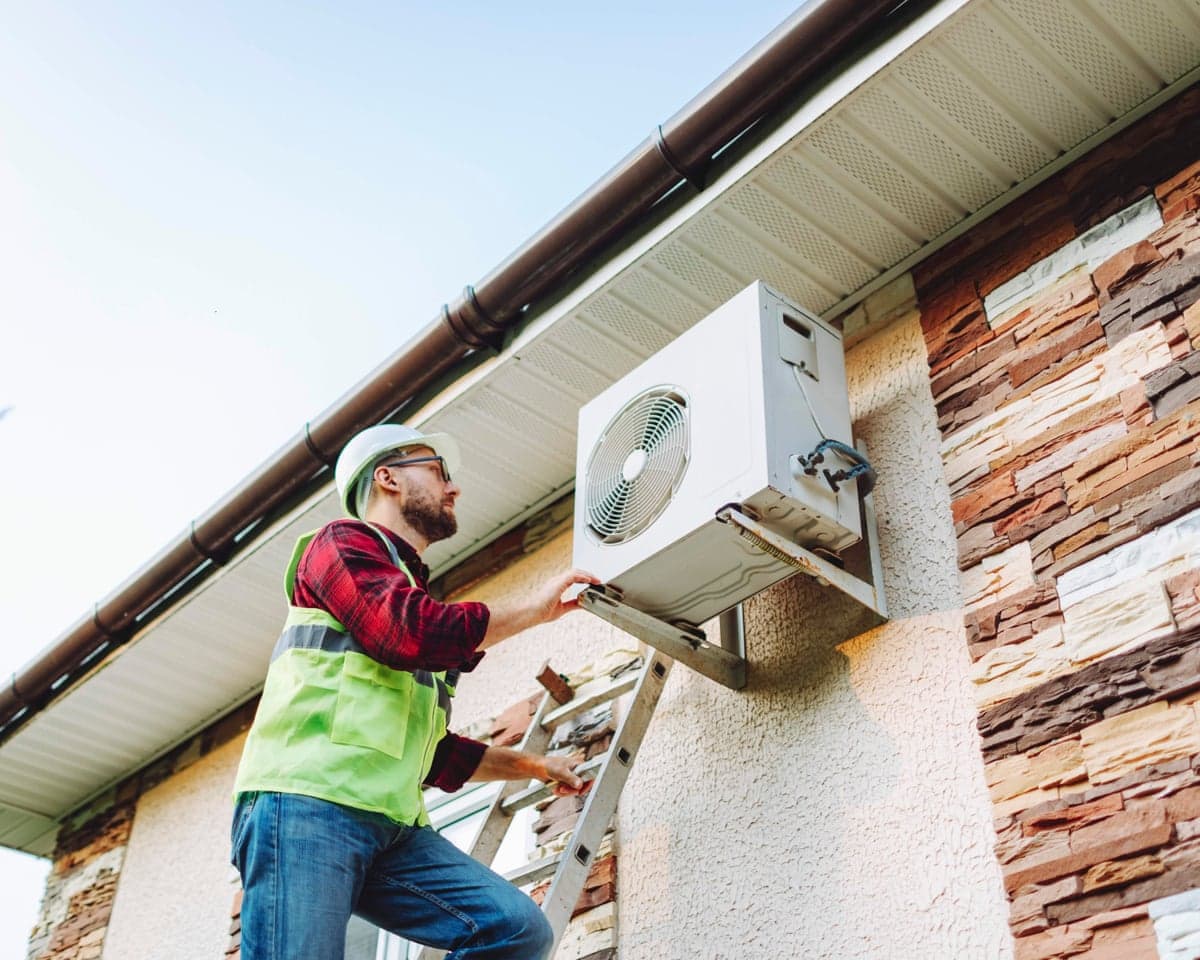
Transparency would serve multiple purposes beyond reassuring consumers about grid investment. First, it would illuminate the scale of bad debts accumulating in the energy system. Households across Great Britain could owe suppliers as much as £7 billion by year-end 2026, a figure that demands urgent political attention. A targeted social discount scheme should be prioritised to prevent this debt from spiralling further. Second, clear communication about future electricity price trajectories would enable businesses and households to make informed decisions about heat pump and electric vehicle adoption. The current pace of heat pump installation—around 100,000 units annually—pales against the 1 million-plus gas boilers still being fitted each year, suggesting that consumers lack confidence in the economics of electrification.
What is the political context?
The Conservative Party has seized on this uncertainty. Last week, the opposition laid out an alternative energy strategy for the post-2030 period that emphasises greater nuclear capacity beyond Labour's current ambitions, alongside a larger role for gas-fired generation while retaining installed renewable capacity. While energy analysts have questioned the assumptions underpinning Conservative claims of £320 billion in consumer savings by 2050, Shadow Energy Secretary Claire Coutinho was correct to highlight that the government has never published a comprehensive "full system cost" analysis. Such an analysis would account for the backup, balancing, and additional grid infrastructure costs created by weather-dependent renewable generation. Honest transition accounting must count both the savings from reduced gas consumption and the costs of the infrastructure needed to support it.
Energy Secretary Fahnbulleh faces a difficult position. In a less fiscally constrained environment, the Treasury could shift more transition costs into general taxation, as many other European countries do. If the Chancellor cannot increase public spending on energy transition, the government's argument must shift from claiming that clean power is "cheap" for consumers to arguing that it is cheaper than the alternatives in the long run. She must also manage expectations among Labour backbenchers regarding the 2030 clean power target. Building delays mean the realistic outcome will be closer to 80–85% clean electricity rather than 100%. The priority must be controlling costs while pursuing the transition.
What happens next?
Ofgem will publish its October–December 2026 price cap on 26 August 2026, with the new rate taking effect from 1 October 2026. The announcement will likely dominate immediate headlines, but the deeper challenge—how to manage the structural cost pressures embedded in the energy system—requires sustained political honesty. EDF has recommended that "Ofgem should commit to publishing a first independent outlook for energy bills before the end of this year." The regulator's reluctance to do so is difficult to justify unless political pressure is being applied. Greater transparency would not solve the underlying cost pressures, but it would allow all stakeholders—consumers, businesses, investors, and policymakers—to see where the pressures originate and to debate whether current spending priorities remain appropriate. Without such openness, public confidence in the energy transition will continue to erode.