

Concerns Over Tim Steiner’s Pay and Future at Ocado
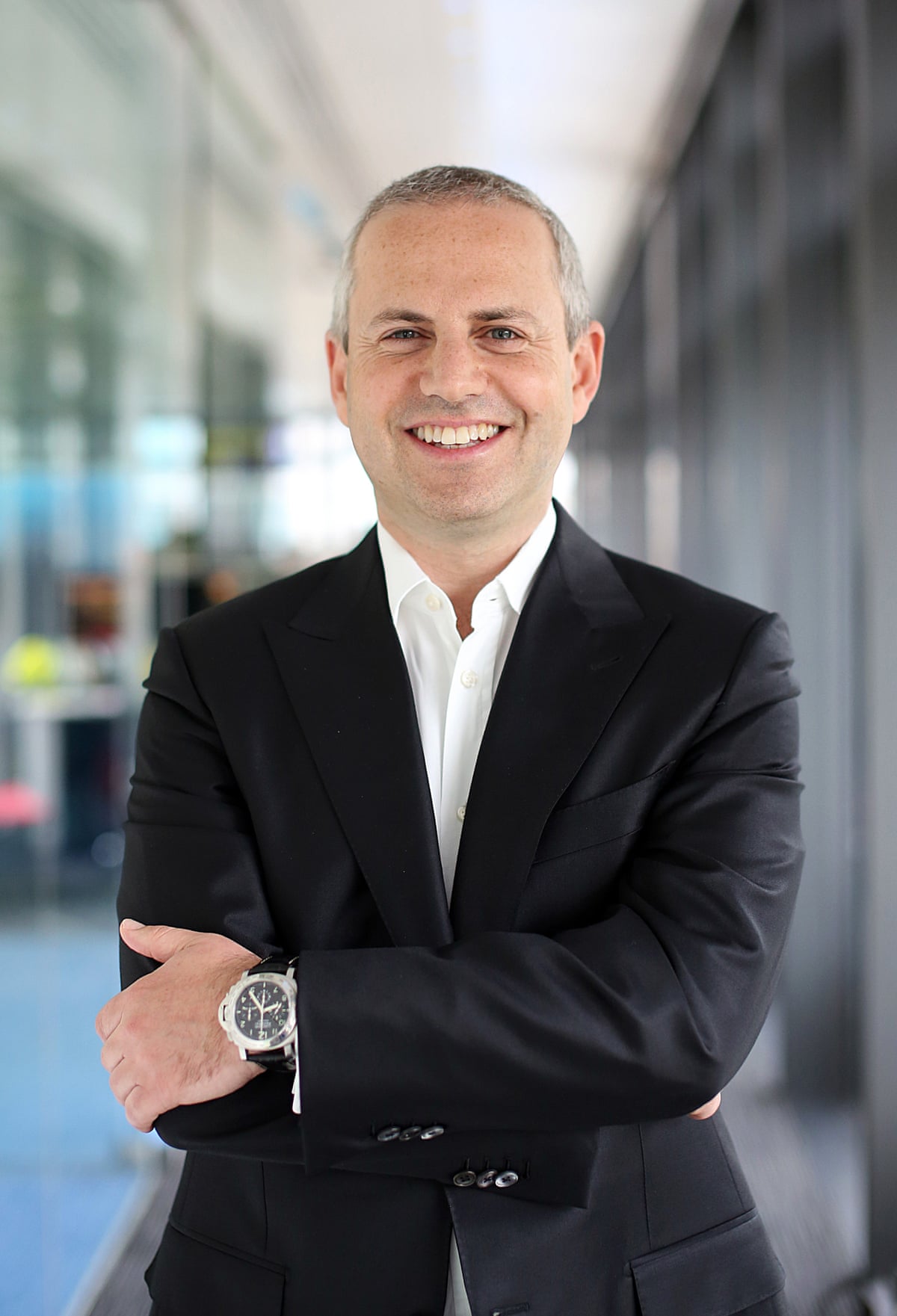
Tim Steiner, the chief executive of Ocado, has received nearly £100 million in payouts since the online grocery company went public in 2010, despite the company’s share price currently trading below its initial flotation level, according to recent analysis.
Steiner, a former Goldman Sachs trader and co-founder of the British technology firm established in 2000, is reportedly in discussions about his future role after it emerged that Ocado has approached at least one potential successor.
Analysis conducted by the High Pay Centre on Ocado’s reports revealed that Steiner has received £94 million in payouts, including share awards whose value may have fluctuated since issuance. Campaigners have expressed that this figure raises
“serious concerns about proportionality, accountability and fairness”in the company’s pay-setting process.
Steiner’s payouts have been significantly bolstered by a series of deals selling Ocado’s grocery-picking technology to international supermarket chains.
Paddy Goffey, head of research at the High Pay Centre, stated:
“Tim Steiner’s pay trajectory illustrates a broader problem in the UK’s broken executive pay framework: compensation is increasingly shaped by sporadic, outsized awards, rather than being linked to genuine performance.
“The £59m figure in 2019 reveals how incentive structures can create extreme spikes in pay that are hard to reconcile with company performance or improvements in the working conditions and pay of employees.
“This raises serious concerns about proportionality, accountability and fairness in the pay-setting process.”
Steiner co-founded Ocado in 2000 and led its stock market flotation a decade later. He has been a passionate advocate for the company, steering it through major partnerships with Morrisons and Marks & Spencer, as well as other significant deals, but has also faced criticism over his remuneration.
Succession Planning and Shareholder Divisions
reported recently that Ocado’s board had approached Niklas Heuveldop, CEO of Vonage, a subsidiary of the Swedish telecom group Ericsson, as a potential replacement. It remains unclear whether Heuveldop is the preferred candidate or how advanced the board’s succession planning is.
Ocado, which provides software and equipment to support online grocery shopping, stated earlier this week that
“the chief executive and the board continually engage in long-term succession planning and regularly engage with potential candidates.”
Sources close to Ocado indicated that the succession process was likely initiated by the company’s relatively new chair, Adam Warby, who was appointed in December 2024 and previously chaired the executive search firm Heidrick & Struggles for five years.
These sources believe the search was quietly launched without Steiner’s consultation, as Warby felt compelled to act amid the decline in Ocado’s share price.
More than one source suggested that major shareholders and the board are divided over whether Steiner should remain in his position.

Share Price Performance and Market Challenges
Shares in Ocado fell this week following reports of Steiner’s potential departure, dropping to as low as 172p, below the 2010 flotation price of 180p. Although Ocado has issued more shares since 2010 and is currently valued at approximately £1.4 billion compared to £720 million at flotation, the increase in shares has diluted many early investors’ stakes.
Ocado’s share price had previously reached nearly £28 during the Covid-19 pandemic, when Steiner suggested that households were permanently shifting to online grocery shopping.
However, this optimism was short-lived. In November, Kroger, a major US partner using Ocado’s technology, announced the closure of three warehouses. Two months later, Ocado’s Canadian partner Sobeys also withdrew.
Steiner acknowledged this year that
“the market for large automated distribution centres in the US is smaller than we thought it would be.”
Analyst and Shareholder Perspectives
Clive Black, an analyst at Shore Capital, commented that a plan to remove Steiner
“wouldn’t be wholly unfathomable given the [low] share price and how much he pays himself.”
Shore Capital noted that Ocado’s returns on invested capital have been poor and that the company has
“barely made a profit”throughout its existence.
Nevertheless, Black acknowledged that Steiner has
“single-handedly overseen the creation of a FTSE 100 business in Ocado”and that investors who timed their share purchases and sales well have made substantial profits.
Some major shareholders, including Jörn Rausing, who owns a 10% stake and sits on Ocado’s board, are believed to support Steiner. Records show Rausing has increased his stake recently.
None of the main shareholders contacted by were willing to publicly express support for or opposition to Steiner.
However, an Ocado insider indicated that Steiner’s departure would not be welcomed by senior management, who believe the company is currently
“on the right track”regarding technology development. The insider added,
“the majority [of insiders] back Tim. Going now could create extra problems internally. I think [the pressure] is coming from major shareholders.”


