The Australian government is advancing legislation to impose a duty of care on technology companies while announcing a $630 million funding package for charities and not-for-profit organisations. The moves come as the Greens party faces internal disagreement over military support for Ukraine.
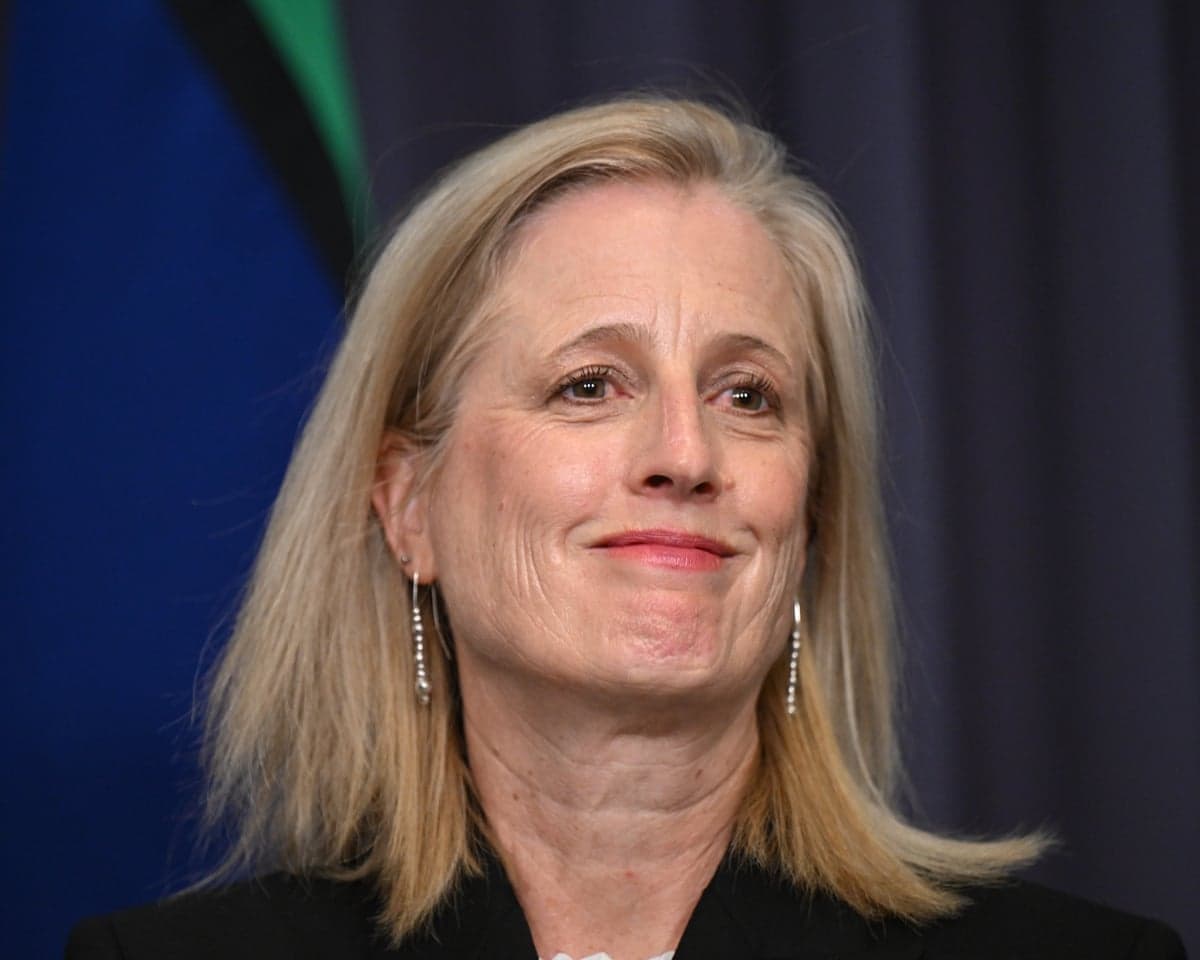
Finance Minister Katy Gallagher announced the funding boost, which will be distributed across 128,000 charities and not-for-profit organisations operating within 92 government-funded programs. The money is designed to cover wage increases for health, disability and community services workers following determinations by the Fair Work Commission. According to financial reporting, the funding will benefit more than 460,000 workers and is spread across four years. The Fair Work Commission had found that work covered by five priority awards had been undervalued due to gender-based assumptions, with recommended increases reaching up to 35 percent.
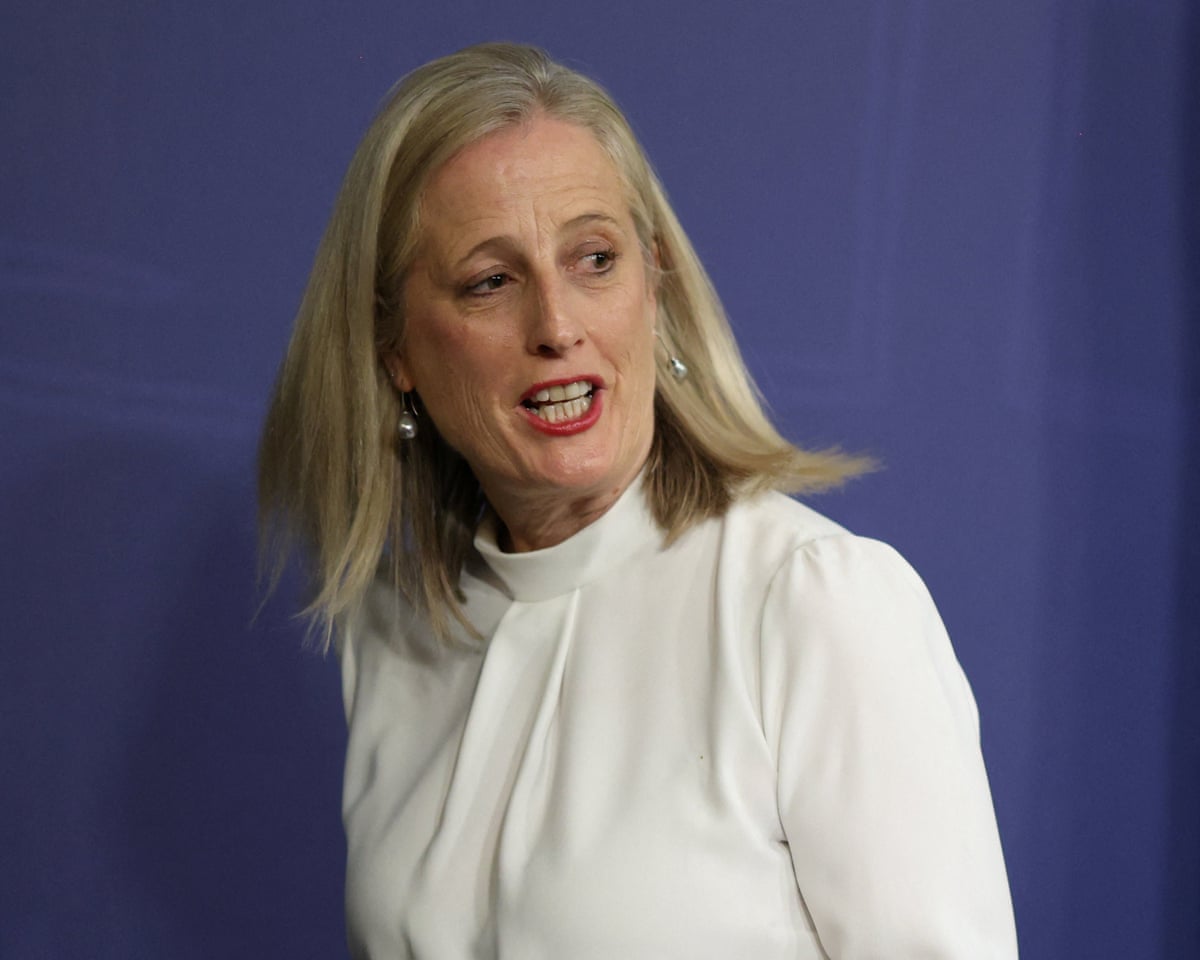
Gallagher framed the investment as essential to addressing Australia's gender pay gap.
We cannot close the gender pay gap without addressing the historic undervaluation of work performed predominantly by women. Australia's gender pay gap is at a record low, and this is another significant step towards ensuring women are properly recognised and rewarded for their contribution. This move is also a clear signal to the community that this workforce and the support they provide our community is important and valued.
What is the government's approach to tech regulation?
The government is preparing legislation designed to hold technology companies accountable for preventing harm to Australians, particularly children. Sarah Hanson-Young, the Greens' manager of business in the Senate, is leading her party's negotiations over the bill, which is expected to be tabled in parliament during the sitting week beginning 12 October 2026. The Greens have indicated they will examine the legislation's details before committing to support, though Hanson-Young has signalled backing for the underlying objective.
Putting in place a duty of care on these big tech platforms is something that's well and truly overdue. These big tech companies and social media platforms have been getting away with profiting off content that has been harmful, of technologies that have been designed to be deliberately addictive, even though they know the harm that that can do. They've just been laughing all the way to the bank. We need proper regulations on these tech companies.
According to reporting on the negotiations, the government has dropped a clause that would have allowed the communications minister to add harmful content categories by regulation. The revised approach requires any additions to be approved by Parliament. The Greens are also seeking a right for people harmed online to pursue compensation, along with penalties for companies that breach the duty of care linked to a percentage of global revenue rather than a fixed amount.
Why are the Greens divided over Ukraine?
Australia's provision of military aid to Ukraine has created a rift within the Greens party between its leader and senior members. On 11 October, Hanson-Young stated she supported providing Kyiv with military assistance if that was what the country needed to defend itself against Russian invasion, a position that contradicts the stance taken by newly elected Greens leader David Shoebridge during his first sitting week in the role.
If that's the support that people need in order to defend themselves from the invasion of Russia, I think Australians need to support that. We always come from a position of wanting to de-escalate military violence. We want to see humanitarian support, we want to see diplomatic support, but of course you can't allow people to be left fending for themselves.

According to political reporting, Shoebridge has argued that Australia should not provide Ukraine with direct military assistance unless it is authorised by the United Nations Security Council. Hanson-Young indicated she had discussed his position with him and believed he might express it differently now. Australia has provided Ukraine with nearly $1.9 billion in support since Russia's February 2022 invasion, including air-defence equipment, munitions and training.
What happens next?
Parliament is expected to consider the digital duty-of-care legislation during the sitting week beginning 12 October 2026. The government continues to promote pay rises for health, disability and community service workers, while former Liberal treasurer Josh Frydenberg is conducting a media campaign to promote his memoir.
Key Facts
- The $630 million funding package will support 128,000 charities and not-for-profit organisations across 92 government programs over four years, benefiting more than 460,000 workers
- The Fair Work Commission recommended wage increases of up to 35 percent for workers in five priority awards in female-dominated sectors
- The Greens are negotiating over tech regulation legislation expected to be tabled in parliament during the week of 12 October 2026
- Greens senator Sarah Hanson-Young supports military aid to Ukraine, while party leader David Shoebridge has called for UN Security Council authorisation
- Australia has provided Ukraine with nearly $1.9 billion in support since the Russian invasion began in February 2022