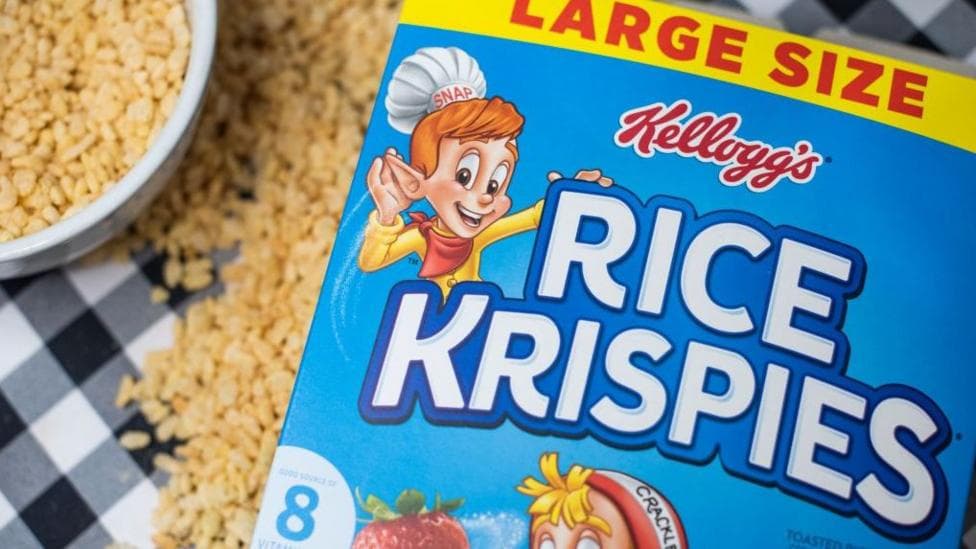
Breakfast cereal manufacturer Kellogg's has reformulated Rice Krispies and Coco Pops sold in the United Kingdom, replacing whole rice grains with corn flour and rice flour in response to supply chain pressures. According to BBC News, the change stems from dry weather conditions affecting rice harvests in major Asian producing countries, which has reduced crop yields and increased ingredient costs.
A Kellogg's spokesperson confirmed the recipe adjustment on Tuesday, stating that the new formulations have undergone rigorous assessment and incorporated customer input. The company emphasized that the revised cereals maintain compliance with UK nutritional standards for fat, salt and sugar content, and continue to deliver the same levels of fibre, Vitamin D and iron per serving. However, the reformulation introduces a significant allergen concern: packaging now carries a 'contains wheat gluten' warning, making the cereals unsuitable for people with coeliac disease or wheat allergies, whereas previously wheat was only a potential cross-contamination risk, according to The Grocer.
The specific ingredient composition differs between the two products: Rice Krispies now use rice flour instead of whole rice, while Coco Pops employ a blend of rice flour and corn flour. Historically, Rice Krispies were manufactured by cooking medium-grain rice kernels with malt flavouring, flattening and cracking them, then oven-toasting until they puffed up, according to The Telegraph.
Why has Kellogg's made this change?
Adverse weather patterns in key rice-producing regions across Asia have disrupted crop availability and quality, forcing the company to seek alternative ingredients. The reformulation aims to maintain consistent product quality during a period when traditional rice supplies face environmental constraints.
How does this affect consumers?
The recipe modifications mean that consumers may notice differences in taste, appearance or texture compared to previous versions. Kellogg's has stated it approached the change with careful consideration and has been assessing consumer feedback on the new formulations. Food Bible reported that shoppers have publicly complained about the recipe changes, with some saying the cereals taste or look different, though Kellogg's maintains it is listening to consumer concerns.
The addition of wheat gluten as a direct ingredient—rather than merely a cross-contamination risk—removes these products from the diet of people with coeliac disease or wheat allergies. The new packaging highlights both the recipe change and updated allergen information to ensure consumers are fully informed.
What about Rice Krispies in other markets?
Rice Krispies products sold in the United States and Canada will continue to be manufactured using whole rice grains with no recipe changes anticipated, according to a Kellogg's North American business spokesperson who spoke to the BBC. This regional distinction reflects differing supply chain pressures and ingredient availability across different markets.
What happens next?
The Grocer's Top Products Survey 2026, due to be released next month, is expected to reveal whether Rice Krispies sales have declined in both value and volume following the recipe change, according to The Telegraph. The company continues to monitor customer response and has committed to maintaining the nutritional integrity of the cereals despite the ingredient substitution.
Key Facts
- Kellogg's has replaced whole rice grains with corn flour and rice flour in UK-sold Rice Krispies and Coco Pops due to weather-driven supply disruptions in Asia
- The reformulated cereals now carry a wheat gluten allergen warning, making them unsuitable for people with coeliac disease or wheat allergies
- Rice Krispies products in the US and Canada remain unchanged and continue to use whole rice
- The company states the new recipes maintain the same nutritional benefits and meet all UK food standards for fat, salt and sugar
- Consumer complaints about taste and appearance differences have been reported since the recipe change