

Peter Ruis, the managing director of John Lewis, is stepping down from Britain's largest department store chain on 6 September 2026, with board member Will Kernan lined up to take over the role in mid-September, according to . The move, described by the company as an orderly succession, comes just days after rival luxury chain Harvey Nichols was sold for a knock-down price, underlining how precarious the department store sector has become.
The abrupt nature of the announcement has raised eyebrows across the industry. John Lewis had only recently arranged a media briefing led by Ruis for 3 September, three days before his scheduled departure, and it is understood that briefing will still go ahead just before the group unveils its half-year results.
Why is Ruis leaving now?
John Lewis said Ruis had chosen to step aside to "pursue new projects", while Ruis himself said he was leaving the business on a "stronger footing". Insiders suggest discussions about his exit had been ongoing for months, though that account has been met with some scepticism given the timing of the planned briefing.
Those close to Ruis maintain he is departing "on his own terms", possibly for personal reasons, and does not appear to have another job already secured. Sources who have worked alongside him point to a mismatch in style between Ruis, a fashion industry veteran who returned to John Lewis in 2024 after a decade running Jigsaw and Anthropologie, and Jason Tarry, the John Lewis Partnership chair and former Tesco executive who joined shortly afterwards.
I am surprised Peter has lasted as long as he has
one source said. Tarry, for his part, insisted Ruis had done a
fantastic job
Independent retail analyst Nick Bubb said the sudden exit came despite Ruis
appearing to be doing a good job in difficult circumstances
Bubb added that it was
hard not to link the news with the recent Jason Tarry comments about tough trading at John Lewis
though he acknowledged the company's official line that it had arranged an
orderly succession to Kernan
Who is replacing him and what happens next?
Kernan, currently a non-executive board member of the employee-owned John Lewis Partnership, which also owns Waitrose, is expected to formally take up the managing director role in mid-September 2026, ahead of the crucial peak trading season, according to . He has previously led River Island, The White Company and cycling retailer Wiggle, after climbing the ranks at New Look for more than a decade, but has no direct experience running department stores or managing relationships with big-name brands.
The John Lewis Partnership's half-year results for the 2026/27 financial year are scheduled to be published on 10 September 2026, according to the company's own financial calendar, meaning Kernan will be settling into the top job just as the group's latest trading performance comes under scrutiny.
How has John Lewis performed under Ruis?
Last year the department store chain grew sales by 3% to £4.9bn, with underlying profit climbing 29% to £58m despite what the company itself described as a "subdued market". However, a later market report cited by Retail Gazette found that the wider John Lewis Partnership actually fell to a statutory pre-tax loss of £21m in the year to 31 January 2026, a reversal from a £97m profit the previous year, even as Waitrose sales rose 7% to £8.5bn. The same annual report noted that the partnership exited its Build to Rent property business after 31 January 2026.
Staff across the partnership benefited from the improved underlying performance, with John Lewis restoring a staff bonus in March 2026 for the first time since 2022. Ruis also led the revival of the retailer's century-old "never knowingly undersold" pricing promise, oversaw major refurbishments of flagship stores in Oxford Street, Bluewater and Glasgow, and brought in collaborations with Topshop, Waterstones and the Jamie Oliver brand.

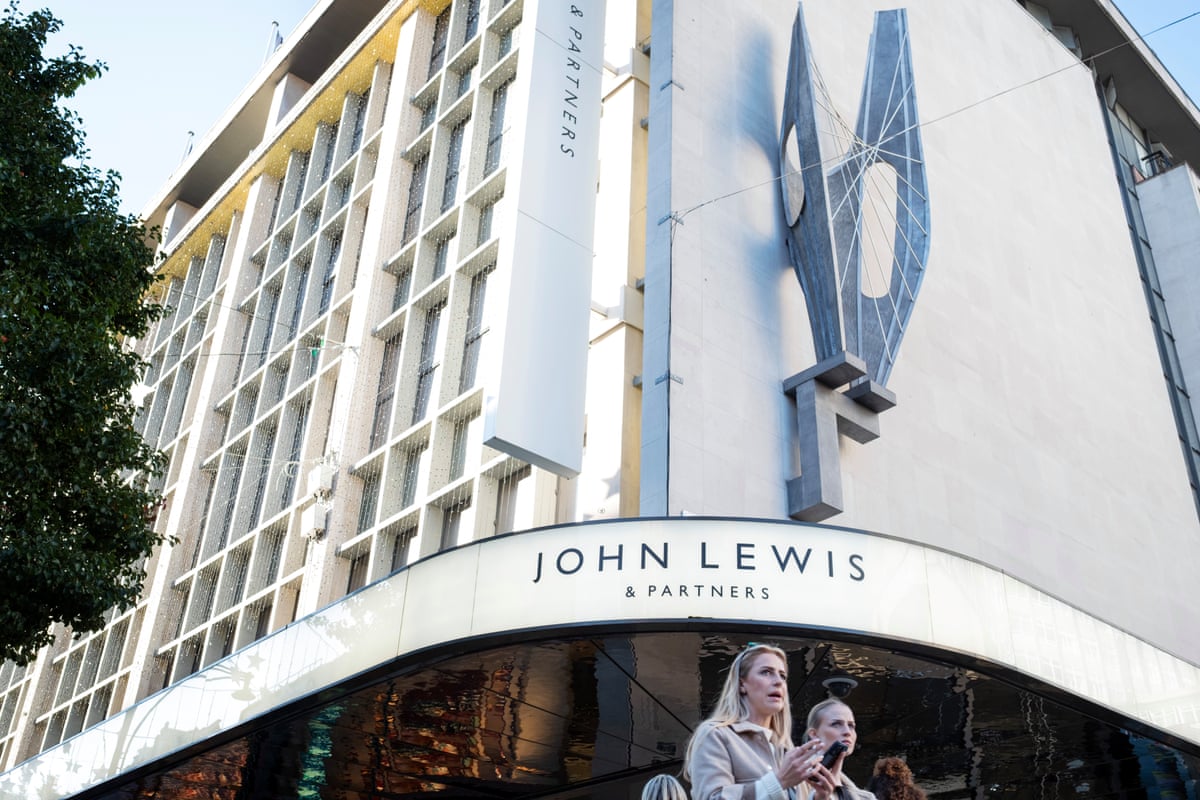
Yet the turnaround has not been without cost-cutting. In July 2026 the group confirmed plans to close its in-store gift wrapping and foreign currency exchange services, putting around 200 jobs at risk as it consulted with affected staff and shifted currency orders online. Retail analyst Richard Hyman argued Ruis had a flair for merchandising even if he was prone to costly investment, saying:
for a department store to work, it has got to be a really strong brand. It is about handwriting and that is something Peter Ruis is good at.
Another industry source offered a more pointed assessment, saying Ruis was
getting the best tune out of it on trading that was possible, but the issue is more strategic change and grasping nettles
What does this mean for the wider department store sector?
The pressures facing John Lewis are being felt across the industry. Nine months ago Ruis had only just completed a £30m-plus refresh of the 36-store chain, and trading had shown signs of recovery, but a hot summer pushed shoppers towards online specialists while the squeeze on household budgets has delayed spending on big-ticket items such as sofas and beds.
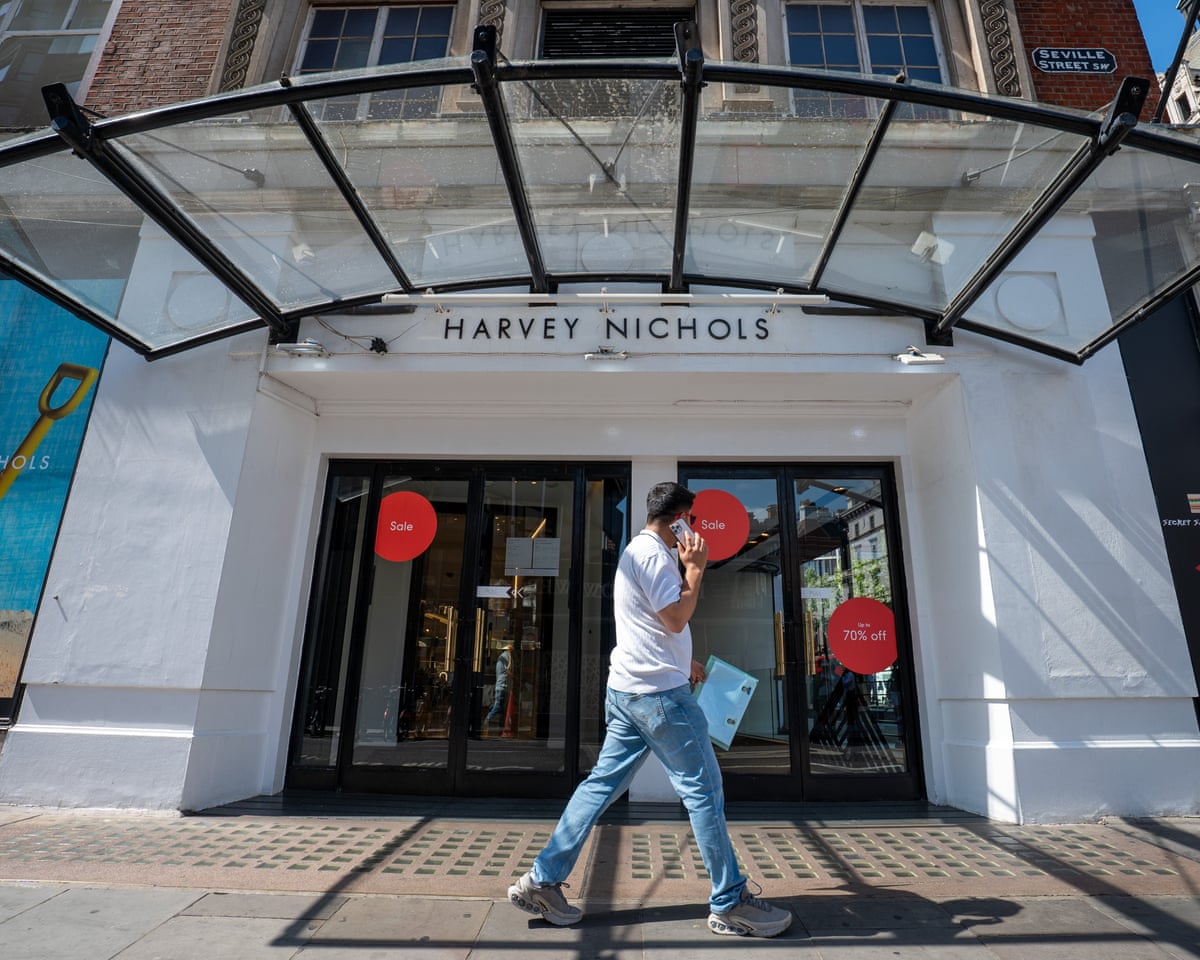
Just days before Ruis's departure was announced, Frasers Group, the owner of Sports Direct run by Mike Ashley, acquired Harvey Nichols out of administration, taking control of its stores, online business and international franchise. Ashley had previously described the once-fashionable Knightsbridge chain as being in a "death spiral".
John Lewis is now almost the last national department store chain still standing after the collapse of Debenhams and Beales. The family-owned Fenwick group has closed its London flagship on Bond Street, and House of Fraser has shrunk by two-thirds since 2018 to just 20 outlets under Ashley's ownership. With the Harvey Nichols deal, Ashley has added five new UK sites to his portfolio, including the Knightsbridge flagship and a potential Dublin store, and some industry watchers believe he could see further opportunities to develop these locations with a mix of his own brands, hotels or gyms.
Some analysts believe John Lewis itself may eventually need to shrink its footprint further, having already closed 16 department stores during the Covid-19 pandemic.

Why has the top job proved such a revolving door?
The managing director role at John Lewis has changed hands repeatedly since 2016, when Andy Street departed after a decade in charge. His successor, Paula Nickolds, lasted four years, Pippa Wicks under three, and former Hovis boss Nish Kankiwala spent two years in the newly created chief executive post before Ruis was appointed managing director in January 2024.
Analysts say the instability reflects the structural pressures facing large-format retailers, which once offered shoppers the only way to compare a wide range of brands under one roof but now compete with an almost limitless online marketplace. Maintaining sprawling stores brings heavy business rates and constant refurbishment costs, whether adding cafes, gyms, beauty parlours or adjusting to shifting trends in homewares and technology — changes that can take months and millions of pounds to implement, compared with the instant adjustments possible on a website.
Hyman said Tarry was unlikely to have wanted to force a change at John Lewis so soon after a leadership transition at sister brand Waitrose, suggesting the timing of Ruis's exit may have been driven more by personal circumstance than boardroom conflict — though it remains possible that disagreements over the pace and scale of investment played a part.
What happens next?
- Peter Ruis is due to step down as John Lewis managing director on 6 September 2026.
- Will Kernan is expected to take over the role in mid-September 2026, ahead of the peak Christmas trading period, according to .
- John Lewis Partnership's half-year results are scheduled for 10 September 2026, per the company's financial calendar.
- Ruis is still expected to lead a previously arranged media briefing on 3 September 2026, just days before his departure.
- Analysts will be watching whether Kernan, who lacks department store experience, changes strategic direction or continues Ruis's investment-led approach.


