Recent Sharp Decline in Gold Prices
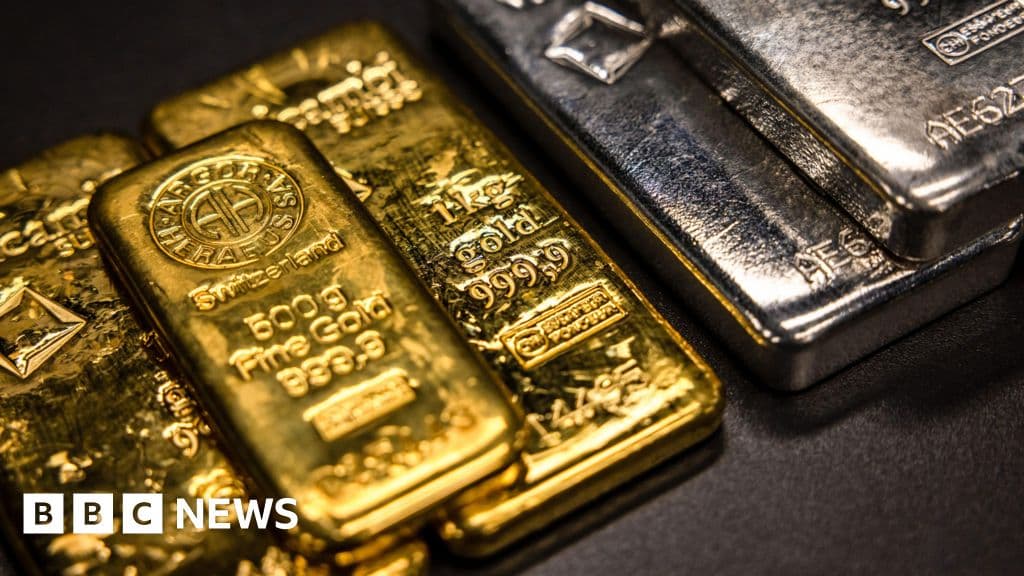
The price of gold has experienced a significant decline over the past few days, abruptly pausing its recent record-breaking rally. On Friday, gold prices dropped by more than 9%, marking the steepest one-day fall since 1983, followed by an additional 6% decrease on Monday.
This downturn occurred shortly after gold reached a historic peak of $5,500 an ounce last month, capping a year characterized by substantial gains in its value. Despite these sharp declines, gold prices have only retreated to levels seen a few weeks prior and remain approximately 70% higher than at the same time last year.
Factors Influencing Market Movements
Financial markets are influenced by numerous factors, but analysts largely attribute this recent price drop to the nomination of Kevin Warsh by US President Donald Trump as the head of the Federal Reserve. Warsh is perceived as a "very acceptable" candidate by the markets, according to April Larusse from Insight Investment, particularly amid recent concerns regarding the Fed's independence.
"Warsh is viewed by the markets as a 'very acceptable' choice," April Larusse from Insight Investment told the BBC, amid recent worries over the independence of the Fed.
This nomination strengthened the US dollar and alleviated investor anxiety. However, this reduction in uncertainty negatively impacted gold prices, as gold is traditionally considered a safe-haven asset during times of market instability.
Another contributing factor to the price decline was modifications to trading requirements on a major exchange, which increased costs for speculators engaging in gold trading.
Market Reactions and Analyst Perspectives
Gold and silver prices have surged since the beginning of the year, leading some analysts to believe the increases were excessive. Mark Matthews, head of research for Asia at Bank Julius Baer, explained to that the price collapse could be attributed to the prior week's parabolic rise.
"Once profit-taking started, it just snowballed," Mark Matthews said.
Nevertheless, some experts view this downturn as a temporary interruption in gold's upward trajectory. Michael Hsueh, an analyst at Deutsche Bank, stated that current conditions do not support a sustained reversal in gold prices and reaffirmed the bank's forecast of gold reaching $6,000 an ounce.
"Conditions do not appear primed for a sustained reversal in gold prices," Michael Hsueh said.
Historical Context and Safe-Haven Appeal
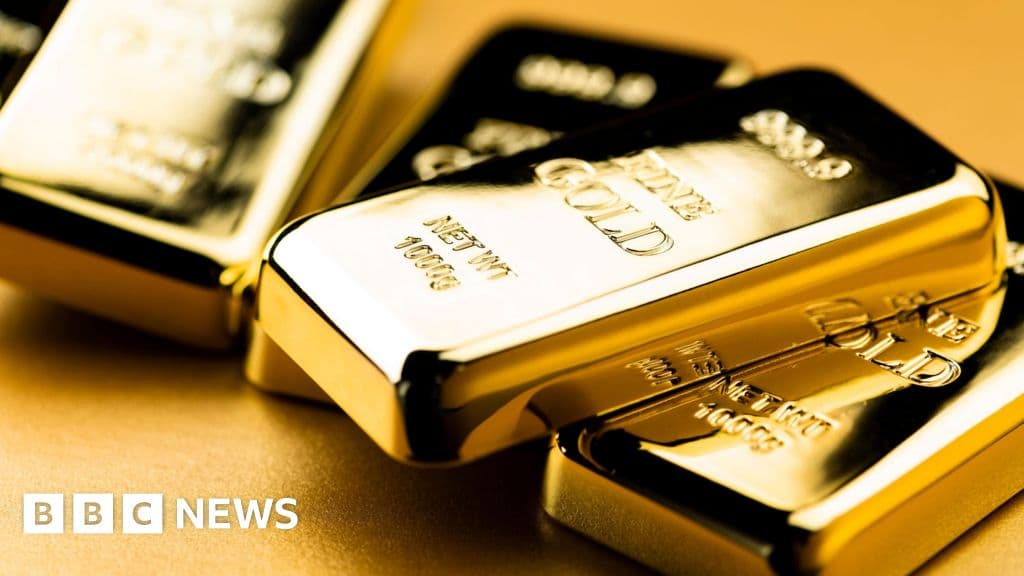
Gold prices have been gradually increasing over recent years, with a notable acceleration last year when the metal achieved its largest annual gain since 1979. The precious metal is widely regarded as the ultimate safe-haven investment, offering a secure asset during periods of uncertainty.
"When you own gold, it's not attached to the debt of somebody else like a bond is or an equity where the performance of a company will drive performance," Nicholas Frappell, global head of institutional markets at ABC Refinery, told the BBC. "It's a really good diversifier in a very uncertain world."
Investor concerns last year centered on unpredictable changes in US trade policy under the Trump administration. The "Liberation Day" tariffs announced in April led to months of uncertainty as negotiations over tariff levels continued.
In January, President Trump's threat to impose new tariffs on eight European countries opposing his proposed Greenland acquisition, which was later reversed, propelled gold and silver to new record highs. Ongoing trade policy concerns continue to support gold prices, according to Emma Wall, chief investment strategist at Hargreaves Lansdown.
"Gold is doing what it does best when the world feels messy, jumping amid rising trade tensions, geopolitical flare-ups, political uncertainty in the US," Wall said.
Geopolitical tensions have further enhanced gold's appeal as a safe investment. The US seizure of Venezuelan President Nicolás Maduro in early January contributed to upward pressure on gold prices.
"Fresh friction between the US, Canada and China, unease around Europe and the Middle East, and even shutdown risks in Washington have all added to gold's appeal," Wall added.
Central Bank Purchases and Global Demand
Prior to last year's surge, central banks increasing their bullion purchases played a role in driving gold prices higher. This trend has persisted over recent years, especially after the Russian Central Bank's reserves were frozen following the Ukraine invasion.
"Investors and global central banks have... favoured gold as their reserve currency of choice, which they believe insulates them from US policy dependence," Wall explained.
She further noted that some nations, obs...