Gold and Silver Prices Continue to Decline After Rally Reversal
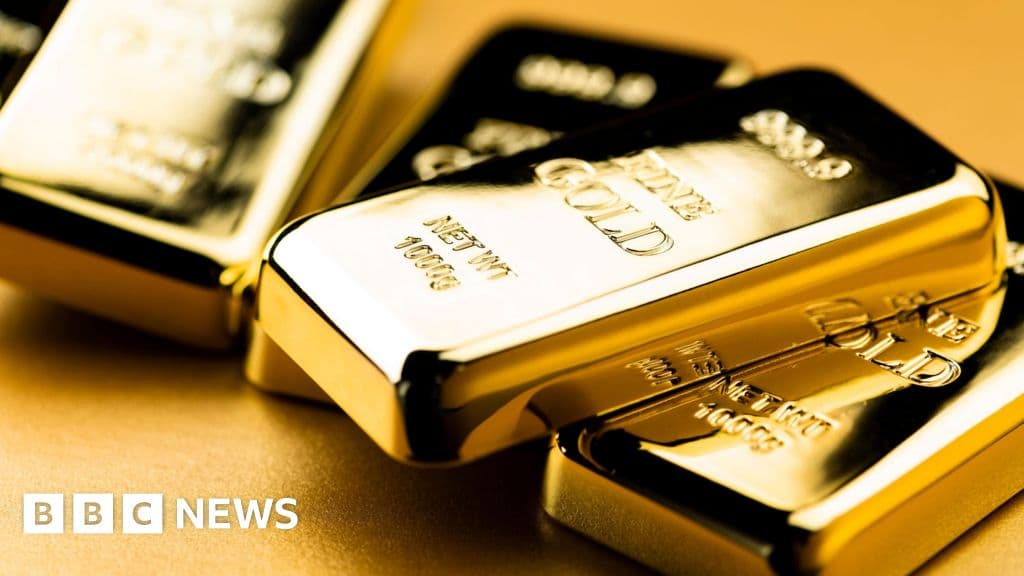
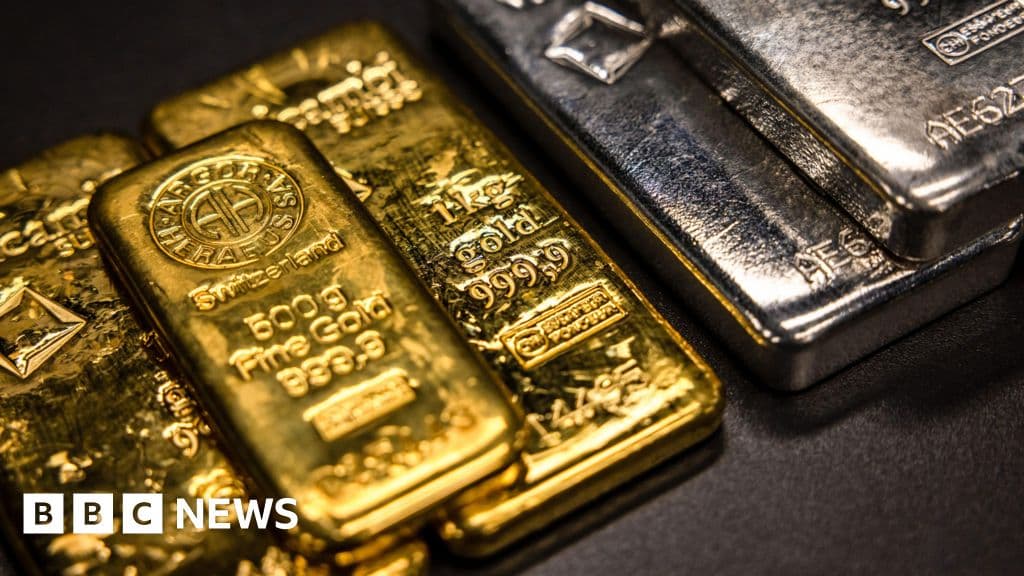
Gold and silver prices have extended their downward trend following a significant reversal of a rally that had driven precious metals to record highs.
Spot gold prices experienced a decline of nearly 10% at one point, while silver fell by 15%, before both metals regained some of their losses.
Prices reached new records in January as investors sought refuge in so-called "safe haven" assets amid geopolitical uncertainties.
Market concerns had also centered on the independence of the US Federal Reserve. However, metals prices fell on Friday after President Donald Trump nominated Kevin Warsh, a former central bank governor, to be the new chair of the Federal Reserve.
Price Movements and Market Reactions
Following a sharp drop in Asian trading on Monday, gold recovered to $4,790 an ounce, representing a decline of more than 2% for the day. Silver also rebounded to $82.50 an ounce, down 3.2%.
The announcement of Warsh's nomination on Friday was generally welcomed by financial markets and contributed to a 1% increase in the value of the US dollar.
Despite the dollar's rise, spot gold recorded its steepest one-day drop since 1983 on Friday, falling over 9%, while silver plunged 27%.
"The clear catalyst for Friday's sell-off appeared to be news... that Kevin Warsh had secured the nomination for Fed chair," said analysts at Deutsche Bank.
Another factor cited for the decline was changes to trading requirements for precious metals on a major exchange, which increased costs for speculators.
Despite these sharp declines, gold prices have only returned to levels seen a few weeks prior and remain approximately 70% higher than at the same time last year.
Broader Market Impact
Alongside the continued sell-off in commodities on Monday, Asian stock markets also declined. South Korea's benchmark Kospi led losses with a 5% drop. The Hang Seng in Hong Kong fell 2%, and Japan's Nikkei 225 was down over 1%.
In Europe, the UK's FTSE 100 initially fell but later recovered to rise by 1%. The decrease in commodity prices exerted pressure on mining companies, with gold miners Fresnillo and Endeavour Mining both falling more than 2%.
US stock markets opened lower but ended with modest gains, with the S&P 500 index up 0.1%.
Energy Markets and Influencing Factors
In global energy markets, crude oil prices declined nearly 5%. This drop is attributed to several factors, including major oil producers agreeing to maintain current output levels and indications of easing tensions between the US and Iran.
The rise in the US dollar's value may also have influenced oil prices, as oil is priced in dollars, making it more expensive for buyers outside the US.
Precious Metals Performance and Outlook
Precious metals had a remarkable year in 2025, with gold experiencing its largest annual gain since 1979.
Financial markets were unsettled by concerns such as President Trump's tariffs and fears of overvaluation in artificial intelligence-related stocks, leading gold and silver to repeatedly reach new record highs.
Gold peaked above $5,500 at the end of January this year, while silver reached an all-time high exceeding $120.
Wall Street analysts anticipate that the Federal Reserve will cut interest rates at least twice in 2026. Gold is generally viewed as a more attractive investment when interest rates are low.
One of gold's primary appeals is its relative scarcity. According to the World Gold Council trade association, only about 216,265 tonnes of gold have ever been mined.
Gold's recent upward trend began several years ago when central banks increased bullion purchases. Over the past year, geopolitical uncertainties such as US tariffs have further enhanced gold's appeal.
While economic concerns can drive gold prices higher, prices can also decline when such worries diminish or investors perceive that gains have been excessive.
Mark Matthews, head of research for Asia at Bank Julius Baer, told that one likely explanation for the recent sharp declines "is that precious metals prices collapsed simply because they had already gone parabolic in the previous week".
"Once profit taking started, it just snowballed."