

Scotland’s only remaining commercial shipyard on the Clyde, Ferguson Marine, is preparing to shed around a quarter of its workforce through voluntary redundancy as it awaits confirmation of new government contracts. The Port Glasgow yard, which currently employs 283 people including 34 apprentices, expects to lose roughly 70 jobs as construction finishes on the second of two long-delayed CalMac ferries. The cuts come despite a Scottish government pledge to directly award the state-owned yard new work on four vessels, a plan that ministers say is still going through a due diligence process.
According to a BBC report published on 15 July 2026, the yard had already lost 18 staff since the start of the year, leaving it with only seven platers and 11 welders directly employed — a stark illustration of how thin the skilled workforce has already become even before the latest redundancy round is completed.
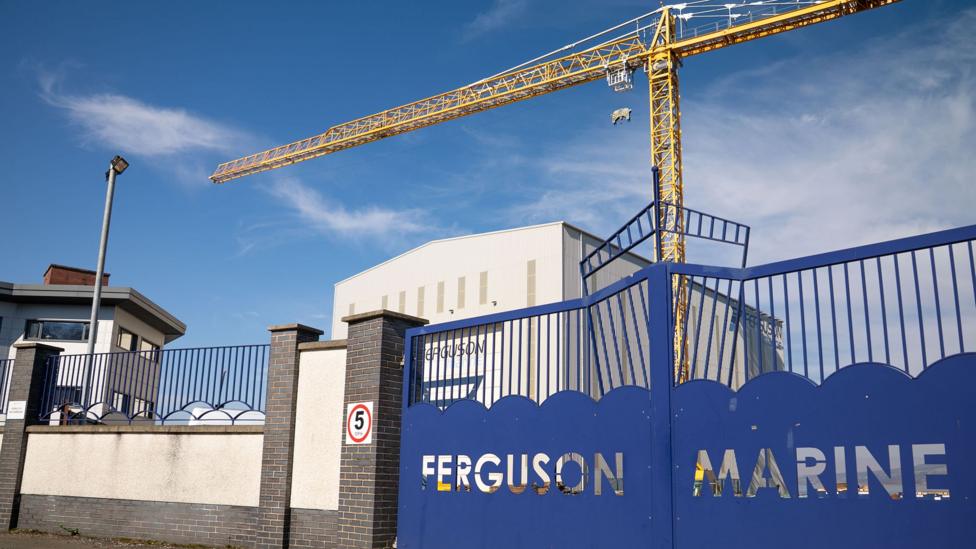
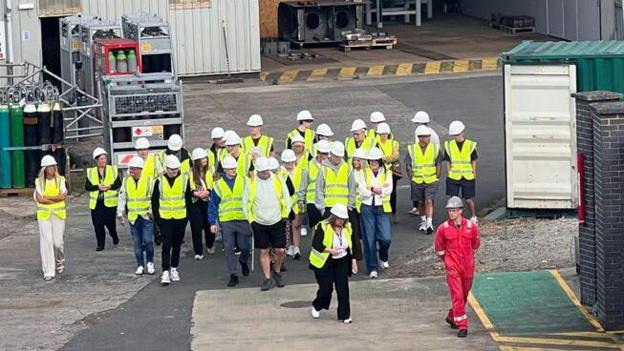
Workers have now been invited to apply for voluntary redundancy as the shipyard nears the end of a 12-year unbroken run of vessel construction at its main site. The firm’s apprenticeship programme is unaffected in the short term, with 34 trainees already in the pipeline and a new intake of 10 apprentices recently touring the yard with their parents ahead of starting college. Separately, the company’s own careers page states it is recruiting for up to 10 more apprentices for a 2026 cohort beginning in August, covering welding, fabrication, electrical and business roles, according to Ferguson Marine’s recruitment page.
Why is the shipyard struggling to secure orders?
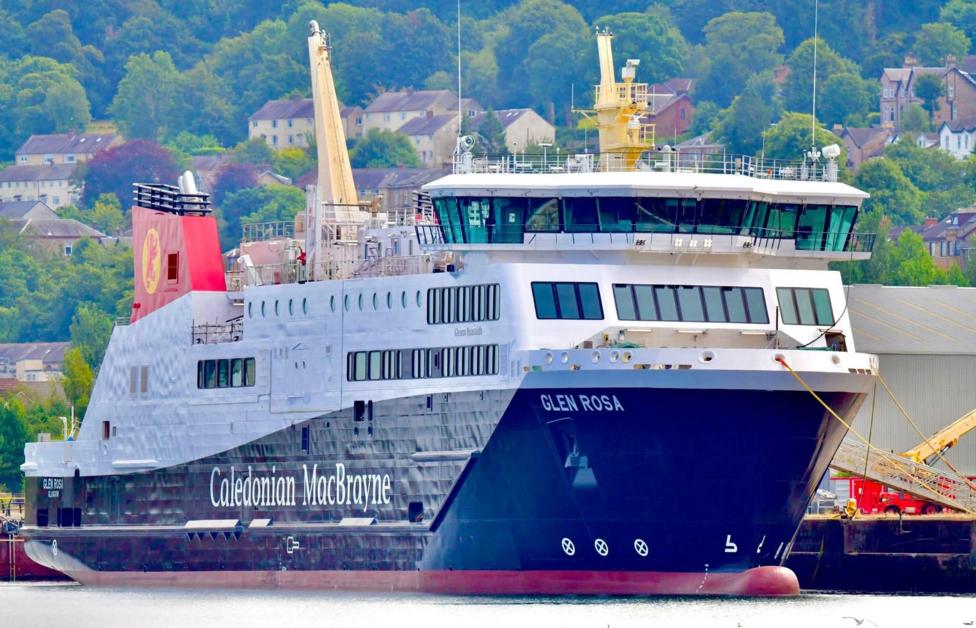
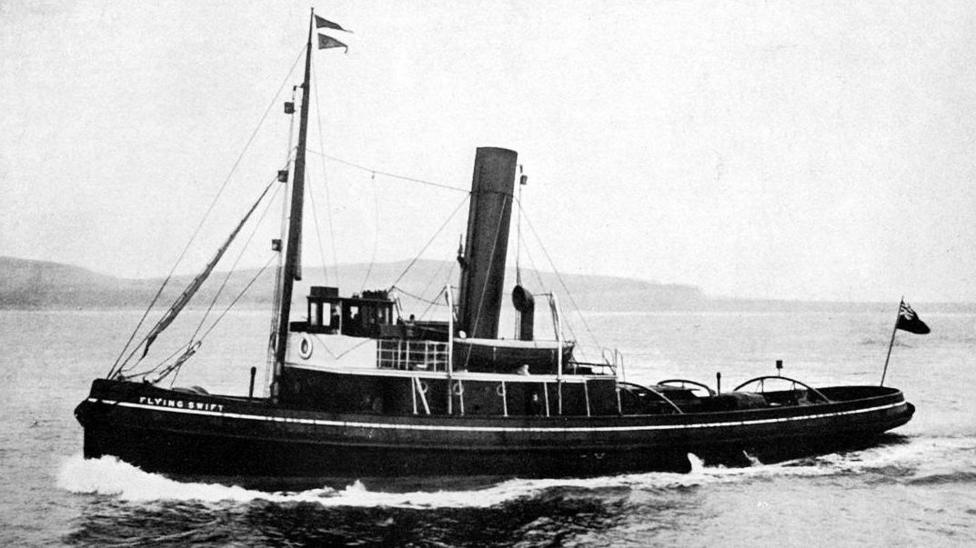
The immediate cause is a gap in confirmed work: MV Glen Rosa has now been moved downriver to Inchgreen for final fitting out and commissioning, meaning the main Port Glasgow site is without a ship under construction for the first time in over a decade. Ferguson’s has built more than 360 vessels since it was founded by four brothers in 1903, but its reputation has been damaged by years of controversy over the delayed and over-budget CalMac ferries MV Glen Sannox and MV Glen Rosa, the first liquefied natural gas-powered ships of their kind built in the UK, whose construction was hampered by design problems and disputes over extra costs.
Although there is broad acknowledgement that shipyard staff were not responsible for those problems, the affair is thought to have made potential customers wary of placing new orders. The yard also faces the same competitive pressure affecting shipbuilders across the UK: the Society of Maritime Industries has said overseas yards, particularly in eastern Europe and the Far East, can undercut domestic builders by 10 to 20 percent because of lower labour costs and stronger state backing.
Two years ago, Ferguson’s lost out on a contract for seven small CalMac vessels that was seen as a prime opportunity to rebuild its standing. Although assessors praised the quality of its bid, ferries agency CMAL awarded the work to a Polish firm on the basis of cost. Yard managers have repeatedly argued that “social value” — the wider economic benefit of building ships in Scotland — should be factored into how bids are scored, but CMAL maintains that pre-Brexit procurement rules require it to treat all bidders equally, limiting its ability to do so.

Last summer, Ferguson’s chief executive Graeme Thomson pressed ministers to directly award the yard a contract to replace MV Lord of the Isles, calling it a “target contract” and warning that it would be “very difficult” to maintain staff numbers without it. Ministers rejected that appeal, and the contract went to open tender earlier this year. Ferguson’s was unable to bid because CMAL’s pre-qualification criteria were, according to yard management, impossible for any UK-based commercial shipbuilder to meet. CMAL has drawn up a shortlist of bidders but has declined to disclose who is on it or where they are based, citing competition concerns, with a winning bidder due to be announced in early 2027.
What new work has the government promised?
In March 2025, ahead of the Holyrood election, the Scottish government announced it intended to directly award Ferguson Marine contracts for four future vessels: two smaller CalMac ferries, a fisheries research ship and a marine protection vessel, describing the package as a “bridge to the future” for the yard. Then Economy Secretary Kate Forbes said at the time:
done a lot of the upfront work in terms of scoping out, securing some of the legal advice about what is possible
She added that further engagement with the Competition and Markets Authority would still be needed before any award could proceed. A Scottish government announcement in early March 2026 confirmed the same four-vessel package as part of a five-year workload plan for the yard, while a parliamentary paper published in April 2026 set out that the proposed ferries would specifically be replacements for the Sound of Harris and Sound of Barra vessels, alongside replacements for the Scotia and Minna, with the whole package still subject to internal due diligence.
None of the four contracts has yet been confirmed. Even once an award is made, at least a year of design work would be required before steel-cutting could begin. The unconfirmed pipeline has nonetheless allowed the company to update its business plan, a step that could unlock £14.2 million in modernisation funding first promised by ministers more than two years ago. Ground investigation work is already under way ahead of installing new equipment and software intended to improve productivity, though the same parliamentary paper noted the modernisation money remains tied to standard commercial tests and ongoing due diligence.
What is the wider context for the yard?
Ferguson Marine was taken into public ownership in 2019 following a prolonged dispute between its previous private owner and the government-owned ferries agency CMAL over claims for additional costs on the two dual-fuel ferries. MV Glen Sannox was eventually delivered in November 2024, while MV Glen Rosa is scheduled for completion by the end of this year. The yard recently finished subcontracted work for BAE Systems on new Type 26 frigates but currently has no confirmed orders lined up to follow it. A 2024 report noted that Scotland’s Auditor General had previously criticised governance and decision-making at the yard following controversial redundancy payments, according to a broadcaster’s report on the audit findings.
What happens next?
The trade union GMB has warned that without the promised contracts being formally confirmed, the yard’s long-term future is at risk because it continues to lose experienced staff, according to the 15 July 2026 report. The government’s due diligence process on the proposed direct awards remains ongoing, according to the parliamentary clerk’s paper, meaning the next significant milestone will be a formal decision on whether the contracts are awarded. In the meantime, the yard’s 2026 apprentice intake is due to begin in August, according to its recruitment page, offering a limited but immediate pipeline of new workers even as the larger question of future shipbuilding orders remains unresolved.
Key Facts
- Ferguson Marine plans to cut around 70 of its 283 posts through voluntary redundancy.
- The yard has lost 18 staff since the start of 2026 and now has just seven platers and 11 welders directly employed.
- Four proposed direct-award contracts — two small CalMac ferries, a fisheries research vessel and a marine protection vessel — remain subject to government due diligence.
- £14.2 million in modernisation funding, first promised over two years ago, is tied to the same due diligence process.
- A new intake of up to 10 apprentices is due to start at the yard in August 2026.


