
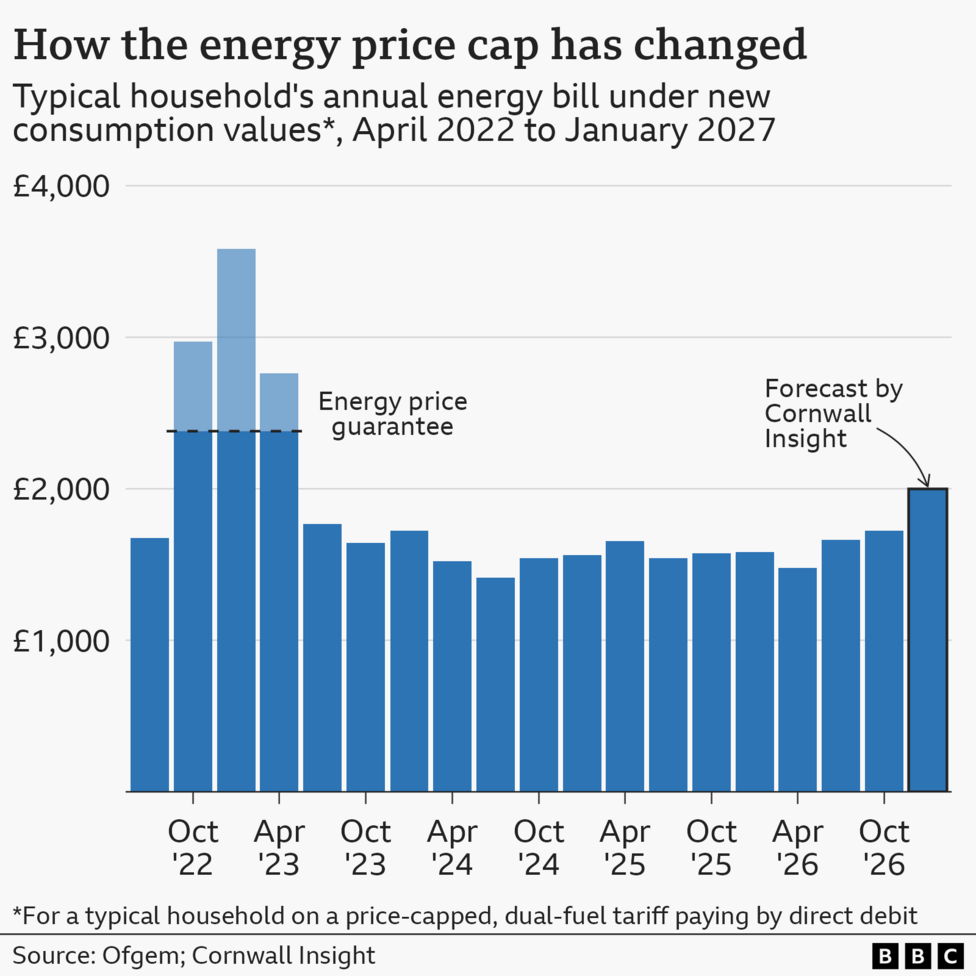
Household energy bills will rise by just 0.2% in January, marking a dramatic reversal from predictions of a 16% surge that had alarmed millions of households across the UK. According to Ofgem's final price cap announcement, the typical annual bill for a household paying by direct debit will be £1,758 from 1 January 2026, up just £37 from the previous quarter.
The outcome stands in stark contrast to forecasts issued months earlier by consultancy Cornwall Insight, which had warned of a £276 jump that would represent the largest increase in four years. That prediction had intensified pressure on the government to announce emergency support measures and prompted energy suppliers and fuel poverty campaigners to call for extended financial assistance.
How did the forecast go so wrong?
When Cornwall Insight released its prediction, it was based on assumptions about gas supply disruptions stemming from Middle East tensions and low European storage levels. However, international energy markets shifted significantly in the months that followed, with gas prices falling from their elevated levels. The actual price cap mechanism, which Ofgem sets quarterly based on wholesale costs over a specific period, reflected these improved market conditions rather than the worst-case scenario the forecaster had modelled.
The January cap represents a substantial improvement compared to the same period last year. According to Ofgem, the January 2026 cap is 2%, or £37, lower in real terms than the equivalent quarter in 2025, providing some relief to households facing persistent cost-of-living pressures.
What are the new unit rates and standing charges?
The January cap sets electricity at 27.69p per kilowatt-hour and gas at 5.93p per kilowatt-hour for typical direct-debit customers. Electricity standing charges are fixed at 54.75p per day, while gas standing charges are set at 35.09p per day. These rates apply to approximately 20 million households in England, Scotland and Wales whose suppliers are bound by Ofgem's price cap mechanism.
The gap between electricity and gas prices remains historically wide. According to analysis by Nesta, a unit of electricity now costs 4.7 times the price of a unit of gas, the highest ratio since the energy crisis of 2022. This disparity has particular implications for households relying on storage heaters or other electric heating methods.
Who will be most affected by the price structure?
The impact of the new cap varies significantly depending on how households heat their homes and use energy. Nesta's research indicates that a typical storage-heater household's annual bill would rise by approximately £100 under the new cap, while a typical dual-fuel household paying by direct debit would see a rise of only about £2.50. This disparity reflects the disproportionate burden falling on households dependent on electricity for heating.
The modest overall increase masks the continued financial strain many households face. Years of relatively elevated energy bills have left some people with substantial unpaid debts. Recent data from Ofgem showed that customers collectively owe more than £5 billion in unpaid bills and charges to suppliers, a burden that has accumulated as households struggled to meet rising costs.
What support is available for struggling households?
Campaigners and energy industry figures have continued to press the government for targeted assistance for households most at risk. Adam Scorer, chief executive of fuel poverty charity National Energy Action, has called for additional support in the Budget, alongside action to tackle energy debt and improve the least energy-efficient homes.
"This is unsustainable, not just for households but also for the market as a whole,"he said.
Ofgem has a proposed debt relief scheme under consideration, which campaigners have urged the regulator and government to implement with appropriate funding. The government has stated it will continue to consider ways to offer breathing space to billpayers facing cost-of-living pressures, though no new emergency measures have been announced alongside the January cap announcement.

What do energy suppliers say about the outlook?
When the original forecast was released, Simone Rossi, chief executive of supplier EDF Energy, warned that the UK was
"walking into a second significant energy crisis after the one we experienced just four years ago."He called for the government to extend the cut in VAT on electricity bills from 5% to 0% beyond April 2026, when the temporary reduction is due to expire, and urged ministers to approve new gas and oil field developments off the Scottish coast.
The much smaller-than-expected January increase may ease some of the pressure on suppliers and reduce the urgency of calls for emergency government intervention, though concerns about energy affordability and the long-term sustainability of the market remain.
What happens next?
The January to March 2026 price cap took effect on 1 January 2026. Ofgem's published schedule indicates that the April to June 2026 cap levels will be announced by 25 February 2026, giving households and suppliers advance notice of the next quarterly adjustment. Looking further ahead, Cornwall Insight's earlier estimates suggested that under new typical household consumption values, the price cap could reach £1,999 in January 2027, though such long-range forecasts remain subject to significant uncertainty about future wholesale energy costs.
Key Facts
- The January 2026 price cap rises by just 0.2%, or £37 annually, far below the 16% increase that had been forecast by Cornwall Insight months earlier
- Electricity now costs 4.7 times the price of gas per unit, the highest ratio since 2022, placing particular strain on households using electric heating
- Customers collectively owe more than £5 billion in unpaid energy bills, accumulated during years of elevated prices
- The January cap is 2% lower in real terms than the same quarter in 2025, providing year-on-year relief despite the quarterly increase
- Ofgem will announce the April to June 2026 cap by 25 February 2026