The government has announced plans to abolish gas standing charges, a move that could deliver annual savings of around £45 to approximately 60% of households. According to The Guardian, Chancellor John Healey unveiled the proposal as part of the 2026 budget, framing it as a step toward reforming Britain's energy market. The Treasury says the change will affect around 23 million homes, with Ofgem being asked to implement the removal in 2027 or as soon as possible thereafter.
Standing charges—fixed daily fees that households pay regardless of consumption—currently average £108 annually, or just under 30 pence per day. Under the new arrangement, these fixed costs will be incorporated into gas unit rates instead, meaning the savings will not be uniform across all households. Higher-consumption households may face increased costs as the fixed element shifts to per-unit pricing.
Prime Minister Andy Burnham ordered a review of the proposal about a week before the announcement, signalling his administration's intent to address long-standing grievances about energy pricing. In a statement, Burnham said the measure demonstrates his determination to reform what he described as a broken energy market. Healey added that the budget would draw a line under energy policy that has failed British households for years, allowing costs to accumulate and leaving families vulnerable to global price shocks.
Who benefits most from the change?
Households that use minimal gas will see the greatest benefit, as they currently pay standing charges despite low consumption. According to Nesta, a thinktank that recently published research supporting this exact policy, a typical dual-use household will save £27 annually based on current consumption patterns. The think tank estimates that the measure will provide particular relief to the poorest households who restrict their gas use, while also making the switch to electric heating such as heat pumps a more attractive financial proposition for some families with higher gas consumption.
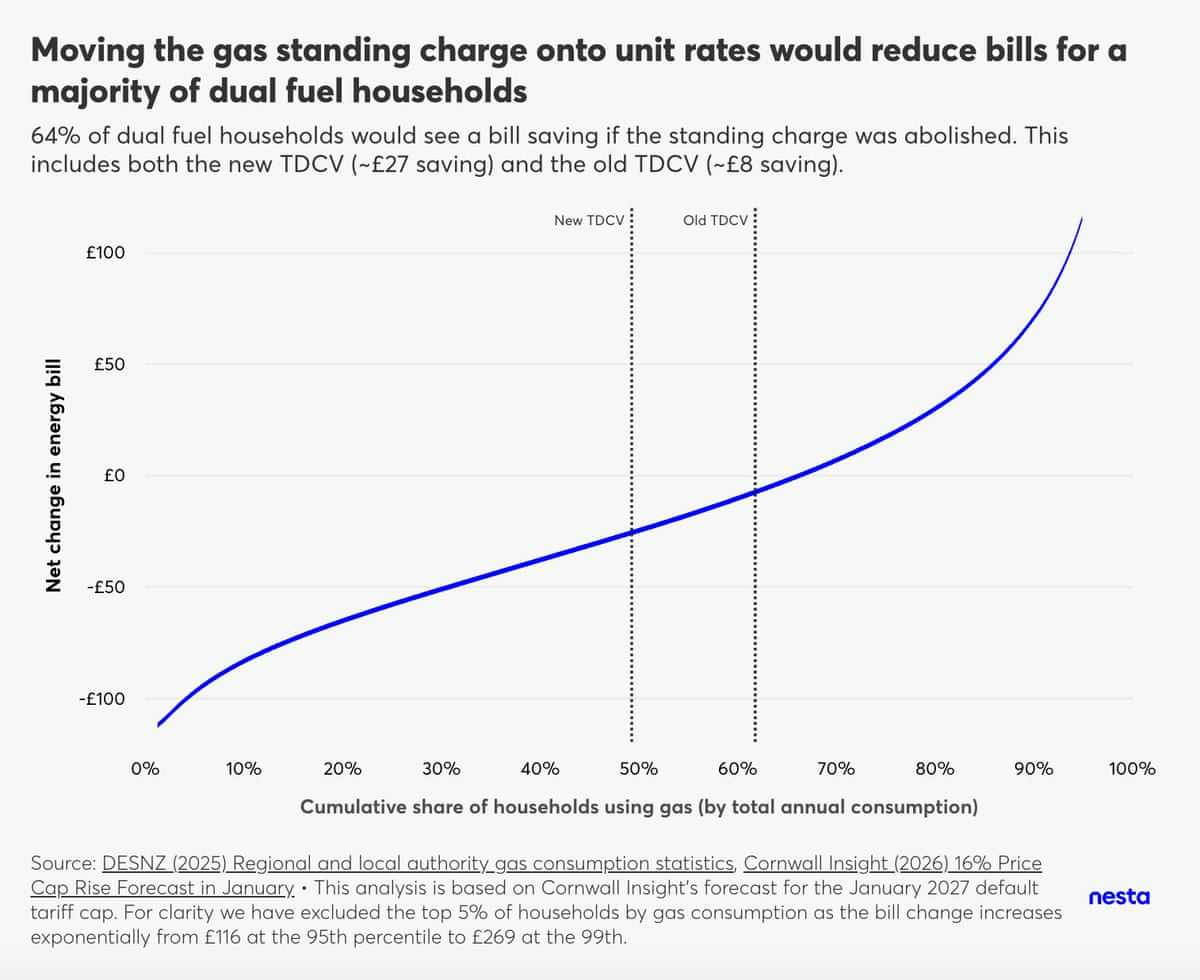
Andrew Sissons, director of sustainable futures at Nesta, said:
Ditching the gas standing charge rightly takes a big chunk off millions of people's energy bills, sharing costs more fairly and giving cash-strapped households a much-needed boost. This measure will provide relief to the poorest households who ration their gas use but it will also mean that switching to electric heating such as heat pumps is a better deal for some households that use more gas.
Simon Francis, coordinator of the End Fuel Poverty Coalition, welcomed the announcement.
Removing the gas standing charge will bring real relief to many low-income households who use very little energy and for prepayment customers it could stop debt building up in the summer months.Francis also noted that while the measure is positive, wider action is needed, and he called for additional steps such as moving levies off electricity bills into general taxation.
What do critics say about the proposal?
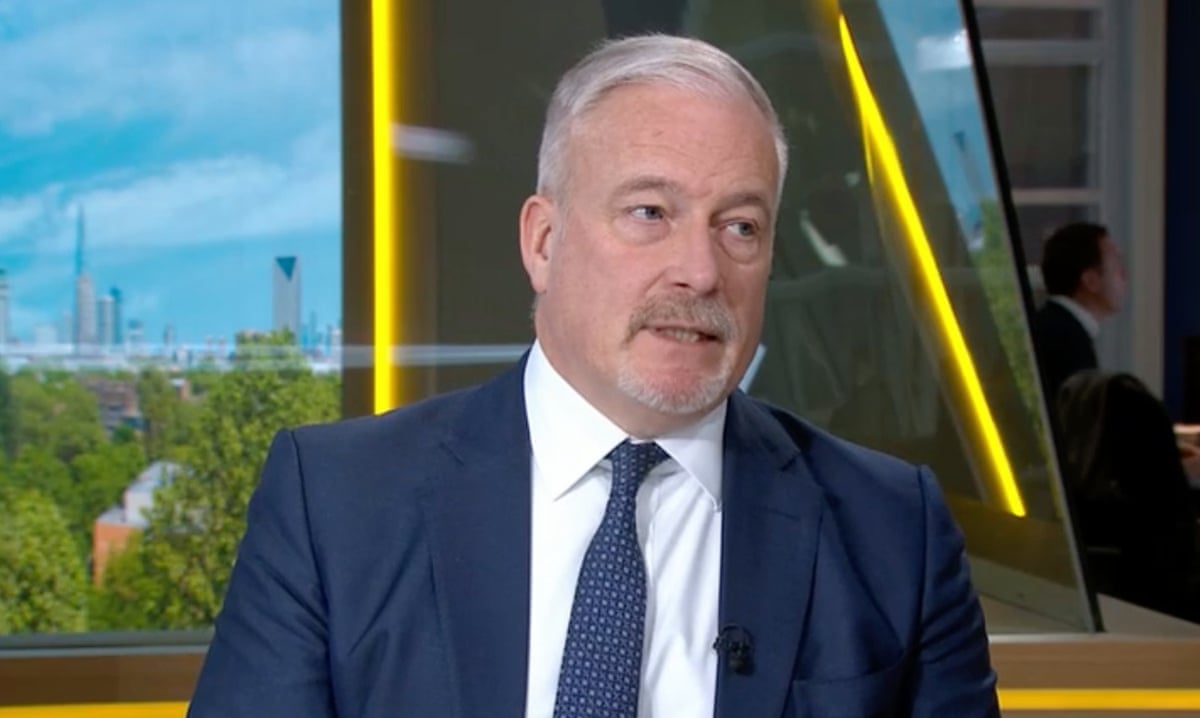
The Conservative opposition has characterised the move as misdirection rather than genuine reform. Richard Fuller, shadow chief secretary to the Treasury, dismissed the policy as sleight of hand during an interview on GB News.
We know there's a problem with energy prices coming down the track. That's why the Conservatives last year actually announced that cheap energy plan to get rid of VAT on people's energy bills and roll back some of the net zero taxes that burden people's bills. But what Labour is doing is really sleight of hand. They're moving it from one aspect of your energy bill or your taxes, and putting it somewhere else. Under the Conservatives, of course, we would make the tougher decisions on public spending, so the actual energy bills and people's taxes would be coming down.
The Green Party has also criticised the announcement as insufficient. A party spokesperson said:
Abolishing standing charges is more tinkering from a government that is failing to take the bold action needed to end the cost of living crisis. Energy bills have skyrocketed in recent years and are set to rise by hundreds of pounds again this winter. 'Hope' is an easy thing to promise but will not be delivered by a business-as-usual budget.
What do energy experts say?
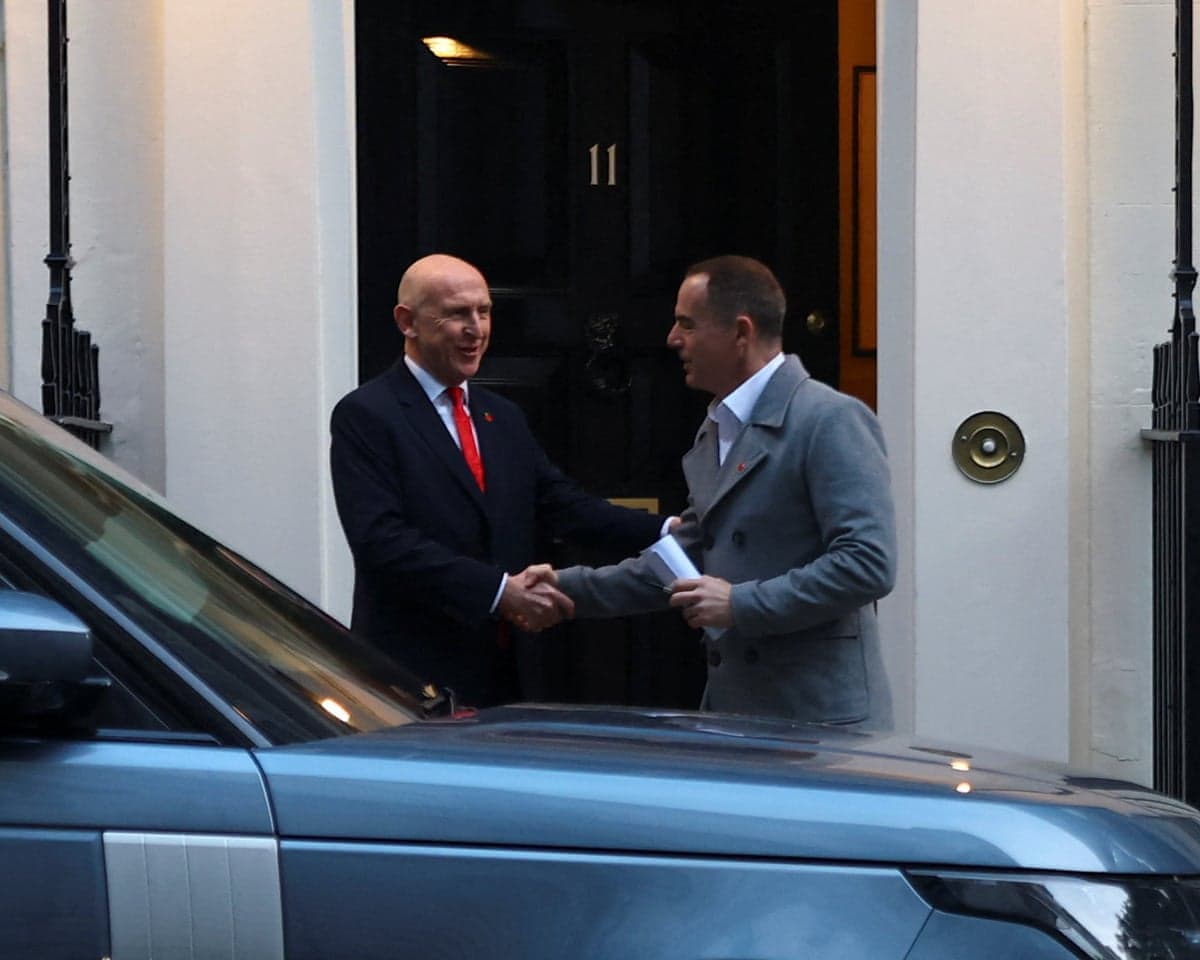
Martin Lewis, founder of MoneySavingExpert.com and one of Britain's most trusted voices on personal finance, met with Healey at Downing Street on the morning of the budget announcement. Lewis has long campaigned for the removal of standing charges from gas bills. During their meeting, Lewis asked whether the government would introduce a support scheme to help households with energy bills from January, when costs are expected to rise sharply. While Healey did not confirm anything directly, Lewis indicated he gathered from the chancellor's responses that an announcement on this matter would come later in the day.
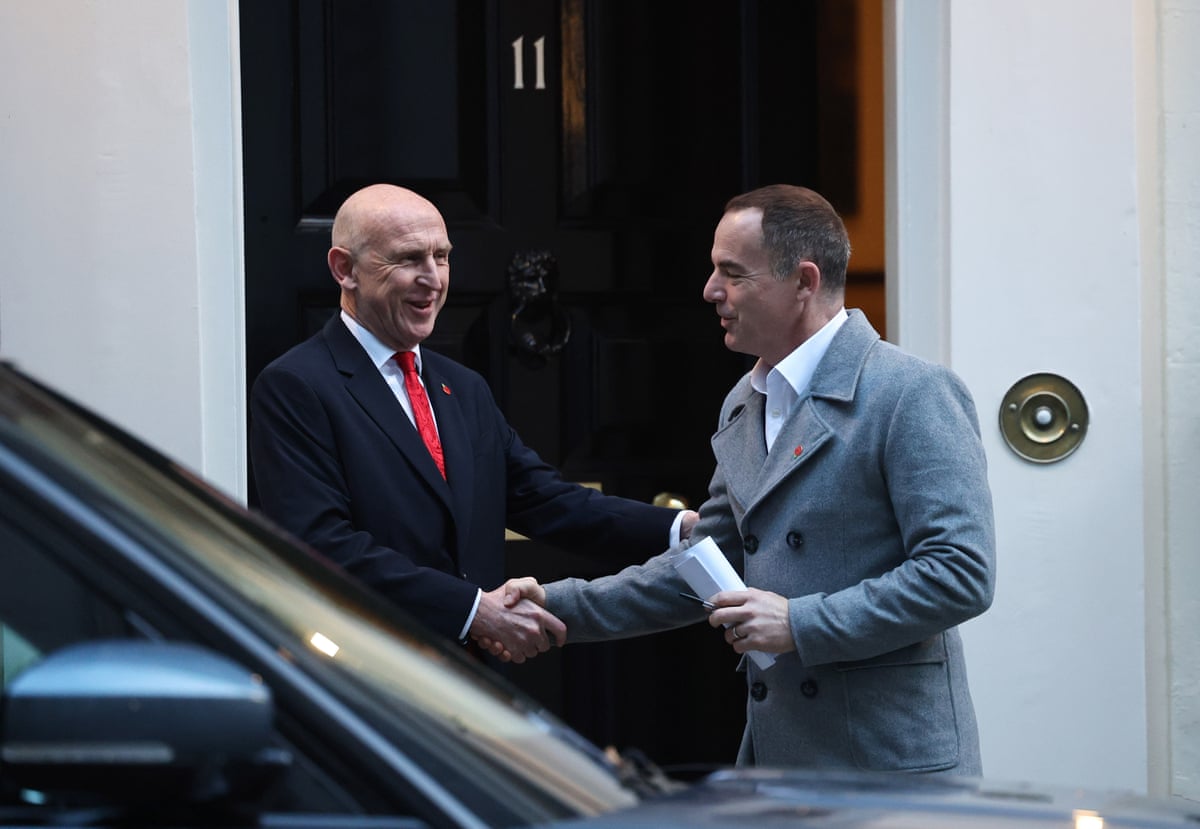
Lewis said:
The biggest issue in energy right now is that we're expecting a 27% rise in the price cap in January. I asked the Chancellor whether he will be intervening on that. He told me I'd have to wait for the budget, but reading between the lines, yes, there will be an announcement today. Whether it's an increase in the Warm Home Discount, or whether it's council tax band, or whether it's done via a payout for people in say council tax bands A-D as a proxy for household income as Rishi Sunak did who knows.Lewis speculated that additional support could take the form of an increase in the Warm Homes Discount or targeted help for households in lower council tax bands.
What happens next?
The government has asked Ofgem to implement the removal of gas standing charges in 2027 or as soon as possible thereafter. The government says it will later set out targeted mitigation for a small number of households that do not automatically benefit from the change, with details to be provided in due course. The budget debate continued through the afternoon following Healey's speech at 12.30pm, with responses from opposition parties and further analysis of the government's broader fiscal plans.
Key Facts
- Gas standing charges currently average £108 per year, or approximately 30 pence daily
- The change is expected to save around 60% of households approximately £45 annually
- The measure will affect around 23 million homes
- Ofgem has been asked to implement the removal in 2027 or as soon as possible afterward
- Higher-consumption households may see increased costs as fixed charges shift to per-unit pricing