The United States and Canada have stepped into uncharted waters. Once-reliable allies and economic partners who have benefited from decades of free trade now find themselves locked in an escalating trade conflict with no visible path to resolution.
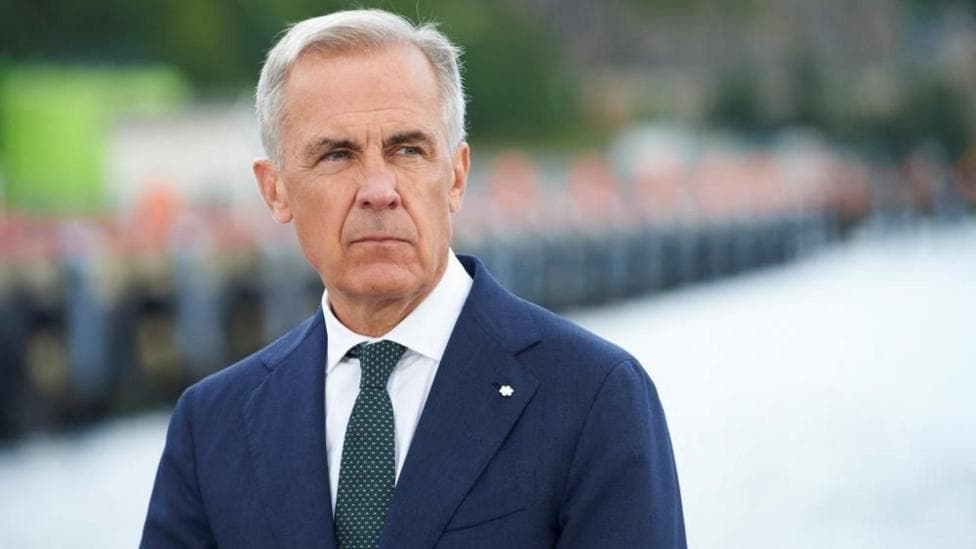
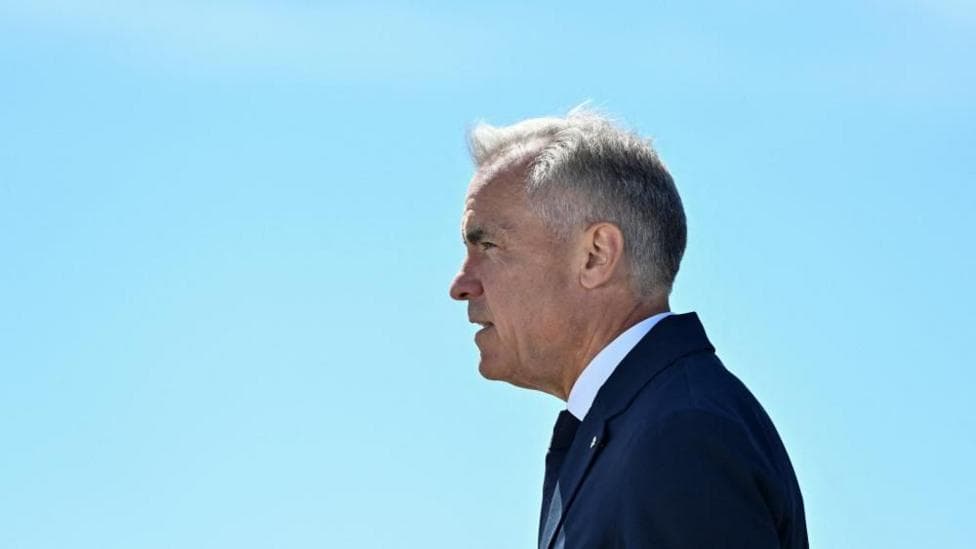
For Prime Minister Mark Carney, the decision made late Friday to halt negotiations with President Donald Trump and pursue retaliation rather than accept a tentative agreement represents a defining political moment. He has become one of the first world leaders to abandon the negotiating table with the White House, and the consequences of his choice will be scrutinised globally.
Both nations have attributed the collapse to last-minute shifts in position. Carney characterised the US demands as excessive, stating
"we take this step confident this is in the best interest of Canada"and accusing Washington of a
"power play"through eleventh-hour modifications. When pressed on whether the countries were engaged in a trade war, he responded:
"You're at war when you're attacked - we were attacked."Speaking in French, he emphasised that the escalating dispute
"wasn't our choice"and declared:
"Canada is strong, Canada is ready, Canada is united."
Carney now faces the challenge of persuading Canadians to endure economic hardship as Ottawa pursues more substantial concessions from the Trump administration. By rejecting high-pressure tactics and choosing to retaliate with counter-tariffs, he must convince the public that short-term pain serves the long-term goal of securing a fairer agreement.
How did negotiations collapse?
For seven days, a settlement between Washington and Ottawa appeared within reach. The precise sequence of events that unravelled the talks in their final hours remains murky.
Carney stated that the revised US proposals presented late in the process
"were unfair, uneconomic, and called into question the reliability of any deal". He identified demands concerning the automobile sector and
"unacceptable" restrictions on trade deals with other countriesas particular sticking points. In a pointed remark about the Trump administration, he observed:
"We recognise sometimes its signature is written in pencil."
US Trade Representative Jamieson Greer offered a contrasting account, pointing to
"new demands and walk backs of other commitments by Canada"as the cause of breakdown. The Distilled Spirits Council of the United States suggested that
"Canadian provinces' continued refusal to return US spirits products to store shelves has led to this outcome".
Reports indicated that US Commerce Secretary Howard Lutnick harboured reservations about the emerging agreement, though his office did not respond to requests for comment. As details of the interim accord emerged throughout the preceding week, some provincial leaders, industry representatives and political rivals voiced concerns that Carney had not delivered on his promised aggressive stance.
Conservative opposition leader Pierre Poilievre initially cautioned that any agreement containing
"one-sided" tariffs on Canadian industry would be "a bad deal". However, on Saturday he endorsed Carney's decision to withdraw, declaring:
"Canada cannot accept one-sided tariffs that will deindustrialise our country."
Doug Ford, Ontario's premier and typically one of Canada's most vocal figures on US tariffs, had remained publicly silent regarding the tentative agreement. In a letter to Carney earlier in the week, Ford raised alarm that an accord negotiated under American pressure would
"embolden the United States to seek concession after concession". After negotiations broke down, Ford declared:
"the prime minister has my full support for a strong response - tariff for tariff, dollar for dollar."

What triggered the breakdown?
According to reports from trade negotiations, the two sides had been discussing a reduction of US Section 232 tariffs on Canadian vehicles from 25% to 15%, with additional cuts contingent on the proportion of US content in each vehicle. The automobile sector emerged as a central flashpoint, alongside unresolved questions about dairy and alcohol trade.
The 50% tariff threat had already been postponed once, with Trump delaying implementation for three days after announcing that a deal had been reached, before the latest collapse in discussions. According to official statements, Carney said the US had postponed the 50% tariff on a range of Canadian goods until the end of day on 21 August while talks continued.
The new US tariffs that prompted Canada's response applied to approximately $20 billion in Canadian goods, including wooden ice hockey sticks and other products.
What is the scale of economic exposure?
The economic stakes are substantial for both nations. Canada directs roughly 70% of its exports to the United States, and serves as the leading trading partner for numerous American states, with Michigan, Kentucky, Indiana and Ohio among the most vulnerable regions.
The trade dispute has already inflicted measurable damage. Canadians frustrated with US tariffs have increasingly avoided travelling to the United States, resulting in approximately C$3.3 billion ($2.35 billion; £1.75 billion) in lost travel revenue for America last year. Provincial decisions to remove US alcohol from store shelves have devastated that sector: US wine exports to Canada fell 78% year-over-year, representing a $357 million loss in export value, while the US distillers association reported that provincial bans caused American spirits exports to decline by more than 70%.
What is public sentiment in Canada?
Carney arrived in office promising
"elbows up"— an ice-hockey term signifying aggressive confrontation — and vowed to champion Canadian interests against a Trump administration determined to advance its America First agenda through economic pressure.
Polling suggests substantial public backing for his combative approach. An Abacus Data survey found that approximately 36% of Canadians support retaliating to US tariffs, while a Leger poll indicated that 56% of Canadians want the federal government to adopt a hardline stance and make no further concessions. Many Canadians have already demonstrated their willingness to fight through consumer action.
Carney must also persuade less-affected provinces that abandoning negotiations justifies the risks involved. He is scheduled to meet with provincial and territorial leaders on Saturday to brief them on the current situation and build consensus around the retaliatory approach.
What happens next?
According to official announcements, Canada's retaliatory tariffs on US goods are scheduled to take effect on 8 September, following the Labour Day weekend. Ottawa stated it would release comprehensive details of the new Canadian tariff measures in the coming days.
The collapse of this agreement raises broader questions about the future of trade negotiations, including an ongoing review of the US-Mexico-Canada free trade pact. Carney and Canada must now await Trump's response and determine whether a path back to the negotiating table can be found.
The decision to walk away represents a high-stakes gamble. If the strategy yields a more favourable agreement, Carney will be vindicated as a leader who stood firm. If the trade war deepens and Canadian workers face mounting job losses, the political consequences could be severe. The coming weeks will test both his resolve and the patience of Canadians willing to absorb economic pain in pursuit of what their government characterises as a matter of national principle.