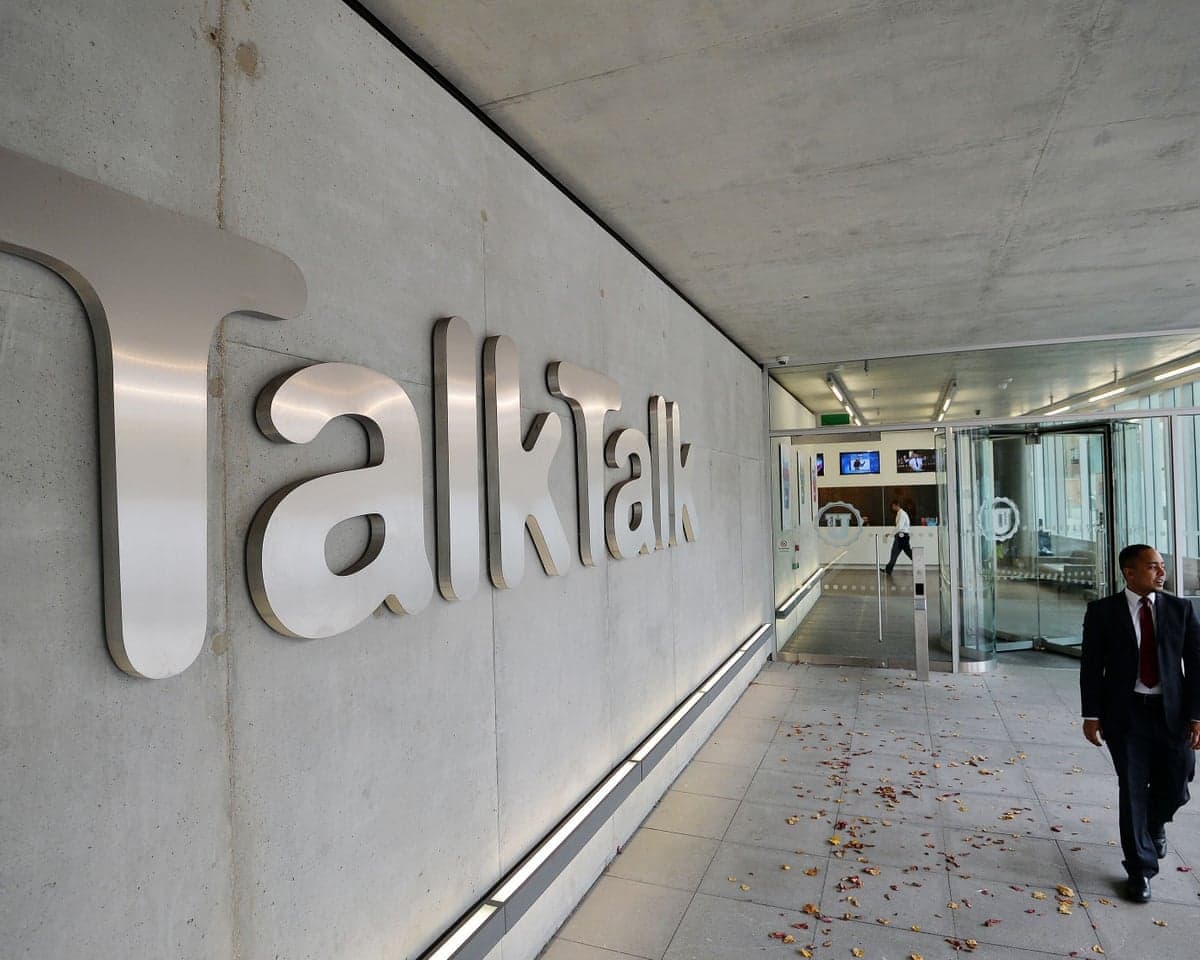
Telecommunications giant BT Group has agreed to acquire struggling broadband provider TalkTalk out of administration, securing the future of approximately 900 jobs and ensuring continuity of service for more than 2.4 million customers across the United Kingdom. The transaction, structured as a pre-pack administration, transfers both TalkTalk's consumer business and its wholesale PlatformX Communications Limited division to BT on a debt-free basis, with BT estimating a total cash impact of £400m in its current financial year.
The rescue deal comes after TalkTalk's prolonged and ultimately unsuccessful attempt to find alternative buyers. The UK government intervened under Enterprise Act powers following BT's agreement, citing the critical importance of phone and broadband services to national infrastructure and the genuine risk to vulnerable households and emergency services should TalkTalk have collapsed.
Andrea Jakes, joint administrator and managing director of Alvarez and Marsal, the firm overseeing the administration, stated:
We are pleased to have secured the future of the TalkTalk and PXC businesses, safeguarding approximately 900 jobs and ensuring continuity of service for more than 2.4 million customers. TalkTalk and PXC are important businesses within the UK's connectivity market, with longstanding relationships across customers, suppliers and partners. The transaction gives them a sustainable financial footing under new ownership.
Why did BT step in to rescue TalkTalk?
BT recognised the existential risk posed by TalkTalk's potential collapse to millions of citizens and businesses dependent on its services. TalkTalk's customer base includes not only 1.5 million retail customers and 1 million wholesale customers, but also vulnerable households and critical connections supporting health, emergency services, defence, education, transport, banking and government infrastructure across the nation.
Allison Kirkby, BT's chief executive, described the situation as genuinely unprecedented. Speaking on national radio, she explained:
It's unprecedented. There was going to be 2.5 million customers, including vulnerable households, and key emergency services who might have lost their services if TalkTalk had failed, which it was on track to do. So BT stepped in as we were the only viable option to take the business forward.
She added:
Broadband is proving to be critical infrastructure that the country needs, and it needs to be owned and operated in a high quality, highly resilient way.
In a formal statement, Kirkby elaborated on BT's rationale:
This is a genuinely unprecedented situation, where millions of citizens and businesses were at risk if TalkTalk had collapsed. BT is the digital backbone of the country, with a presence in every postcode. We have been connecting the nation for generations, stepping up in the moments that matter, and BT acquiring TalkTalk is now the only viable option to keep millions of customers connected and supported.
What happens to TalkTalk customers?
TalkTalk's existing customers do not need to take any action, and services will continue operating normally. Customers will be contacted directly by BT if any changes affecting their service become necessary. The immediate priority for BT is to stabilise the business and provide continuity for the households and enterprises relying on TalkTalk's connectivity.
Once the regulatory process concludes, TalkTalk customers are expected to gain access to BT's network infrastructure and the full range of market-leading products and services that BT offers. Over time, BT anticipates the transaction will create value for customers, employees, the country and shareholders.
What is the financial impact on BT?
BT's £400m cash impact comprises several components: transaction and administration costs, a projected trading loss of £60m, and non-receipt of £100m otherwise due to Openreach. The acquisition is expected to add 1.5 million broadband customers to BT's base, significantly expanding its market presence in the highly competitive UK broadband sector.
During the 12 months preceding the administration, TalkTalk reported revenues of £1.2bn but was loss-making. The company, founded in 2003 by Charles Dunstone as a subsidiary of Carphone Warehouse, has experienced severe contraction in recent years, with customer numbers shrinking from 4 million in 2019 to approximately 1.5 million at the time of administration.
What are the consequences for TalkTalk's creditors and shareholders?
The pre-pack administration structure is expected to leave TalkTalk creditors owed hundreds of millions of pounds unlikely to recover their money, while shareholders including founders Sir Charles Dunstone and Neil Macarthur are likely to be wiped out. This outcome reflects the severity of TalkTalk's financial distress and the prioritisation of operational continuity over creditor recovery.
What role has the government played?
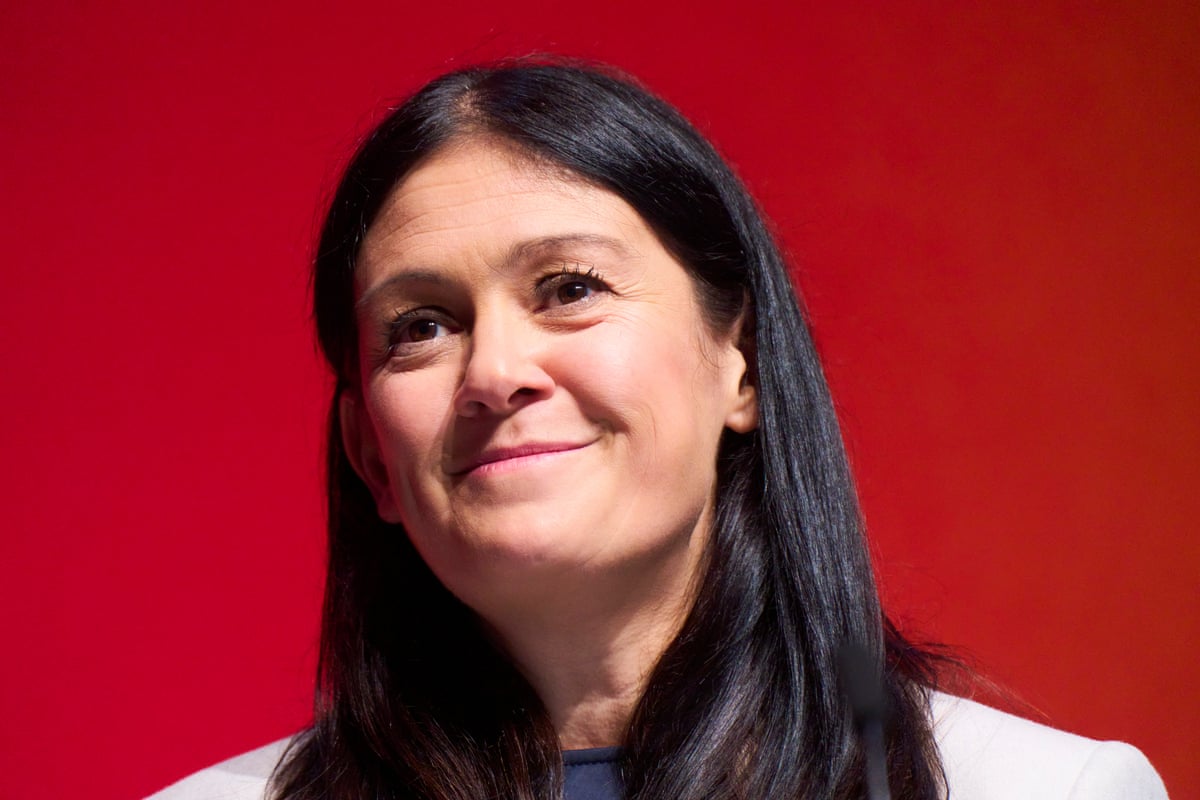
Culture Secretary Lisa Nandy intervened in the transaction, citing risks to vital phone and broadband services and vulnerable customers. She stated:
Phone and broadband services are vital national infrastructure. If TalkTalk services fail, there is a genuine risk to life and public services – including to hospitals, schools and emergency care. These are unprecedented circumstances that require action now. That is why I am acting with urgency to ensure that impacts on public health, critical national infrastructure and supply to vulnerable customers are fully considered as part of this process.
Nandy's department is acting under Enterprise Act powers, which allow consideration of the wider public interest once the Competition and Markets Authority has reported on competition concerns. The CMA has been directed to report back by 19 October, after which the government will assess whether the deal serves the public interest.
BT's chief executive expressed willingness to engage with government and regulators on preventing similar situations in the sector:
Very happy to engage with government and regulators on how we ensure situations like this do not happen again, and we really look at the indebted state of some of the operators in the sector.
How will the deal proceed through regulation?
The Competition and Markets Authority will examine competition concerns arising from BT's acquisition of a major rival. The CMA has been asked to report on competition implications by 19 October, after which the government will consider the deal's wider public interest implications. BT and the government have both emphasised that the prolonged and unsuccessful sale process, combined with the absence of viable alternative buyers, should weigh in favour of approval.
Clive Selley, who previously ran Openreach for more than a decade before being appointed head of BT's international business in April, will lead the stabilisation and integration planning of the acquisition. Martijn Blanken will assume Selley's role as CEO of BT International, in addition to his position as CEO-designate of BT's proposed international joint venture with Verizon.
How are European markets responding?
BT shares rose 1.6%, catapulting the company into the top risers on the FTSE 100 index. However, broader European sentiment remains fragile amid mounting fiscal concerns centred on France.
The pan-European Stoxx index climbed 0.4% following last week's largest weekly loss in a month, as soaring bond yields fuelled investor concerns over deteriorating government finances across the eurozone. France's CAC index fell 1%, while the euro hit a 17-month low, tumbling more than 0.8% to $1.1161 in Asian trading and now trading 0.5% lower at $1.1192.
Investor anxiety focuses on the eurozone's second-largest economy's mounting debt burden and political gridlock ahead of next year's presidential election. This weakness has been compounded by losses in Schneider Electric, the French engineering company, whose shares slumped 8.9% following announcement of its largest acquisition ever.
What is Schneider Electric's major acquisition?
Schneider Electric has agreed to acquire US software company PTC for $22.6bn in an all-cash transaction, with the offer representing a 42.3% premium to PTC's last closing price. The acquisition marks Schneider Electric's largest deal to date and reflects the company's strategic push into software and digital solutions. The transaction is expected to close by the third quarter of 2027, subject to shareholder and regulatory approvals.
What is happening in Germany's engineering sector?
Germany's mechanical and plant engineering sector has experienced a significant contraction, with orders falling 5% in real terms during August compared to the same month a year earlier, according to the industry association VDMA. This decline reverses two months of growth and reflects weakness in both domestic and international demand.
Domestic orders fell 2%, while foreign bookings slumped 6%. Orders from other eurozone countries sank 10%, twice as large as the decline in orders from countries outside the currency bloc. VDMA chief economist Johannes Gernandt commented on the mixed signals:
After two months of growth, this result is a slight dampener. However, it should be noted that, unlike a year ago, there were no large plant orders in August this year.
Gernandt added:
There is still a lack of new investment momentum that would point to a sustained economic upswing.
The sector has posted a 4% increase in orders during the first eight months of 2026, though Gernandt cautioned that this figure was partly attributable to a weak year-on-year comparison and a high volume of large orders booked in March and June. Between June and August, orders rose 7%, with foreign demand increasing 11% and offsetting a 1% decline in domestic orders. Orders from non-euro countries rose 19%, while bookings from eurozone countries fell 9%.
What is happening in Spain?
Spain's stock market rose 0.7% after Prime Minister Pedro Sanchez called a snap election for 29 November to resolve parliamentary deadlock. The election has been triggered amid a national housing crisis that has intensified political tensions and made legislative progress difficult.
What economic data is due today?
Markets will focus on several key economic releases: Eurozone Services and Composite Purchasing Managers' Indices for September are due at 9am BST, followed by the UK Services PMI final reading for September at 9.30am BST. In the afternoon, the US ISM Services PMI for September will be released at 3pm BST.
Key Facts
- BT has acquired TalkTalk out of administration, saving approximately 900 jobs and securing service continuity for 2.4 million customers across the UK.
- The transaction is structured as a pre-pack administration, with BT estimating a £400m cash impact including a £60m trading loss and £100m of uncollected Openreach revenue.
- The UK government has intervened under Enterprise Act powers, with the Competition and Markets Authority directed to report on competition concerns by 19 October.
- TalkTalk's creditors are unlikely to recover significant sums, and shareholders including founder Sir Charles Dunstone face complete loss of their investment.
- The euro has fallen to a 17-month low amid concerns over France's debt burden and political uncertainty, while Germany's engineering orders have contracted 5% year-on-year in August.