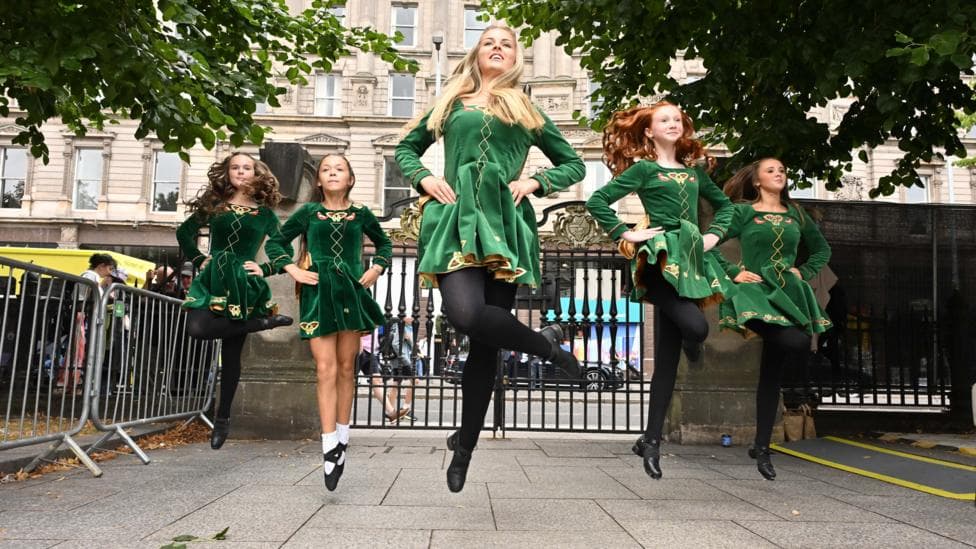
The All Ireland Fleadh Cheoil na hÉireann delivered a measurable uplift to Belfast's accommodation sector during August, with early data indicating increased demand across the city's hotel market.
Official figures reveal that 189,000 hotel beds were occupied in Belfast during the month, representing a rise of nearly 4% from the 182,000 beds sold in August 2025. Room occupancy rates climbed by two percentage points year-on-year, reaching 85% compared with 83% the previous year. Across Northern Ireland as a whole, just under 470,000 beds were sold in August, up from 447,000 in 2025—a 5% increase.
The festival ran from 2 to 9 August and marked the first occasion the event had taken place in Belfast. Beyond traditional hotel accommodation, visitors also utilised self-catering properties, student accommodation facilities and dedicated campsites. According to Belfast City Council data, the two official Fleadh campsites reached full capacity during the final weekend.
How many people attended the festival?
The 2026 festival exceeded initial expectations, with visitor numbers substantially outpacing projections. According to Belfast City Council, the city centre recorded 1,653,999 visits during the eight-day celebration—89% higher than the same week in 2025. The opening ceremony day proved particularly busy, with more than 176,000 people in the city centre, representing a 95% increase compared with the equivalent date the previous year. Saturday emerged as the busiest single day, attracting 289,560 recorded visits.
What events and activities took place?
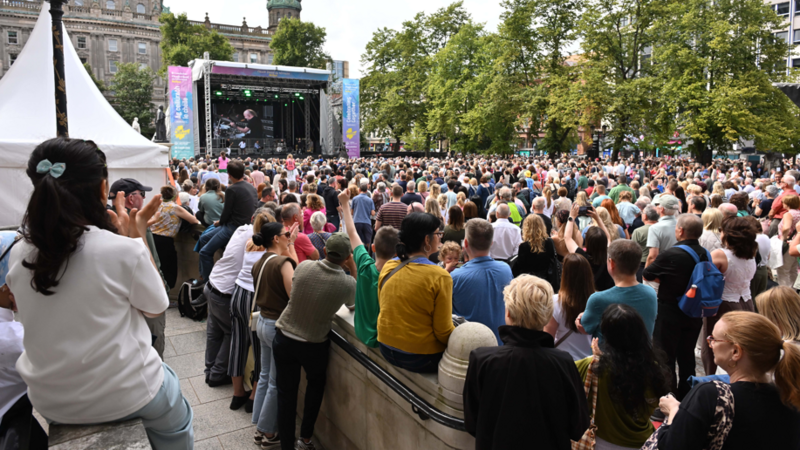
The festival programme encompassed more than 200 events spread across the city, featuring live music sessions, dance classes and family-oriented activities. The primary outdoor stage, positioned outside Belfast City Hall, provided free live performances throughout each day of the festival. To accommodate the scale of performances and activities, organisers created a substantial pedestrianised zone in the city centre, fundamentally altering the urban landscape for the duration of the event.
What was the economic impact?
The Department for the Economy indicated that the economic benefit was anticipated to surpass the earlier £53 million projection, though a comprehensive post-event evaluation was deemed necessary to establish a definitive figure. Officials stated during the festival that the economic boost was expected to exceed its earlier £53 million estimate, reflecting stronger-than-anticipated visitor spending and engagement.
Beyond direct accommodation and hospitality spending, the festival generated substantial media attention. Belfast City Council reported that the Fleadh website attracted two million users, with 578,000 visits occurring during the festival week alone. More than 300 accredited media outlets and journalists produced coverage generating an estimated €13.6 million in advertising value equivalent.
What happens next?
Belfast is scheduled to host the Fleadh again from 1 to 8 August 2027, with organisers indicating that detailed plans remain under development. At a 21 September meeting, event partners reviewed the 2026 festival and discussed lessons learned and opportunities to build upon its legacy for the following year. Official statistics on the 2026 event had not yet been finalised as of that date, with stakeholders committed to using the comprehensive evaluation to inform preparations for 2027.