

Graduates in England who began repaying their student loans in April 2026 owed an average of £47,730, according to figures released by the Student Loans Company. That marks a drop from the £53,000 average recorded the previous year, driven largely by a newer loan scheme that accrues less interest than its predecessor. With A-level and Level 3 results now in hand, many prospective students are weighing whether the financial commitment of a degree still pays off.
According to the Department for Education, the fall in average debt is partly explained by the arrival of the first cohort of Plan 5 borrowers, who accounted for more than 10% of all borrowers reaching repayment status in the 2025-26 financial year.
Why have tuition fees risen in England and Wales?
The annual cost of an undergraduate degree in England and Wales climbed to £9,535 last August and is scheduled to reach £9,790 in 2026. Universities had pushed for the increase, arguing that fees frozen at £9,250 since 2017 had lost real value to inflation, while a decline in international student numbers had widened funding gaps. In October 2025, ministers confirmed that fees in England would henceforth rise annually in line with an inflation measure known as RPIx - the Retail Price Index minus mortgage interest payments.
What do students pay in Northern Ireland and Scotland?
In Northern Ireland, the ceiling for undergraduate fees is £4,855 for local students and £9,535 for students from elsewhere in the UK, both set to rise to £4,985 and £9,790 respectively in the 2026-27 academic year. Scotland continues to offer free tuition to the majority of its own students, while charging other UK students £9,535, increasing to £9,790 in 2026-27.
Separately, institutions in Northern Ireland have pushed back against suggestions that rising fees automatically translate into bigger loan repayments. As detailed in our earlier coverage of Ulster University and Queen's University Belfast's response to funding pressures, both institutions have stressed that the relationship between fee levels and what graduates ultimately repay is more complicated than headline figures suggest.
How does the student loan system actually work?
Loans are split into two parts: a tuition fee loan, which most students can claim in full to match their course costs, and a means-tested maintenance loan for living expenses that may not stretch to cover every bill. Interest begins accruing from the day the loan is taken out, though repayments only start once a graduate's income crosses a set threshold, at which point a single regular payment covers both elements.
England's maximum maintenance loan is also now indexed to inflation. For students living away from home outside London, the ceiling rises to £10,830 in 2026-27, up from £10,544 the year before.
Repayment terms differ across the UK's four nations, and reforms introduced in England in 2023 mean today's and future students will typically repay more, over a longer stretch of time, than earlier graduates. Money saving expert Martin Lewis has warned of the impact this will have:
The extended repayment period would increase "costs by thousands" for lower and mid-earners.
Plan 5 loans, introduced in England in 2023, are central to why average debt at the point of repayment has fallen: because they carry lower interest charges than the earlier Plan 2 loans, according to reporting from a national broadcaster's coverage of the figures. The first wave of Plan 5 borrowers has only just begun entering repayment, and this group already makes up over a tenth of the total borrower population for the year.
Postgraduate borrowers face a distinct and often heavier burden, since many carry both undergraduate and postgraduate loans simultaneously. Our earlier report on the debt pressures facing UK postgraduates found calls for reform of low repayment thresholds and high interest rates that compound the strain on these graduates.
What does student accommodation cost around the UK?
Living costs, particularly rent, have climbed steeply in recent years. Research from the Higher Education Policy Institute puts average weekly costs for a first-year student in 2023-24 at £260 excluding rent, or £418 once rent is included.
Across ten university towns and cities - excluding London and Edinburgh - average annual student rent rose from £6,520 in 2021-22 to £7,475 in 2023-24. In London specifically, average rent for purpose-built student accommodation reached £13,595 in 2024-25.

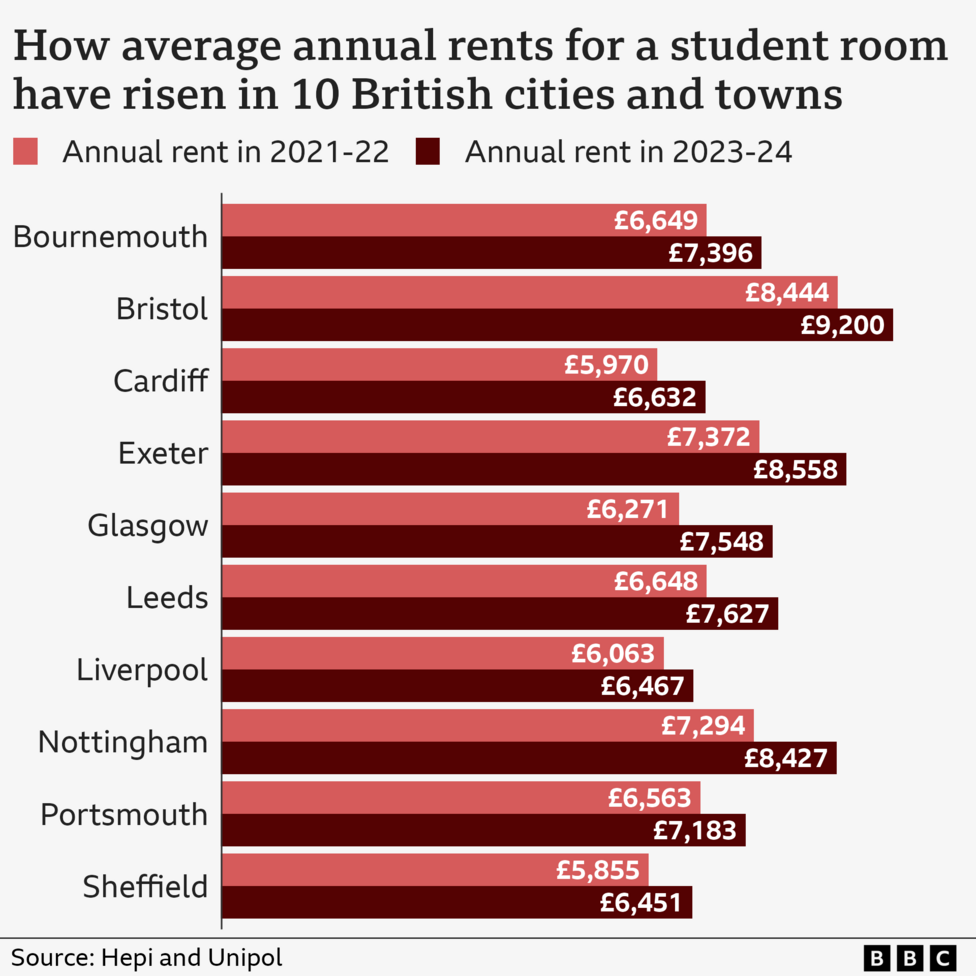
The institute estimated last year that a three-year degree requires roughly £61,000 to sustain a "minimum socially acceptable standard of living" once tuition fees are excluded - a figure that climbs to £77,000 in London. Its 2026 student survey also found that 65% of full-time undergraduates held paid work during term time, a slight dip from the year before but still far above the 45% recorded in 2022.
What extra financial support exists for students?
Students in Wales and Northern Ireland can access maintenance grants that do not require repayment. Full-time undergraduates ordinarily resident in Wales qualify for at least £1,000, rising to £1,020 in 2026-27, while the poorest students choosing to study in London can receive up to £10,124, increasing to £10,325. In Northern Ireland, the maximum grant stands at £3,475, rising to £3,569 next year.
England is bringing back maintenance grants worth up to £1,000 annually for students from lower-income households, though only for courses that align with the government's Industrial Strategy. These will not become available until 2028, and ministers are still finalising which courses will qualify. Scotland offers targeted support for specific groups, such as students with dependants, and hardship funds and charitable assistance remain available to struggling students across all four nations.
Do graduates actually earn more than non-graduates?
Recent research from the Higher Education Policy Institute and AdvanceHE found that 45% of undergraduates now rate the value for money of their course as "good" or "very good" - up from 37% the previous year and the highest share recorded in over a decade. This shift builds on trends already flagged in our earlier coverage of rising student satisfaction amid growing costs.
Government figures from 2024 show median pay for working-age graduates reached £42,000, compared with £30,500 for non-graduates - though this comparison does not adjust for other factors such as prior academic achievement. The Higher Education Statistics Agency has also noted that, once inflation is accounted for, graduate wages have actually fallen in real terms, with the scale of decline depending heavily on profession. Graduates surveyed in 2022, for instance, earned £448 less per year on average, measured against 2015 prices, than those who had graduated just three years earlier.
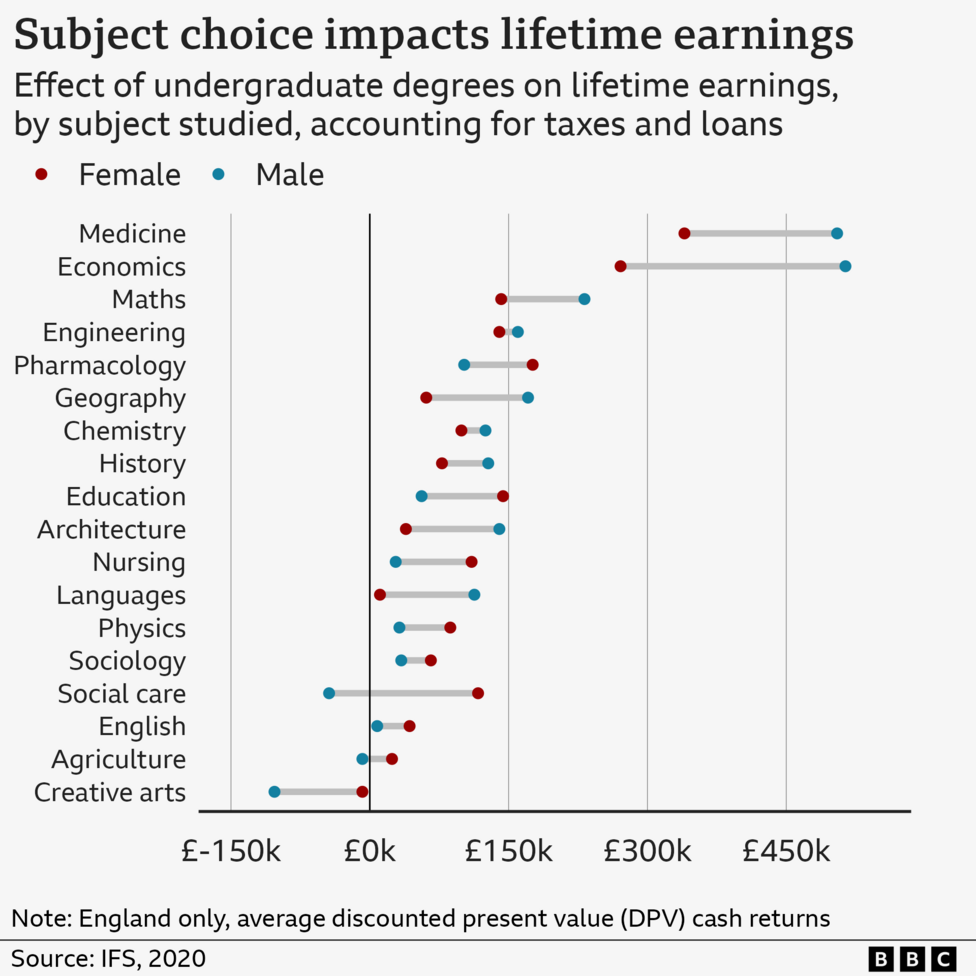
Earnings outcomes vary sharply by subject and institution. Research published in 2020 by the Institute for Fiscal Studies found that women studying creative arts or languages in England typically earn no more over their lifetimes than if they had skipped university altogether, while women who studied law, economics or medicine earned upwards of £250,000 more across their careers. Men who studied creative arts fared worse than non-graduates on average, whereas male medicine or economics graduates earned roughly £500,000 more over their lifetimes. Further detail on how subject choice shapes these outcomes can be found in our earlier analysis of which degrees deliver the strongest lifetime returns, which also notes government plans to restrict funding for courses judged to offer poor value.
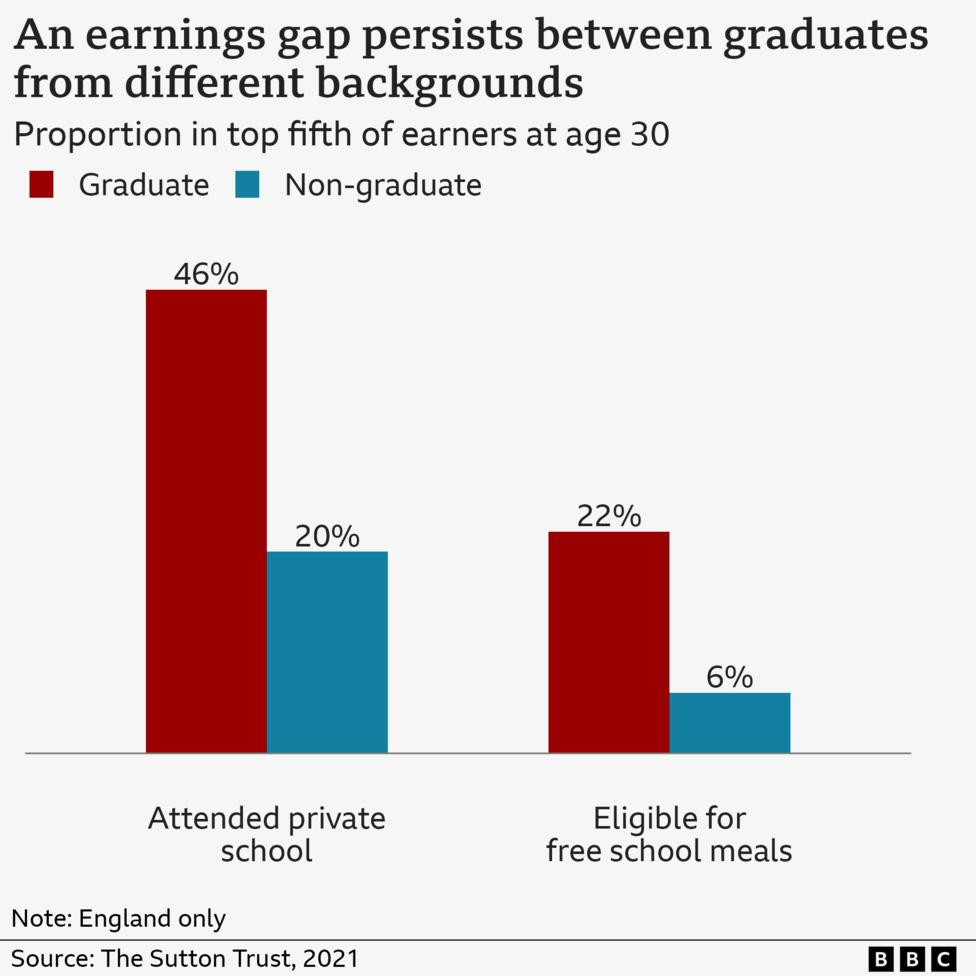
Background matters too. A 2021 study by the Sutton Trust found that university attendance helps graduates from poorer backgrounds out-earn their parents, yet only a fifth of graduates who had been eligible for free school meals went on to join the top 20% of earners, compared with almost half of graduates who had attended private school. The charity argues that attending a selective institution, such as those in the Russell Group, gives young people the strongest chance of achieving social mobility.
What happens next for student loan repayments?
Official projections suggest the average balance owed by borrowers entering repayment is likely to climb again in future years as larger cohorts of students move through the system, according to government forecasting data. That means this year's drop to £47,730 may prove temporary rather than the start of a lasting downward trend, even as more Plan 5 borrowers - who benefit from lower interest accrual - continue entering the repayment system.
Key Facts
- Average debt for English graduates entering repayment in April 2026 was £47,730, down from £53,000 the previous year.
- Undergraduate tuition fees in England and Wales rose to £9,535 in 2025 and are set to reach £9,790 in 2026.
- Average student rent across ten UK towns and cities rose from £6,520 in 2021-22 to £7,475 in 2023-24.
- Median graduate pay stood at £42,000 in 2024, versus £30,500 for non-graduates.
- Plan 5 borrowers, introduced in 2023, made up over 10% of all borrowers reaching repayment in 2025-26.


