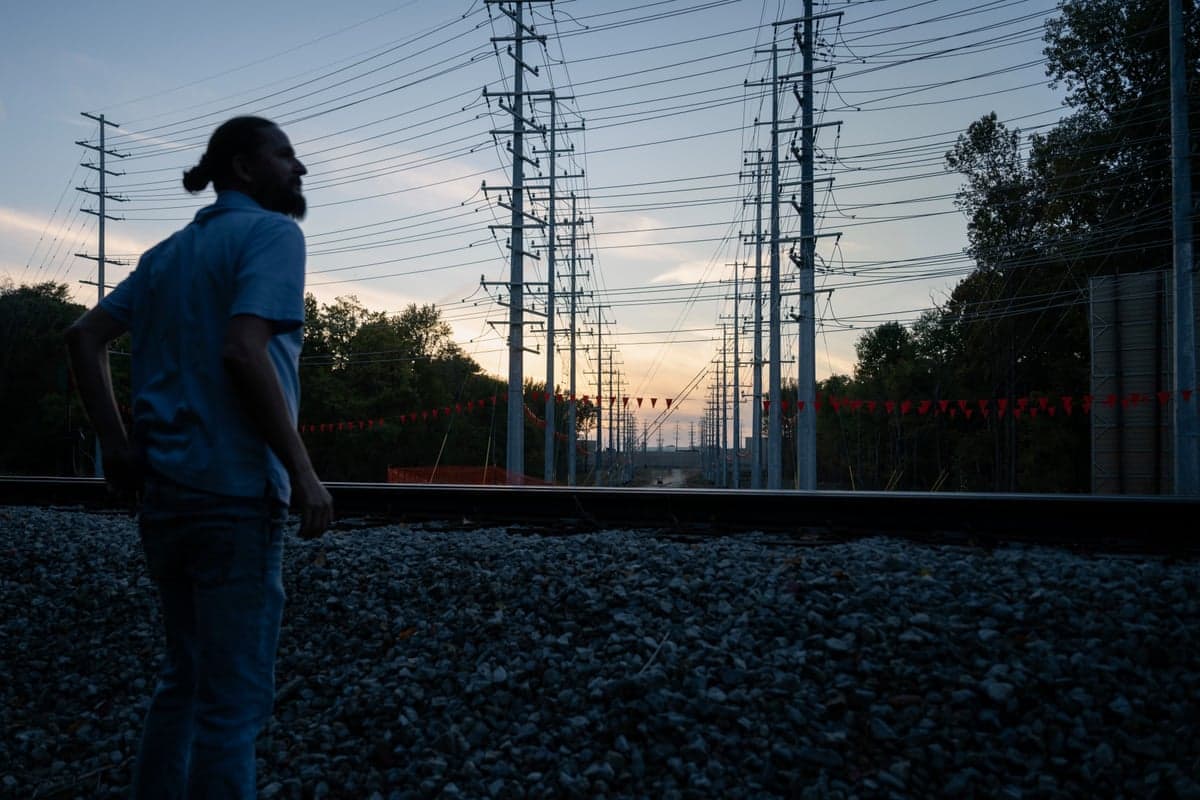
Residents of a Mississippi neighborhood are facing a stark choice: sell their homes to Elon Musk's artificial intelligence company and abandon a lawsuit over noise pollution, or stay and endure the relentless roar of industrial gas turbines. According to The Guardian, real estate agents working on behalf of xAI have been going door to door in Southaven, Mississippi, offering to purchase homes in the Colonial Hills neighborhood with a contractual condition: buyers must agree not to join a class-action lawsuit against the company over the power plant's noise.
The scale of the buyout plan is striking. A realtor told one resident that xAI has a target to purchase 418 homes in the neighborhood, with 18 homeowners already agreeing to sell, according to a recording heard by The Guardian. xAI has not responded to questions about these figures or its long-term plans for the area, though the company has previously stated it intends to be a good neighbor and denies all claims in the noise lawsuit.
What is driving the buyout?
The homes are intended to house xAI staff as the company expands rapidly in the region. Three of its datacenters—called Colossus I, Colossus II and Macrohardrr—have been constructed in the Memphis and Southaven area since July 2024, creating what Musk envisions as the world's largest cluster of AI supercomputers. Musk has been spending up to four nights a week in an Airstream trailer in the Memphis area to personally oversee the build-out of these facilities to further develop the Grok AI chatbot. During an earnings call this month, Musk stated:
We're seeing the fastest growth I've ever seen in my life for Grok bot. I've never seen anything grow this fast.
The power plant central to this expansion is a former Duke Energy site housing 69 temporary gas turbines that feed the new datacenters. According to Mississippi's environmental agency, the site now contains 46 temporary mobile turbines, while the state permit board had approved permits for 41 permanent generators.
Why are residents so angry about the noise?
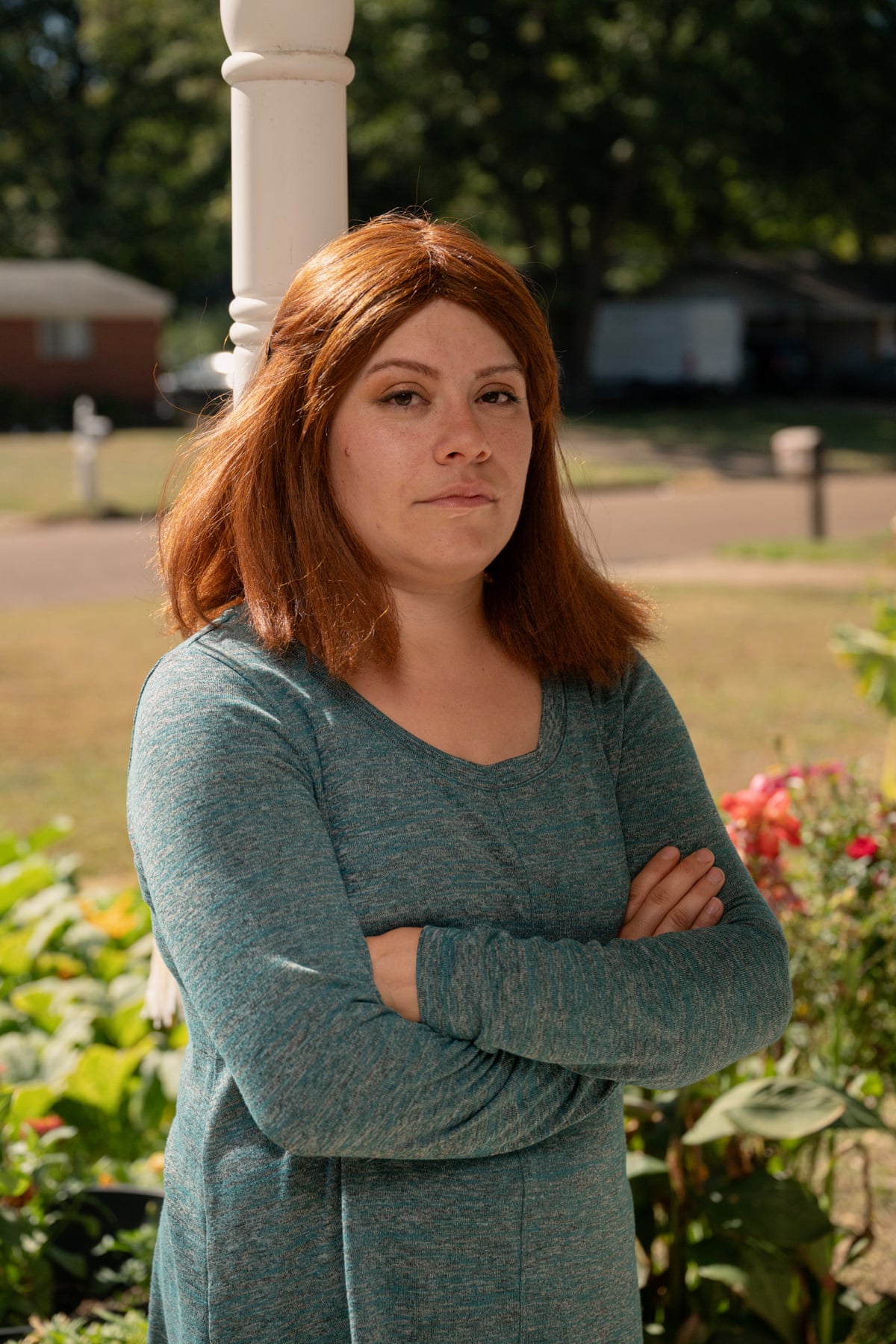
The noise from the gas turbines has become unbearable for many residents. Elizabeth Rose, a piano teacher whose home sits about two miles from the xAI site, described the sound in stark terms:
It sounds like an airplane engine but it's continuous, it's incredibly loud. I've been woken up at 2am by it, I've been woken up at 3am by it. I sometimes have to just get away from it because it makes me so angry.Rose said she was shocked when the power plant began its low-level growl in August 2025.
All of a sudden there was a plant there. And now I get the feeling they are trying to expand the buyout to the entire neighborhood. It will become Elon Musk's little playground, basically. Elonville.
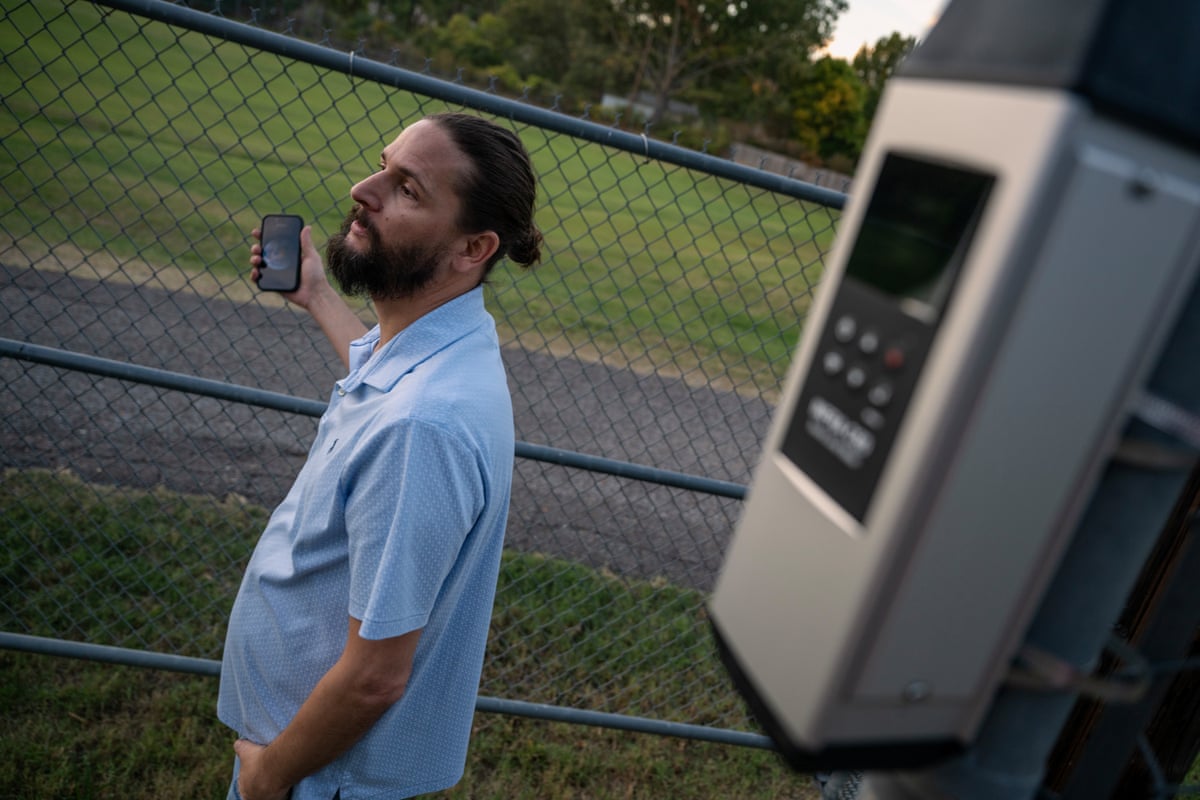
Jason Haley, one of three residents who filed the noise lawsuit in June, lives about half a mile from the power plant and has owned his home for 20 years. He described the experience as torturous:
There's a high-pitched hum and then another sound like an airplane over your house. It's been so torturous I can't sleep, I just leave the house or turn on some music until I fall asleep completely exhausted. It drives you insane. You also lose hope because you're being ignored or dismissed. There's no escape.According to Mississippi Free Press, the lawsuit names Jason Haley, Preston Herrington and Taylor Logsdon as plaintiffs and estimates more than 10,000 people live in the proposed class area.
Gavin Foust, a paramedic who lives near Haley, said his elderly neighbors have agreed to sell their home to escape the noise.
They are ideal neighbors and planned to live their rest of their lives in that house but they want to get out of Dodge now because they don't want to be bothered by these turbines.Foust himself has refused the buyout offer because of its requirement not to sue.
My hearing was damaged when I was in the army but I can still hear this thing, it's like a jet engine. Why would you put it in a city? Why push people out? It's reckless and shameful.
What about air pollution and health impacts?
Beyond noise, residents are concerned about air pollution from the turbines. The Southern Environmental Law Center has estimated that toxic emissions from these turbines, which are highly polluting, have caused $44 million in annual health costs. Foust noted that many residents suffer from conditions exacerbated by nitrogen oxide, formaldehyde and other pollutants:
A lot of people in this neighborhood suffer from conditions exacerbated by all the nitrogen oxide, formaldehyde and other garbage put out by these turbines. For kids with asthma or elderly people with COPD [chronic obstructive pulmonary disease] it's a mess all round. It's pretty frustrating.
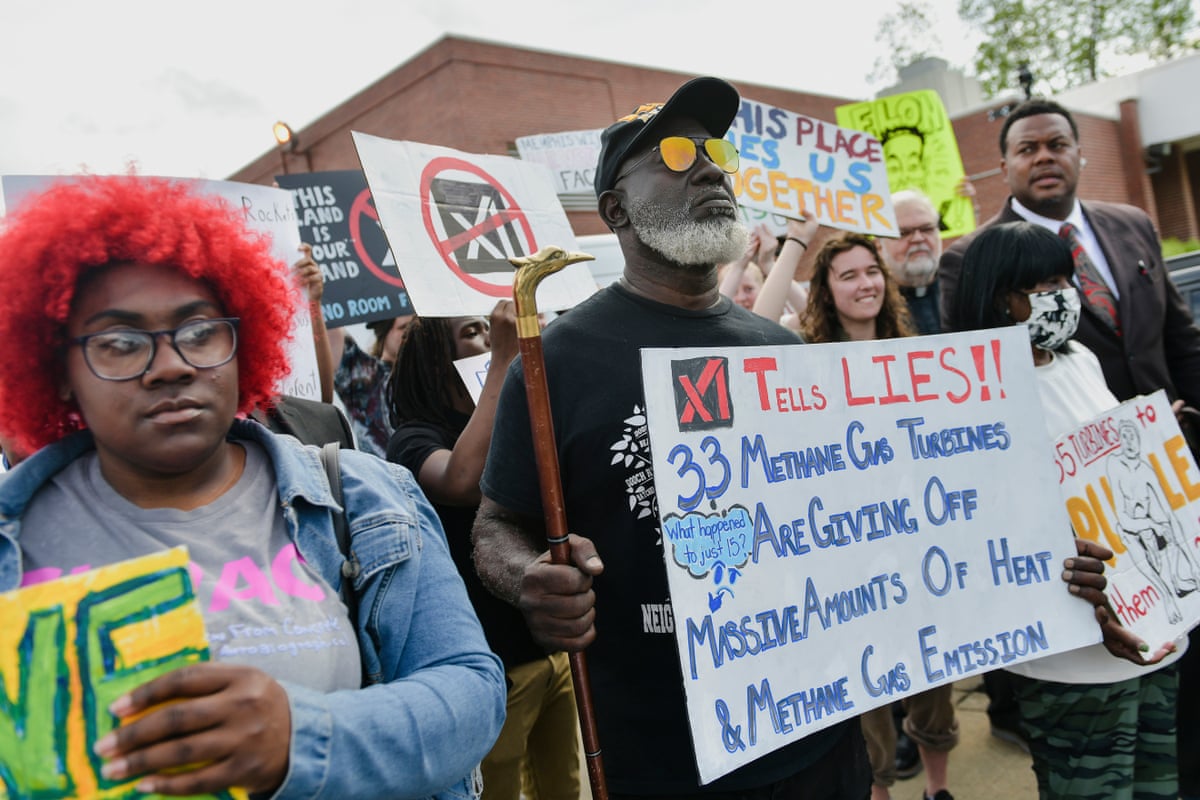
In April, environmental groups and the National Association for the Advancement of Colored People (NAACP) filed in federal court to stop use of the turbines. However, the US Department of Justice intervened on xAI's behalf, arguing that xAI technology has been used to wage war on Iran and is therefore required for national security reasons. A federal judge subsequently ruled that the NAACP's Clean Air Act lawsuit over the Southaven plant can proceed after the EPA sought to end it, though the ruling did not decide whether the company violated the law.
How is the city responding?
Southaven Mayor Darren Musselwhite has championed the datacenters as an economic opportunity for one of the poorest states in the union.
This development will produce unprecedented tax revenue for DeSoto county taxpayers that will enhance the quality of life for all.Musselwhite oversaw a land swap deal with xAI that resulted in a new police and firefighter training center for the city. Regarding the property purchases, he stated:
The buyout is not intended to be a company city at this point. This has never been mentioned to me. The buyout has multiple purposes which are to provide homes for some employees and a goodwill gesture from a good corporate citizen for those who perceive the industrial development near them as a negative.
Musselwhite said dealing with the noise is a top priority but that city monitors have not detected a breach of the local noise ordinance limit of 70 decibels. However, critics point to research showing that lower levels of noise—50 decibels or more, like that recorded near the power plant—may be linked to adverse health impacts if persistent.
Local businesses have experienced a surge in new activity, and some residents are not bothered by the noise or actively champion the influx of investment. However, the opposition remains vocal and organized.

What is xAI's response?
xAI has denied the allegations of heedless noise and stated that it cares deeply about being a good neighbor. The company has varied its power output and built sound-dampening walls. In a letter handed to nearby residents in Colonial Hills, MZX, the xAI subsidiary that operates the site, stated that it requires property for its business purposes and is prepared to buy nearby houses with a contractual condition that they do not join the class-action lawsuit.
The buyout offers are beginning to show results. Since 9 October, five neighborhood homes have been purchased by MZX, according to DeSoto County records. According to local reporting, MZX Tech, a SpaceXAI subsidiary, also leased a large warehouse on U.S. Highway 51.
In July, xAI agreed with state regulators to transform the power plant into a newer, permanent gas-fired facility by next summer, which should lessen the noise coming from the temporary turbines. However, given the company's history of violations and separate fines it has paid for storm water violations, opponents remain skeptical. Haley expressed his ambivalence:
I've had hopes all along that haven't come through. The same company said it wasn't polluting the air. I'm still hopeful but I'm not confident.
What happens next?
The noise class-action case has no reported trial schedule or court ruling, and the buyout offers remain open. The NAACP's preliminary-injunction hearing, previously set for August 24, was postponed and had not been rescheduled in the latest cited reporting.
For residents like Haley and Rose, the controversy has become a catalyst for political engagement. Haley said the dispute has drawn the community together and made him question how AI is being promoted broadly.
Put it this way, I'm now registered to vote.Rose, the piano teacher, said her roommate would accept three or four times the value of their home but she would still be opposed to such a sale.
I wouldn't take the offer if it was up to me, just to make things difficult for Elon. I hate AI, I never understood why it was invented. I refuse to use it because I know touching it will cause that plant to crank up.
The situation reflects broader tensions across the United States as AI datacenters expand rapidly into residential areas, often with significant environmental and quality-of-life consequences for local communities. The Colonial Hills neighborhood has become a flashpoint in debates over technological progress, corporate power and the rights of residents to peaceful enjoyment of their homes.