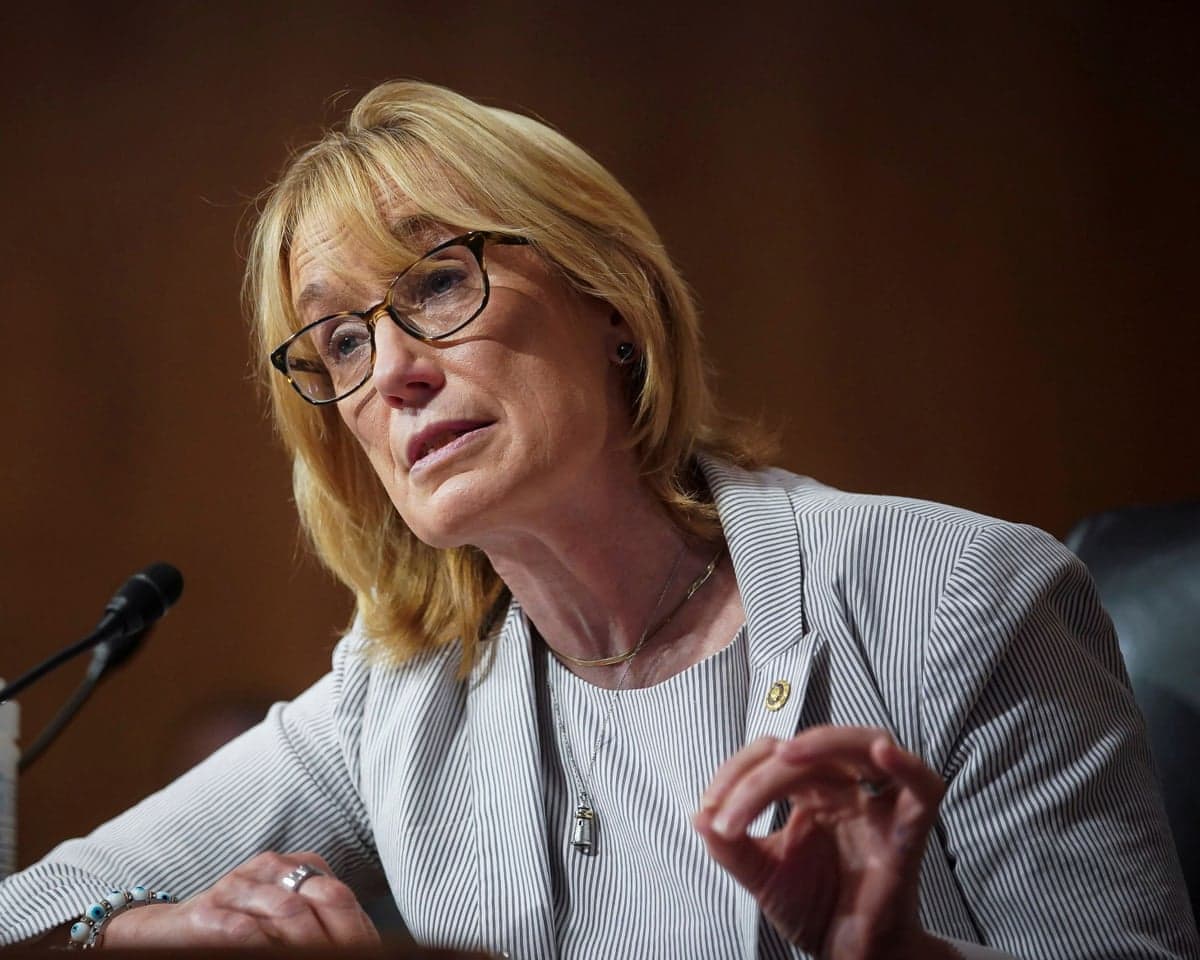
A congressional investigation released on Tuesday has detailed the scale of romance scams on dating platforms operated by Match Group, revealing that millions of fraudulent accounts have successfully connected with users. The report, conducted by senators Maggie Hassan, a Democrat from New Hampshire, and Marsha Blackburn, a Republican from Tennessee, calls for the company to strengthen its defenses against scammers who have cost Americans billions of dollars.
Mary, who requested anonymity, became a victim of a romance scam in 2024 after meeting someone on Plenty of Fish, a dating app owned by Match Group. She transferred approximately $100,000 in cryptocurrency to the fraudster after he cultivated an intense relationship with her, claiming he needed money for work emergencies and medical crises. The experience left her struggling to comprehend how she had been manipulated so thoroughly.
"There was a lot of conversation, and then it started with the constant contact, pressure and repeated asks for money," Mary said in an interview. "It just escalated really, really quickly."
Mary's case exemplifies a broader crisis. According to the Federal Trade Commission, Americans lost nearly $1.5 billion to romance scams in the previous year, making it one of the most damaging forms of financial fraud in the country. The senators' investigation found that through the third quarter of 2025, nearly 1.5 million scammers or fraudulent accounts on Tinder and Hinge had successfully matched with at least one user in the United States, with nearly 500,000 of those accounts exchanging contact information with victims.
How widespread is the problem on Tinder?
The scale of scam activity on Tinder has grown dramatically. According to the Senate committee's findings, scam-profile views increased by more than 700 percent globally between May 2024 and December 2025, with the median fraudulent profile receiving 67 views in May 2024 and 542 views by December 2025. Internal documents obtained from Match Group revealed that as of the second half of 2025, Tinder had not updated most of its machine learning detection models in years, leaving the platform unable to reliably identify scammers and keep pace with evolving fraud tactics.
What tactics do romance scammers use?
Romance scammers employ psychological manipulation to extract money from victims over extended periods. Mary described the experience as overwhelming and disorienting, saying
"They never leave you alone. I call it like being in a vortex. You don't even realise what's happening. You're sending money, and it's adding up, but each one of those times that you send money, it's, like, not connected to the other times. But finally when I realized how much money I lost, I was like: 'Whoa.'"
The report documented another victim, a 77-year-old identified as Nuss, who lost more than $700,000 after a scammer fabricated multiple crises, including a fictional oil-rig job problem, a fake arrest in Mexico, and the invented illness and funeral of the scammer's mother. When Mary attempted to verify the identity of her scammer, she discovered multiple Plenty of Fish profiles using identical photographs, suggesting coordinated fraud operations. Even after blocking the fraudster's number, he repeatedly contacted her using different phone numbers.
What has Match Group done to address the problem?
Match Group has introduced several safety measures in response to the congressional investigation, which began in September 2025. The company rolled out Face Check, a video selfie verification process requiring all new Tinder users in the United States to complete the verification. According to Match Group's own data presented to the committee, Face Check reduced interactions between U.S. Tinder users and fraudulent accounts by more than 70 percent within a month of its nationwide rollout, with that reduction sustained for at least seven months.
The company also deployed a new artificial intelligence detection model in the first half of 2026 and, according to reporting on the investigation, added 169 automated detection rules while improving 108 others. The report acknowledged these developments but noted they came after a prolonged period during which scams continued to proliferate across the platform.
Yoel Roth, Match Group's senior vice-president of trust and safety, stated in response to the report:
"We're grateful the committee recognized our significant advancements to protect our users against romance scams. That said, the report mischaracterizes both the historical scale of our investment and the work already complete. Alongside our engagement with the Committee over the past year, we've made the largest safety advancements in Match Group's history. Trust and safety is a foundational priority, and we intend to continue leading the industry in building tools that promote authentic, safe connections."
Match Group maintained that much of the safety work, including Face Check, was already underway before the committee's investigation began.
What do lawmakers say needs to happen?
Senator Hassan characterized romance scams as devastating to vulnerable people seeking genuine connections.
"During the course of our investigation, Match Group made progress in combating scammers – but it shouldn't have taken so long, and there's still more that Match needs to do,"she said in a statement accompanying the report's release.
Hassan emphasized that as criminal networks increasingly employ artificial intelligence to enhance their scams, dating platforms and other companies must rapidly update their defenses.
"Companies must stay vigilant and prioritize comprehensive scam prevention at every level to protect consumers and block fraudsters from infiltrating online platforms."
In June, Hassan introduced legislation alongside Republican senator Rick Scott that would establish a centralized reporting portal for Americans to report scams and receive assistance from law enforcement and federal agencies. Congress also passed the Romance Scam Prevention Act last month, which would require dating services to alert users who receive messages from accounts flagged as potential scammers.
Key Facts
- Nearly 1.5 million fraudulent accounts on Tinder and Hinge matched with at least one user through the third quarter of 2025, with nearly 500,000 exchanging contact information.
- Scam-profile views on Tinder increased by more than 700 percent globally between May 2024 and December 2025.
- Face Check verification reduced U.S. Tinder users' interactions with fraudulent accounts by more than 70 percent within one month of rollout.
- Americans lost nearly $1.5 billion to romance scams in the previous year, making it one of the leading forms of financial fraud in the country.
- Congress passed the Romance Scam Prevention Act, requiring dating services to warn users about potential scammers.