The Edinburgh International Festival will celebrate eight decades of operation by staging its longest season to date in 2027, extending beyond the customary three-week format to run for just over four weeks in August. According to The Guardian, the expanded programme will emphasise the role of the arts in bridging cultural divides and resolving conflict, with festival leadership drawing parallels between the post-war context of the festival's 1947 founding and contemporary geopolitical tensions.
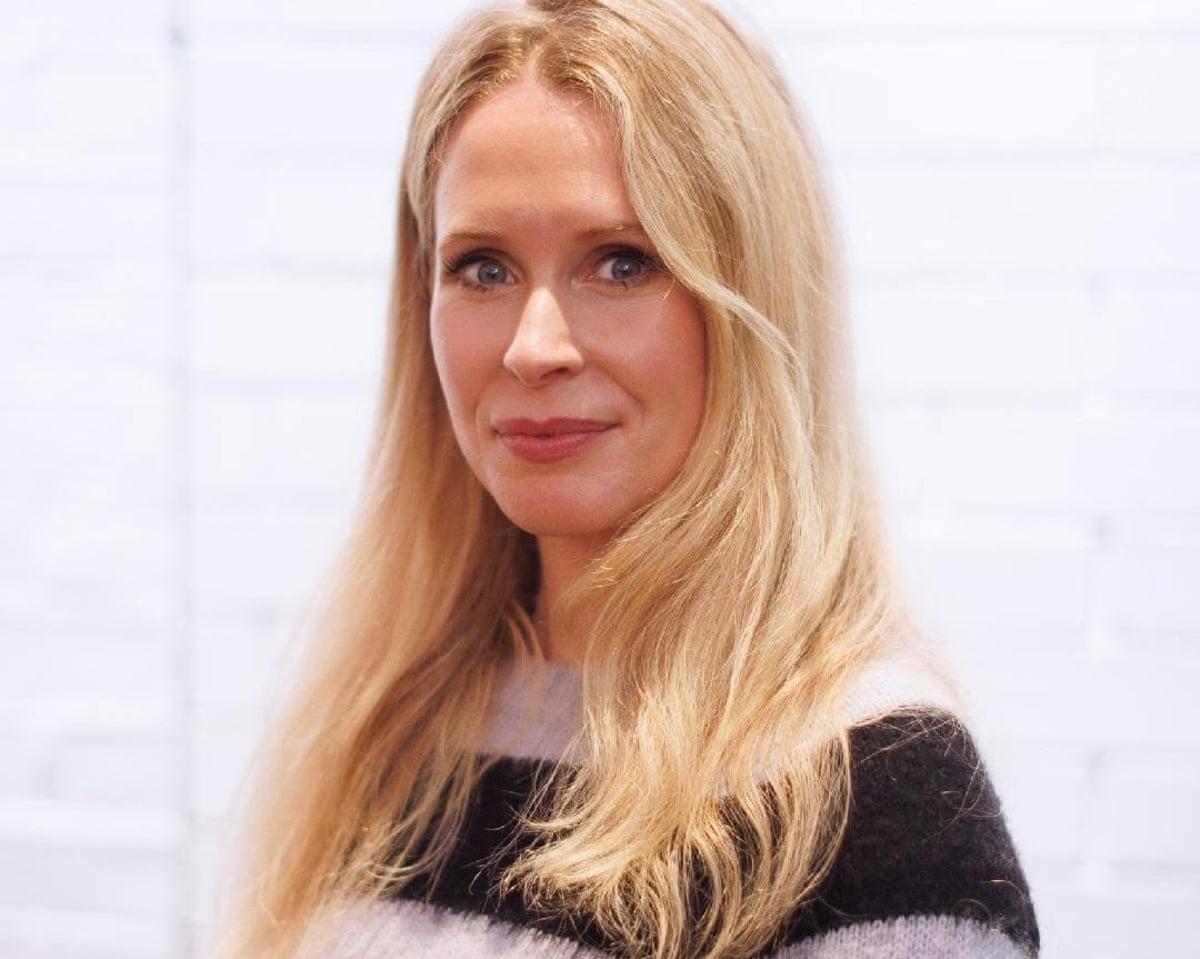
Festival director Nicola Benedetti, who has overseen the event since 2024 and whose tenure is being extended through 2029, characterised the anniversary moment as particularly resonant given current instability across Europe and beyond. She highlighted that many attendees remain unaware of the festival's origins, when founder Rudolf Bing—an Anglo-Austrian Jewish émigré and opera impresario—established the event to provide cultural solace during the austerity and psychological aftermath of the Second World War. Benedetti stated that broadening public understanding of this foundational narrative would be central to the 2027 programming strategy.
What early productions have been announced?
The festival has unveiled several flagship productions for the anniversary season. Festival Opera, which formed the cornerstone of the inaugural 1947 festival, will present a new staging of Leoš Janáček's 1904 opera Jenůfa, a work that unflinchingly addresses infanticide and the possibility of redemption. The production will price tickets for Jenůfa below the entry-level rates charged by Glyndebourne's festival in East Sussex, reflecting the festival's commitment to affordability.
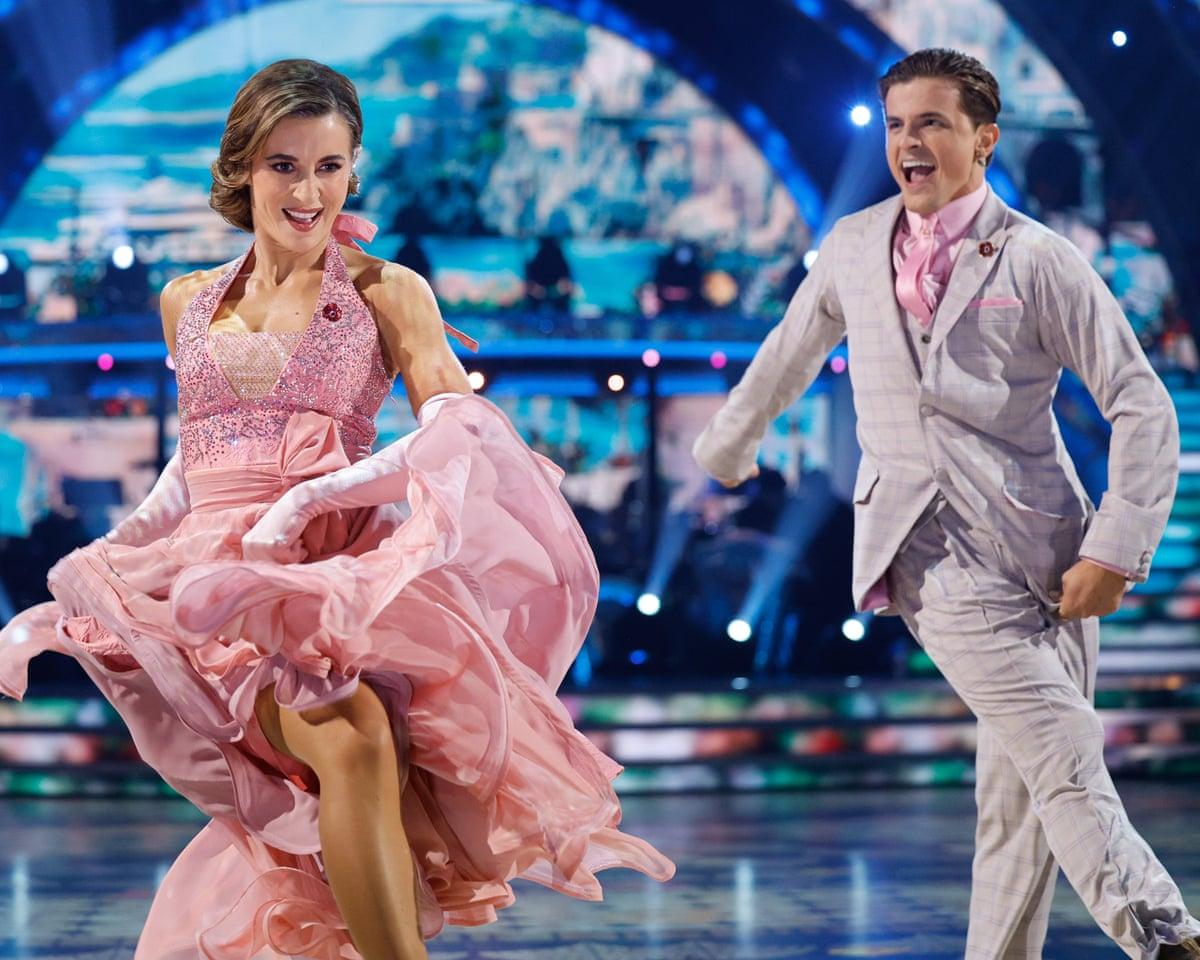
Scottish Ballet will premiere a multidisciplinary interpretation of William Shakespeare's A Midsummer Night's Dream, performed by Jessica Wright and Morgann Runacre-Temple.

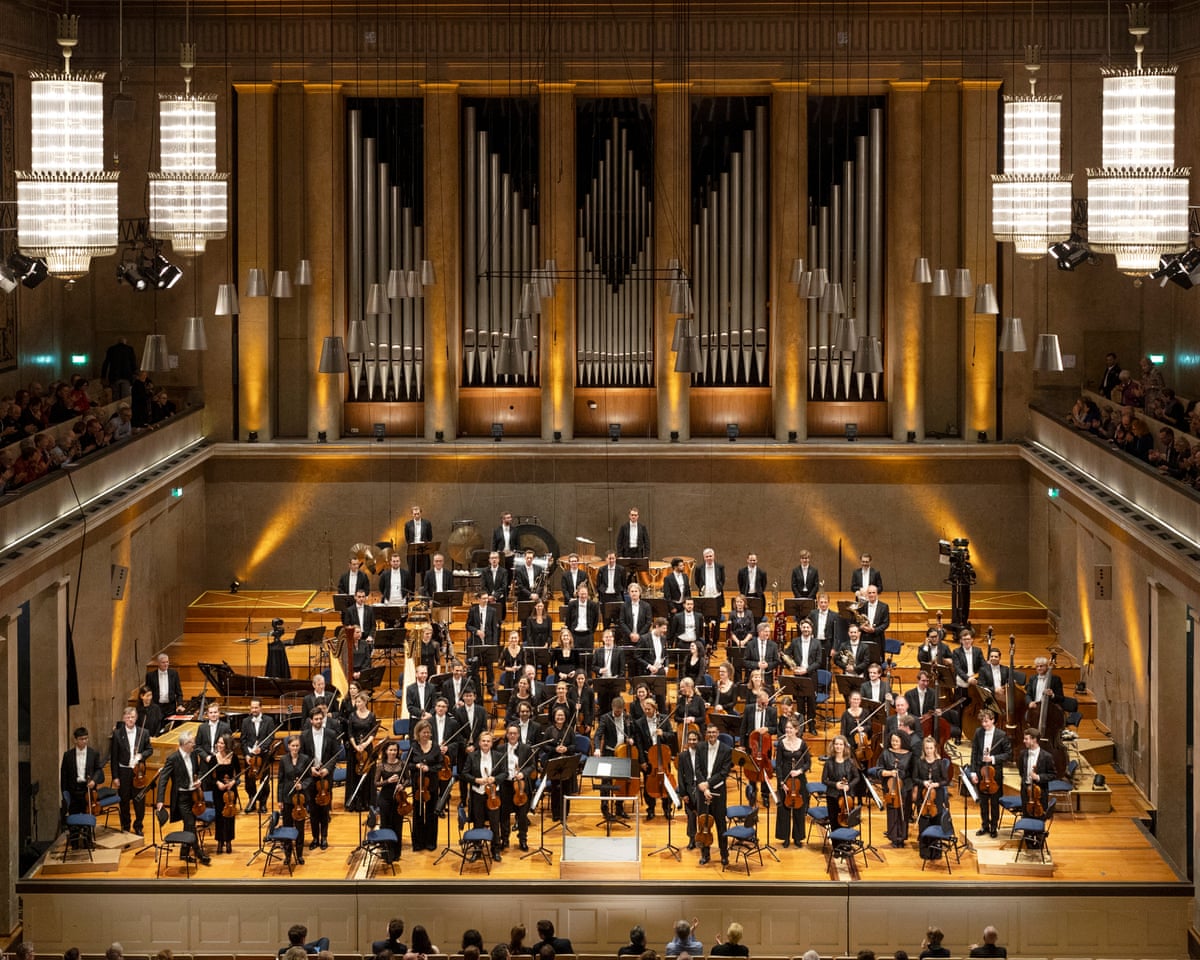
A further announcement includes a concert performance featuring the Bavarian Radio Symphony Orchestra, which will present works by Hector Berlioz and Johannes Brahms—both composers whose music appeared in the 1947 programme, creating a thematic link across the decades.
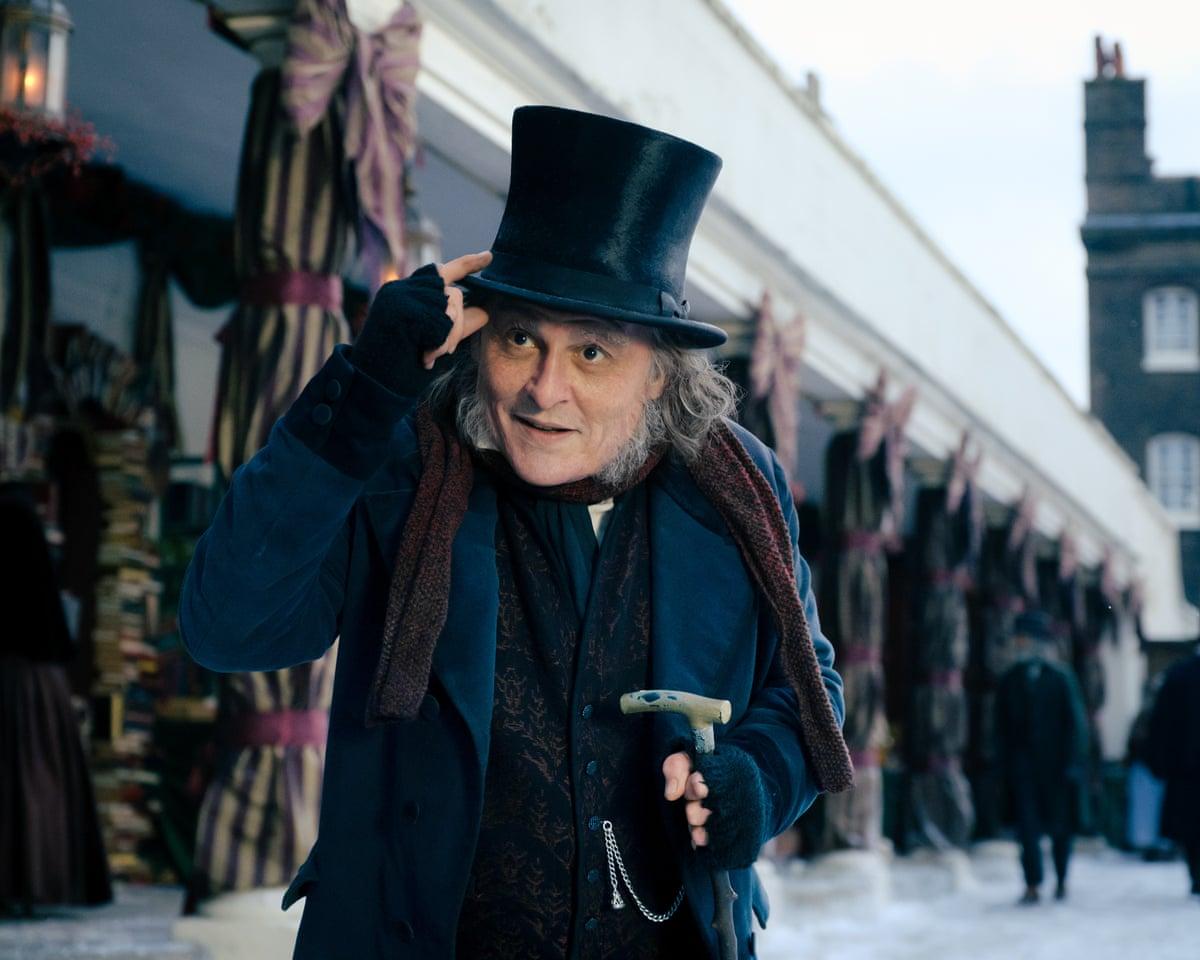
The festival will also stage a theatrical adaptation of Harry Macqueen's film Supernova, bringing together Ewan McGregor and Alan Cumming for their first joint stage performance. The production, according to festival materials,
beautifully explores how a lifetime of love is changed irrevocably when memory starts to fray.
Why has the festival changed its ticketing approach?
The Edinburgh International Festival has reversed a recent experiment with early ticket sales for headline performances. In 2025, the festival had offered advance tickets for select shows—including performances by San Francisco Ballet and Wagner Moura's reinterpretation of Henrik Ibsen's An Enemy of the People—beginning in November, five months before general public sales commenced in March. The initiative aimed to test whether accelerated sales windows could amplify publicity and attendance.
However, the strategy produced an unintended consequence: festival patrons and members, who retained the ability to purchase tickets before the general public window opened, booked seats at substantially higher rates for both Berlin Philharmonic concerts. This concentration of access among members reduced availability for non-members seeking to attend these sold-out performances. Benedetti explained the rationale for abandoning the approach:
if we're bringing Berlin Phil into town, we want the largest number of individuals to experience them in some form. The festival has therefore returned to a single sales window for the 2027 season.
What is the festival's pricing strategy?
Benedetti has prioritised affordability throughout her directorship, implementing a tiered pricing structure designed to remove financial barriers to attendance. The festival guarantees £10 seats for every performance, prices half of all available seats at £30 or less, and has expanded its cut-price ticketing offer across the programme. She characterised this commitment as foundational to the festival's mission:
our commitment to affordability, accessibility and that societal involvement that allows all of those barriers to be broken down, we're doubling down on that.
Despite these pricing commitments, the festival continues to heavily subsidise its events, absorbing significant costs to maintain accessibility. This approach reflects Benedetti's belief that the arts should serve as a unifying force across society, consistent with the festival's founding principles.
Why does the 2027 season extend to four weeks?
The extended duration of the 2027 festival—running from 6 August to 4 September—was driven partly by logistical requirements rather than purely by the desire to expand programming. Benedetti indicated that the additional week was necessary to accommodate Glyndebourne's scheduling constraints for its contributions to the festival. She cautioned that it remained uncertain whether the 2027 season would ultimately represent the largest the festival had staged when measured by the total number of performances or artists participating, despite the extended timeframe.
What funding challenges lie ahead?
Benedetti expressed significant concern about the festival's financial sustainability beyond 2027. A three-year funding agreement announced by the Scottish government in 2025 will expire at the end of 2027, while Edinburgh council's annual funding allocation operates on a year-to-year basis, creating uncertainty for long-term planning. She identified these dual funding pressures as
the two main big questions, but they're enormous questions and they're really consequential for us.
The financial outlook has been complicated by a series of structural challenges. Between 2019 and 2024, the festival's spending power declined by 26 per cent in real terms, driven by previous cuts to core funding, reduced contributions from donors and private foundations, and the cumulative effects of inflation. The Scottish government, which will announce its budget in early December, is preparing substantial reductions in non-essential services to address a £5 billion funding shortfall, largely attributable to past spending control failures, pay deal commitments, and escalating costs.
Despite these pressures, Benedetti has signalled the festival's determination to maintain its commitment to accessibility and affordability, though the sustainability of these programmes depends on securing stable funding arrangements beyond 2027.
When will the full 2027 programme be revealed?
The complete schedule and programming details for the 2027 Edinburgh International Festival will be announced in March 2027, providing several months' notice before the festival commences on 6 August.